What You Should Know About Eulophia javanica 🌸
Eulophia javanica
By the Greg Editorial Team
Feb 27, 2025•13 min read
This article was created with the help of AI so we can cover more plants for you. May contain errors. See one? Report it here.
Elevate your garden's beauty and biodiversity with Eulophia javanica, a stunning plant that's easy to grow! 🌸🌱
- 🌱 Eulophia javanica thrives in warm, shaded areas with well-draining soil.
- 💧 Regular watering and balanced fertilizer are essential for optimal growth.
- 🐾 Safe for pets, Eulophia javanica is non-toxic to humans, dogs, and cats.
How to Grow
🌳 Choosing a Location
Eulophia javanica thrives best in shaded to partially shaded areas. This plant enjoys warm, tropical conditions, so aim for a temperature range that keeps it cozy.
Moderate humidity levels are ideal for its growth. Ensuring these environmental factors will set the stage for a healthy plant.
🌱 Soil Preparation
For optimal growth, Eulophia javanica requires well-draining, fertile soil. Aim for a soil pH between 6.0 and 7.0 to create the perfect growing environment.
Avoid waterlogged conditions, as they can lead to root rot. Proper drainage is essential for the health of your plant.
🌿 Planting Techniques
When planting tubers, aim for a depth of about 4 to 6 inches. This depth allows for proper root establishment and growth.
Ensure adequate spacing between plants, ideally around 12 to 18 inches apart. This spacing promotes airflow and reduces competition for nutrients.
💧 Watering Requirements
Regular watering is crucial to maintain consistent moisture levels in the soil. Aim to keep the soil evenly moist but not soggy.
To prevent root rot, water at the base of the plant rather than from above. This method helps keep the foliage dry and healthy.
🌼 Fertilizing Schedule
Use a balanced NPK fertilizer to provide essential nutrients. A 10-10-10 or similar formulation works well for Eulophia javanica.
Fertilize every 4 to 6 weeks during the growing season. This schedule will support robust growth and flowering.
With these guidelines, you’ll be well on your way to cultivating a thriving Eulophia javanica. Next, let’s explore how to propagate this beautiful plant effectively.
Propagation
🌱 Methods of Propagation
When it comes to propagating Eulophia javanica, you have two primary methods: seed propagation and division. Both techniques are effective, but they cater to different levels of gardening experience.
Seed Propagation
Seed propagation is a straightforward process, making it ideal for beginners. Here’s how to do it:
- Gather Seeds: Collect seeds from mature plants, ensuring they are fully developed.
- Prepare Soil: Use a well-draining potting mix to promote healthy germination.
- Sow Seeds: Plant seeds about 1/4 inch deep, spacing them adequately to allow for growth.
- Water: Keep the soil consistently moist but not soggy.
- Light: Place the pots in a warm, partially shaded area to encourage germination.
With the right conditions, you can expect germination within a few weeks.
Division
Dividing tubers is another effective propagation method, though it requires a bit more skill. Here’s how to divide Eulophia javanica tubers:
- Timing: Wait until the plant is dormant, usually in late fall or early spring.
- Dig Up Tubers: Carefully lift the tubers from the soil, taking care not to damage them.
- Separate: Gently divide the tubers into sections, ensuring each piece has at least one growing eye.
- Replant: Plant the divided tubers at the same depth as they were previously growing, spacing them appropriately.
This method can be moderately challenging but is rewarding as it allows you to expand your garden with healthy new plants.
Both propagation methods can lead to a thriving collection of Eulophia javanica, enhancing your garden's beauty and biodiversity. Ready to learn more about the lifecycle of this fascinating plant? Let's dive into its stages next!
Lifecycle
🌱 Overview of Lifecycle Stages
Germination
Eulophia javanica seeds typically germinate within 2 to 4 weeks under optimal conditions. They require warm temperatures and consistent moisture to kickstart the process.
Seedling Stage
During the seedling stage, young plants develop their first true leaves and establish roots. Care involves providing adequate light and moisture to support healthy growth.
Vegetative Growth
As the plant enters vegetative growth, it focuses on expanding its foliage and root system. Regular watering and nutrient-rich soil are crucial during this phase to promote robust development.
Flowering
Flowering usually occurs in late spring to early summer, depending on environmental conditions. Adequate sunlight and warmth are essential for triggering blooms.
Seed Production
After flowering, Eulophia javanica produces seeds that can be collected for propagation. This stage is vital for ensuring the continuation of the plant's lifecycle.
⏳ Duration to Reach Maturity
How Long Until Fully Grown
Eulophia javanica typically reaches maturity in about 2 to 3 years. This timeframe can vary based on environmental factors and care practices.
Growth Rate
The average growth rate of Eulophia javanica is moderate, with plants expanding steadily under ideal conditions. Factors like light, water, and soil quality significantly influence this rate.
Understanding the lifecycle of Eulophia javanica not only helps in cultivation but also enhances appreciation for its natural beauty. With proper care, you can enjoy its stunning flowers and unique characteristics for years to come.
Size
Mature Height and Spread 🌱
Eulophia javanica typically reaches a mature height of about 30 to 60 centimeters (12 to 24 inches). At maturity, the plant can spread approximately 30 to 45 centimeters (12 to 18 inches) wide, creating a lovely, bushy appearance in your garden.
Growth Rate and Factors Affecting Size 📈
The growth rate of Eulophia javanica is influenced by several key factors, including light, water, and soil conditions. In optimal environments, this plant can thrive and grow more vigorously, while less favorable conditions may slow its development significantly.
When comparing growth rates, you'll notice that plants in well-drained, nutrient-rich soil with adequate sunlight tend to flourish faster than those in shaded or poor soil. Understanding these factors can help you create the ideal conditions for your Eulophia javanica to thrive.
As you cultivate this beautiful plant, keep an eye on its growth patterns and adjust your care routine accordingly. This attention will ensure your Eulophia javanica reaches its full potential, adding beauty and vibrancy to your garden.
Next, let’s explore the fascinating process of propagation, where you can multiply your Eulophia javanica and share its beauty with others.
Roots
Characteristics of the Root System 🌱
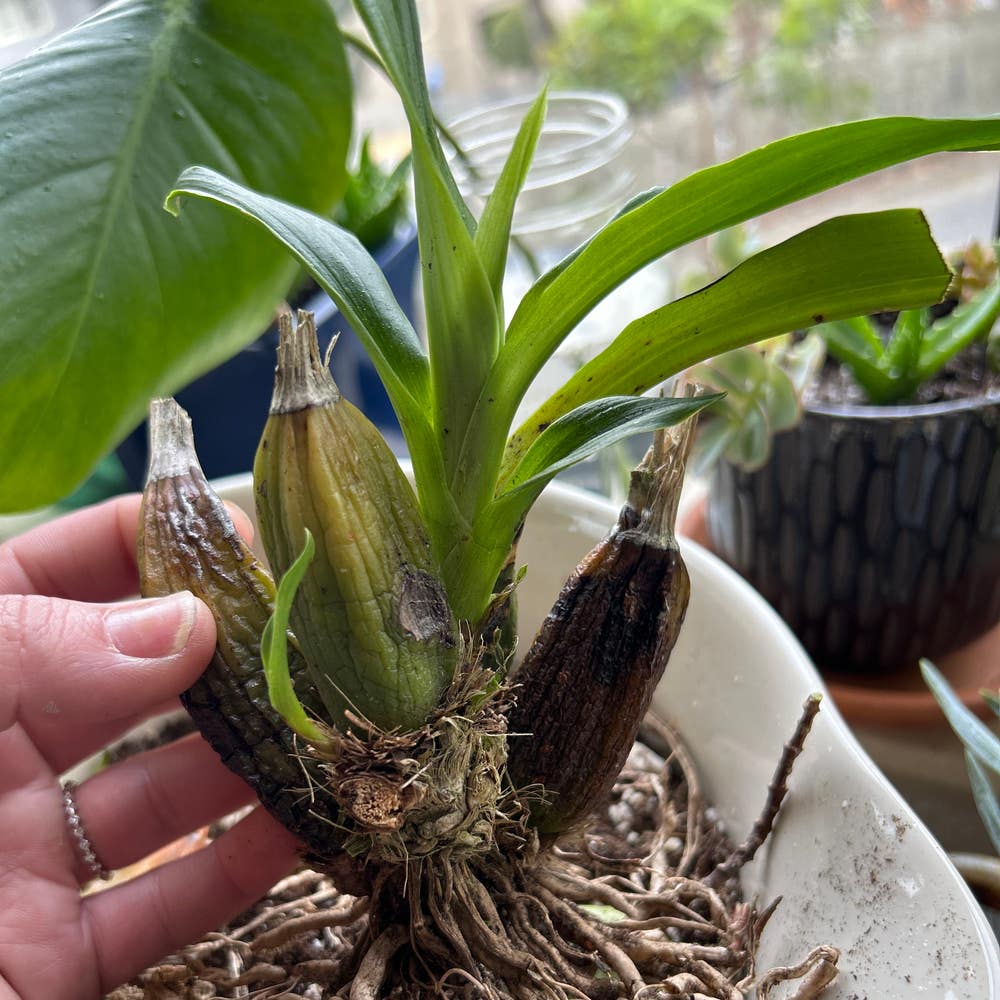
Eulophia javanica features a unique tuberous root system that plays a crucial role in nutrient storage. These tubers not only provide energy for the plant but also help it survive during dry periods.
The typical root depth for Eulophia javanica is around 6 to 12 inches, allowing it to access moisture and nutrients effectively. Roots can spread out to about 12 to 18 inches, creating a robust network that supports the plant's growth.
Common Root-Related Issues ⚠️
One of the most common problems faced by Eulophia javanica is root rot, which occurs when the roots sit in waterlogged soil. Symptoms include yellowing leaves, wilting, and a foul smell emanating from the soil.
Another issue is being rootbound, where the roots grow too tightly in their container. Signs of a rootbound plant include stunted growth and roots visibly circling the pot.
Tips for Managing Root Problems 🛠️
To prevent root rot, ensure your soil is well-draining and avoid overwatering. Regularly check the moisture level and allow the top inch of soil to dry out between waterings.
If you notice your plant is rootbound, consider repotting it into a larger container. Gently loosen the roots and trim any that are damaged to encourage healthy growth.
Benefits
Aesthetic Appeal 🌸
Eulophia javanica is a stunning addition to any garden, boasting attractive flowers that can brighten up your outdoor space. Their vibrant colors and unique shapes create visual interest, making them a favorite among garden enthusiasts.
Cultural Significance 📜
This plant holds a special place in various cultures, often recognized for its importance in traditional medicine and folklore. Its historical uses add depth to its appeal, connecting gardeners to rich cultural narratives.
Biodiversity 🌿
Incorporating Eulophia javanica into your garden contributes to biodiversity. This plant supports a variety of wildlife, enriching the ecosystem and promoting a healthier environment.
Nutrient Storage 🥔
The tubers of Eulophia javanica are not just beautiful; they can also be harvested for use. These nutrient-rich tubers provide a sustainable food source, adding practicality to their aesthetic charm.
Pollinator Attraction 🐝
Eulophia javanica is a magnet for pollinators, including bees and butterflies. By planting this species, you can help support local pollinator populations, which are crucial for maintaining healthy ecosystems.
In summary, Eulophia javanica offers a multitude of benefits, from enhancing garden beauty to supporting biodiversity and pollinator health. Its cultural significance and practical uses make it a valuable addition to any garden. Next, let’s explore the concept of companion planting and how it can further enhance your gardening experience.
Companion Plants
🌱 Explanation of Companion Planting and Its Benefits
Companion planting is the practice of growing different plants together for mutual benefits. This technique enhances growth, improves pest management, and boosts overall garden health.
The benefits of companion planting include increased biodiversity and healthier plants. By pairing compatible species, you can create a thriving ecosystem that supports both plant and pollinator health.
🌼 List of Compatible Companion Plants
Eulophia javanica pairs well with several plants that share similar care needs. Consider these companions:
- Ferns: They thrive in similar shaded conditions and help maintain humidity.
- Hostas: These plants enjoy the same moderate light and moisture levels.
- Ornamental grasses: They can provide a beautiful contrast and attract beneficial insects.
These companions not only share care requirements but also deter pests that might harm Eulophia javanica.
🚫 Plants to Avoid Planting Near
While many plants can coexist peacefully, some should be avoided. Here are a few incompatible plants:
- Tomatoes: They can attract pests that may harm Eulophia javanica.
- Potatoes: These can compete for nutrients and space.
- Cabbage family: They may harbor pests that could negatively impact your orchid.
Avoiding these plants will help ensure a healthier growing environment for Eulophia javanica.
By understanding companion planting, you can create a vibrant garden that supports the growth of Eulophia javanica and its companions. Next, let’s explore the fascinating world of Eulophia javanica’s lifecycle.
Toxicity to Humans
Safety of Eulophia javanica for Humans 🐾
Eulophia javanica is not listed as toxic, according to poison control centers. This means you can handle and enjoy this plant without worrying about harmful effects.
When it comes to ingestion, general safety is a priority. While it's not toxic, it's always wise to avoid consuming any plant unless you're sure it's safe. Enjoy the beauty of Eulophia javanica in your garden, knowing it's a safe choice for you and your family.
As we explore the next section, let's dive into the safety of Eulophia javanica for our furry friends.
Toxicity to Dogs
Safety of Eulophia javanica for Dogs 🐶
Eulophia javanica is not listed as toxic to dogs, according to veterinary organizations. This means you can enjoy this beautiful plant in your garden without worrying about your furry friends getting sick.
While it's generally safe, it's still wise to monitor your dog's interactions with the plant. If your dog shows any unusual behavior after contact or consumption, consult your veterinarian for peace of mind.
In summary, Eulophia javanica can coexist safely with dogs, allowing you to cultivate a vibrant garden while keeping your pets safe. Now that you know about its safety for dogs, let’s explore its effects on cats.
Toxicity to Cats
🐱 Safety of Eulophia javanica for Cats
Eulophia javanica is not listed as toxic to cats, according to poison control centers. This means you can enjoy this beautiful plant without worrying about your feline friends.
While it's always wise to monitor your pets around any plants, Eulophia javanica poses no significant risk. Just ensure that your cat doesn’t munch on the leaves or flowers excessively, as any plant material can potentially cause mild digestive upset.
In summary, Eulophia javanica is a safe choice for cat owners looking to enhance their garden. With its vibrant blooms and non-toxic nature, it’s a win-win for both your garden and your furry companions.
As you explore more about this plant, consider how it fits into your overall gardening strategy, especially if you have pets. Next, let’s dive into the common problems you might face when growing Eulophia javanica.
Problems
🌱 Common Problems Faced When Growing
Growing Eulophia javanica can be rewarding, but it's not without its challenges. One of the most common issues is incorrect watering, which can manifest as either overwatering or underwatering.
Signs of Overwatering:
- Yellowing leaves
- Wilting despite wet soil
- Root rot
Signs of Underwatering:
- Crispy leaf edges
- Drooping foliage
- Soil pulling away from the pot edges
Another critical factor is light conditions. Eulophia javanica prefers shaded to partially shaded areas, and inadequate light can lead to poor growth.
Symptoms of Inadequate Light:
- Stunted growth
- Pale leaves
- Leaning towards the light source
Temperature extremes can also affect plant health. This species thrives in warm, tropical conditions, and sudden temperature drops can stress the plant.
Effects of Temperature Extremes:
- Leaf drop
- Slow growth
- Increased susceptibility to diseases
🦠 Diseases
Fungal issues can plague Eulophia javanica if not managed properly. Common fungal diseases include powdery mildew, rust, and blight.
Identification and Management:
- Powdery Mildew: White, powdery spots on leaves; treat with fungicides or neem oil.
- Rust: Orange or brown spots on leaves; remove affected leaves and apply fungicides.
- Blight: Dark, water-soaked spots; improve air circulation and avoid overhead watering.
🌿 Root Problems
Root health is vital for the overall well-being of Eulophia javanica. One major concern is root rot, which can occur due to overwatering or poorly draining soil.
Symptoms and Causes of Root Rot:
- Dark, mushy roots
- Foul odor from the soil
- Wilting despite adequate watering
Leaf issues can also arise, such as scorching, yellowing, and fuzzy growth. These symptoms often indicate environmental stress or nutrient deficiencies.
📉 Growth Problems
Poor growth can be a frustrating experience for any gardener. Signs of inadequate growth include leaning, leggy stems, and etiolated plants.
Indicators of Poor Growth:
- Leaning towards light sources
- Stems that are excessively long and weak
- Sparse foliage
Addressing these problems early can help ensure a healthy and thriving Eulophia javanica. By keeping a close eye on watering, light, temperature, and overall plant health, you can enjoy the beauty of this unique plant.
Next, let’s explore the potential pest issues that can also affect your Eulophia javanica.
Bugs
🐞 Potential Pest Issues
Eulophia javanica is generally resilient to pests, but it can still face challenges. Understanding its susceptibility helps in proactive management.
🔍 Identification and Damage Caused by Pests
Spider Mites
Spider mites are tiny, often invisible to the naked eye. Look for fine webbing and stippling on leaves, which indicate damage.
Scale Insects
Scale insects appear as small, brownish bumps on stems and leaves. They suck sap, leading to yellowing and wilting of the plant.
Mealybugs
Mealybugs are cottony white pests found in leaf axils. Their feeding can cause stunted growth and a sticky residue on leaves.
Aphids
Aphids are small, green or black insects that cluster on new growth. They can cause curling leaves and transmit diseases.
🛠️ Effective Treatment Options
For pest management, both organic and chemical treatments are effective. Neem oil and insecticidal soap are great organic options, while systemic insecticides can provide more aggressive control.
Regular monitoring and early intervention are key to keeping your Eulophia javanica healthy and thriving. With the right care, you can minimize pest issues and enjoy a flourishing plant.
What Eats
🦌 Common Animals That May Damage
Eulophia javanica can attract a variety of herbivores that may cause damage. Common culprits include deer, rabbits, and squirrels, all of which may munch on the plant's foliage or flowers.
🕵️♂️ Signs of Animal Presence and Types of Damage
Identifying animal activity is crucial for protecting your plants. Look for tracks, droppings, and distinct feeding signs, such as chewed leaves or broken stems, which indicate that herbivores are nearby.
🚫 Methods for Deterring or Managing These Animals
To keep these pesky animals at bay, consider using chemical deterrents available in garden centers. Alternatively, organic control methods, such as planting strong-smelling herbs or using barriers, can effectively protect your Eulophia javanica from unwanted nibblers.
By being proactive, you can enjoy the beauty of your plants without the worry of them becoming a snack for local wildlife.
⚠️ Safety First
This content is for general information and may contain errors, omissions, or outdated details. It is not medical, veterinary advice, or an endorsement of therapeutic claims.
Always consult a qualified healthcare professional before using any plant as food, medicine, or supplement.
Never eat any plant (or feed one to pets) without confirming its identity with at least two trusted sources.
If you suspect poisoning, call Poison Control (800) 222-1222, the Pet Poison Helpline (800) 213-6680, or your local emergency service immediately.
Spotted an error? Please report it here.
Help your Eulophia javanica thrive 🌱 with Greg's personalized watering alerts and fertilization tips tailored to its unique needs!