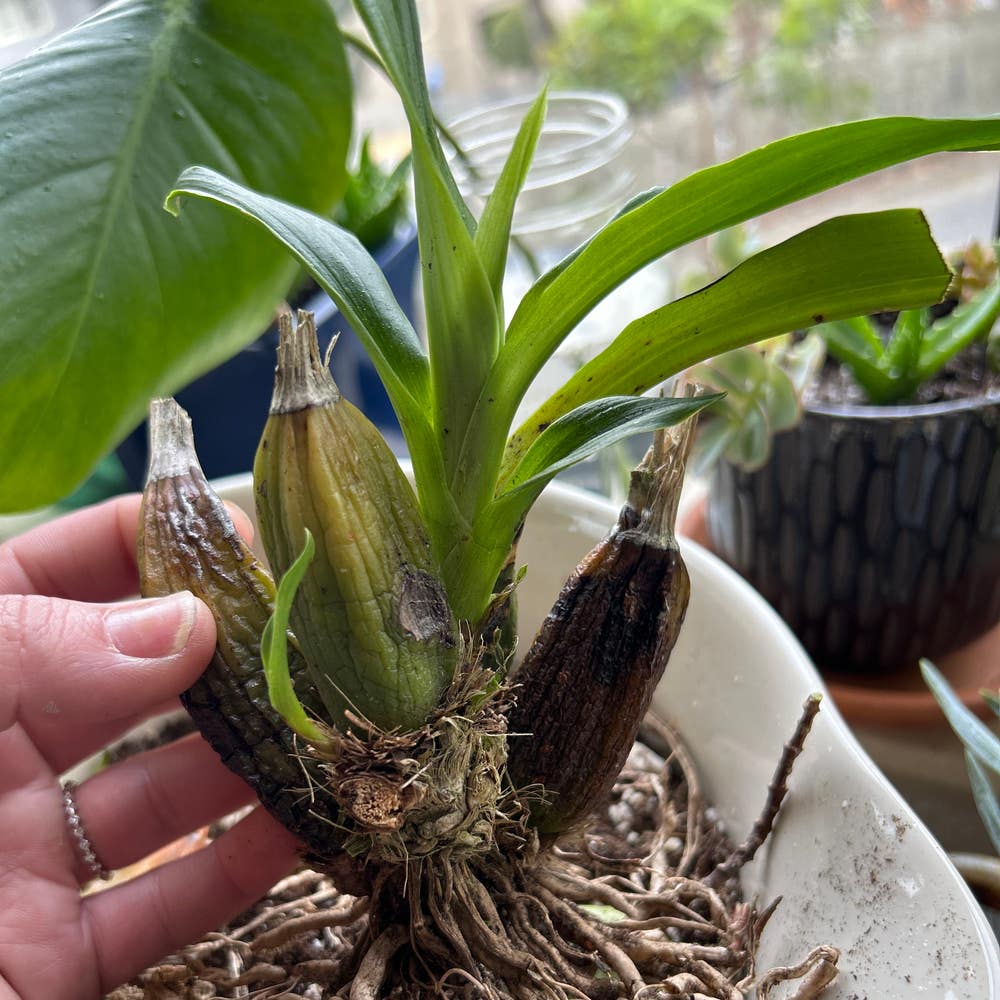
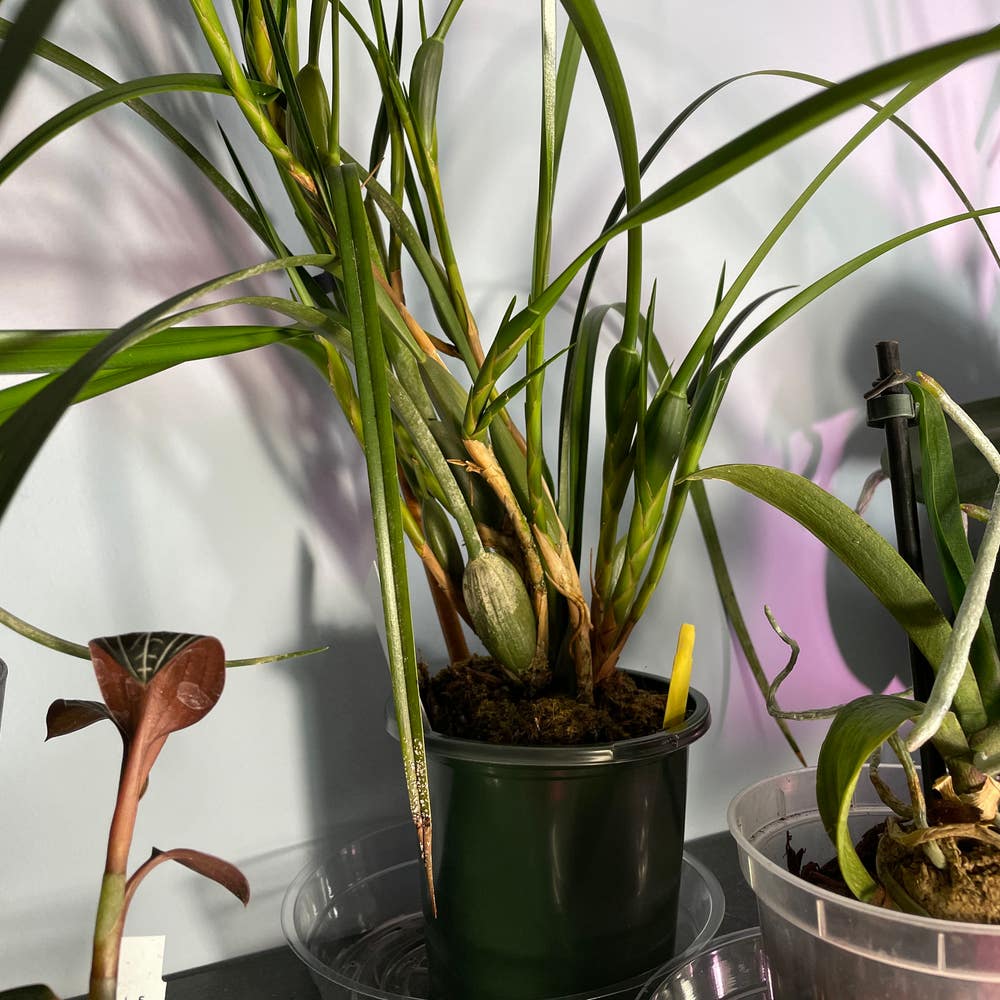
Eulophia inyangensis: A Comprehensive Overview
Eulophia inyangensis
By the Greg Editorial Team
Feb 27, 2025•11 min read
This article was created with the help of AI so we can cover more plants for you. May contain errors. See one? Report it here.
- 🌱 Eulophia inyangensis thrives in tropical climates with partial shade and high humidity.
- 🌿 Plant in well-drained, fertile soil with a pH of 6.0 to 7.0 for best growth.
- 💧 Consistent watering is crucial; avoid waterlogging to prevent root rot.
How to Grow
Choosing a Location 🌳
Eulophia inyangensis thrives in partial shade, making it ideal for gardens with dappled sunlight. Whether you choose outdoor planting or container growing, ensure the location offers protection from harsh midday sun.
Tropical climates suit this plant best, as it enjoys high humidity levels. If you're in a cooler region, consider bringing container plants indoors during colder months.
Soil Preparation 🏞️
For optimal growth, Eulophia inyangensis requires well-drained, fertile soil. Aim for a soil pH between 6.0 and 7.0, which is slightly acidic to neutral.
Enhancing your soil with organic matter can significantly improve drainage and nutrient availability. This simple step can make a big difference in your plant's health.
Planting Techniques 🌱
When planting rhizomes, aim for a depth of 2-3 inches. For outdoor planting, space them 12-18 inches apart to allow for proper growth.
The best time to plant is in spring, after the last frost has passed. This timing ensures your plant has the best chance to establish itself.
Watering Requirements 💧
Keep the soil consistently moist, but avoid waterlogging, which can lead to root rot. Regular monitoring is key to finding the right balance.
Consider using drip irrigation or gentle watering methods to minimize root disturbance. This approach helps maintain healthy roots while ensuring adequate moisture.
Fertilizing Schedule 🌿
A balanced NPK fertilizer, such as 10-10-10, is ideal for Eulophia inyangensis. Apply it monthly during the growing season to support robust growth.
Diluting the fertilizer in water before application enhances absorption. This method ensures your plant gets the nutrients it needs without overwhelming it.
Pruning Methods ✂️
Prune your Eulophia inyangensis after flowering to encourage new growth. This timing helps the plant focus its energy on producing fresh foliage.
Remove any dead or yellowing leaves and spent flower stalks. This simple maintenance keeps your plant looking its best and promotes overall health.
Ongoing Care Tips 🔄
Monitor moisture levels regularly, especially for container plants. Using moisture meters can help you gauge when to water.
Adjust your care routine with the seasons, protecting your plant from extreme temperatures. This proactive approach will keep your Eulophia inyangensis thriving year-round.
With these growing tips, you're well on your way to cultivating a healthy Eulophia inyangensis. Next, let’s explore how to propagate this beautiful plant effectively.
Propagation
Seed Propagation 🌱
Spring is the ideal time for seed propagation of Eulophia inyangensis. This season provides the warm, humid conditions necessary for successful germination.
Division of Rhizomes ✂️
Dividing rhizomes every 2-3 years promotes healthy growth. Use a sharp, sterile knife to carefully separate the rhizomes, ensuring each piece has roots attached.
Offsets and Cuttings 🌿
Offsets are new growths that appear near the base of the plant. When taking cuttings, make sure each piece has at least one node to encourage successful rooting.
With these propagation methods, you can easily expand your Eulophia inyangensis collection. Next, let’s explore the lifecycle of this fascinating plant.
Lifecycle
Lifecycle Stages 🌱
Eulophia inyangensis is a perennial plant, meaning it lives for several years, returning each growing season. This longevity allows for a more stable presence in your garden.
Germination Process 🌱
The germination process for Eulophia inyangensis typically takes 2-4 weeks under optimal conditions. Providing warmth and humidity can significantly enhance the success rate during this stage.
Seedling Stage 🌱
Once germinated, the seedling stage lasts about 6-12 months. During this time, the young plant establishes its roots and begins to grow stronger.
Vegetative Growth 🌱
The vegetative growth phase spans 1-2 years, where the plant focuses on developing foliage and roots. This period is crucial for building the energy reserves needed for flowering.
Flowering and Seed Production 🌱
Flowering usually occurs in late spring to early summer. This is when Eulophia inyangensis showcases its unique blooms, attracting pollinators and contributing to the ecosystem.
Lifespan and Growth Timeline 🌱
Under good care, Eulophia inyangensis can live for 5-10 years. It has a moderate growth rate, reaching maturity in about 2-3 years, making it a rewarding addition to any garden.
As you nurture this plant through its lifecycle, you’ll witness its transformation from a tiny seedling to a vibrant flowering beauty. Next, let’s explore how to maximize its growth potential through proper care and maintenance.
Size
Mature Height and Spread 🌱
Eulophia inyangensis typically reaches an average height of 1 to 2 feet. At maturity, it can spread to about 1 to 2 feet wide, making it a compact yet striking addition to your garden.
Growth Rate and Size Variability 📈
The growth rate of Eulophia inyangensis is moderate, with full size achieved in approximately 2 to 3 years. Factors such as soil quality, light exposure, and watering practices can significantly influence its growth, so pay attention to these elements for optimal results.
This plant's adaptability allows it to thrive in various conditions, but ensuring the right environment will enhance its growth potential. As you cultivate this beautiful orchid, remember that patience is key; with the right care, you'll soon enjoy its lush presence in your garden.
Next, let’s explore the fascinating root system of Eulophia inyangensis and how it contributes to the plant's overall health and vitality.
Roots
Root System Characteristics 🌱
Eulophia inyangensis features a rhizomatous root system. This type of root structure is essential for nutrient and water storage, allowing the plant to thrive in various conditions.
Root Depth and Spread 📏
Typically, the roots extend to a depth of 6-12 inches. However, they can spread several feet horizontally, providing stability and access to nutrients.
Common Root-Related Issues ⚠️
One of the most common problems is root rot, often caused by overwatering. Signs include mushy roots, which indicate that immediate action is needed to save the plant.
Solutions for Root Rot 💧
To combat root rot, improve drainage by using well-draining soil and adjusting your watering practices. Ensuring that pots have adequate drainage holes is crucial for preventing excess moisture.
Identifying Healthy vs. Unhealthy Roots 🔍
Healthy roots are firm, white, and crisp, indicating a robust plant. In contrast, unhealthy roots appear dark, mushy, or foul-smelling, signaling potential issues that need addressing.
Recognizing Rootbound Plants 🪴
If you notice roots growing out of the drainage holes, your plant may be rootbound. This condition can hinder growth, so consider repotting into a larger container to give the roots more space to expand.
Conclusion 📚
Understanding the root system of Eulophia inyangensis is vital for its successful cultivation. By monitoring root health and addressing any issues promptly, you can ensure your plant remains vibrant and thriving. Next, let’s explore the benefits of growing this unique plant in your garden.
Benefits
Top 5 Benefits 🌟
Eulophia inyangensis offers a range of benefits that make it a fantastic addition to any garden. Here are the top five reasons to consider growing this unique plant:
Aesthetic Appeal: The striking flowers of Eulophia inyangensis can elevate the beauty of your garden. Their unique shapes and colors create a visual feast that attracts attention.
Resilience: This plant is remarkably adaptable, thriving in various conditions. Whether you have a sunny spot or partial shade, it can flourish with minimal fuss.
Low Maintenance: Once established, Eulophia inyangensis requires little care. This makes it perfect for busy gardeners or those new to plant care.
Biodiversity: By planting Eulophia inyangensis, you contribute to local biodiversity. Its flowers attract pollinators and beneficial insects, supporting a healthy ecosystem.
Cultural Significance: In some regions, Eulophia inyangensis plays a role in traditional practices. Understanding its cultural importance can deepen your appreciation for this plant.
These benefits highlight why Eulophia inyangensis is not just a pretty face in the garden. It’s a resilient, low-maintenance plant that supports biodiversity and carries cultural significance.
As you consider adding this plant to your garden, think about how it can enhance your space while providing ecological benefits. Next, let’s explore the concept of companion planting and how Eulophia inyangensis can work harmoniously with other plants.
Companion Plants
🌱 Concept of Companion Planting
Companion planting is a gardening strategy that enhances diversity and improves pest management. By pairing plants with complementary needs, you can create a thriving ecosystem in your garden.
🌼 Best Companion Plants
When growing Eulophia inyangensis, consider companions like ferns and shade-loving perennials. These plants thrive in similar light and moisture conditions, making them ideal partners.
🚫 Plants to Avoid
Avoid planting heavy feeders alongside Eulophia inyangensis. These plants compete for nutrients, which can lead to nutrient depletion and hinder the growth of your orchids.
Companion planting not only boosts the health of your plants but also adds visual interest to your garden. By choosing the right companions, you can create a harmonious environment that benefits all your plants.
As you plan your garden, remember to consider the relationships between plants. This thoughtful approach can lead to a more vibrant and resilient garden.
Problems
Common Problems 🌱
Maintaining the health of Eulophia inyangensis can be challenging. Here are some common issues to watch for.
Incorrect Watering 🚰
Watering is crucial for plant health.
- Overwatered: If you notice yellowing leaves or root rot, it’s a sign you might be giving your plant too much water.
- Underwatered: Conversely, wilting and dry leaves indicate that your plant is thirsty.
Incorrect Light Conditions ☀️
Light plays a vital role in growth.
- Too Much Light: Symptoms like leaf scorch and fading color suggest your plant is getting too much sun.
- Too Little Light: If you see leggy growth and poor flowering, it may be time to move your plant to a brighter spot.
Incorrect Temperature 🌡️
Temperature can significantly affect your plant's well-being.
- Temperature Stress: Signs include wilting or leaf drop, indicating your plant is uncomfortable.
- Ideal Range: Eulophia inyangensis thrives between 60°F to 80°F (15°C to 27°C).
Diseases 🦠
Fungal diseases can be a real threat.
- Common Issues: Look out for powdery mildew, rust, and black rot.
- Prevention: Ensure good air circulation and avoid overhead watering to keep these problems at bay.
Leaf Issues 🍃
Leaf health is a direct reflection of overall plant condition.
- Scorching: Excessive sunlight or heat can cause scorching, ruining the leaves' appearance.
- Yellowing: This often indicates a nutrient deficiency or overwatering, both of which need addressing.
By keeping an eye on these common problems, you can ensure your Eulophia inyangensis remains healthy and vibrant. Next, let’s explore potential pest issues that could affect your plant.
Bugs
🐛 Potential Pest Issues
Eulophia inyangensis has a moderate resistance to pests but can still fall victim to certain nuisances. Keeping an eye out for these pests is crucial for maintaining the health of your plant.
🔍 Identification of Common Pests
Spider Mites
Spider mites are tiny pests that can wreak havoc on your Eulophia inyangensis. Look for fine webbing on the leaves, which is a telltale sign of their presence, along with leaf discoloration and eventual drop.
Mealybugs
Mealybugs are another common pest that can weaken your plant. They appear as white, cottony masses on stems and leaves, and if left unchecked, they can stunt growth significantly.
Aphids
Aphids are small green or black insects that often gather on new growth. They distort leaves and can transmit diseases, making early identification essential for your plant's well-being.
By staying vigilant and recognizing these pests early, you can take action to protect your Eulophia inyangensis and ensure it thrives. Next, let’s explore what animals might be interested in snacking on your plant.
What Eats Eulophia inyangensis
🦌 Common Animals
Eulophia inyangensis can attract a variety of hungry critters.
- Deer: Look for nibbled leaves and broken stems as signs of their visit.
- Rabbits: Chewed foliage and stems indicate these furry friends have been munching.
- Squirrels: If you notice digging around the base of the plant, squirrels might be the culprits.
⚠️ Types of Damage
The damage caused by these animals can be quite noticeable.
Leaf and stem damage not only detracts from the plant's aesthetic appeal but can also compromise its overall health.
🚫 Deterrent Methods
To protect your Eulophia inyangensis, consider various deterrent methods.
- Chemical repellents: Commercial products designed for deer and rabbits can be effective.
- Organic methods: Planting deterrent species or using physical barriers can also help keep these pests at bay.
By employing these strategies, you can safeguard your plants and enjoy their beauty without the worry of unwanted nibblers.
Next, let’s explore the common problems that can affect Eulophia inyangensis and how to address them effectively.
⚠️ Safety First
This content is for general information and may contain errors, omissions, or outdated details. It is not medical, veterinary advice, or an endorsement of therapeutic claims.
Always consult a qualified healthcare professional before using any plant as food, medicine, or supplement.
Never eat any plant (or feed one to pets) without confirming its identity with at least two trusted sources.
If you suspect poisoning, call Poison Control (800) 222-1222, the Pet Poison Helpline (800) 213-6680, or your local emergency service immediately.
Spotted an error? Please report it here.
Eulophia inyangensis is a thriving beauty 🌿 that flourishes with the right care, and Greg can help you succeed by providing personalized watering reminders and tailored fertilization tips for optimal growth!