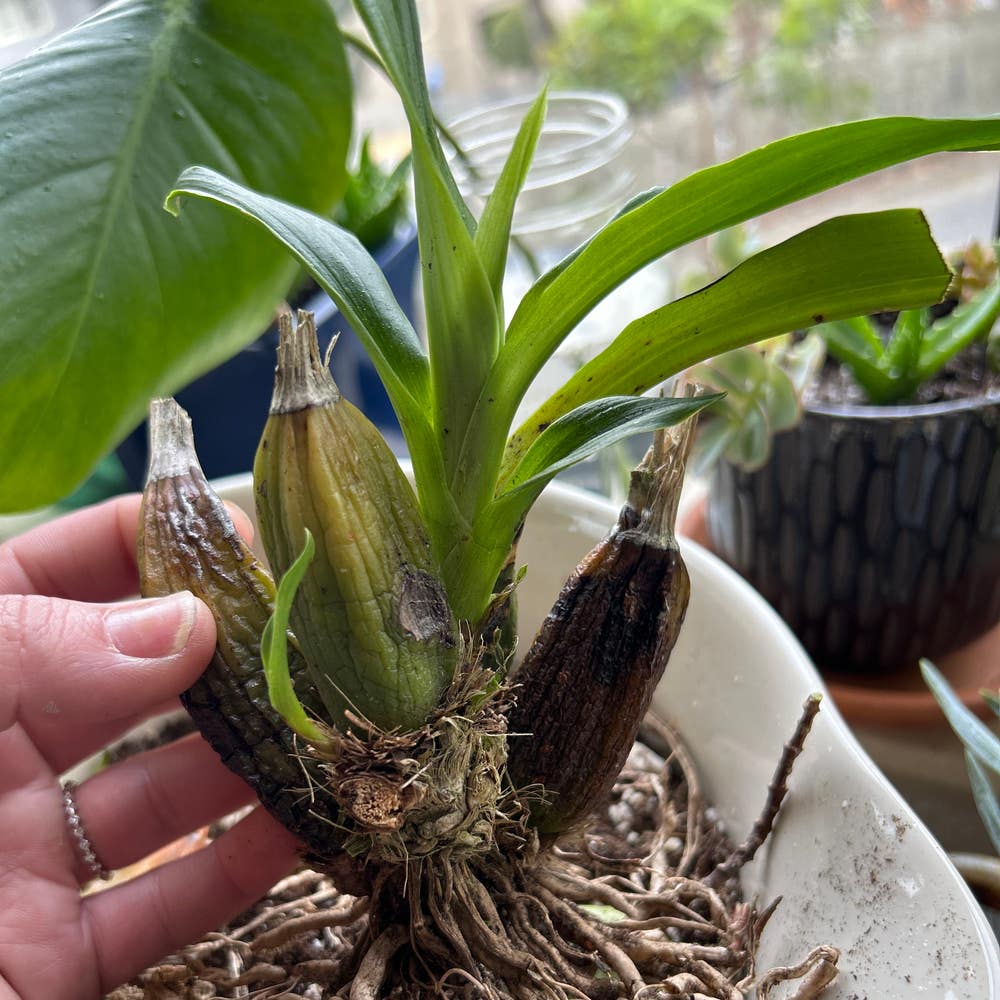
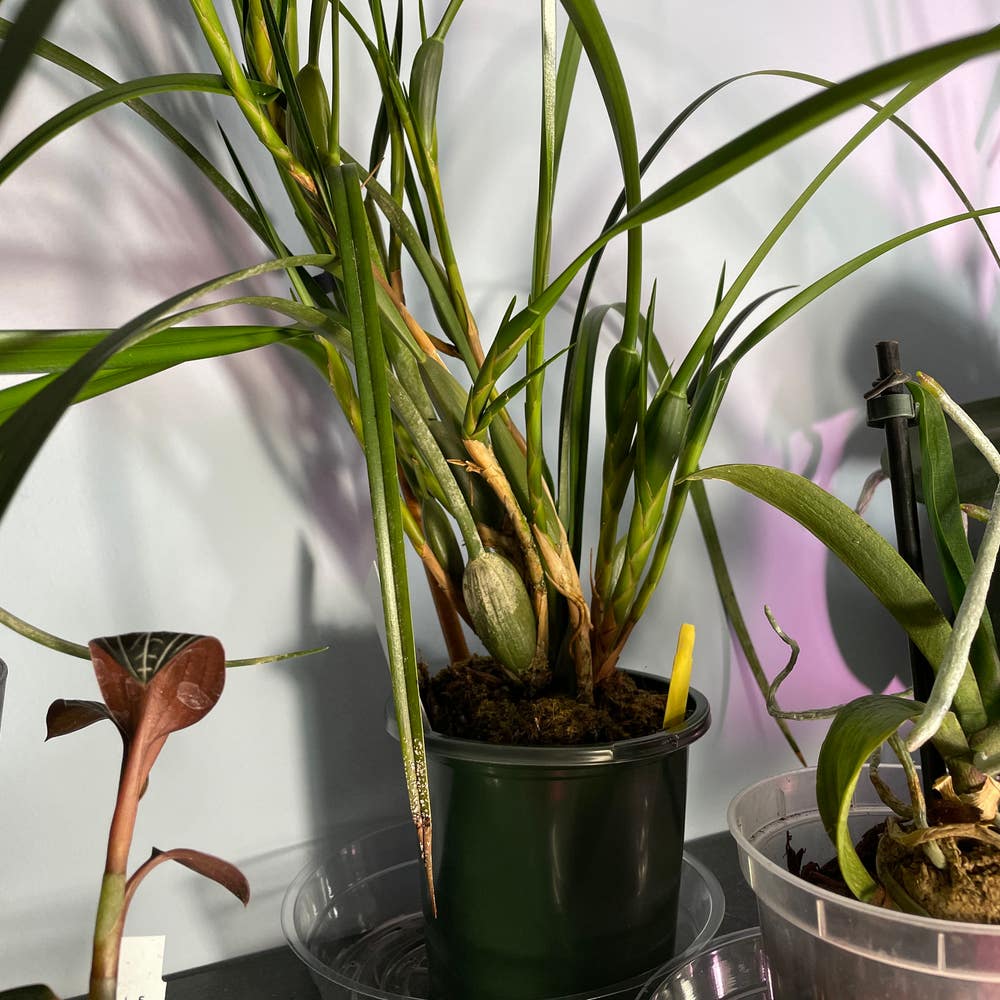
What is a Eulophia ibityensis? Complete Guide 🌸
Eulophia ibityensis
By the Greg Editorial Team
Feb 27, 2025•12 min read
This article was created with the help of AI so we can cover more plants for you. May contain errors. See one? Report it here.
Unlock the beauty of Eulophia ibityensis 🌼 with easy care tips that ensure a thriving garden oasis! 🌱
- 🌞 Eulophia ibityensis needs 4-6 hours of sunlight for optimal growth.
- 🌱 Ideal conditions include 20-30°C temperatures and 60% humidity for thriving plants.
- 🌿 Well-draining sandy loam soil with pH 6.0-7.0 is essential for healthy growth.
How to Grow
Choosing a Location 🌞
To ensure your Eulophia ibityensis thrives, select a spot that receives full sun to partial shade. Aim for 4-6 hours of direct sunlight daily, and keep in mind that this plant prefers temperatures between 20°C to 30°C (68°F to 86°F) and high humidity levels of 60% or more.
Soil Preparation 🌱
The right soil is crucial for healthy growth. Eulophia ibityensis flourishes in well-draining sandy loam with a slightly acidic to neutral pH of 6.0 to 7.0. Enrich the soil with organic matter, and consider adding compost to boost nutrient content.
Planting Techniques 🌿
When planting, space your Eulophia ibityensis rhizomes 30-45 cm (12-18 inches) apart to allow for optimal air circulation. Plant them at a depth of 5-10 cm (2-4 inches) to encourage robust growth.
Watering Requirements 💧
Keep the soil consistently moist but not waterlogged. Water regularly, using drip irrigation or watering at the base to prevent wetting the foliage, which can lead to disease.
Fertilizing Schedule 🌼
For best results, use a balanced NPK fertilizer (10-10-10). Fertilize every 4-6 weeks during the growing season to provide essential nutrients for growth.
Pruning Practices ✂️
Pruning is essential for encouraging new growth. Trim back dead or damaged leaves and spent flower spikes after flowering to keep your plant healthy and vibrant.
Ongoing Care 🔍
Regularly monitor your plant for signs of stress or nutrient deficiencies. Adjust your watering and fertilization practices based on seasonal changes to ensure your Eulophia ibityensis remains healthy throughout the year.
With these tips, you’ll be well on your way to cultivating a thriving Eulophia ibityensis. Next, let’s explore how to propagate this beautiful plant effectively.
Propagation
🌱 Seed Propagation
To propagate Eulophia ibityensis from seeds, start by soaking them for 24 hours before planting. This simple step helps kickstart the germination process, which thrives in high humidity and temperatures around 25°C (77°F).
✂️ Division of Rhizomes
Another effective method is dividing the rhizomes, ideally done in early spring before new growth begins. Carefully separate the rhizomes, ensuring they have healthy roots, and replant them immediately to encourage robust growth.
Propagation is a rewarding way to expand your collection of Eulophia ibityensis. With the right techniques, you can enjoy the beauty of these plants in multiple locations.
Lifecycle
Lifecycle Stages 🌱
The lifecycle of Eulophia ibityensis is a fascinating journey from seed to maturity. It encompasses several stages: germination, seedling development, vegetative growth, flowering, and seed production.
Germination typically takes about 2-4 weeks under optimal conditions. This initial phase is crucial, as it sets the foundation for the plant's future growth.
Overall Lifespan ⏳
With proper care, Eulophia ibityensis can thrive for several years. Its moderate growth rate means it usually reaches maturity in approximately 2-3 years, making it a rewarding addition to any garden.
This plant's resilience and adaptability contribute to its longevity, allowing it to flourish in various environments. As you nurture it, you'll witness its transformation and enjoy its unique beauty for years to come.
Growth Rate 📈
Understanding the growth rate of Eulophia ibityensis is essential for effective care. It grows at a moderate pace, which means patience is key during its early stages.
As it matures, you'll notice its vibrant flowers and lush foliage, rewarding your efforts in cultivation. This plant not only enhances your garden but also provides a sense of accomplishment as you watch it thrive.
In the next section, we will explore the mature dimensions of Eulophia ibityensis, including its height and spread.
Size
Mature Dimensions 🌱
Eulophia ibityensis typically reaches a mature height of 60-90 cm (24-36 inches). Its spread can expand to 30-45 cm (12-18 inches) in width, creating a lovely presence in your garden.
Growth Rate ⏳
This plant has a moderate growth rate, achieving its full size in approximately 2-3 years. With the right care, you can enjoy its beauty relatively quickly.
Size Variability 📏
Keep in mind that growth may vary based on several factors. Soil quality, light exposure, and humidity levels all play a crucial role in determining how robust your Eulophia ibityensis will become.
Conclusion
Understanding the size and growth characteristics of Eulophia ibityensis helps you plan its placement in your garden. Next, let’s explore the fascinating lifecycle of this unique plant.
Roots
🌱 Root System Characteristics
Eulophia ibityensis features a rhizomatous root system, which allows it to thrive in various conditions. The roots can extend between 15-30 cm (6-12 inches) deep, while the rhizomes spread horizontally, forming new growth and enhancing the plant's resilience.
⚠️ Common Root-Related Issues
Root health is crucial for the overall vitality of Eulophia ibityensis. Overwatering can lead to root rot, characterized by mushy roots and wilting leaves. Conversely, if the roots fill the pot, the plant becomes rootbound, showing signs like stunted growth and circling roots.
👀 Visual Cues for Healthy vs. Unhealthy Roots
Identifying root health is straightforward. Healthy roots are firm, white, and spread evenly throughout the soil, indicating a thriving plant. In contrast, unhealthy roots appear dark, mushy, or foul-smelling, signaling potential problems that need addressing.
🛠️ Solutions for Root Problems
To combat root rot, reduce watering and enhance drainage to allow the roots to recover. If your plant is rootbound, it's time to repot it into a larger container filled with fresh soil, giving it the space it needs to flourish.
Understanding the root system of Eulophia ibityensis is essential for successful cultivation. By monitoring root health and addressing issues promptly, you can ensure your plant remains vibrant and healthy. Next, let’s explore the benefits of growing this unique species in your garden.
Benefits
Top 5 Benefits 🌟
Eulophia ibityensis is not just a pretty face; it offers a range of benefits that make it a fantastic addition to any garden.
Unique Aesthetic Appeal: With its stunning orchid-like flowers, this plant adds a touch of elegance and exotic beauty to your landscape.
Attracts Pollinators: Its vibrant blooms draw in bees, butterflies, and other pollinators, enhancing biodiversity and supporting local ecosystems.
Adaptable to Various Soil Types: Eulophia ibityensis thrives in different soil conditions, making it easy for gardeners to cultivate, regardless of their soil type.
Traditional Medicine Uses: In some cultures, this plant is valued for its medicinal properties, showcasing its versatility beyond ornamental purposes.
Contributes to a Tropical Atmosphere: Its lush foliage and vibrant flowers create a tropical vibe, transforming any garden into a serene oasis.
These benefits make Eulophia ibityensis a worthy choice for both novice and experienced gardeners. Its beauty and practicality can elevate your gardening experience while supporting the environment.
As you consider adding this plant to your collection, think about how it can enhance your garden's overall appeal and functionality. Next, let’s explore the best companion plants that can thrive alongside Eulophia ibityensis.
Companion Plants
🌱 Companion Planting Benefits
Companion planting is a fantastic way to enhance garden diversity. It promotes healthy growth through symbiotic relationships, allowing plants to thrive together.
🌿 Compatible Companion Plants
When growing Eulophia ibityensis, consider pairing it with ferns, other orchids, and tropical plants. These companions share similar humidity and light needs, creating a harmonious garden environment.
- Benefits of Companion Plants:
- Deter pests naturally.
- Provide visual harmony and aesthetic appeal.
🚫 Plants to Avoid
While many plants can thrive alongside Eulophia ibityensis, it's best to avoid heavy feeders. Plants like corn or tomatoes may compete for nutrients, hindering the growth of your orchids.
By carefully selecting companion plants, you can create a vibrant and healthy garden that showcases the beauty of Eulophia ibityensis while ensuring its optimal growth.
Next, let’s explore the toxicity of Eulophia ibityensis to humans and pets, ensuring you know how to handle this plant safely.
Toxicity to Humans
Safety Profile 🛡️
Eulophia ibityensis is not listed as toxic by major poison control centers, making it a safe choice for most gardens. You can handle and even ingest small amounts without worry.
Potential Reactions ⚠️
However, be mindful that consuming large quantities may lead to mild skin irritation or digestive discomfort. It's always wise to exercise caution and consult a medical professional if you experience any unusual symptoms.
Handling Tips 👐
When working with this plant, wash your hands afterward to avoid any potential irritation. Keeping the plant out of reach of children is a good practice, just in case curiosity leads to tasting.
Conclusion 🌿
Overall, Eulophia ibityensis offers a unique addition to your garden without significant toxicity concerns. Enjoy its beauty while being aware of your surroundings and any reactions that may arise.
This knowledge sets the stage for understanding how Eulophia ibityensis interacts with pets, particularly dogs. Let's explore its safety profile for our furry friends next.
Toxicity to Dogs
Safety Profile 🐶
Eulophia ibityensis is generally considered safe for dogs. Major pet poison control centers do not list it as toxic, meaning your furry friends can roam around it with minimal risk.
Potential Issues ⚠️
While it's not harmful, excessive consumption may lead to mild gastrointestinal upset. It's always a good idea to keep an eye on your dog, especially if they show unusual interest in the plant.
Proper Placement 🏠
To ensure safety, place the plant out of reach of curious dogs. This simple step can prevent any potential nibbling that might upset their stomach.
Monitoring Behavior 👀
Keep an eye on your dog's behavior around the plant. If you notice any unusual interest or symptoms, consult a veterinarian for peace of mind.
In summary, Eulophia ibityensis poses little risk to dogs, making it a great addition to your garden. Just remember to monitor their interactions with the plant to keep them safe and healthy.
Next, let’s explore how this plant interacts with our feline friends.
Toxicity to Cats
Safety Profile 🐱
Eulophia ibityensis is not listed as toxic by major pet poison control centers. This means it’s generally safe for cats, posing minimal risk of health issues.
Potential Risks ⚠️
While the plant is safe, excessive consumption may lead to mild gastrointestinal upset. It's always wise to keep an eye on your feline friend.
Proper Placement 📍
To ensure safety, place the plant out of reach of curious cats. This simple step can prevent any potential mishaps.
Monitoring Behavior 👀
Keep an eye on your cat's behavior around the plant. If you notice any unusual interest, it's best to intervene.
When to Consult a Veterinarian 🩺
If your cat shows any unusual symptoms after interacting with the plant, consult a veterinarian. It's better to be safe and get professional advice.
In summary, Eulophia ibityensis is a cat-friendly plant, but a little caution goes a long way. Now, let's explore how this plant interacts with dogs.
Problems
🌱 Common Problems
Growing Eulophia ibityensis can be rewarding, but it comes with its share of challenges. Understanding these common problems will help you maintain a healthy plant.
💧 Incorrect Watering
Watering is crucial for your plant's health. Overwatering can lead to root rot, where roots become mushy and start to decay. Conversely, underwatering results in wilting leaves, signaling that your plant is thirsty.
☀️ Incorrect Light Conditions
Light is another vital factor. Insufficient light can cause leggy growth, as the plant stretches towards the sun. On the flip side, too much direct sunlight can scorch the leaves, leading to unsightly brown patches.
🦠 Diseases
Fungal diseases can also pose a threat. Powdery mildew is a common issue that can be treated effectively with fungicides. Regular monitoring will help catch these problems early.
🍃 Leaf Issues
Yellowing leaves often indicate nutrient deficiencies. If you notice this, it may be time to adjust your fertilization schedule to provide the necessary nutrients for your plant's health.
📉 Growth Problems
Stunted growth can be frustrating. If your Eulophia ibityensis isn't thriving, consider repotting or adjusting your care practices. Sometimes, a little change can make a big difference.
By being aware of these potential problems, you can take proactive steps to ensure your Eulophia ibityensis flourishes. Next, let’s explore the pests that might invade your plant and how to manage them effectively.
Bugs
🐛 Potential Pest Issues
Eulophia ibityensis is generally known for its moderate pest resistance, but it can still fall victim to a few common pests. Keeping an eye out for these nuisances can help maintain the health of your plant.
🕷️ Spider Mites
Spider mites are a common issue, identifiable by the fine webbing they leave behind. If you spot these pests, treat your plant with insecticidal soap to eliminate them effectively.
🧼 Mealybugs
Mealybugs can also be a problem, recognizable by their white, cotton-like masses on the plant. To tackle these pests, use alcohol-soaked cotton swabs to remove them directly from the affected areas.
🍃 Aphids
Aphids are another pest to watch for, as they can cause curled leaves. If you notice these signs, neem oil or insecticidal soap can help control their population and protect your Eulophia ibityensis.
🚫 Prevention Tips
To minimize pest issues, maintain good air circulation around your plants and regularly inspect them for any signs of infestation. Early detection is key to keeping your Eulophia ibityensis thriving.
🦸♂️ Transition to Next Section
With a solid understanding of potential pest issues, it's essential to also consider how to protect your plant from common animals that might find it appealing. Let's explore what eats Eulophia ibityensis and how to deter these hungry visitors.
What Eats Eulophia ibityensis
🦌 Common Animals
Eulophia ibityensis can attract a variety of hungry critters. Deer, rabbits, and squirrels are known to nibble on its foliage, leaving behind telltale signs of their feasting.
🔍 Signs of Damage
Look for chewed leaves, droppings, and tracks around your plant. These indicators can help you identify which animal is causing the damage.
🚫 Deterrent Methods
To protect your Eulophia ibityensis, consider using commercial repellents. Alternatively, planting strong-smelling herbs nearby can deter these munching marauders.
🛡️ Keeping Your Plant Safe
Regularly monitoring your plant for signs of animal activity is crucial. By staying vigilant, you can take proactive measures to ensure your plant thrives without unwanted visitors.
This wraps up our discussion on potential threats to Eulophia ibityensis. Next, we’ll explore common problems that can affect its growth and health.
⚠️ Safety First
This content is for general information and may contain errors, omissions, or outdated details. It is not medical, veterinary advice, or an endorsement of therapeutic claims.
Always consult a qualified healthcare professional before using any plant as food, medicine, or supplement.
Never eat any plant (or feed one to pets) without confirming its identity with at least two trusted sources.
If you suspect poisoning, call Poison Control (800) 222-1222, the Pet Poison Helpline (800) 213-6680, or your local emergency service immediately.
Spotted an error? Please report it here.
Eulophia ibityensis can be a showstopper 🌼 in your garden, and with Greg's custom watering plans and care reminders, you'll have everything you need to help it thrive!