🌸 Everything You Need to Know About Eulophia huttonii
Eulophia huttonii
By the Greg Editorial Team
Feb 27, 2025•10 min read
This article was created with the help of AI so we can cover more plants for you. May contain errors. See one? Report it here.
- 🌞 Eulophia huttonii thrives in semi-shade to sunny spots, mimicking its native habitat.
- 🌱 Well-drained, slightly acidic soil is crucial to prevent root rot and ensure growth.
- 🐝 Attracts pollinators like bees and butterflies, enhancing your garden's ecosystem.
How to Grow Eulophia huttonii
Choosing a Location 🌞
Eulophia huttonii thrives in semi-shaded to sunny locations. This orchid appreciates moderate temperatures typical of southern Africa, making it ideal for gardens that mimic these conditions.
Soil Preparation 🏜️
For optimal growth, Eulophia huttonii requires well-drained soils. Aim for a slightly acidic to neutral pH, ideally between 6.0 and 7.0, to prevent root rot and promote healthy development.
Planting Techniques 🌱
When planting, ensure the tubers are placed 2-3 inches deep in the soil. Space them 12-18 inches apart to allow ample room for growth and airflow.
Watering Requirements 🚰
Water your Eulophia huttonii regularly, but allow the soil to dry out between watering sessions. Focus on watering at the base of the plant to avoid leaf rot and maintain healthy foliage.
Fertilizing Schedule 🍽️
Use a balanced NPK fertilizer, such as 10-10-10, to nourish your plants. Fertilize every 4-6 weeks during the growing season for optimal growth and flowering.
Pruning and Ongoing Care ✂️
In early spring, remove any dead leaves to encourage new growth. Regularly check for pests and diseases to keep your Eulophia huttonii healthy and vibrant.
With these straightforward care tips, you’ll be well on your way to cultivating a thriving Eulophia huttonii in your garden. Next, let’s explore how to propagate this beautiful plant for even more blooms!
Propagation
🌱 Seed Propagation
To propagate Eulophia huttonii from seeds, start by soaking the seeds for 24 hours before planting. This simple step helps kickstart the germination process, which thrives in a warm, humid environment for about 2-4 weeks.
🔄 Division of Tubers
Dividing tubers is another effective propagation method, best performed in early spring or fall. Carefully separate the tubers and replant them immediately to ensure they establish well in their new locations.
This propagation knowledge sets the stage for understanding the lifecycle of Eulophia huttonii, where we will explore the stages from germination to maturity.
Lifecycle
Germination Process and Seedling Stage 🌱
Eulophia huttonii seeds typically germinate within 2-4 weeks under optimal conditions. During this time, it's crucial to keep the soil moist and provide indirect light to encourage healthy growth.
Vegetative Growth and Flowering 🌸
Once established, the growth rate of Eulophia huttonii is moderate. Expect to see beautiful flowers emerge in late spring to early summer, with the flowering period lasting several weeks.
Growth Timeline ⏳
This plant takes approximately 2-3 years to reach full maturity. Growth rates can vary seasonally, influenced by environmental factors such as temperature and moisture levels.
As you nurture your Eulophia huttonii through its lifecycle, you'll witness its transformation from seedling to a mature plant, bringing beauty and vibrancy to your garden. Next, let's explore the size characteristics of this remarkable species.
Size
🌱 Mature Height and Spread
Eulophia huttonii typically reaches a mature height of 12 to 24 inches. Its spread can range from 12 to 18 inches, making it a compact yet visually striking addition to your garden.
📏 Growth Rate and Size Variability
This plant exhibits a moderate growth rate, which can be influenced by various environmental conditions. Factors such as soil quality and care practices can lead to variability in size, so providing optimal conditions is key to achieving its full potential.
In summary, understanding the size characteristics of Eulophia huttonii helps in planning your garden layout effectively. Next, let's explore how to propagate this beautiful plant for even more blooms in your garden.
Roots
Characteristics of the Root System 🌱
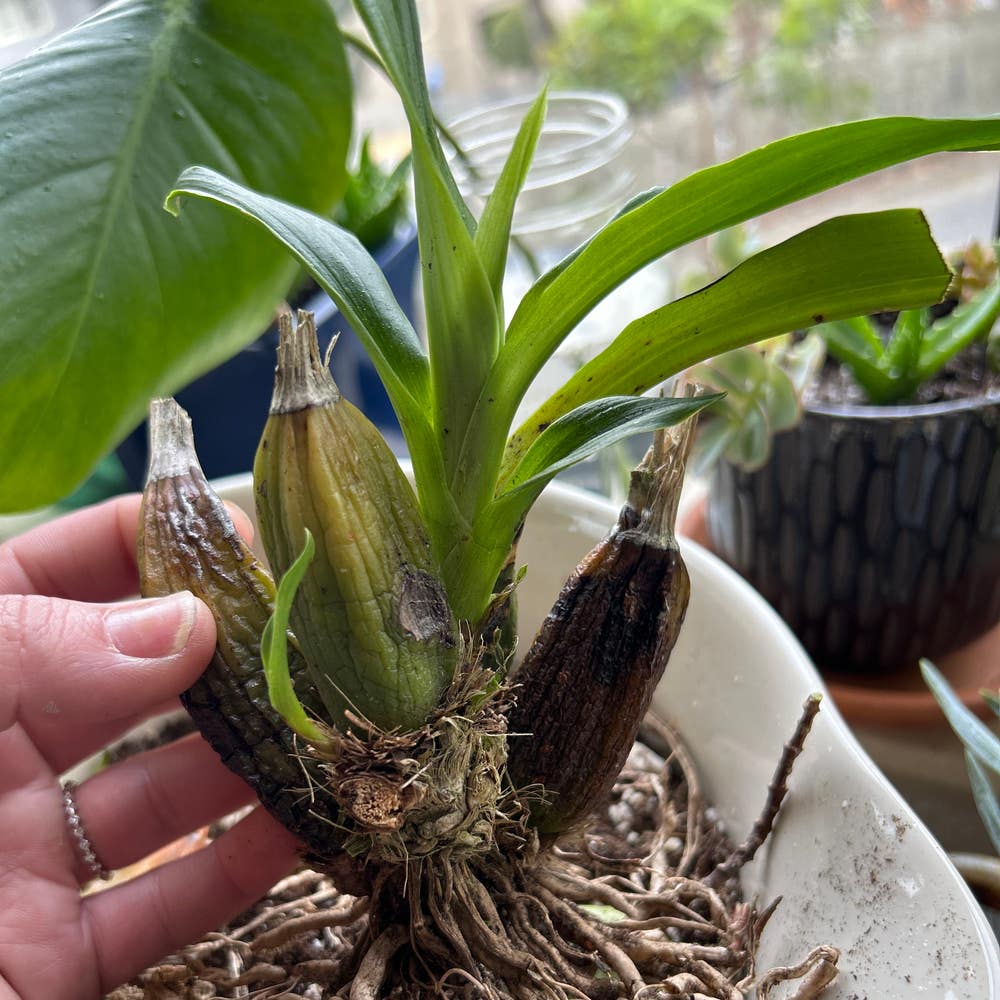
Eulophia huttonii features a tuberous root system that is both fascinating and functional. These roots can extend 6-12 inches deep, spreading horizontally to provide stability and support for the plant.
Common Root-Related Issues ⚠️
Despite their resilience, Eulophia huttonii can face root-related challenges. Root rot, often a result of overwatering, leads to mushy roots, while being rootbound occurs when the roots fill the pot, causing stunted growth.
Solutions for Root Problems 💪
To combat root rot, reduce watering frequency and enhance drainage to keep the roots healthy. If your plant becomes rootbound, simply repot it into a larger container to give those roots room to thrive.
Understanding the root system and its potential issues is crucial for maintaining a healthy Eulophia huttonii. With the right care, you can ensure your plant flourishes beautifully. Next, let’s explore the many benefits of growing this remarkable orchid.
Benefits
🌵 Top 5 Benefits of Growing Eulophia huttonii
1. Drought Tolerance
Eulophia huttonii is a champion when it comes to drought tolerance. This makes it an excellent choice for xeriscaping and low-water gardens, allowing you to conserve water while still enjoying a vibrant landscape.
2. Unique Aesthetic
The striking flowers of Eulophia huttonii add a unique touch to any garden. Their beauty can elevate your outdoor space, making it a focal point that draws admiration from visitors.
3. Attracts Pollinators
These flowers are not just pretty; they also attract essential pollinators like bees and butterflies. By planting Eulophia huttonii, you're contributing to the health of local ecosystems and supporting biodiversity.
4. Cultural Significance
In some cultures, Eulophia huttonii holds traditional medicinal value. Growing this plant can connect you to cultural practices and histories, enriching your gardening experience.
5. Low Maintenance
Once established, Eulophia huttonii requires minimal care. This makes it perfect for busy gardeners or those new to plant care, allowing you to enjoy its beauty without a lot of effort.
Incorporating Eulophia huttonii into your garden not only enhances its beauty but also supports the environment and requires little upkeep. Next, let’s explore how to propagate this remarkable plant for even more gardening success.
Companion Plants
👫 Explanation of Companion Planting
Companion planting is a gardening strategy that enhances plant health and diversity. By pairing compatible plants, you can improve pest management and create a more resilient garden ecosystem.
🌱 List of Compatible Companion Plants
Eulophia huttonii thrives alongside other drought-tolerant plants. Consider planting it with succulents or certain grasses, as they share similar care requirements and can help repel pests.
🚫 Plants to Avoid Near Eulophia huttonii
It's best to steer clear of heavy feeders that demand constant moisture. Vegetables like tomatoes or peppers can compete for resources and may not thrive in the same space as Eulophia huttonii.
By choosing the right companions, you can create a harmonious garden that supports the growth of Eulophia huttonii while minimizing potential issues. This thoughtful approach not only enhances your garden's beauty but also fosters a healthier growing environment.
Toxicity to Humans
🛡️ Safety of Eulophia huttonii Around Humans
Eulophia huttonii is not classified as toxic by major poison control centers. This means you can enjoy its beauty without worrying about severe health risks.
However, minor issues can arise. Some individuals may experience mild skin irritation or digestive discomfort if they consume it in large quantities.
It's always wise to exercise caution. If you notice any unusual symptoms after contact or ingestion, seeking medical advice is the best course of action.
With this knowledge, you can appreciate Eulophia huttonii in your garden while ensuring safety for yourself and your loved ones.
As we explore further, let's dive into how this plant interacts with our furry friends.
Toxicity to Dogs
Safety of Eulophia huttonii Around Dogs 🐶
Eulophia huttonii is not toxic to dogs, according to major pet poison control centers. This means you can enjoy this beautiful plant without worrying about your furry friends getting sick.
However, if a dog consumes a large amount, it may experience mild gastrointestinal upset. To keep your dog safe, it's wise to keep the plant out of reach and monitor their behavior around it.
Tips for Dog Owners 🐾
- Placement: Position Eulophia huttonii in areas where dogs can't easily access them.
- Observation: Keep an eye on your dog's interactions with the plant, especially if they are curious.
By taking these simple precautions, you can enjoy the beauty of Eulophia huttonii while ensuring your dog's safety. Next, let’s explore how this plant interacts with cats and their safety around it.
Toxicity to Cats
Safety of Eulophia huttonii Around Cats 🐱
Eulophia huttonii is not considered toxic to cats, according to major pet poison control centers. This means you can enjoy this beautiful plant without worrying about your feline friends getting harmed.
However, it's important to note that excessive consumption might lead to mild gastrointestinal upset. To keep your curious cats safe, consider placing the plant in elevated spots or out of their reach.
Monitoring their behavior around the plant is also a good practice. If you notice any unusual symptoms after contact or ingestion, seeking veterinary advice is always a wise choice.
With these precautions, you can cultivate Eulophia huttonii in your home while ensuring your cats remain happy and healthy.
Next, let’s explore the common problems you might face when growing this resilient plant.
Problems
Common Problems Faced When Growing Eulophia huttonii 🌱
Growing Eulophia huttonii can be rewarding, but it's essential to watch for common issues. Incorrect watering is a frequent culprit, leading to yellowing leaves from overwatering or wilting from underwatering.
Light conditions also play a crucial role. If your plant exhibits leggy growth or scorched leaves, it may not be receiving the right amount of sunlight.
Temperature stress can manifest as drooping or leaf drop, indicating that your plant is unhappy with its environment. Additionally, fungal diseases like powdery mildew and black rot can threaten your plant's health.
Lastly, keep an eye on leaf issues, which may present as scorching, yellowing, or fuzzy growth.
Identification and Solutions for Each Issue 🕵️♂️
Identifying these problems early can save your Eulophia huttonii. For overwatering, reduce the frequency and improve drainage to prevent root rot.
If your plant is underwatered, increase watering frequency and regularly check soil moisture. Adjusting the plant's location can resolve light issues, ensuring it gets optimal exposure.
For fungal diseases, applying fungicides and improving air circulation can help combat the problem. If you notice leaf problems, prune affected leaves and adjust your care practices accordingly.
By staying vigilant and proactive, you can keep your Eulophia huttonii thriving and beautiful. Next, let’s explore the potential pest issues that may arise while caring for this stunning plant.
Bugs
🐜 Potential Pest Issues Specific to Eulophia huttonii
Eulophia huttonii is generally a resilient plant, but it can still fall prey to certain pests. Keeping an eye out for these invaders is crucial for maintaining the health of your orchids.
🔍 Identification and Treatment Options for Each Pest
Spider Mites
Look for webbing and stippled leaves, which are telltale signs of spider mites. Treat these pests with insecticidal soap to eliminate them effectively.
Scale Insects
Scale insects leave behind sticky residue and have hard shells. You can remove them manually or apply horticultural oil for a more thorough treatment.
Mealybugs
These pests appear as cotton-like masses on leaves. A simple solution is to use alcohol-soaked cotton swabs to wipe them away.
Aphids
Aphids are small green insects that can quickly multiply. Control them using neem oil or insecticidal soap to keep your Eulophia huttonii thriving.
By being vigilant and proactive, you can protect your Eulophia huttonii from these common pests. Next, let’s explore what animals might be tempted to munch on your beautiful orchids.
What Eats Eulophia huttonii
🦌 Common Animals That May Damage Eulophia huttonii
Eulophia huttonii can attract various garden pests.
- Deer: Look for chewed leaves and broken stems as signs of their presence.
- Rabbits: They often nibble on the lower leaves, leaving noticeable bite marks.
- Squirrels: These critters can cause damage to the tubers and roots, which can affect the plant's health.
- Birds: You might notice pecks on flowers and leaves, indicating birds are taking a taste.
- Rodents: Signs of burrowing and nibbling on roots can signal rodent activity.
🚫 Deterrent Methods
Protecting your Eulophia huttonii from these hungry visitors is essential for its health.
- Chemical methods: Consider using repellents or sprays specifically designed for garden pests to keep them at bay.
- Organic methods: Employ barriers like fencing or netting, and consider companion planting to create a more resilient garden environment.
By implementing these strategies, you can help ensure your Eulophia huttonii thrives without unwanted munching. Next, let’s explore the common problems you might face when growing this beautiful plant.
⚠️ Safety First
This content is for general information and may contain errors, omissions, or outdated details. It is not medical, veterinary advice, or an endorsement of therapeutic claims.
Always consult a qualified healthcare professional before using any plant as food, medicine, or supplement.
Never eat any plant (or feed one to pets) without confirming its identity with at least two trusted sources.
If you suspect poisoning, call Poison Control (800) 222-1222, the Pet Poison Helpline (800) 213-6680, or your local emergency service immediately.
Spotted an error? Please report it here.
Grow a thriving Eulophia huttonii 🌼 with Greg's tailored care reminders and expert tips to ensure your garden flourishes beautifully!