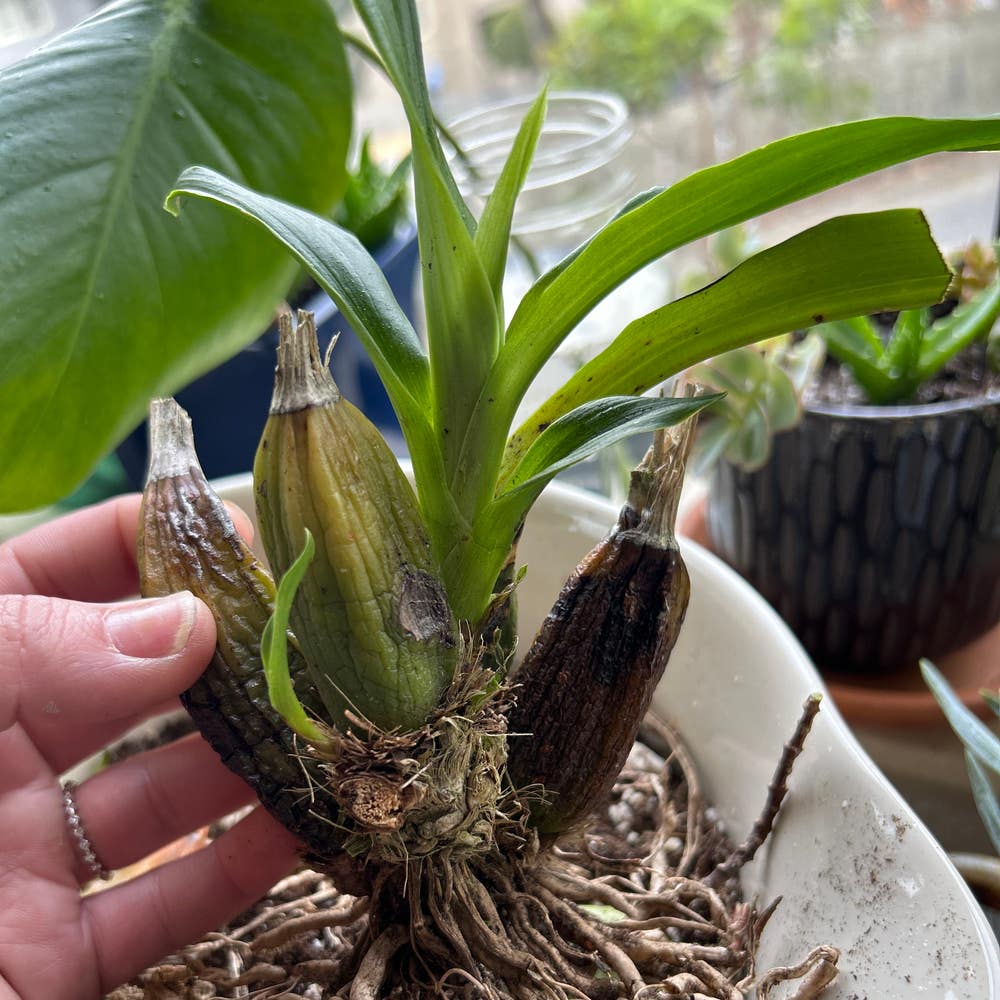
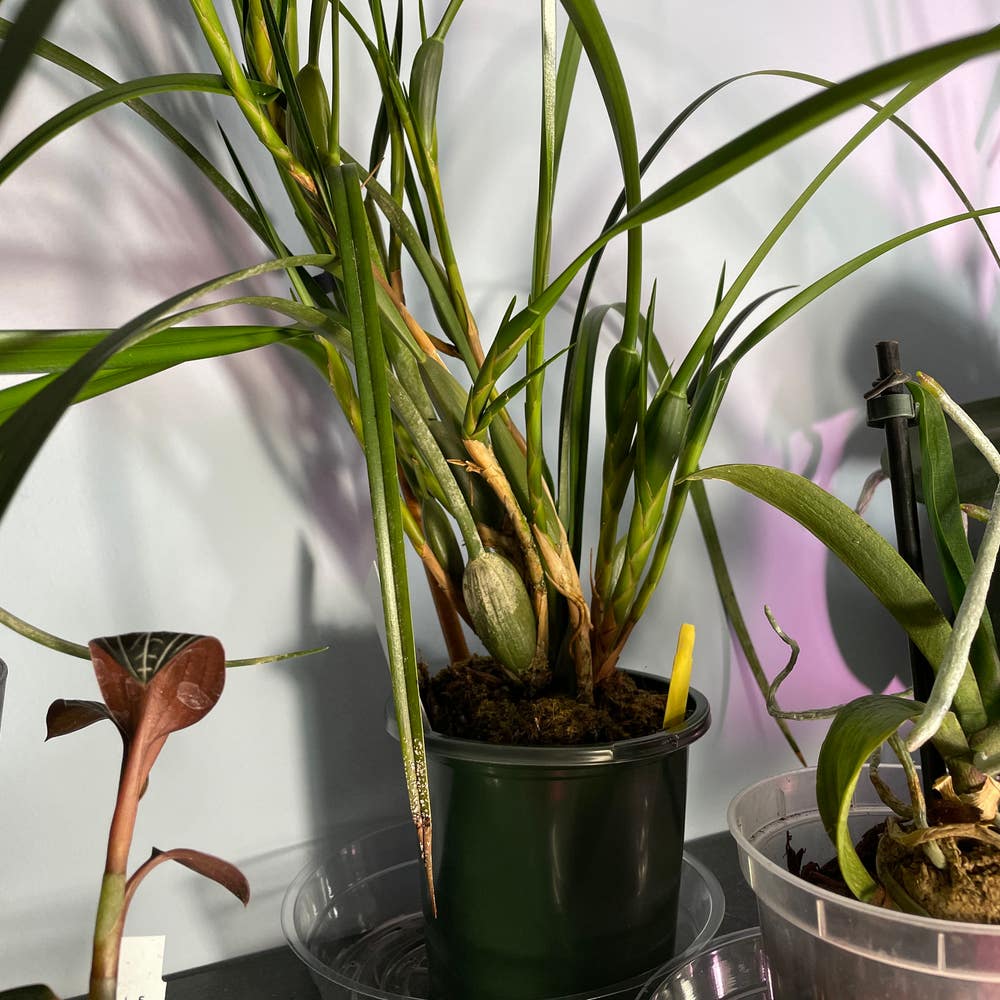
🌸 All About Eulophia hians var. hians: Essential Facts
Eulophia hians var. hians
By the Greg Editorial Team
Feb 27, 2025•10 min read
This article was created with the help of AI so we can cover more plants for you. May contain errors. See one? Report it here.
Elevate your garden's beauty 🌼 with Eulophia hians, a resilient plant that thrives with simple care! 🌱
- 🌞 Eulophia hians thrives in full sun but tolerates partial shade for versatile gardening.
- 🌱 Well-draining, organic-rich soil with pH 6.0-7.0 is crucial for healthy growth.
- 💧 Water weekly and apply balanced fertilizer every 4-6 weeks during the growing season.
How to Grow
🌞 Choosing the Right Location
When growing Eulophia hians var. hians, selecting the right location is crucial. This plant thrives in full sun but can tolerate partial shade, making it versatile for various garden settings.
Temperature also plays a significant role in its growth. Ideally, Eulophia hians prefers a temperature range between 60°F and 80°F (15°C to 27°C) for optimal development.
🌱 Soil Preparation
Soil quality is vital for the health of Eulophia hians. Aim for well-draining soil rich in organic matter to promote robust growth.
The optimal soil pH for this plant lies between 6.0 and 7.0. Proper drainage is essential to prevent root rot and ensure healthy root systems.
🌿 Planting Techniques
When planting Eulophia hians, the depth of planting matters. Rhizomes should be planted about 2 to 3 inches deep to encourage strong root establishment.
Spacing is equally important. Aim for a distance of 12 to 18 inches between plants to allow for adequate air circulation and growth.
💧 Watering Requirements
Watering frequency depends on environmental conditions. Generally, Eulophia hians requires watering once a week, but this may increase during hotter months.
For best moisture retention, water at the base of the plant rather than overhead. This method helps prevent fungal diseases and keeps the foliage dry.
🌼 Fertilizing Schedule
Choosing the right fertilizer can significantly impact growth. A balanced fertilizer with an NPK ratio of 10-10-10 is recommended for Eulophia hians.
Timing your fertilization is also key. Apply fertilizer every 4 to 6 weeks during the growing season to support healthy development and flowering.
With these guidelines, you can create an ideal environment for Eulophia hians to flourish. Next, let’s explore how to propagate this stunning plant effectively.
Propagation
🌱 Seed Propagation
Germinating seeds of Eulophia hians var. hians can be a rewarding challenge. Start by soaking the seeds in water for 24 hours to enhance germination.
Next, prepare a seed-starting mix that retains moisture but drains well. Plant the seeds about 1/4 inch deep and keep the soil consistently moist.
Optimal Conditions for Germination
For successful germination, maintain a temperature between 70°F and 80°F. High humidity is also crucial, so consider using a humidity dome or plastic wrap to create a mini-greenhouse effect.
✂️ Division of Rhizomes
Dividing rhizomes is an easy way to propagate Eulophia hians var. hians. The best time to divide is during the plant's dormant season, typically in late winter or early spring.
Technique for Dividing Rhizomes
- Carefully dig up the rhizomes, ensuring minimal damage.
- Use a clean, sharp knife to cut the rhizomes into sections, each with at least one growing bud.
- Replant the sections immediately in well-draining soil, spacing them appropriately.
This method not only increases your plant collection but also promotes healthier growth by reducing overcrowding.
With these propagation techniques, you can enjoy a thriving garden of Eulophia hians var. hians. Next, let’s explore the lifecycle of this fascinating plant.
Lifecycle
Germination Process and Timeline 🌱
Germination for Eulophia hians var. hians typically takes about 2 to 4 weeks. During this time, the seeds absorb moisture and begin to sprout, marking the start of their life cycle.
Seedling Stage Characteristics 🌿
Healthy seedlings are characterized by vibrant green leaves and sturdy stems. Look for seedlings that are upright and free from discoloration, as these traits indicate strong growth.
Vegetative Growth Phase 🌳
In the vegetative growth phase, the plant focuses on developing its foliage and root system. This stage is crucial for establishing a solid foundation before flowering begins.
Flowering Period and Seed Production 🌸
Expect blooms to appear approximately 6 to 12 months after planting, depending on environmental conditions. Once flowering occurs, the plant will produce seeds, completing its reproductive cycle.
Lifespan and Growth Rate Specifics ⏳
Eulophia hians var. hians can take about 2 to 3 years to reach full maturity. Under ideal conditions, you can expect a steady growth rate that reflects its resilience and adaptability.
This lifecycle overview highlights the essential stages of growth, ensuring you can nurture your Eulophia hians var. hians effectively. Next, we'll explore the plant's size and how it can fit into your garden design.
Size
Mature Height and Spread 🌱
Eulophia hians var. hians typically reaches an average mature height of about 18 to 24 inches. When fully grown, these plants can spread up to 12 inches wide, creating a lovely, bushy appearance in your garden.
Growth Rate and Time to Reach Full Size ⏳
Under ideal conditions, you can expect Eulophia hians to reach its full size within 2 to 3 years. This relatively quick growth makes it a rewarding addition to any landscape.
Size Variability Based on Growing Conditions 🌍
The size of Eulophia hians can vary significantly based on several factors. Key influences include light availability, soil type, and water supply, all of which can affect both height and spread.
Understanding these variables will help you optimize growth and ensure your plants thrive. As you cultivate Eulophia hians, keep an eye on these conditions to achieve the best results.
With the right care, you’ll enjoy a vibrant display of this unique plant in your garden. Next, let’s explore the numerous benefits Eulophia hians brings to your outdoor space.
Benefits
Aesthetic Appeal in Gardens 🌺
Eulophia hians var. hians brings a stunning visual element to any garden. Its unique structure and vibrant flowers create a captivating focal point that can elevate the overall design.
Attracts Pollinators and Supports Biodiversity 🐝
This plant is a magnet for pollinators like bees and butterflies. By incorporating it into your garden, you contribute to a healthier ecosystem and support local biodiversity.
Cultural Significance in Traditional Medicine 🌿
Eulophia hians has a rich history in traditional medicine. Many cultures utilize its properties for various health benefits, making it not just a beautiful addition but also a plant of cultural importance.
Adaptability to Various Soil Types 🌍
One of the standout features of Eulophia hians is its adaptability. It thrives in different soil types, making it a versatile Eulophia hians var. hians varying soil conditions.
Unique Flowering Spikes Enhance Garden Diversity 🌈
The plant's distinctive flowering spikes add a unique touch to garden landscapes. Their unusual shape and color can complement other plants, enhancing the overall diversity and appeal of your garden.
Incorporating Eulophia hians into your garden not only beautifies your space but also supports the environment and cultural practices. Next, let's explore the fascinating world of companion plants that can enhance your gardening experience even further.
Companion Plants
🌱 Explanation of Companion Planting and Its Benefits
Companion planting is a gardening strategy that involves growing different plants together for mutual benefits. This technique enhances pest management and promotes growth, creating a thriving garden ecosystem.
By pairing compatible plants, you can naturally deter pests and improve nutrient uptake. This not only leads to healthier plants but also reduces the need for chemical interventions.
🌼 List of Compatible Companion Plants
- Marigolds: These vibrant flowers are known for their pest-repellent properties, making them excellent companions for Eulophia hians var. hians.
- Basil: This aromatic herb not only shares similar care needs but also helps repel harmful insects, promoting a healthier garden.
- Nasturtiums: With their striking blooms, nasturtiums add visual appeal while attracting beneficial insects that support pollination.
🚫 Plants to Avoid
Certain plants can hinder the growth of Eulophia hians var. hians. Avoid planting near species that compete for nutrients or attract pests, such as nightshades. These plants can create an imbalance, leading to stunted growth or increased vulnerability to diseaseEulophia hians var. hians companions and avoiding detrimental plants, you can create a flourishing environment for your Eulophia hians var. hians. This thoughtful approach not only enhances your garden's beauty but also its overall health and productivity.
Problems
Common Problems Faced 🌱
Growing Eulophia hians var. hians can be rewarding, but it's not without its challenges. Understanding common problems can help you keep your plants thriving.
Incorrect Watering 🚰
Watering is crucial for plant health. Overwatering can lead to root rot, evident by yellowing leaves and a mushy root system, while underwatering results in wilting anplant, crispy leaves.
Incorrect Light Conditions 💡
Light plays a significant role in growth. Insufficient light can cause leggy growth, where the plant stretches toward the light source, resulting in weak stems and sparse foliage.
Incorrect Temperature 🌡️
Temperature extremes can stress your plants. High temperatures may cause wilting and leaf drop, while cold snaps can lead to stunted growth or even death.
Diseases 🦠
Fungal diseases can pose a serious threat. Powdery mildew appears as a white, powdery coating on leaves, while rust manifests as orange or brown spots, both of which can hinder plant health.
Growth Problems 📉
Identifying growth issues early is key. Leggy growth often indicates inadequate light, while a lack of flowering may signal nutrient deficiencies or improper care.
By recognizing these common problems, you can take proactive stepplantensure your Eulophia hians var. hians remains healthy and vibrant. Next, let’s explore how to effectively manage pests that may threaten your plant's well-being.
Bugs
🐛 Potential Pest Issues
Eulophia hians var. hians is relatively resilient but not entirely immune to pests. Understanding its vulnerabilities can help you maintain a healthy plant.
🔍 Identification and DaplantCaused by Common Pests
Aphids
Aphids are small, soft-bodied insects that cluster on new growth. They suck sap from the plant, leading to yellowing leaves and stunted growth.
Spider Mites
These tiny pests are often hard to see but leave behind fine webbing on the plant. They cause leaf discoloration and can lead to premature leaf drop.
Mealybugs
Mealybugs appear as white, cottony masses on stems and leaves. They also feed on sap, resulting in wilting and a sticky residue that can attract other pests.
🛠️ Effective Treatment Options
For aphids, a strong blast of water can dislodge them, or you can use insecticidal soap for a more targeted approach.
Spider mites can be treated with neem oil or by increasing humidity around the plant, which makes the environment less hospitable for them.
Mealybugs can be tackled with a cotton swab dipped in alcohol to remove them directly or by applying systemic insecticides for severe infestations.
By staying vigilant and addressing these pest issues promptly, you can ensure your Eulophia hians var. hians thrives beautifully. Next, let’s explore what animals might pose a threat to your plant.
What Eats
🐾 Common Animals That May Damage
Eulophia hians var. hians can attract a few common garden pests.
Deer are notorious for munching on tender shoots and leaves. Look for signs like chewed foliage and hoof prints around your plants.
Rabbits can also be a problem, especially in spring. They leave behind small droppings and often nibble on the lower parts of the plant, creating a ragged appearance.
🚫 Deterrent Methods
To protect your plants, consider both chemical and organic control methods.
Chemical control methods include commercial repellents that deter deer and rabbits. These sprays often contain scents that are unappealing to these animals, making your garden less inviting.
On the other hand, organic control methods can be just as effective. For instance, using barriers like fencing or netting can physically keep animals away. Additionally, planting strong-smelling herbs, such as lavender or rosemary, can help mask the scent of your Eulophia hians, making it less attractive to herbivores.
By understanding what might eat your plants and employing effective deterrents, you can enjoy a thriving garden. Next, let’s explore the common problems faced by Eulophia hians and how to tackle them.
⚠️ Safety First
This content is for general information and may contain errors, omissions, or outdated details. It is not medical, veterinary advice, or an endorsement of therapeutic claims.
Always consult a qualified healthcare professional before using any plant as food, medicine, or supplement.
Never eat any plant (or feed one to pets) without confirming its identity with at least two trusted sources.
If you suspect poisoning, call Poison Control (800) 222-1222, the Pet Poison Helpline (800) 213-6680, or your local emergency service immediately.
Spotted an error? Please report it here.
Eulophia hians var. hians is a stunning and adaptable plant 🌼, and with Greg's customized care reminders, you can cultivate a thriving garden that attracts pollinators and enhances biodiversity!