🌸 Eulophia hereroensis Explained: Key Information
Eulophia hereroensis
By the Greg Editorial Team
Feb 27, 2025•11 min read
This article was created with the help of AI so we can cover more plants for you. May contain errors. See one? Report it here.
Elevate your garden effortlessly with Eulophia hereroensis, a stunning, low-maintenance beauty! 🌼
- 🌞 Eulophia hereroensis thrives in bright, indirect light and warm temperatures (20°C to 30°C).
- 🌱 Use well-drained soil with pH 6.0-7.0 to prevent root rot and promote growth.
- 🐾 Not toxic to pets, but caution advised to avoid mild gastrointestinal upset.
How to Grow
Choosing a Location 🌞
Eulophia hereroensis thrives in bright, indirect light. Aim for a warm climate, ideally between 20°C to 30°C (68°F to 86°F), and maintain moderate humidity for optimal growth.
Soil Preparation 🏜️
For soil, choose a well-drained mix of sandy or rocky components. The ideal pH is slightly acidic to neutral, ranging from 6.0 to 7.0, ensuring good drainage to prevent root rot.
Planting Techniques 🌱
When planting, bury the tubers 2-3 inches deep. Space them 12-18 inches apart to give each plant room to flourish.
Watering Requirements 🚰
Water your Eulophia hereroensis when the top inch of soil feels dry. Always water at the base to keep the foliage dry and healthy.
Fertilizing Schedule 🍽️
Use a balanced orchid fertilizer, such as a 20-20-20 mix. Fertilize every 4-6 weeks during the growing season to promote robust growth.
Pruning and Ongoing Care ✂️
Regularly deadhead spent flowers to encourage new blooms. Keep an eye out for pests and diseases, ensuring your plant remains healthy and vibrant.
Transitioning into the next section, understanding propagation techniques will help you expand your Eulophia hereroensis collection effectively.
Propagation
Seed Propagation 🌱
To propagate Eulophia hereroensis from seeds, start by creating a warm, humid environment. This is crucial for germination, which typically takes about 2-4 weeks.
Division of Tubers 🌿
Dividing tubers is best done in early spring when the plant is ready to grow. Carefully separate the tubers and replant them immediately to ensure they thrive in their new locations.
Propagation is a rewarding process that allows you to expand your collection or share this unique plant with friends. With the right conditions and care, you'll see your Eulophia hereroensis flourish in no time!
Next, let’s explore the lifecycle of this fascinating plant and understand its growth stages.
Lifecycle
Lifecycle Overview 🌱
Eulophia hereroensis goes through several distinct stages during its lifecycle. It begins with seed or cutting, followed by germination, seedling development, vegetative growth, flowering, and ultimately seed production.
Lifespan and Maturity ⏳
This resilient plant can live for several years, making it a long-term addition to your garden. It typically takes about 1-2 years to reach its full size, showcasing its moderate growth rate under optimal conditions.
Growth Rate 📈
Under the right circumstances, Eulophia hereroensis exhibits a steady growth rate. This means with proper care, you can expect to see your plant flourish and thrive, adding beauty to your space.
As you nurture this plant through its lifecycle, you'll witness the fascinating transformation from a tiny seed to a vibrant flowering specimen. This journey not only enhances your gardening skills but also deepens your appreciation for the natural world.
Next, let’s explore the size of Eulophia hereroensis and what to expect as it matures.
Size
Mature Dimensions 🌱
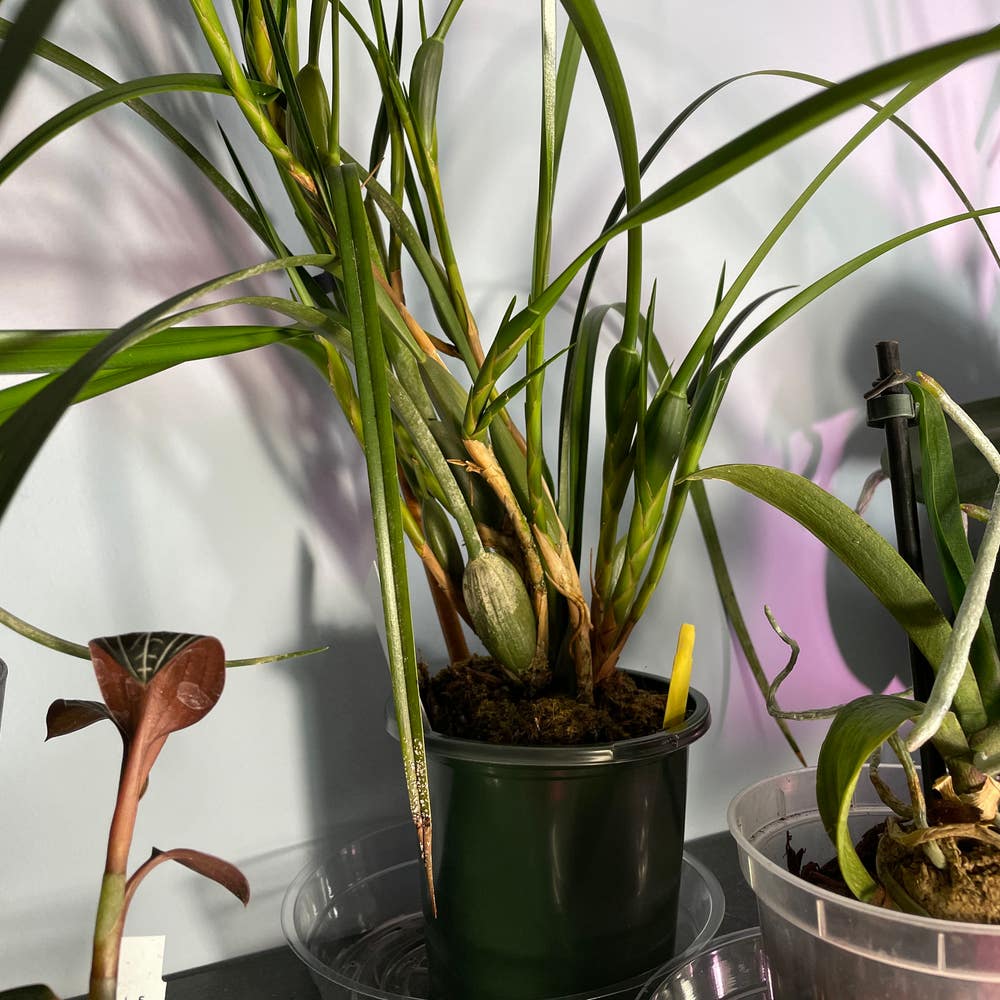
Eulophia hereroensis reaches a mature height of 30-60 cm (12-24 inches) and spreads 30-45 cm (12-18 inches). This compact size makes it an excellent choice for various garden settings.
Growth Rate and Size Variability 📈
The growth rate of Eulophia hereroensis is moderate, largely influenced by the care it receives. Factors such as soil quality and watering practices can lead to variability in size, so providing optimal conditions is key to achieving its full potential.
In summary, understanding the size and growth characteristics of Eulophia hereroensis can help you plan your garden layout effectively. Next, let’s explore the fascinating root system of this unique plant.
Roots
Characteristics of the Root System 🌱
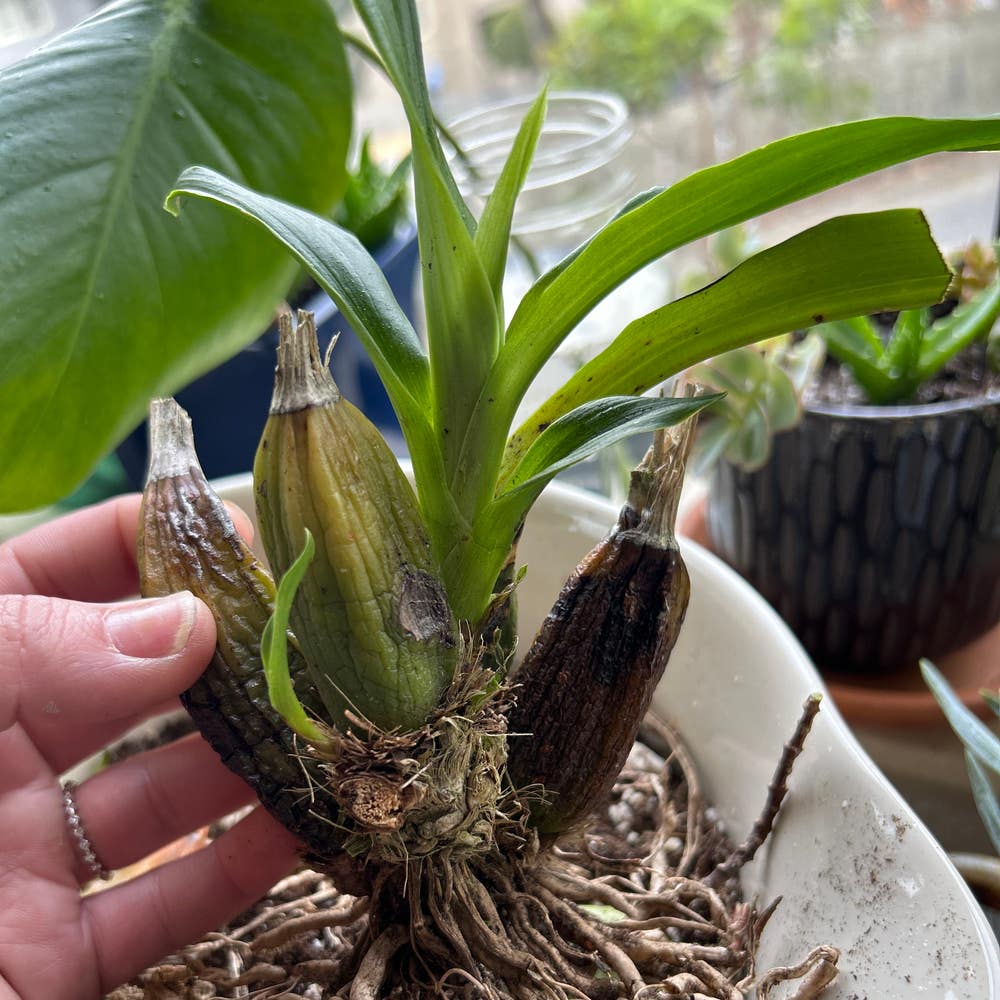
Eulophia hereroensis features a tuberous root system that is essential for its growth. These roots can extend 6-12 inches deep and spread horizontally, providing stability and support.
Common Root-Related Issues ⚠️
Root health is crucial for the plant's overall vitality. Overwatering can lead to root rot, characterized by mushy roots, while rootbound conditions arise when tubers outgrow their containers.
Visual Cues for Healthy vs. Unhealthy Roots 👀
Identifying root health is straightforward. Healthy roots are firm and exhibit a white or light tan color, whereas unhealthy roots appear dark, mushy, or emit a foul smell.
Solutions for Root Problems 🛠️
Preventing root rot starts with ensuring proper drainage and appropriate watering practices. If your plant becomes rootbound, it's time to repot it into a larger container to give those tubers room to thrive.
Understanding the root system of Eulophia hereroensis is vital for successful cultivation. With proper care, you can avoid common issues and enjoy a flourishing plant. Next, let’s explore the benefits this unique species brings to your garden.
Benefits
Top 5 Benefits 🌟
Eulophia hereroensis is not just another plant; it brings a wealth of benefits to your garden and beyond.
Unique and Attractive Flowers
The striking blooms of Eulophia hereroensis can elevate the visual appeal of any garden. Their vibrant colors and unique shapes make them a standout choice for plant enthusiasts.Adaptability to Arid Environments
This plant thrives in dry conditions, making it a low-maintenance option for gardeners. Its resilience means less worry about frequent watering, perfect for those with busy lifestyles.Cultural Significance
Eulophia hereroensis holds a special place in various local traditions and medicinal practices. Its historical uses add a layer of depth to its cultivation.Supports Biodiversity
By attracting pollinators, this plant plays a crucial role in maintaining ecological balance. Its presence can help foster a thriving garden ecosystem.Traditional Herbal Remedies
Beyond its beauty, Eulophia hereroensis can be utilized in herbal medicine. This adds another dimension to its value, appealing to those interested in natural remedies.
Incorporating Eulophia hereroensis into your garden not only enhances its beauty but also contributes to a sustainable and culturally rich gardening experience. Next, let’s explore how to effectively propagate this remarkable plant.
Companion Plants
🌱 Companion Planting
Companion planting is a fantastic way to enhance your garden's diversity while managing pests effectively. By selecting the right plants to grow alongside Eulophia hereroensis, you can create a thriving ecosystem that benefits all your plants.
🤝 Compatible Companion Plants
When it comes to suitable companions, consider other orchids, succulents, and drought-tolerant plants. These plants share similar care needs, making it easier to maintain a harmonious garden environment.
🚫 Plants to Avoid
On the flip side, steer clear of heavy feeders or plants that require constant moisture. These plants can compete for nutrients and water, potentially harming your Eulophia hereroensis.
By choosing the right companions, you can create a vibrant garden that not only looks great but also thrives together. This thoughtful approach to planting will set the stage for a flourishing garden, leading us into the next section on the plant's toxicity to humans.
Toxicity to Humans
Eulophia hereroensis is not listed as toxic, meaning it poses no significant health risks to humans. However, it's always wise to exercise caution with any plant.
While major health issues are unlikely, some individuals may experience mild skin irritation or digestive discomfort if they ingest large quantities.
Always be mindful when handling plants and seek medical advice if you notice any unusual symptoms after contact or ingestion.
Staying informed helps ensure a safe and enjoyable gardening experience!
Toxicity to Dogs
Eulophia hereroensis is not listed as toxic, making it a safe choice for homes with dogs. Major pet poison control centers confirm that this plant poses no significant health risks.
However, if your dog indulges in excessive munching, mild gastrointestinal upset may occur. It's always wise to keep plants out of reach of curious pups to prevent any unwanted snacking.
🐶 Proper Placement
To ensure safety, position your Eulophia hereroensis in areas that are less accessible to your furry friends. This simple precaution can help avoid any potential mishaps.
👀 Monitoring Behavior
Stay vigilant and observe your dog's behavior around the plant. If you notice any unusual interactions, it’s best to consult your veterinarian for peace of mind.
In summary, while Eulophia hereroensis is generally safe for dogs, a little caution goes a long way in ensuring a harmonious home environment.
Toxicity to Cats
Eulophia hereroensis is not listed as toxic to cats, making it a safe choice for feline-friendly homes. According to veterinary organizations, this plant poses no significant health risks to your furry companions.
However, it's worth noting that consuming large quantities may lead to mild gastrointestinal upset. To prevent any mishaps, position your Eulophia hereroensis where your cats cannot easily access it.
🐾 Monitoring Behavior
Keep an eye on your cats for any unusual interest in the plant. If you notice them nibbling or showing excessive curiosity, it might be time to reconsider its placement.
By taking these simple precautions, you can enjoy the beauty of Eulophia hereroensis while ensuring your cats remain safe and sound. Now, let’s explore common problems that can arise when caring for this unique plant.
Problems
🌱 Common Problems
Growing Eulophia hereroensis can be rewarding, but it’s not without its challenges. Understanding the common issues can help you keep your plant thriving.
Incorrect Watering
Watering is crucial, and getting it wrong can lead to problems. Overwatering often shows up as yellowing leaves, while underwatering results in drooping foliage.
Incorrect Light Conditions
Light plays a vital role in plant health. Too much direct sunlight can scorch leaves, whereas too little light can cause etiolation, where the plant stretches for more light.
Diseases
Fungal diseases can be a concern for Eulophia hereroensis. Watch out for powdery mildew and black rot, which can hinder growth and affect overall health.
Root Problems
Root health is essential for stability and nutrient uptake. Look for signs of root rot, characterized by mushy roots, which can be detrimental to your plant's well-being.
🔍 Identification and Solutions
Identifying the problem is the first step toward a solution.
Overwatering
If you suspect overwatering, reduce how often you water and improve drainage. This simple adjustment can make a significant difference.
Underwatering
For underwatering, increase your watering frequency and regularly check the soil moisture. Keeping a consistent schedule will help your plant thrive.
Light Issues
If your plant isn’t getting enough light, consider adjusting its location. Finding the right balance of light exposure is key to healthy growth.
Fungal Diseases
For fungal issues, applying fungicides can help, but don’t forget to improve air circulation around the plant. This will create a less hospitable environment for fungi.
By staying vigilant and addressing these common problems, you can ensure your Eulophia hereroensis remains healthy and vibrant. Next, let’s explore the fascinating world of pests that may affect your plant.
Bugs
🐛 Potential Pest Issues
Eulophia hereroensis is generally pest-resistant, making it a robust choice for gardeners. However, certain pests can still pose a threat, so it's essential to stay vigilant.
🔍 Identification and Treatment Options
🕷️ Spider Mites
Look for fine webbing on the leaves, which is a telltale sign of spider mites. Treat these pests with insecticidal soap to eliminate them effectively.
🐞 Scale Insects
If you notice sticky residue and yellowing leaves, scale insects might be the culprit. You can remove them manually or apply horticultural oil for control.
🧼 Mealybugs
Cotton-like masses on the stems indicate mealybugs. A simple treatment with alcohol or insecticidal soap can help eradicate these pests.
🌱 Aphids
Aphids are small green insects that can cluster on new growth. Control them using neem oil or insecticidal soap to keep your plant healthy.
By keeping an eye out for these common pests and acting quickly, you can ensure your Eulophia hereroensis thrives. Next, let’s explore what animals might be interested in snacking on this beautiful plant.
What Eats Eulophia hereroensis
🦌 Common Animals
Eulophia hereroensis can attract a variety of hungry critters.
- Deer: Look for signs like chewed leaves and broken stems.
- Rabbits: They often nibble on the lower leaves, leaving noticeable bite marks.
- Squirrels: These little diggers may disturb the base of the plant.
- Birds: They can be seen pecking at the flowers or foliage.
- Rodents: Watch for signs of tunneling or nibbling on the tubers.
⚠️ Signs of Damage
Damage from these animals can be quite evident.
Chewed foliage, broken stems, and dug-up roots are all indicators that your plant has been a target.
🛡️ Deterrent Methods
To protect your Eulophia hereroensis, consider various deterrent methods.
- Chemical deterrents: Commercial repellents can be effective in keeping pests at bay.
- Organic methods: Planting deterrent species or using physical barriers can also help safeguard your plants.
By being proactive, you can enjoy the beauty of Eulophia hereroensis without the worry of unwanted munchers.
⚠️ Safety First
This content is for general information and may contain errors, omissions, or outdated details. It is not medical, veterinary advice, or an endorsement of therapeutic claims.
Always consult a qualified healthcare professional before using any plant as food, medicine, or supplement.
Never eat any plant (or feed one to pets) without confirming its identity with at least two trusted sources.
If you suspect poisoning, call Poison Control (800) 222-1222, the Pet Poison Helpline (800) 213-6680, or your local emergency service immediately.
Spotted an error? Please report it here.
Eulophia hereroensis is a gorgeous addition to any garden 🌺, and with Greg's custom watering alerts and care tips, you'll have everything you need to help it thrive effortlessly!