🌼 All About Eulophia galbana: Essential Facts
Eulophia galbana
By the Greg Editorial Team
Feb 27, 2025•11 min read
This article was created with the help of AI so we can cover more plants for you. May contain errors. See one? Report it here.
Elevate your garden with Eulophia galbana's vibrant blooms and drought resilience, a perfect choice for every plant enthusiast! 🌱
- 🌱 Eulophia galbana thrives in partial shade and adapts to various light conditions.
- 🌿 Use well-draining, organic-rich soil with a pH of 6.0 to 7.0 for optimal growth.
- 🐞 Monitor for pests and diseases to maintain plant health and support robust flowering.
How to Grow
🌞 Choosing a Location
Eulophia galbana thrives in partial shade but is adaptable to various light conditions. When deciding between outdoor and indoor planting, consider your local climate and available space to ensure optimal growth.
🌱 Soil Preparation
For the best results, use well-draining soil enriched with organic matter. Aim for a soil pH between 6.0 and 7.0, which is slightly acidic to neutral, to support healthy bulb development.
🌼 Planting Techniques
When planting, ensure bulbs are placed 2-3 inches deep in the soil. Space them 12-18 inches apart to allow for ample growth and airflow.
💧 Watering Requirements
Keep the soil consistently moist, but avoid waterlogging, which can harm the bulbs. Once established, Eulophia galbana can tolerate dry spells, making it a resilient choice for your garden.
🌿 Fertilizing Schedule
During the growing season, apply a balanced fertilizer to nourish your plants. Fertilize every 4-6 weeks to promote robust growth and flowering.
✂️ Pruning and Ongoing Care
Regularly prune away dead or yellowing leaves to encourage new growth. Additionally, keep an eye out for pests and diseases to maintain the health of your plants.
With these guidelines in mind, you're well on your way to successfully cultivating Eulophia galbana. Next, let’s explore how to propagate this beautiful plant for even more blooms in your garden.
Propagation
🌱 Seed Propagation Methods
To propagate Eulophia galbana from seeds, start by harvesting seeds from mature flowers. This process is straightforward and can be quite rewarding, as it allows you to grow new plants from the very blooms you admire.
For germination, provide a warm and moist environment, maintaining these conditions for about 2-4 weeks. This nurturing phase is crucial for ensuring that your seeds sprout successfully.
🪴 Bulb Division Techniques
Bulb division is another effective method for propagating Eulophia galbana. The best time to divide bulbs is in the spring or fall when the plant is not actively growing.
During the division process, carefully separate the bulbs and replant them immediately. This technique not only helps in increasing your plant count but also promotes healthier growth for the existing bulbs.
With these propagation methods, you can expand your Eulophia galbana collection and enjoy its beauty in various spots around your garden. Next, let’s explore the lifecycle of this fascinating plant.
Lifecycle
🌱 Lifecycle Overview
The lifecycle of Eulophia galbana begins with germination, which typically takes 2-4 weeks under optimal conditions. Following germination, the plant enters the seedling stage, lasting about 4-6 weeks, where it establishes its initial growth.
Once the seedlings are established, they transition into the vegetative growth phase, which can last several months. This is when the plant experiences rapid growth, preparing for the next exciting stage: flowering.
Flowering usually occurs in late spring to summer, showcasing the plant's beautiful blooms. After flowering, the plant enters the seed production phase, which can last several weeks as it develops seeds for future generations.
⏳ Lifespan and Growth Timeline
Eulophia galbana can live for several years, making it a long-term addition to your garden. It typically takes about 1-2 years for the plant to reach its full size, providing ample time to enjoy its beauty and benefits.
Understanding this lifecycle can help you provide the best care for your Eulophia galbana, ensuring it thrives in your garden. Next, we’ll explore the size of this fascinating plant and what you can expect as it grows.
Size
Mature Height and Spread 🌱
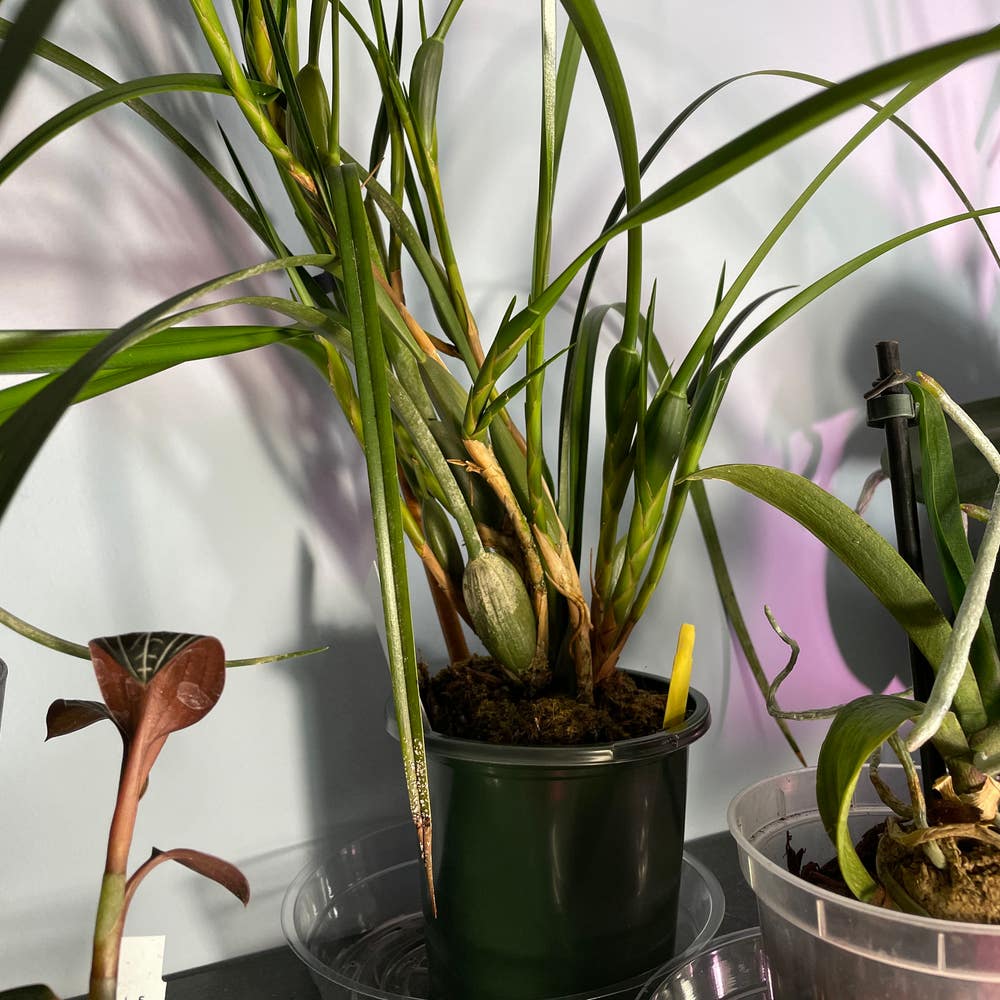
Eulophia galbana typically reaches an average height of 12 to 24 inches. Its spread usually ranges from 12 to 18 inches, making it a compact yet striking addition to your garden.
Growth Rate and Variability 📈
This plant has a moderate growth rate, which can fluctuate based on environmental conditions. Factors such as light, soil quality, and watering practices can all influence how quickly it grows.
Understanding these size characteristics helps you plan your garden layout effectively. With the right care, Eulophia galbana can thrive and bring beauty to your space.
Ready to learn more about how to propagate this stunning plant? Let's dive into the next section!
Roots
Characteristics of the Root System 🌱
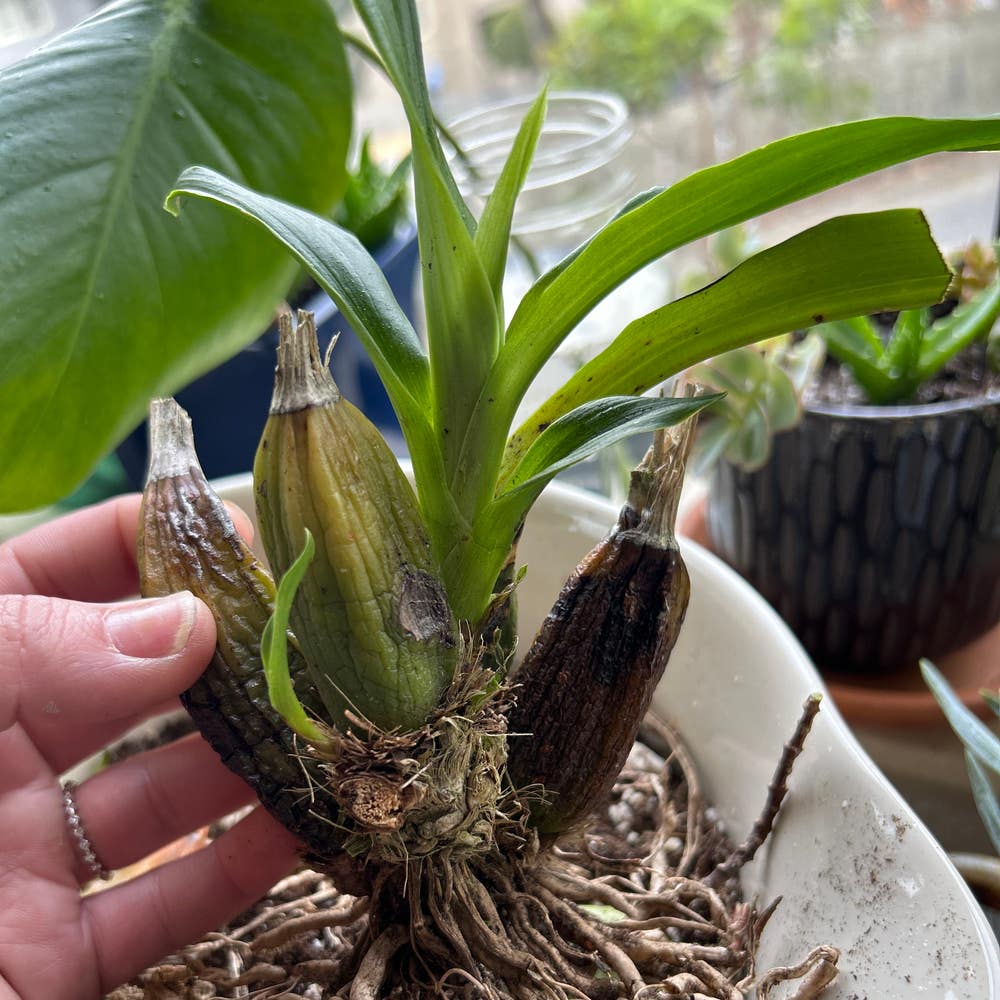
Eulophia galbana features a bulbous root system, which is essential for its growth and stability. These bulbs are complemented by fibrous extensions that help the plant absorb nutrients and water efficiently.
Common Root-Related Issues and Solutions 🛠️
One of the most common problems with Eulophia galbana is root rot, often caused by overwatering. To prevent this, ensure your soil has proper drainage to keep the roots healthy.
Identifying healthy roots is crucial for the plant's well-being. Healthy roots are firm and white, while unhealthy roots appear dark and mushy, indicating potential issues that need addressing.
Understanding these root characteristics and challenges can significantly enhance your gardening experience with Eulophia galbana. Next, let’s explore the benefits this plant brings to your garden.
Benefits
Eulophia galbana offers a range of benefits that make it a fantastic addition to any garden. Here are the top five reasons to consider this remarkable plant.
Attractive Flowers 🌸
One of the most striking features of Eulophia galbana is its beautiful flowers. They add a splash of color and visual appeal, enhancing the overall aesthetics of your garden.
Drought Tolerance 💧
Once established, this plant is remarkably drought-tolerant. This means less frequent watering, making it a low-maintenance option for busy gardeners.
Unique Bulbous Roots 🥔
The bulbous roots of Eulophia galbana play a crucial role in soil health. They help aerate the soil and improve its structure, benefiting other plants in the vicinity.
Cultural Significance 🌍
Eulophia galbana holds cultural importance in various traditional practices. Its presence in gardens can connect you to rich histories and local customs.
Biodiversity Support 🐝
This plant contributes to local ecosystems by supporting biodiversity. It attracts pollinators and provides habitat for various beneficial insects, enriching your garden's environment.
Incorporating Eulophia galbana into your garden not only enhances its beauty but also promotes sustainability and ecological health. Next, let’s explore how to propagate this lovely plant effectively.
Companion Plants
🌱 Explanation of Companion Planting
Companion planting is a gardening technique that involves growing different plants together for mutual benefits. This practice enhances growth, improves pest management, and increases garden diversity.
🌼 List of Beneficial Companion Plants
When considering companions for Eulophia galbana, think about plants that thrive in similar conditions. Suitable companions include:
- Ferns: They provide a lush backdrop and thrive in partial shade.
- Shade-loving perennials: These plants complement Eulophia's light preferences.
- Certain herbs: Herbs like mint and basil can deter pests while enriching the soil.
🚫 Plants to Avoid
Not all plants make good companions. Avoid aggressive plants that compete for nutrients, such as:
- Bamboo: Its rapid growth can overshadow Eulophia.
- Sunflowers: They may outcompete for sunlight and resources.
By selecting the right companions, you can create a thriving garden ecosystem that supports the growth of Eulophia galbana. This thoughtful approach not only enhances the beauty of your garden but also promotes a healthier plant environment.
Next, let’s explore the potential toxicity of Eulophia galbana to humans, dogs, and cats.
Toxicity to Humans
Eulophia galbana is not listed as toxic, according to major poison control centers. This makes it a safe choice for gardens where children or pets may roam.
While generally safe, there are potential minor issues to be aware of. Some individuals may experience mild skin irritation or digestive discomfort if they consume large quantities.
It's always wise to exercise caution. If you notice any unusual symptoms after contact or consumption, seek medical advice promptly to ensure peace of mind.
With this knowledge, you can enjoy the beauty of Eulophia galbana without unnecessary worry. Now, let’s explore how this plant interacts with our furry friends!
Toxicity to Dogs
Eulophia galbana is not toxic to dogs, as confirmed by major pet poison control centers. This means you can enjoy this beautiful plant without worrying about your furry friends getting sick.
However, if your dog consumes large quantities, it may experience mild gastrointestinal upset. It's always best to monitor your pet's behavior around new plants to ensure they don't munch on them excessively.
🐶 Tips for Introducing in Homes
When introducing Eulophia galbana into your home, consider proper placement. Keep the plant out of reach of curious pups to minimize any potential nibbling.
Additionally, observe your dog's interactions with the plant. If you notice any unusual behavior, consult your veterinarian for advice.
With a little care, you can enjoy the beauty of Eulophia galbana while keeping your canine companions safe.
Toxicity to Cats
Eulophia galbana is not toxic to cats, as confirmed by major pet poison control centers. This means you can enjoy this beautiful plant without worrying about your feline friends.
However, if your cat consumes large quantities, it may experience mild gastrointestinal upset. It's always best to monitor your pet's behavior around new plants.
🏡 Tips for Introducing in Homes
When introducing Eulophia galbana into your home, consider its placement carefully. Position it in areas that are less accessible to your cat to minimize any potential nibbling.
Regularly observe your cat's interactions with the plant. This proactive approach ensures both your plant and pet thrive in harmony.
With these precautions, you can enjoy the beauty of Eulophia galbana while keeping your furry companion safe.
Problems
Common Problems 🌱
Growing Eulophia galbana can be rewarding, but it's essential to be aware of potential issues that may arise. Here are some common problems to watch for.
Incorrect Watering 🚰
Watering is crucial for healthy growth. Overwatering can lead to root rot, where the roots become mushy and dark, while underwatering results in wilting and dry leaves.
Incorrect Light Conditions ☀️
Light conditions play a significant role in the plant's health. Too much direct sunlight can scorch the leaves, while insufficient light may cause stunted growth and yellowing foliage.
Diseases 🦠
Fungal diseases can be a concern for Eulophia galbana. Look for signs like discolored spots on leaves or a powdery residue, which may indicate a fungal infection. Prompt treatment with appropriate fungicides can help manage these issues.
Leaf Issues 🍃
Leaf problems can manifest in various ways. Scorching typically appears as brown edges, while yellowing may indicate nutrient deficiencies or improper watering. Fuzzy growth could signal a fungal issue, requiring immediate attention.
By staying vigilant and addressing these common problems, you can ensure your Eulophia galbana thrives beautifully. Next, let's explore potential pest issues that could affect your plant's health.
Bugs
🐜 Potential Pest Issues
Eulophia galbana can face a few pest challenges, but it generally exhibits good resistance to many common pests. However, vigilance is key; some pests can still pose a threat if not managed promptly.
🔍 Identification and Treatment Options
Spider Mites
Spider mites are tiny pests that can wreak havoc on your plants. Look for fine webbing on leaves and stippling or yellowing of foliage as signs of an infestation.
To treat spider mites, you can use insecticidal soap or neem oil. Regularly spraying your plants with water can also help deter these pests by increasing humidity, which they dislike.
Scale Insects
Scale insects appear as small, brownish bumps on stems and leaves. They suck sap from the plant, leading to yellowing leaves and stunted growth.
For control, you can manually remove them with a soft cloth or cotton swab dipped in rubbing alcohol. Insecticidal soap is also effective against scale, helping to eliminate these pests without harming your plant.
By staying alert and addressing these pest issues early, you can keep your Eulophia galbana thriving and beautiful. Next, let's explore the common problems that can arise during its growth.
What Eats
Common Animals That May Damage 🐾
Eulophia galbana can attract a variety of wildlife, some of which may cause damage to your plants. Understanding these potential threats is essential for effective garden management.
Deer 🦌
Deer are notorious for munching on garden plants. Look for signs like chewed leaves and broken stems, which indicate their presence.
Rabbits 🐇
Rabbits can be quite the nuisance, especially in spring. They tend to nibble on young shoots and leaves, leaving behind clean-cut edges that are a telltale sign of their activity.
Squirrels 🐿️
Squirrels may not directly eat Eulophia galbana, but they can cause damage while foraging for other food sources. They often dig around the base of plants, disrupting roots and potentially uprooting bulbs.
Birds 🐦
Birds can be both friends and foes in the garden. While they help control pests, some species may peck at flowers or seeds. To deter them, consider using netting or reflective objects to keep them at bay.
Rodents 🐭
Rodents, including mice and voles, can also pose a threat. Look for signs like gnaw marks or burrows near your plants. Implementing traps or natural deterrents can help manage their populations effectively.
By being aware of these common animals and their behaviors, you can take proactive steps to protect your Eulophia galbana. This knowledge not only helps in maintaining your garden but also fosters a deeper connection with the ecosystem around you.
Next, let’s explore the common problems that can arise while growing this beautiful plant.
⚠️ Safety First
This content is for general information and may contain errors, omissions, or outdated details. It is not medical, veterinary advice, or an endorsement of therapeutic claims.
Always consult a qualified healthcare professional before using any plant as food, medicine, or supplement.
Never eat any plant (or feed one to pets) without confirming its identity with at least two trusted sources.
If you suspect poisoning, call Poison Control (800) 222-1222, the Pet Poison Helpline (800) 213-6680, or your local emergency service immediately.
Spotted an error? Please report it here.
Eulophia galbana is a resilient beauty that thrives in diverse conditions, and with Greg's custom watering plans and expert tips, you can cultivate a vibrant garden that attracts pollinators and supports biodiversity! 🌱