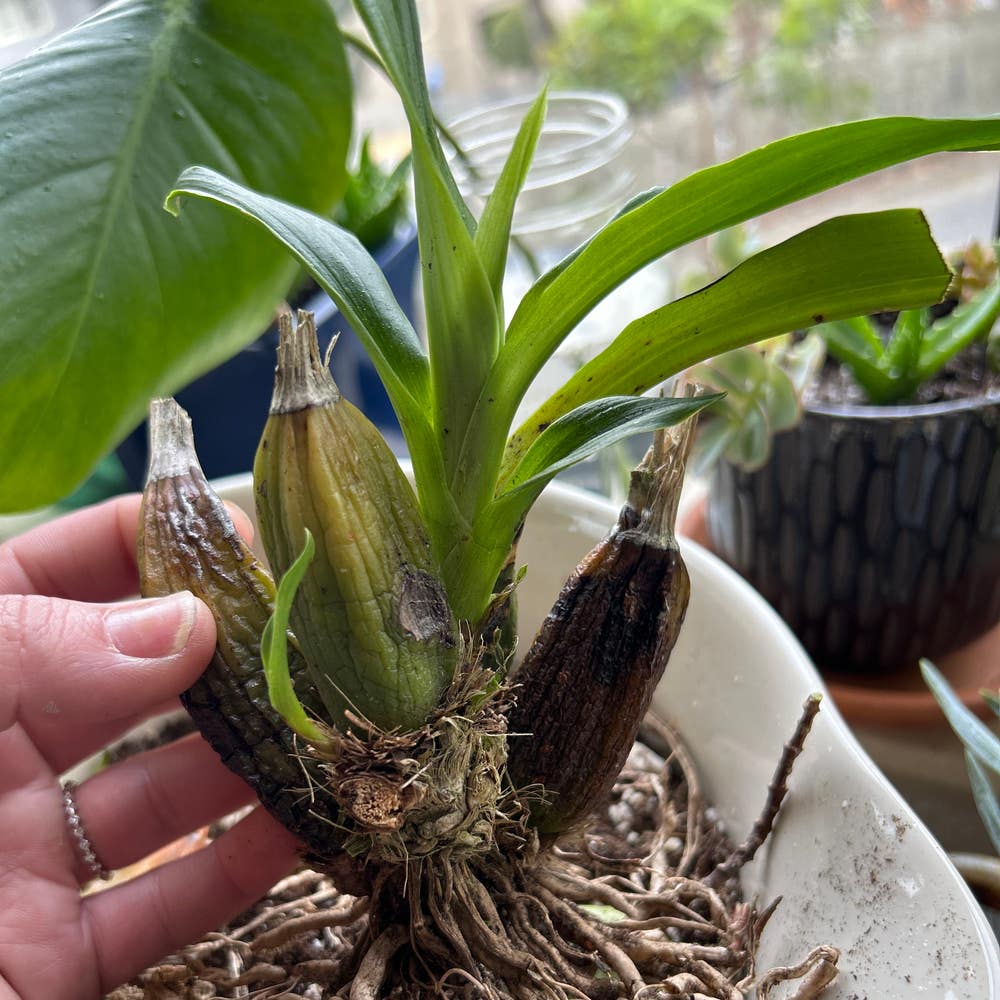
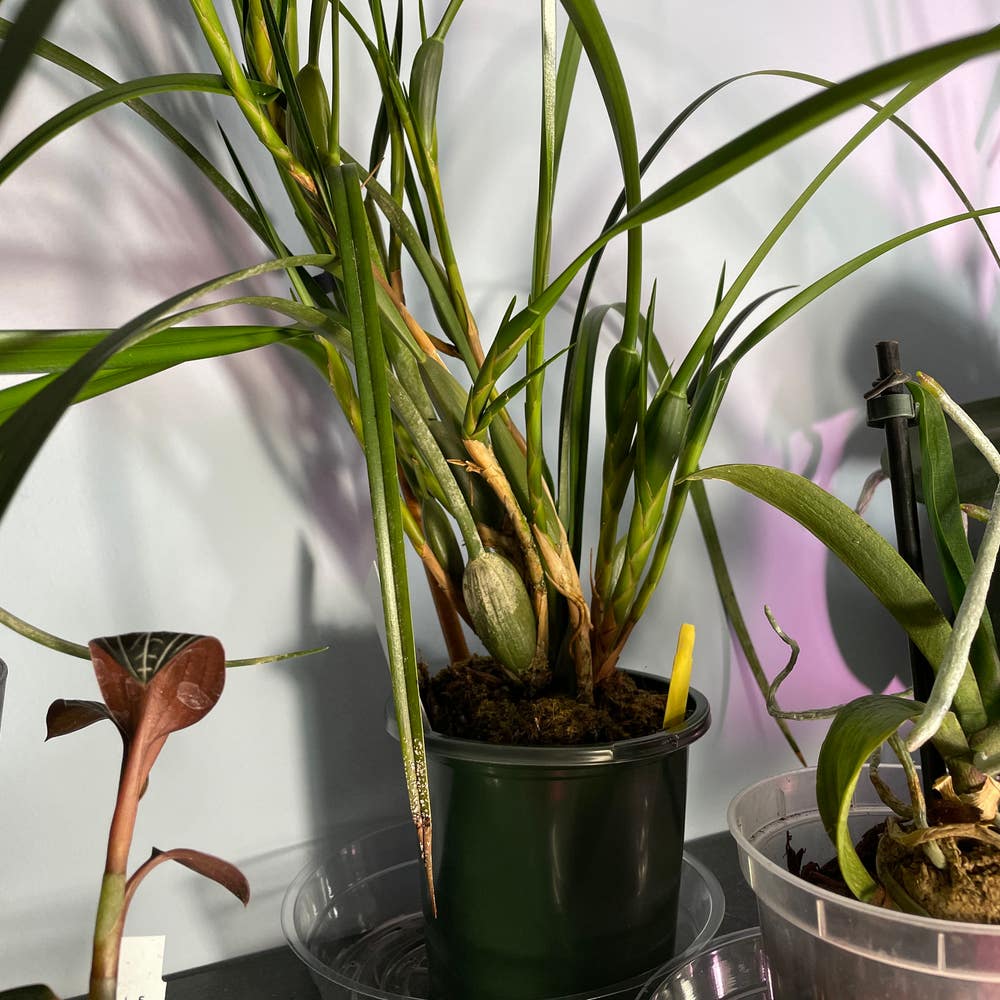
What You Should Know About Eulophia fridericii 🌸
Eulophia fridericii
By the Greg Editorial Team
Feb 27, 2025•12 min read
This article was created with the help of AI so we can cover more plants for you. May contain errors. See one? Report it here.
- 🌞🌱 Eulophia fridericii thrives in warm, humid environments with full sun to partial shade.
- 💧 Water when the top inch of soil is dry to promote healthy root growth.
- 🌼 Low maintenance and safe for pets, making it ideal for busy gardeners.
How to Grow
Choosing a Location 🌞
Eulophia fridericii thrives in a range of light conditions, from full sun to partial shade. Aim for a warm environment, ideally between 20°C to 30°C (68°F to 86°F), and maintain moderate humidity for optimal growth.
Soil Preparation 🌱
For soil, select a well-draining, loamy mix that supports healthy root development. The ideal pH level is slightly acidic to neutral, ranging from 6.0 to 7.0, ensuring that your plant can absorb nutrients effectively.
Planting Techniques 🌼
When planting, space your Eulophia fridericii bulbs or tubers 12-18 inches apart to allow for ample growth. Plant them 2-3 inches deep to ensure stability and proper development.
Watering Requirements 💧
Water your plants when the top inch of soil feels dry to the touch. Use deep watering techniques to encourage robust root growth while avoiding waterlogging, which can lead to root rot.
Fertilizing Schedule 🌿
Utilize a balanced NPK fertilizer, such as 10-10-10, to nourish your plants. Fertilize every 4-6 weeks during the growing season to promote healthy growth and flowering.
Pruning and Ongoing Care ✂️
Regularly deadhead spent flowers to stimulate new blooms and maintain the plant's appearance. Trim any yellowing leaves to enhance overall plant health and vigor.
Outdoor vs. Container Growing Considerations 🏡
Growing Eulophia fridericii outdoors requires more space and natural conditions, which can be beneficial for growth. If you opt for container growing, select pots with drainage holes and monitor moisture levels closely to prevent overwatering.
Transitioning to the next section, let's explore how to propagate this fascinating plant effectively.
Propagation
🌱 Methods of Propagation
Eulophia fridericii can be propagated through two primary methods: seed propagation and division. Both methods are straightforward and can lead to successful growth.
📋 Step-by-Step Instructions for Each Method
1. Seed Propagation
- Start by sowing seeds in a well-draining mix.
- Keep the soil moist and warm until germination occurs, which typically takes 2-4 weeks.
2. Division
- Carefully dig up the plant during its dormant phase.
- Separate the bulbs or tubers, ensuring each piece has roots attached.
- Replant immediately in prepared soil to encourage new growth.
⏰ Timing and Conditions for Successful Propagation
For optimal results, sow seeds in early spring when conditions are favorable. Division should be done in late summer to early fall, allowing the plant to recover before winter.
This propagation process not only expands your collection but also enhances your gardening experience. With the right timing and care, you'll enjoy the beauty of Eulophia fridericii in no time.
Lifecycle
Lifecycle Stages 🌱
Eulophia fridericii undergoes several distinct stages throughout its lifecycle.
- Germination occurs 2-4 weeks after sowing seeds, marking the beginning of growth.
- The seedling stage lasts 4-8 weeks, during which true leaves begin to develop.
- Following this, the plant enters vegetative growth, taking 3-6 months to establish robust foliage.
- Flowering typically happens in late spring to summer, showcasing its beautiful blooms.
- After flowering, the plant produces seeds, which mature in about 4-6 weeks.
Duration to Maturity ⏳
Eulophia fridericii takes approximately 1-2 years to reach full maturity.
This moderate growth rate can vary based on environmental conditions, such as soil quality and care practices. With the right attention, you can enjoy the beauty of this plant in just a couple of years.
Understanding these lifecycle stages helps you provide the best care for your Eulophia fridericii, ensuring it thrives in your garden.
Next, let’s explore the size of this fascinating plant and what you can expect as it grows.
Size
Mature Height and Spread 🌱
Eulophia fridericii can reach a mature height of 30-60 cm (12-24 inches) and a spread of 30-45 cm (12-18 inches). This size makes it a versatile choice for various garden settings, whether in borders or as standalone features.
Growth Rate and Time to Reach Full Size ⏳
Under optimal conditions, expect Eulophia fridericii to reach its full size in about 1-2 years. Factors like soil quality, watering practices, and light exposure significantly influence its growth rate, so keep these in check for the best results.
With the right care, this plant can flourish, adding beauty and interest to your garden space. As you nurture it, you'll witness its growth journey, which is both rewarding and inspiring.
Roots
Characteristics of the Root System 🌱
Eulophia fridericii features a fibrous root system that plays a crucial role in its stability and nutrient uptake. These roots can extend up to 30 cm (12 inches) deep and spread laterally, providing a solid foundation for the plant.
Common Root-Related Issues ⚠️
Root rot is a significant concern, often caused by overwatering. Symptoms include mushy roots that can lead to plant decline.
Another issue is being rootbound, which occurs when the roots fill the container. Signs of this include stunted growth and roots growing out of drainage holes.
Visual Cues for Healthy vs. Unhealthy Roots 👀
Healthy roots are firm, white, and spread out evenly in the soil. In contrast, unhealthy roots appear dark, mushy, or may even emit a foul smell.
Tips for Managing Root Problems 🛠️
To prevent root rot, ensure your plant has proper drainage and avoid overwatering.
If you notice signs of a rootbound plant, check for roots growing out of drainage holes and consider repotting to give your plant more space to thrive.
Understanding these root characteristics and issues can significantly enhance your success in growing Eulophia fridericii. With the right care, your plant will flourish and bring beauty to your garden.
Next, let’s explore the benefits of growing this unique plant.
Benefits
Top 5 Benefits of Growing Eulophia fridericii 🌼
Eulophia fridericii isn't just a pretty face in the garden; it brings a wealth of benefits that make it a must-have for any plant enthusiast.
1. Aesthetic Appeal
The unique flowering spikes of Eulophia fridericii add a striking visual element to your garden. Their vibrant blooms can create a stunning focal point, enhancing the overall beauty of your outdoor space.
2. Cultural Significance
In some African communities, this plant holds cultural importance, often being used in traditional medicine. Growing it can connect you to these rich traditions and practices.
3. Biodiversity
Eulophia fridericii attracts a variety of pollinators, including bees and butterflies. This not only supports local ecosystems but also contributes to the health of your garden.
4. Low Maintenance
Once established, Eulophia fridericii requires minimal care. Its resilience makes it an ideal choice for busy gardeners or those new to plant care.
5. Edible Uses
Certain parts of Eulophia fridericii can be used in local culinary practices. This adds an exciting dimension to your gardening experience, allowing you to explore new flavors.
These benefits make Eulophia fridericii a fantastic addition to your garden. Whether you're drawn to its beauty, cultural significance, or low-maintenance nature, this plant is sure to enrich your gardening journey.
Next, let’s explore the best companion plants that can enhance your Eulophia fridericii experience even further.
Companion Plants
Companion Planting and Its Benefits 🌱
Companion planting is all about growing plants together for mutual benefits. This technique can enhance pest management, boost growth, and increase garden diversity.
List of Compatible Companion Plants 🌼
When it comes to Eulophia fridericii, certain companions thrive alongside it.
- Good companions: Marigolds are excellent as they repel pests, while other orchids share similar care needs.
- Avoid planting near: Heavy feeders can compete for nutrients, so steer clear of those to ensure your Eulophia flourishes.
By thoughtfully selecting companion plants, you can create a thriving ecosystem in your garden. This not only supports the health of your Eulophia but also contributes to a vibrant and diverse garden environment.
As you plan your planting strategy, consider the benefits of companion planting to maximize your garden's potential.
Toxicity to Humans
🛡️ Safety Around Humans
Eulophia fridericii is not listed as toxic by major poison control centers, making it a safe choice for your garden. You can handle and even ingest small amounts without worry.
⚠️ Minor Issues
While generally safe, consuming large quantities may lead to mild skin irritation or digestive discomfort. It’s always wise to exercise caution with any plant and consult a medical professional if you experience unusual symptoms.
👀 General Precautions
When introducing any new plant into your environment, keep an eye on how you and your family react. Awareness is key to enjoying the beauty of Eulophia fridericii without any hiccups.
This plant offers a delightful addition to your garden, and with the right care, you can enjoy its unique beauty worry-free. Next, let’s explore how Eulophia fridericii interacts with our furry friends, particularly dogs.
Toxicity to Dogs
Safety Around Dogs 🐶
Eulophia fridericii is not listed as toxic by major pet poison control centers. This means it’s generally safe for dogs, but it’s wise to monitor them for excessive consumption.
Minor Issues 🩹
If your dog happens to munch on a bit too much, they might experience mild gastrointestinal upset. Keeping an eye on their behavior can help you catch any issues early.
Tips for Care 🏡
To ensure safety, place the plant in an area that's less accessible to your furry friend. Regularly monitor your dog's behavior around the plant to prevent any unwanted snacking.
With these precautions, you can enjoy the beauty of Eulophia fridericii without worry. Next, let’s explore its safety around cats!
Toxicity to Cats
Safety Around Cats 🐱
Eulophia fridericii is not listed as toxic by major pet poison control centers, making it a safe choice for cat owners. However, it's wise to monitor your feline friends for excessive consumption, as even non-toxic plants can cause mild gastrointestinal upset if ingested in large quantities.
Minor Issues 🤢
While your cat may nibble on the leaves or flowers, the most common issue is mild stomach discomfort. If you notice any unusual behavior, it’s best to keep an eye on them and consult a vet if necessary.
Tips for Care 🌿
To ensure a harmonious environment, place the plant in areas where your cat can admire it without getting too close. Regularly observe your cat's behavior around the plant to prevent any potential mishaps.
With these precautions, you can enjoy the beauty of Eulophia fridericii while keeping your furry companions safe. Now, let’s explore common problems that may arise when growing this unique plant.
Problems
Common Problems Faced 🌱
Growing Eulophia fridericii can come with its challenges. Incorrect watering is a primary concern; overwatering leads to yellowing leaves, while underwatering causes drooping.
Light conditions also play a crucial role. Too much sun can scorch the leaves, whereas insufficient light results in leggy growth.
Temperature extremes can stress the plant, making it vulnerable to diseases. Fungal issues, like powdery mildew, often manifest as white spots on leaves, indicating a need for intervention.
Root problems are another significant issue. Root rot, caused by overwatering, presents symptoms such as mushy roots that can jeopardize the plant's health.
Identification and Causes of Issues 🔍
Recognizing unhealthy plants is key to effective care. Signs include stunted growth, discoloration, or wilting, which can indicate various underlying problems.
Understanding the causes of these issues helps in addressing them promptly. For instance, yellowing leaves may signal overwatering, while drooping could mean the plant is thirsty.
Solutions and Steps to Revive the Plant 💪
To revive your Eulophia fridericii, start by adjusting your watering practices. Ensure the soil maintains proper moisture levels without becoming soggy.
Improving light conditions is also essential. If your plant is struggling, consider relocating it to a spot with more suitable light exposure.
For diseases, treatment is crucial. Use fungicides or remove affected leaves to prevent further spread and promote recovery.
By staying attentive to these common problems, you can help your Eulophia fridericii thrive and flourish. Next, let’s explore the potential pest issues that could threaten your plant’s health.
Bugs
🐛 Potential Pest Issues
Eulophia fridericii is generally known for its moderate pest resistance. However, it can still fall victim to a few pesky intruders.
🔍 Identification and Damage Caused by Pests
- Spider Mites: Look for fine webbing and stippled leaves, which indicate these tiny pests are at work.
- Scale Insects: These critters leave behind a sticky residue and cause yellowing leaves, making them easy to spot.
- Mealybugs: Identified by their cotton-like masses on stems and leaves, mealybugs can quickly become a nuisance.
🛠️ Effective Treatment Options
To combat these pests, consider using neem oil or insecticidal soap. Regular inspections and early intervention are key to preventing infestations and keeping your Eulophia fridericii thriving.
With a little vigilance and the right treatments, you can protect your plants and enjoy their beauty without worry. Next, let’s explore what animals might be interested in munching on your Eulophia fridericii.
What Eats
Common Animals That May Damage 🦌
Eulophia fridericii can attract a few common garden pests.
- Deer: Look for chewed leaves and broken stems as telltale signs of their presence.
- Rabbits: They often leave behind clipped stems and missing foliage.
- Squirrels: Digging around the base of the plant indicates their curiosity.
Signs of Animal Presence and Damage 🐾
Identifying animal damage is crucial for timely intervention.
- Visual cues: Keep an eye out for tracks, droppings, or any damaged plant parts that signal animal activity.
Methods for Deterring or Managing These Animals 🚫
Preventing damage from these animals can be achieved through various methods.
- Chemical deterrents: Consider using commercial repellents or homemade solutions to keep them at bay.
- Organic control methods: Fencing around your plants or planting deterrent species nearby can also help protect your Eulophia fridericii.
By staying vigilant and employing these strategies, you can enjoy a thriving garden without the worry of unwanted animal visitors.
⚠️ Safety First
This content is for general information and may contain errors, omissions, or outdated details. It is not medical, veterinary advice, or an endorsement of therapeutic claims.
Always consult a qualified healthcare professional before using any plant as food, medicine, or supplement.
Never eat any plant (or feed one to pets) without confirming its identity with at least two trusted sources.
If you suspect poisoning, call Poison Control (800) 222-1222, the Pet Poison Helpline (800) 213-6680, or your local emergency service immediately.
Spotted an error? Please report it here.
Cultivate your Eulophia fridericii with confidence 🌱 by using Greg's tailored watering reminders and care tips to help your plant thrive in any environment!