🌸 All About Eulophia foliosa: Essential Facts
Eulophia foliosa
By the Greg Editorial Team
Feb 27, 2025•12 min read
This article was created with the help of AI so we can cover more plants for you. May contain errors. See one? Report it here.
- 🌞 Eulophia foliosa thrives in full sun but tolerates partial shade for versatility.
- 🌱 Ideal temperature range is 65°F to 80°F for optimal growth and health.
- 🌿 Non-toxic to pets and humans, making it a safe garden choice!
How to Grow
🌞 Choosing a Location
When selecting a location for your Eulophia foliosa, consider its sunlight needs. This plant thrives in full sun but can tolerate partial shade, making it versatile for various garden settings.
Temperature is another crucial factor. Aim for an ideal temperature range of 65°F to 80°F (18°C to 27°C) for optimal growth.
🏞️ Soil Preparation
Soil quality is vital for the health of Eulophia foliosa. It prefers well-draining, nutrient-rich soil to support robust growth.
The optimal soil pH for this plant ranges from 6.0 to 7.0. Ensuring good drainage is essential to prevent root rot and promote healthy root development.
🌱 Planting Techniques
When planting Eulophia foliosa, the recommended depth for tubers is about 4 to 6 inches. This depth allows for proper root establishment while minimizing exposure to harsh conditions.
Spacing is also important; aim for 12 to 18 inches between plants. This distance encourages airflow and reduces competition for nutrients.
💧 Watering Requirements
Watering frequency should be adjusted based on the season and weather conditions. Generally, aim to water once a week, ensuring the soil remains moist but not soggy.
For best results, consider using drip irrigation. This method delivers water directly to the roots, minimizing evaporation and promoting efficient moisture absorption.
🌿 Fertilizing Schedule
Eulophia foliosa benefits from a balanced fertilizer with an NPK ratio of 10-10-10. This ratio provides essential nutrients for growth.
Timing is key; fertilize every 4 to 6 weeks during the growing season. This schedule supports vigorous growth and flowering.
✂️ Pruning Practices
Pruning is essential for maintaining the health of your Eulophia foliosa. The best time to prune is in early spring, just before new growth begins.
Use clean, sharp tools to remove dead or damaged leaves. This practice encourages new growth and helps prevent disease.
🔍 Ongoing Care
Monitoring growth is crucial for identifying healthy versus unhealthy plants. Look for vibrant leaves and strong stems as indicators of good health.
As seasons change, adjust your care routine accordingly. For instance, reduce watering in the winter months when the plant is dormant, ensuring it remains healthy year-round.
With these guidelines, you'll be well-equipped to cultivate a thriving Eulophia foliosa in your garden. Next, let's explore the fascinating methods of propagating this resilient plant.
Propagation
🌱 Seed Propagation
To propagate Eulophia foliosa from seeds, start by preparing a suitable seed-starting mix. Ensure the seeds are sown at a shallow depth, ideally just below the surface, and keep the soil consistently moist.
Next, provide warmth and indirect sunlight to encourage germination. Typically, seeds will sprout within 2 to 4 weeks, depending on environmental conditions.
✂️ Division of Tubers
Dividing tubers is a great way to propagate Eulophia foliosa. The best time to do this is in early spring, just before the growing season kicks off.
When dividing, carefully separate the tubers using a clean, sharp tool. Replant the divisions at the same depth they were previously growing, ensuring they have ample space to thrive.
🌿 Offsets and Cuttings
Offsets are another effective propagation method. To take offsets, gently twist or cut them from the parent plant, ensuring they have some roots attached.
For planting cuttings, allow them to dry for a few hours before placing them in well-draining soil. Water them lightly and keep them in a warm, shaded area until they establish roots.
With these propagation techniques, you can easily expand your Eulophia foliosa collection and enjoy its unique beauty in your garden. Now that you know how to propagate this plant, let’s explore its lifecycle and growth stages.
Lifecycle
Lifecycle Stages 🌱
Eulophia foliosa undergoes several distinct stages from seed to maturity. Each phase is crucial for the plant's overall development and health.
Germination Process and Timeline ⏳
The germination process typically takes about 2 to 4 weeks. During this time, seeds absorb moisture and begin to sprout, marking the start of their journey.
Seedling Stage Characteristics 🌿
Once germinated, seedlings emerge with delicate leaves and a fragile structure. This phase is vital as the plant establishes its roots and begins to photosynthesize.
Vegetative Growth Phase 🌳
As the plant matures, it enters the vegetative growth phase, characterized by rapid leaf development and strengthening of the root system. This stage is essential for building the plant's energy reserves.
Flowering and Seed Production 🌸
Eulophia foliosa usually flowers in late spring to early summer. During this time, it produces vibrant blooms followed by seed pods that contain the next generation of plants.
Lifespan and Growth Rate ⏲️
From seed to maturity, Eulophia foliosa can take anywhere from 1 to 3 years, depending on environmental conditions. Its growth rate is influenced by factors like sunlight, water, and soil quality, making care during this period essential for optimal health.
This lifecycle overview highlights the importance of nurturing Eulophia foliosa through each stage. Understanding these phases can help you provide the best care and ensure a thriving plant.
Size
Mature Height and Spread 🌱
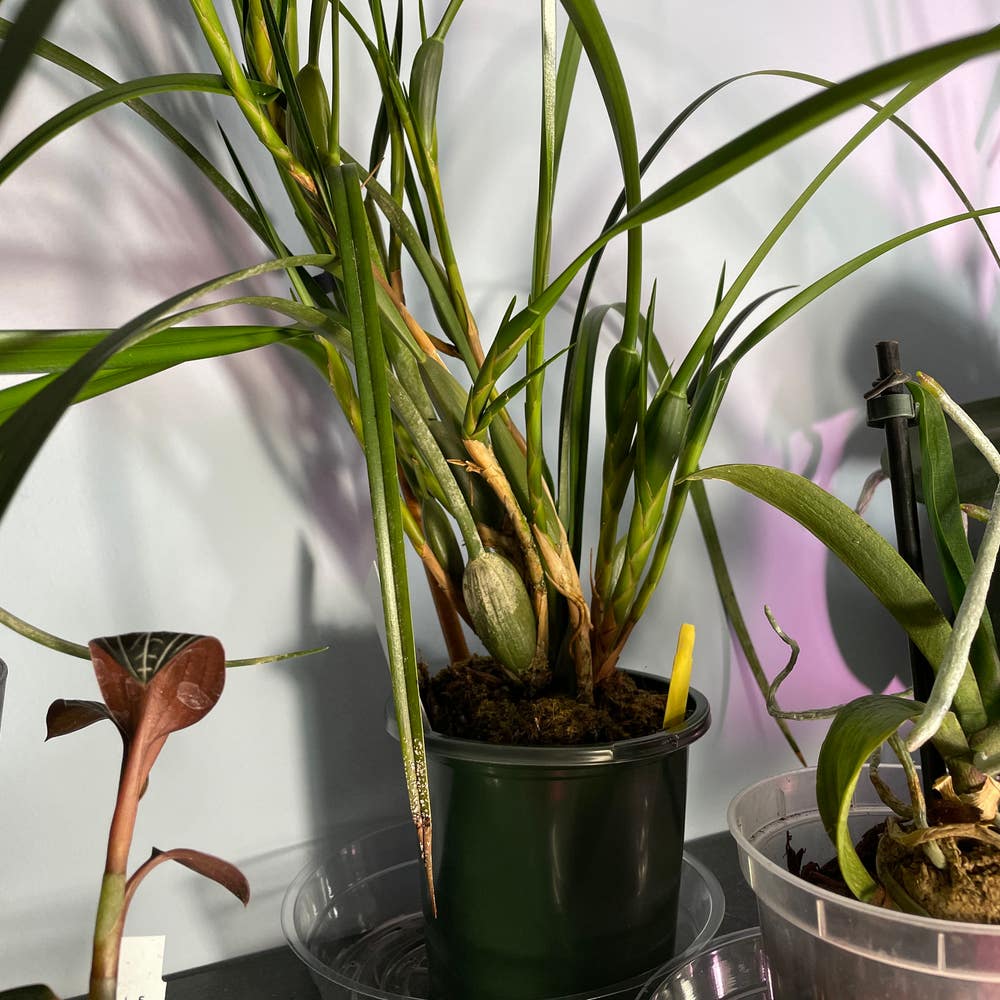
Eulophia foliosa typically reaches an average mature height of about 12 to 24 inches. Its spread can extend up to 18 inches, making it a compact yet striking addition to your garden.
Growth Rate and Factors Affecting Size 📈
The growth rate of Eulophia foliosa is influenced by several factors, including light exposure, water availability, and soil quality. Optimal conditions can lead to vigorous growth, while poor care may stunt its development.
Size Variability Based on Growing Conditions 🌍
Growing conditions play a significant role in the size of Eulophia foliosa. Indoor plants may remain smaller due to limited light, while those cultivated outdoors often thrive and achieve their full potential.
Understanding these size dynamics can help you create the ideal environment for your Eulophia foliosa, ensuring it flourishes beautifully. Next, let’s explore the fascinating lifecycle of this unique plant.
Roots
Description of Root System 🌱
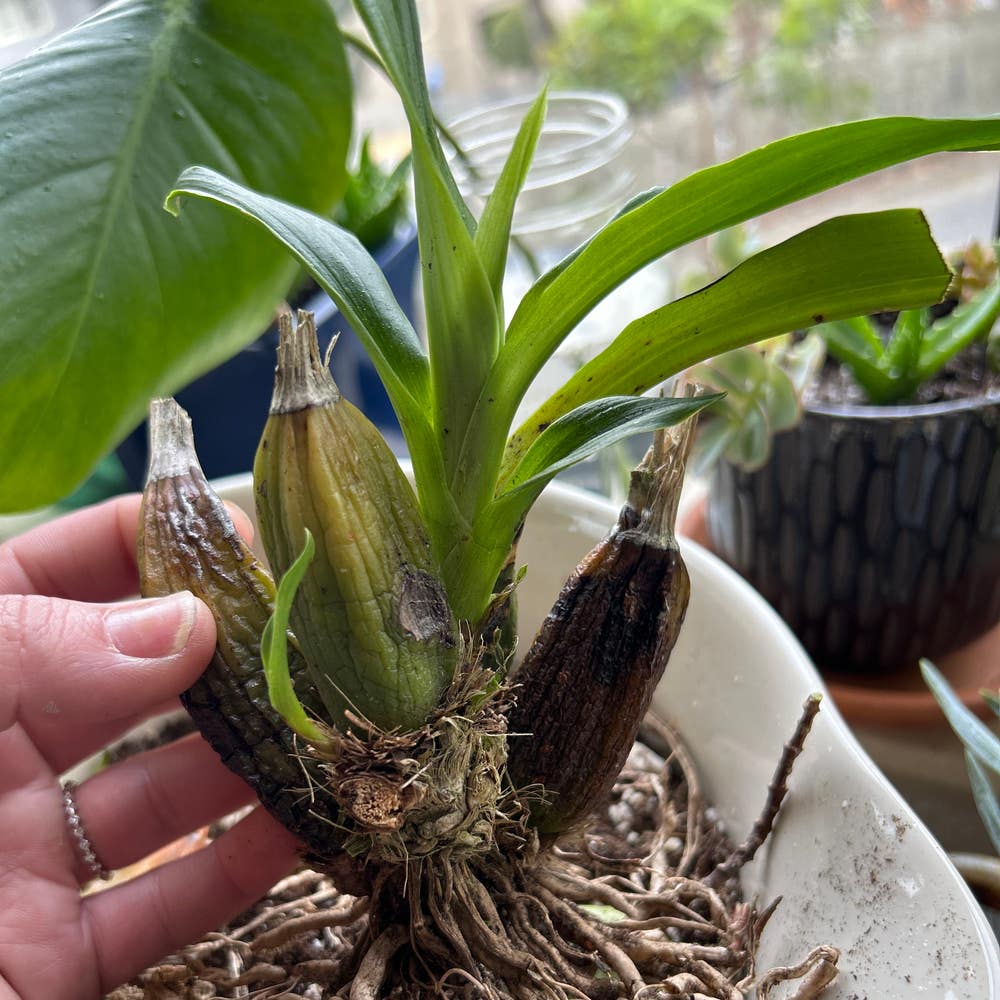
Eulophia foliosa features a unique tuberous root system that stores nutrients and water, allowing the plant to thrive in various conditions. These roots typically extend deep into the soil, providing stability and access to moisture.
Common Root-Related Issues ⚠️
Root rot is a common problem, often caused by overwatering or poorly draining soil. Symptoms include wilting leaves and a foul smell from the roots; prevention involves ensuring proper drainage and watering practices.
Another issue is being rootbound, which occurs when the roots grow too densely in their container. Signs include stunted growth and roots emerging from the drainage holes; remedy this by repotting into a larger container.
Visual Cues for Healthy vs. Unhealthy Roots 👀
Healthy roots are characterized by a firm texture, vibrant color, and active growth patterns. In contrast, unhealthy roots may appear discolored, mushy, or exhibit stunted growth, indicating a need for immediate attention.
Tips for Managing Root Health 📝
To maintain root health, focus on soil management by using well-draining, nutrient-rich soil. Additionally, adopt proper watering techniques, ensuring the soil dries out slightly between waterings to prevent issues like root rot.
By keeping an eye on your plant's roots and following these tips, you can foster a thriving Eulophia foliosa that flourishes in your garden. Next, let's explore the numerous benefits this remarkable plant offers.
Benefits
Aesthetic Appeal 🌸
Eulophia foliosa is celebrated for its stunning flowers and unique foliage. Its vibrant blooms can elevate any garden, making it a favorite among plant enthusiasts.
Drought Resistance 💧
Thanks to its tuberous root system, this plant exhibits remarkable drought resistance. This feature allows it to thrive in less-than-ideal watering conditions, making it a resilient choice for gardeners.
Pollinator Attraction 🐝
Eulophia foliosa plays a vital role in local ecosystems by attracting pollinators. Bees and butterflies are drawn to its flowers, promoting biodiversity in your garden.
Cultural Significance 🌍
Historically, this plant has held cultural importance in various societies. Its uses range from traditional medicine to ornamental displays, showcasing its versatility.
Medicinal Properties 💊
Eulophia foliosa is not just a pretty face; it also boasts potential health benefits. Some cultures have utilized it for its medicinal properties, adding another layer of value to this remarkable plant.
These benefits make Eulophia foliosa a fantastic addition to any garden, enhancing both beauty and ecological health. Next, let’s explore the concept of companion planting and how it can further enrich your gardening experience.
Companion Plants
Explanation of Companion Planting Benefits 🌱
Companion planting is a gardening technique that involves growing different plants together for mutual benefits. This practice can enhance garden health by improving nutrient uptake, deterring pests, and promoting pollination.
List of Compatible Companion Plants 🌼
When growing Eulophia foliosa, consider pairing it with these compatible plants:
- Marigolds: Known for their pest-repelling properties.
- Basil: Enhances flavor and can deter harmful insects.
- Nasturtiums: Attract beneficial pollinators and repel aphids.
Plants to Avoid 🚫
Not all plants play well together. Avoid planting Eulophia foliosa near:
- Fennel: Can inhibit the growth of nearby plants.
- Potatoes: May compete for nutrients and space.
- Tomatoes: Susceptible to similar pests and diseases.
Discussion of Symbiotic Relationships 🤝
Diversity in the garden fosters resilience. By incorporating a variety of plants, you can enhance pest management and create a more balanced ecosystem. This not only supports the health of Eulophia foliosa but also contributes to a thriving garden overall.
Incorporating companion plants can lead to a more vibrant and productive garden. As you explore these relationships, you'll discover the joy of nurturing a diverse plant community.
Toxicity to Humans
Safety Profile 🌿
Eulophia foliosa is considered non-toxic, meaning it is not listed as harmful by major health organizations. This makes it a safe choice for gardens and homes, allowing you to enjoy its beauty without worry.
Potential Minor Issues ⚠️
While generally safe, handling Eulophia foliosa may cause mild skin irritation for some individuals. Additionally, excessive consumption could lead to digestive discomfort, so moderation is key.
Recommendations for Caution 🧐
It's always wise to monitor your body's reactions when introducing new plants into your environment. If you experience any unusual symptoms, seeking advice from a healthcare professional is recommended to ensure your well-being.
Transitioning to the next topic, it's essential to consider how Eulophia foliosa interacts with pets, particularly dogs. Understanding its safety profile for our furry friends can help create a harmonious home environment.
Toxicity to Dogs
🐶 Safety Profile
Eulophia foliosa is considered non-toxic to dogs. This means you can enjoy this beautiful plant without worrying about harmful effects on your furry friends.
⚠️ Potential Minor Issues
While generally safe, consuming large quantities of the plant may lead to gastrointestinal upset in dogs. It's always best to monitor their interactions with any new plant.
🏡 Tips for Introducing to Homes with Dogs
To ensure a safe environment, place Eulophia foliosa out of reach of your dogs.
Additionally, keep an eye on their behavior around the plant to catch any unusual reactions early on.
By taking these precautions, you can enjoy the beauty of this plant while keeping your canine companions safe.
Toxicity to Cats
Safety Profile 🐱
Eulophia foliosa is considered non-toxic to cats. Major pet poison control centers do not list it as a toxic plant, making it a safe choice for households with feline friends.
Potential Minor Issues ⚠️
While generally safe, consuming large quantities of this plant may lead to gastrointestinal upset in cats. It's always wise to monitor your pet's behavior around any new plant.
Tips for Introducing to Homes with Cats 🏡
To ensure safety, place Eulophia foliosa out of reach of your curious cats. Additionally, keep an eye on how your cat interacts with the plant, as even non-toxic plants can cause mild reactions if ingested in excess.
By taking these precautions, you can enjoy the beauty of Eulophia foliosa while keeping your feline companions safe and sound. Next, let’s explore the common problems that may arise when growing this unique plant.
Problems
Common Problems Faced 🌱
Identifying unhealthy plants is crucial for maintaining the vitality of your Eulophia foliosa. Look for signs such as yellowing leaves, wilting, or stunted growth, which can indicate underlying issues.
Identification and Causes of Issues 🔍
Incorrect Watering
Overwatering can lead to root rot, while underwatering may cause wilting. Check the soil moisture regularly to find the right balance.
Incorrect Light Conditions
If your plant shows signs of light stress, such as leggy growth or scorched leaves, it may not be receiving the right amount of sunlight. Adjust its location to ensure it gets adequate light.
Incorrect Temperature
Temperature fluctuations can affect plant health. If you notice drooping leaves or slowed growth, consider whether your plant is exposed to extreme temperatures.
Solutions for Resolving Problems 🛠️
To address common issues, start by adjusting your watering schedule based on the plant's needs. Ensure the soil drains well and that you’re not letting it sit in water.
For light-related problems, reposition your plant to a spot with more suitable lighting conditions.
Lastly, monitor the temperature around your Eulophia foliosa and make necessary adjustments to keep it within the ideal range.
By staying vigilant and responsive to these signs, you can help your plant thrive.
Bugs
🐛 Potential Pest Issues
Eulophia foliosa is generally resilient against pests, making it a robust choice for gardeners. However, like any plant, it can still face challenges from certain insects.
🔍 Identification and Damage Caused by Pests
Common pests that may target Eulophia foliosa include spider mites, aphids, and mealybugs. These pests can cause significant damage by sucking sap from the plant, leading to yellowing leaves and stunted growth.
🛠️ Effective Treatment Options
To combat these pests, consider both organic and chemical control strategies. Organic options include neem oil and insecticidal soap, while chemical treatments can be effective for severe infestations.
Regular monitoring and early intervention are key to keeping your Eulophia foliosa healthy and thriving. With the right care, you can enjoy this beautiful plant without the worry of pest problems.
What Eats
🦌 Common Animals That May Damage
Eulophia foliosa can attract a variety of herbivores that may cause damage to your plants. Common culprits include deer, rabbits, and rodents, all of which may find the foliage and tubers appealing.
🕵️♂️ Signs of Animal Presence and Damage
Identifying signs of animal activity is crucial for protecting your plants. Look for tracks, droppings, and chewed foliage, which indicate that herbivores have taken an interest in your Eulophia foliosa.
🚫 Methods for Deterring or Managing
To safeguard your plants, consider various control methods. Chemical repellents can deter animals, while organic deterrents, such as planting strong-smelling herbs, can also be effective in keeping these pests at bay.
Incorporating these strategies will help you maintain a healthy garden, ensuring your Eulophia foliosa thrives without unwanted visitors.
⚠️ Safety First
This content is for general information and may contain errors, omissions, or outdated details. It is not medical, veterinary advice, or an endorsement of therapeutic claims.
Always consult a qualified healthcare professional before using any plant as food, medicine, or supplement.
Never eat any plant (or feed one to pets) without confirming its identity with at least two trusted sources.
If you suspect poisoning, call Poison Control (800) 222-1222, the Pet Poison Helpline (800) 213-6680, or your local emergency service immediately.
Spotted an error? Please report it here.
Eulophia foliosa is a stunning addition to any garden, and with Greg's customized care tips 🌱 and watering reminders, you can cultivate this resilient plant to thrive beautifully!