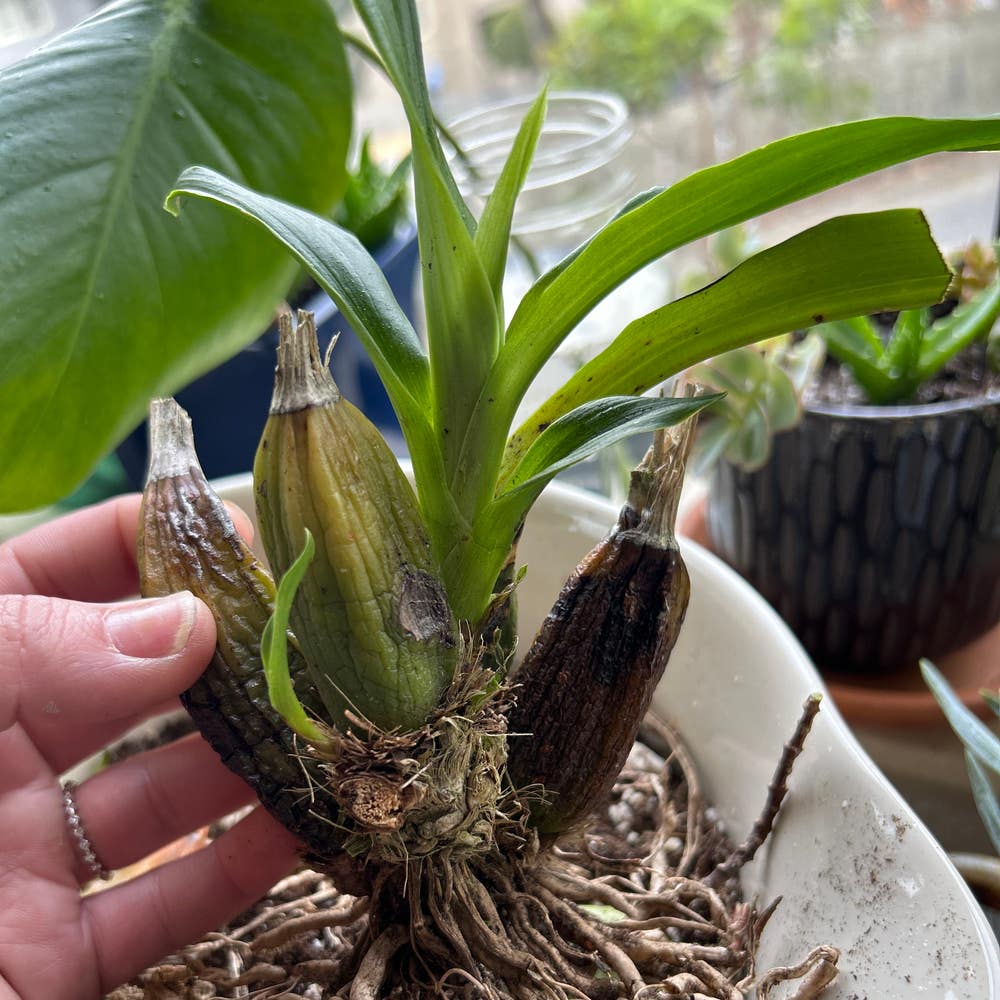
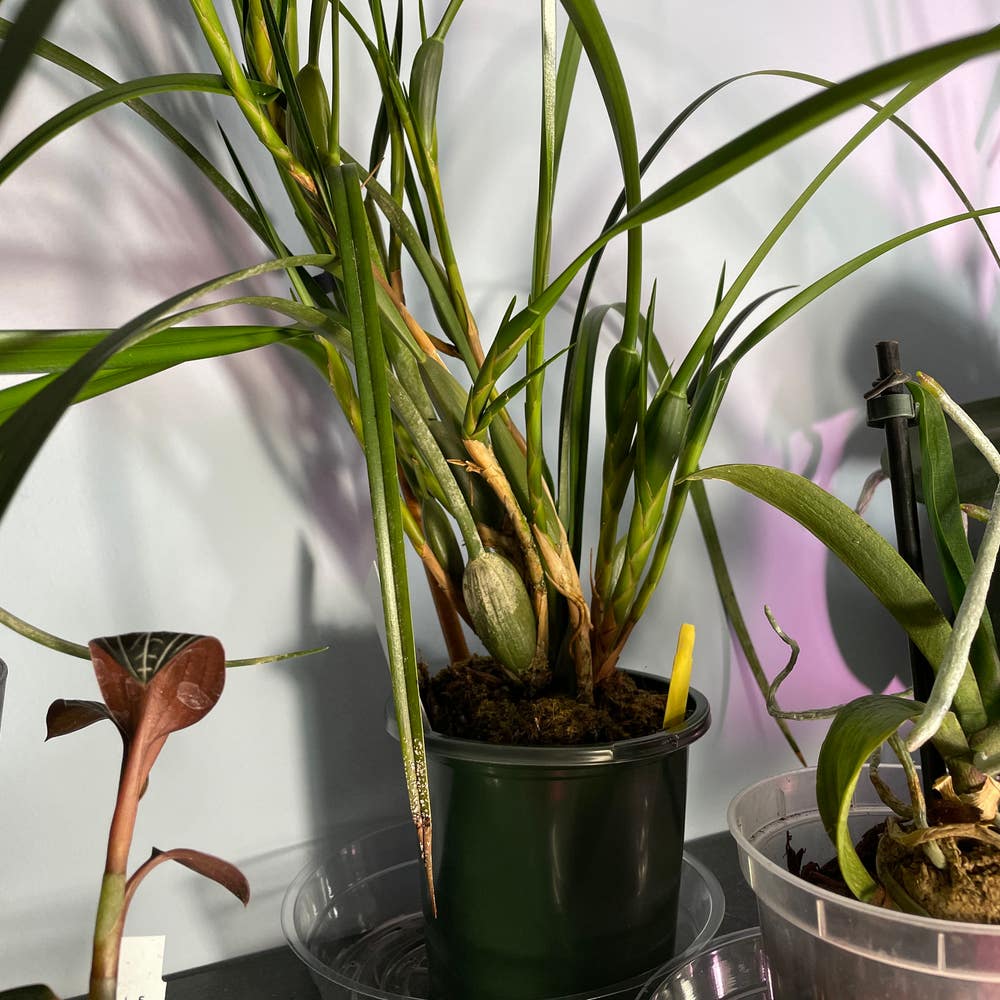
🌸 What is a Eulophia filifolia? Complete Guide
Eulophia filifolia
By the Greg Editorial Team
Feb 27, 2025•9 min read
This article was created with the help of AI so we can cover more plants for you. May contain errors. See one? Report it here.
Elevate your garden effortlessly with Eulophia filifolia, a stunning plant that thrives on minimal care! 🌿
- 🌞 Eulophia filifolia thrives in warm temperatures (20°C to 30°C) and various light conditions.
- 🌱 Well-draining, slightly acidic soil (pH 6.0 to 7.0) is essential for healthy growth.
- 💧 Regular watering and monitoring for pests prevent root rot and ensure plant health.
How to Grow
Choosing a Location 🌞
Eulophia filifolia thrives in a variety of light conditions, from partial shade to full sun, depending on your local climate. Ideally, it prefers warm temperatures, flourishing best between 20°C to 30°C (68°F to 86°F) and enjoys moderate humidity levels.
Soil Preparation 🌱
For optimal growth, plant Eulophia filifolia in well-draining, fertile soil. Aim for a slightly acidic to neutral pH, ideally between 6.0 and 7.0, and ensure good drainage to prevent root rot.
Planting Techniques 🌿
When planting, space your Eulophia filifolia rhizomes 12-18 inches apart to give them room to grow. Plant the rhizomes 2-3 inches deep to encourage healthy root development.
Watering Requirements 🚰
Water your plants regularly, but allow the soil to dry out between watering sessions. It's best to water at the base of the plant to keep the foliage dry and healthy.
Fertilizing Schedule 🍽️
Use a balanced NPK fertilizer, such as a 10-10-10 mix, to nourish your plants. Fertilize every 4-6 weeks during the growing season for the best results.
Pruning and Ongoing Care ✂️
Keep your Eulophia filifolia looking its best by trimming back any dead or yellowing leaves. Regularly check for pests and diseases to maintain plant health and vigor.
With these guidelines, you'll be well on your way to cultivating a thriving Eulophia filifolia. Next, let's explore how to propagate this beautiful plant effectively.
Propagation
🌱 Seed Propagation
To propagate Eulophia filifolia from seeds, start by sowing them in a well-draining medium. It's crucial to maintain warm temperatures and humidity to encourage successful germination.
✂️ Division of Rhizomes
Dividing rhizomes is best done in early spring or fall when the plant is not actively growing. Carefully separate the rhizomes and replant them immediately to ensure they establish well in their new location.
This propagation method not only helps in expanding your collection but also keeps your plants healthy and vigorous. Now that you know how to propagate, let’s explore the lifecycle of Eulophia filifolia next!
Lifecycle
Lifecycle Stages 🌱
Eulophia filifolia goes through several distinct stages during its lifecycle. It starts from seed or cutting, progresses to germination, and then moves through the seedling stage, vegetative growth, flowering, and finally, seed production.
Lifespan ⏳
This resilient plant can thrive for several years, often living between 5 to 10 years. Its longevity makes it a rewarding addition to any garden.
Growth Timeline 📈
Typically, Eulophia filifolia reaches its full size within 1 to 2 years. This relatively quick growth allows gardeners to enjoy its beauty and benefits in a short time frame.
Understanding the lifecycle of Eulophia filifolia is crucial for successful cultivation. With the right care, you can witness its transformation from a tiny seed to a flourishing plant in just a couple of years.
Next, let’s explore the size of this remarkable plant and what to expect as it matures.
Size
Mature Height and Spread 🌱
Eulophia filifolia typically reaches a mature height of 30 to 60 cm (12 to 24 inches). Its spread can extend up to 30 cm (12 inches) in diameter, making it a compact yet striking addition to any garden.
Growth Rate and Time to Reach Full Size ⏳
This plant grows relatively quickly, taking approximately 1 to 2 years to reach its full size. With the right care, you can enjoy its beauty in no time.
Size Variability Based on Growing Conditions 🌍
The size of Eulophia filifolia can vary significantly based on its growing conditions. Factors such as light, water, and soil quality play crucial roles in determining how robust your plant will become.
Understanding these aspects will help you provide the best environment for your Eulophia filifolia, ensuring it thrives and flourishes in your garden.
Roots
Characteristics of the Root System 🌱
Eulophia filifolia features a rhizomatous root system, which allows it to spread effectively. These roots can extend several inches deep and spread horizontally, providing stability and access to nutrients.
Common Root-Related Issues ⚠️
Root rot is a common problem caused by overwatering, leading to mushy roots that can threaten the plant's health. Additionally, plants can become rootbound when their roots fill the pot, resulting in stunted growth and poor nutrient uptake.
Visual Cues for Healthy vs. Unhealthy Roots 👀
Healthy roots are typically firm and white, indicating good vitality. In contrast, unhealthy roots may appear dark, mushy, or emit a foul smell, signaling that intervention is needed.
Solutions for Root Problems 🛠️
If you notice your plant is rootbound, it's time to consider repotting it into a larger container. When addressing root issues, trim back any damaged roots and repot the plant in fresh, well-draining soil to promote recovery.
Understanding the root system of Eulophia filifolia is crucial for maintaining its health and vitality. With proper care, these roots can thrive, supporting the plant's growth and resilience.
Next, we'll explore the benefits of growing Eulophia filifolia, highlighting its aesthetic appeal and ecological contributions.
Benefits
Top 5 Benefits 🌟
Eulophia filifolia offers a range of advantages that make it a fantastic addition to any garden. Here are the top five benefits you can enjoy:
Aesthetic Appeal: The unique flowers and striking foliage of Eulophia filifolia can significantly enhance the beauty of your garden. Their vibrant colors and shapes create a stunning visual impact.
Drought Tolerance: Once established, this plant requires minimal water, making it an excellent choice for water-wise gardening. Its ability to thrive in dry conditions means less maintenance for you.
Ecological Benefits: Eulophia filifolia attracts essential pollinators like bees and butterflies. By planting it, you contribute to the health of local ecosystems and support biodiversity.
Medicinal Uses: In some cultures, Eulophia filifolia is utilized in traditional medicine. Its various applications can offer natural remedies, adding another layer of value to this plant.
Cultural Significance: This plant symbolizes resilience and adaptability in various traditions. Incorporating it into your garden can connect you to these rich cultural narratives.
By choosing Eulophia filifolia, you not only beautify your space but also embrace a plant that supports the environment and carries cultural meaning.
Transition to Companion Plants 🌱
Now that you know the benefits, let’s explore how Eulophia filifolia can thrive alongside other plants in your garden. Companion planting can enhance your gardening experience and improve plant health.
Companion Plants
🌱 Explanation of Companion Planting
Companion planting is a gardening strategy that enhances plant health and diversity. By pairing compatible plants, you can improve pest management and create a more vibrant garden ecosystem.
🌼 Best Companion Plants
Eulophia filifolia thrives alongside other drought-tolerant plants, such as succulents and certain grasses. These companions share similar care requirements and can help repel pests, making them ideal partners in your garden.
🚫 Plants to Avoid
It's best to steer clear of heavy feeders near Eulophia filifolia. These plants can compete for nutrients, potentially stunting the growth of your orchids and diminishing their overall health.
By carefully selecting companion plants, you can create a flourishing garden that supports the unique needs of Eulophia filifolia while enhancing its beauty. Next, let’s explore some common problems that may arise when growing this resilient plant.
Problems
Common Problems with Eulophia filifolia 🌱
Eulophia filifolia can thrive beautifully, but it’s not without its challenges. Here are some common problems you might encounter while growing this resilient plant.
1. Incorrect Watering 🚰
Watering is crucial for plant health.
- Overwatered: If you notice yellowing leaves and root rot, it’s a sign you might be giving your plant too much water.
- Underwatered: Conversely, wilting and dry leaves indicate that your plant is thirsty and needs more moisture.
2. Incorrect Light Conditions 💡
Light plays a vital role in the growth of Eulophia filifolia.
- Symptoms: If your plant shows signs of leaf scorch or leggy growth, it may not be receiving the right amount of light.
3. Incorrect Temperature 🌡️
Temperature fluctuations can stress your plant.
- Symptoms: Stunted growth or leaf drop often points to temperature issues. Ideally, keep your plant in a warm environment between 20°C to 30°C (68°F to 86°F).
4. Diseases 🦠
Fungal diseases can be a concern for Eulophia filifolia.
- Fungal Issues: Look out for powdery mildew or rust, which manifest as white spots or leaf discoloration. Prompt action can prevent these diseases from spreading.
5. Leaf Issues 🍃
Leaf health is a direct indicator of your plant's overall condition.
- Scorching: Brown tips on leaves often result from low humidity or excessive sun exposure. Adjusting your plant's environment can help restore its vitality.
By being aware of these common problems, you can take proactive steps to ensure your Eulophia filifolia remains healthy and vibrant. Next, let’s explore potential pest issues that could affect your plant.
Bugs
🐞 Potential Pest Issues
Eulophia filifolia is known for its resilience, making it generally pest-resistant. However, it can still fall victim to a few common pests that may affect its health.
🐜 Common Pests
Spider Mites
- Identification: Look for fine webbing on leaves, which is a telltale sign of spider mites. Damage manifests as stippled leaves that can appear unhealthy.
Scale Insects
- Identification: These pests appear as small, raised bumps on stems. Their presence often leads to yellowing leaves, indicating they are sucking the life out of your plant.
Mealybugs
- Identification: Recognizable by their white, cottony masses on leaves, mealybugs can cause significant leaf drop. Their feeding habits weaken the plant over time.
Aphids
- Identification: Small, green insects often found on new growth, aphids distort leaves as they feed. Their rapid reproduction can lead to larger infestations if not managed.
Whiteflies
- Identification: These tiny white insects take flight when disturbed, making them easy to spot. They can cause yellowing leaves as they feed on the plant's sap.
🛠️ Managing Pest Problems
To keep Eulophia filifolia thriving, regular monitoring for these pests is essential. Early detection and intervention can prevent significant damage and ensure your plant remains healthy and vibrant.
Next, let’s explore how to protect your plant from common animal threats.
What Eats
🦌 Common Animals That May Damage
Eulophia filifolia can attract a variety of hungry critters. Deer, rabbits, squirrels, and rodents are known to munch on its leaves and stems, potentially causing significant damage.
🕵️♂️ Signs of Animal Presence
Keep an eye out for signs of these animals. Chewed leaves, droppings, and tracks around your plants can indicate that your Eulophia is being targeted by local wildlife.
🚫 Deterrent Methods
To protect your plant, consider using deterrents.
Chemical Options
Commercial repellents can be effective in keeping these animals at bay.
Organic Options
Alternatively, homemade solutions like garlic spray or planting deterrent herbs can provide a natural barrier against unwanted nibblers.
By being proactive, you can enjoy the beauty of Eulophia filifolia without the worry of it becoming a snack for local fauna.
⚠️ Safety First
This content is for general information and may contain errors, omissions, or outdated details. It is not medical, veterinary advice, or an endorsement of therapeutic claims.
Always consult a qualified healthcare professional before using any plant as food, medicine, or supplement.
Never eat any plant (or feed one to pets) without confirming its identity with at least two trusted sources.
If you suspect poisoning, call Poison Control (800) 222-1222, the Pet Poison Helpline (800) 213-6680, or your local emergency service immediately.
Spotted an error? Please report it here.
Cultivate a thriving Eulophia filifolia 🌱 with Greg's personalized care tips and watering reminders, ensuring your plant flourishes beautifully in any garden!