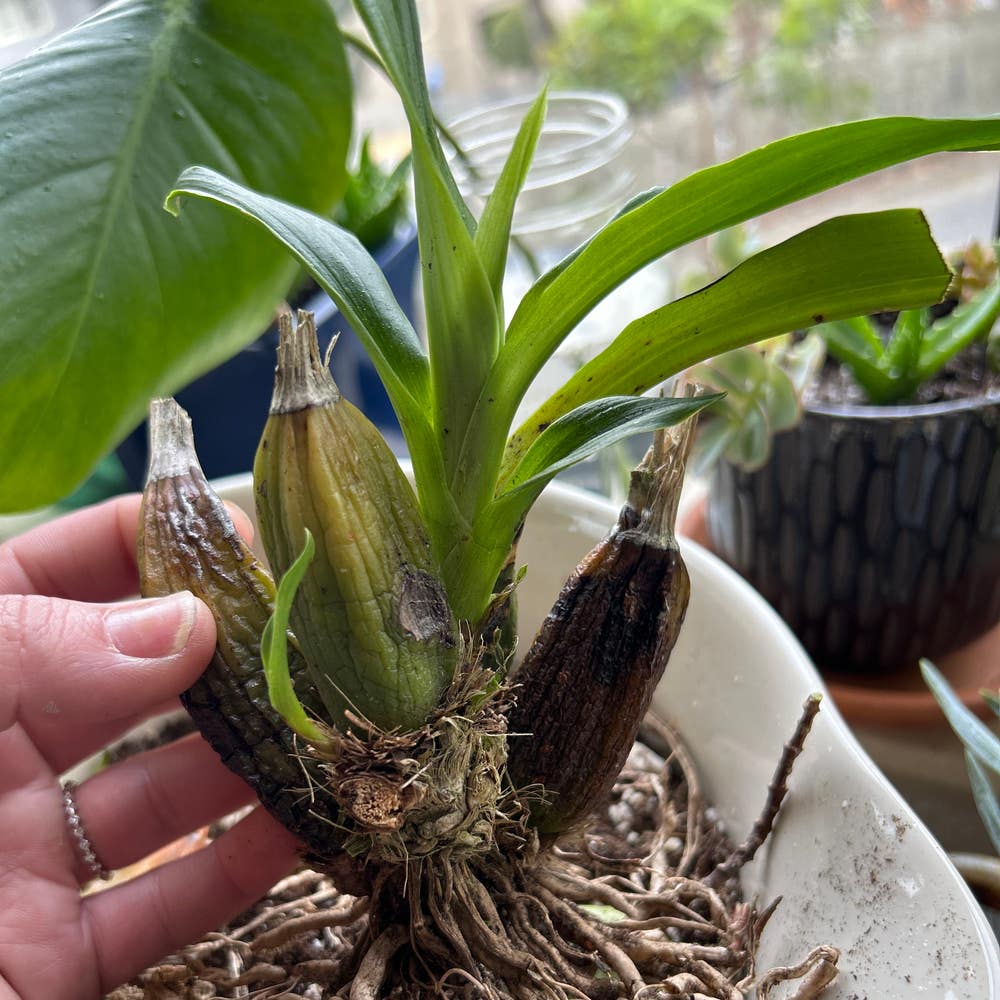
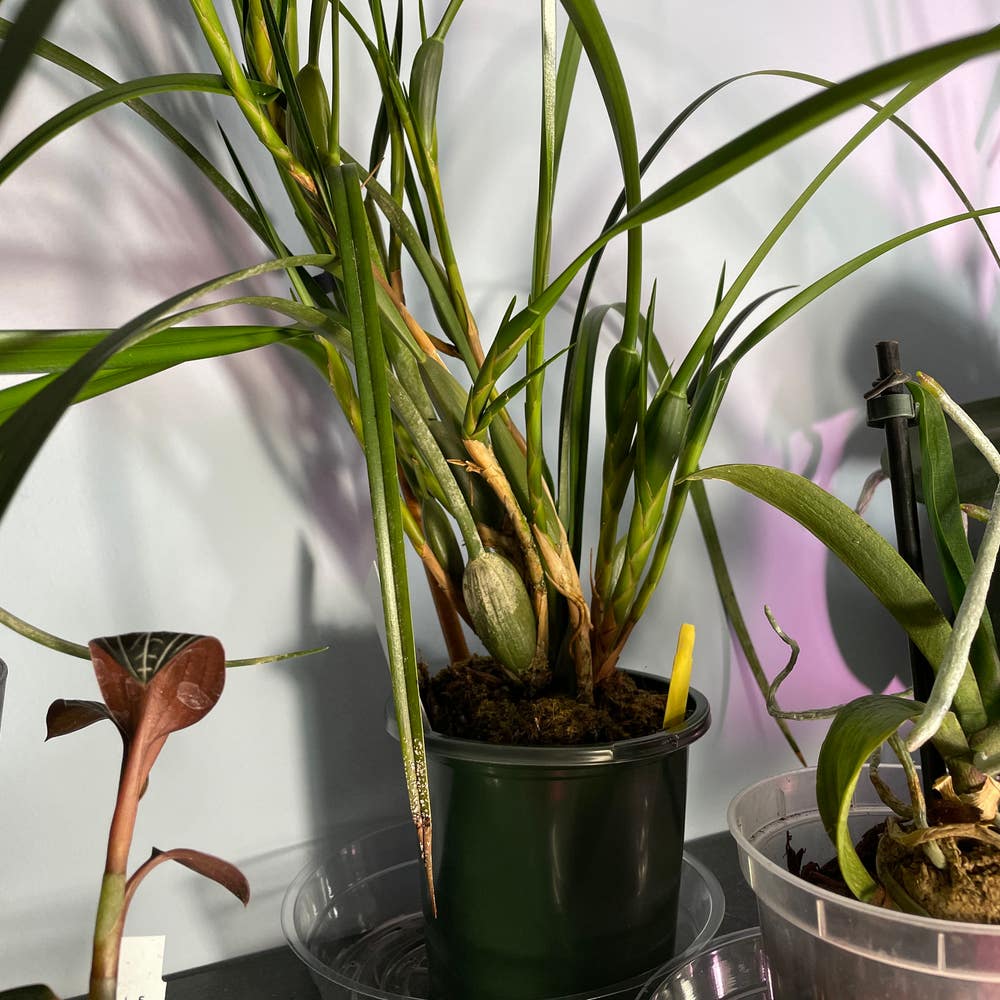
All About Eulophia fernandeziana: Essential Facts
Eulophia fernandeziana
By the Greg Editorial Team
Feb 27, 2025•12 min read
This article was created with the help of AI so we can cover more plants for you. May contain errors. See one? Report it here.
Elevate your garden's beauty effortlessly with Eulophia fernandeziana—simple care for stunning blooms! 🌸🌿
- 🌞 Eulophia fernandeziana thrives in full sun to partial shade with moderate humidity.
- 🌱 Use well-draining, organic-rich soil with a pH of 6.0 to 7.0 for growth.
- 🐾 Safe for pets - Eulophia fernandeziana is non-toxic to humans, dogs, and cats.
How to Grow
Choosing a Location 🌞
Eulophia fernandeziana thrives in full sun to partial shade. Aim for a warm environment, ideally between 20°C to 30°C (68°F to 86°F), and ensure moderate to high humidity for optimal growth.
Soil Preparation 🌱
For soil, select a well-draining mix rich in organic matter. The ideal pH is slightly acidic to neutral, ranging from 6.0 to 7.0, and proper drainage is crucial to prevent root rot.
Planting Techniques 🌿
When planting, space your Eulophia plants 12-18 inches apart to allow for healthy growth. Make sure to plant them at the same depth as they were in their nursery pots for best results.
Watering Requirements 💧
Water your plants when the top inch of soil feels dry to the touch. Deep watering is essential to encourage robust root development.
Fertilizing Schedule 🌼
Use a balanced NPK fertilizer, like 10-10-10, and fertilize every 4-6 weeks during the growing season. This will provide the nutrients necessary for healthy growth.
Pruning and Ongoing Care ✂️
Regularly deadhead spent flowers to promote new blooms. Additionally, conduct routine inspections for pests and diseases to keep your plants healthy and vibrant.
With these tips, you'll be well on your way to cultivating a thriving Eulophia fernandeziana. Next, let’s explore how to propagate this beautiful plant effectively.
Propagation
🌱 Methods of Propagation
Eulophia fernandeziana can be propagated through two primary methods: seeds and division. Both methods are straightforward and can lead to successful new plants.
📋 Step-by-Step Instructions for Each Method
🌾 Seeds
- Collect seeds from mature plants when they are ripe.
- Sow seeds in a well-draining medium to prevent waterlogging.
- Keep the medium moist until germination occurs, which typically takes 2-4 weeks.
✂️ Division
- Choose healthy, mature plants that are ready for division.
- Carefully dig up the plant and separate the root clumps without damaging them.
- Replant immediately in prepared soil to ensure they establish quickly.
⏰ Timing and Conditions for Successful Propagation
The best time for propagation is during spring or early summer. This timing allows the plants to take advantage of the warm weather and longer days, promoting healthy growth.
With these methods, you can easily expand your Eulophia fernandeziana collection and enjoy their beauty in your garden. Next, let’s explore the lifecycle of this fascinating plant.
Lifecycle
🌱 Lifecycle Stages
Eulophia fernandeziana goes through several distinct stages in its lifecycle.
- Germination occurs within 2-4 weeks after sowing seeds, marking the beginning of its journey.
- The seedling stage follows, characterized by the development of true leaves, which are crucial for photosynthesis.
- During the vegetative growth phase, the plant establishes its foliage and roots, setting the foundation for future growth.
- Flowering typically happens in late summer, showcasing the plant's beautiful blooms.
- After flowering, the plant enters the seed production stage, where seeds develop in pods, ready to continue the cycle.
⏳ Duration to Reach Maturity
Eulophia fernandeziana takes approximately 2-3 years to reach full maturity.
This moderate growth rate is influenced by optimal conditions, including light, water, and nutrients.
📅 Lifespan
Once established, this plant can thrive for several years, typically living between 5-10 years.
With proper care, it can become a long-lasting addition to your garden, providing beauty and interest for many seasons.
As you nurture your Eulophia fernandeziana, remember that each stage of its lifecycle is an opportunity to witness the wonders of nature.
Next, let’s explore the size of this remarkable plant and what to expect as it grows.
Size
Mature Height and Spread 🌱
Eulophia fernandeziana typically reaches a mature height of 30-60 cm (12-24 inches). Its spread ranges from 30-45 cm (12-18 inches), making it a compact yet striking addition to your garden.
Growth Rate and Factors Affecting Size 📈
This plant exhibits a moderate growth rate, which can be influenced by several factors. Light, water, and nutrient availability play crucial roles in determining how quickly and robustly your Eulophia fernandeziana will grow.
Size Variability 📏
The size of Eulophia fernandeziana can vary significantly based on soil quality and environmental conditions. Optimal care can lead to lush growth, while less favorable conditions may result in smaller plants.
Understanding these size characteristics helps you plan your garden layout effectively. With the right conditions, this plant can thrive and become a beautiful focal point in your landscape.
As we explore further, let’s dive into the fascinating lifecycle of Eulophia fernandeziana and how it progresses from seed to maturity.
Roots
Characteristics of the Root System 🌱
Eulophia fernandeziana features a fibrous root system that is typically shallow yet spreads extensively. This structure allows the plant to absorb nutrients efficiently while stabilizing itself in the soil.
Common Root-Related Issues ⚠️
Root rot is a significant concern, often caused by overwatering. Symptoms include mushy roots that can lead to plant decline if not addressed promptly.
Another issue is being rootbound, which occurs when the roots grow in circles within the pot. Signs of this condition include stunted growth and roots visibly emerging from drainage holes.
Visual Cues for Healthy vs. Unhealthy Roots 👀
Healthy roots are firm and exhibit a white or light tan color. In contrast, unhealthy roots appear dark, mushy, or may even emit a foul smell, indicating a need for immediate action.
Tips for Managing Root Problems 🛠️
To prevent root rot, ensure proper drainage and avoid overwatering your Eulophia fernandeziana. Regularly check for signs of rootbound plants by looking for roots growing out of drainage holes, and replant if necessary to promote healthy growth.
With these insights, you can maintain a robust root system for your Eulophia fernandeziana, setting the stage for vibrant growth and beautiful blooms. Next, let’s explore the numerous benefits this plant brings to your garden.
Benefits
Eulophia fernandeziana offers a range of benefits that make it a fantastic choice for any garden enthusiast. Here are the top five advantages of incorporating this beautiful plant into your landscape.
1. Attractive Flowers 🌸
The vibrant blooms of Eulophia fernandeziana are a feast for the eyes. Their striking appearance can significantly enhance the aesthetics of your garden, making it a visual delight.
2. Attracts Pollinators 🐝
This plant plays a vital role in supporting local ecosystems. Its flowers attract various pollinators, including bees and butterflies, which are essential for maintaining biodiversity.
3. Low Maintenance 🧑🌾
Once established, Eulophia fernandeziana requires minimal care. This makes it an ideal choice for busy gardeners or those new to plant care.
4. Unique Addition 🌿
Eulophia fernandeziana stands out in tropical and subtropical gardens. Its unique characteristics can add an exotic flair to your plant collection.
5. Cultural Significance 🌍
In many regions, this plant symbolizes beauty and resilience. Incorporating it into your garden can connect you to cultural traditions and stories, enriching your gardening experience.
In summary, Eulophia fernandeziana is not just a pretty face; it offers ecological benefits, ease of care, and cultural depth. With these advantages, it’s easy to see why this plant deserves a spot in your garden. Next, let’s explore the best practices for propagating this remarkable species.
Companion Plants
🌱 Explanation of Companion Planting
Companion planting is a gardening technique that enhances biodiversity and promotes plant health. By strategically placing plants together, you can improve pest management and create a thriving ecosystem in your garden.
🌼 List of Compatible Companion Plants
When growing Eulophia fernandeziana, consider pairing it with:
- Ferns: They thrive in similar light and humidity conditions.
- Other Orchids: These plants share care requirements and can create a stunning display.
- Shade-Tolerant Perennials: They complement the growth habits of Eulophia and help maintain soil moisture.
These companions not only coexist well but also support each other's growth, making your garden more resilient.
🚫 Plants to Avoid
While some plants are great companions, others can hinder growth. Avoid heavy feeders like tomatoes, as they compete for nutrients and can stress Eulophia. Keeping your garden balanced ensures that all plants flourish together.
By carefully selecting companion plants, you can create a vibrant and healthy garden environment. This thoughtful approach not only enhances aesthetics but also promotes a sustainable ecosystem.
Toxicity to Humans
Safety for Humans 🛡️
Eulophia fernandeziana is not listed as toxic by major poison control centers. This means it’s generally safe for handling and can be ingested in small amounts without concern.
Potential Minor Issues ⚠️
While the plant is mostly harmless, consuming large quantities may lead to mild skin irritation or digestive discomfort. It's always wise to be cautious with any plant, just in case.
Recommendations for Caution 🚑
If you experience any unusual symptoms after contact or consumption, seek medical advice promptly. Staying informed and cautious ensures a safe and enjoyable gardening experience.
Toxicity to Dogs
🐶 Safety for Dogs
Eulophia fernandeziana is not listed as toxic by major pet poison control centers. This means it’s generally safe for dogs, posing minimal risk to their health.
⚠️ Potential Minor Issues
While the plant is safe, consuming large quantities may lead to mild gastrointestinal upset. It's always best to monitor your pet's interactions with any plant.
🐾 Tips for Introducing the Plant
To keep your furry friend safe, place the plant out of reach of curious dogs. Additionally, keep an eye on their behavior to ensure they don’t show unusual interest in the plant.
With these precautions, you can enjoy the beauty of Eulophia fernandeziana without worry. Next, let’s explore its safety for cats.
Toxicity to Cats
Safety for Cats 🐱
Eulophia fernandeziana is not listed as toxic by major pet poison control centers. This means it's generally safe for your feline friends, presenting minimal risk in your home.
Potential Minor Issues ⚠️
While the plant is safe, consuming large quantities may lead to mild gastrointestinal upset. It's always best to keep an eye on your cat's behavior around new plants.
Tips for Introducing the Plant 🌿
To ensure a harmonious environment, place the plant out of reach of curious cats. Regularly monitor your cat for any unusual interest in the plant, just to be safe.
With these precautions, you can enjoy the beauty of Eulophia fernandeziana without worrying about your furry companions. Next, let’s explore the common problems that can arise when caring for this unique plant.
Problems
Common Problems 🌱
Growing Eulophia fernandeziana can be rewarding, but it's essential to watch for common issues. Incorrect watering is a frequent culprit; overwatering leads to yellowing leaves, while underwatering causes drooping.
Light conditions also play a significant role. Too much sun can scorch the leaves, while insufficient light results in leggy growth. Temperature extremes can stress the plant, leading to various symptoms.
Diseases 🦠
Fungal diseases can pose a threat to your Eulophia fernandeziana. Look out for powdery mildew, rust, and black rot, which can affect the plant's health.
Identifying these issues early is crucial. Treatment options include improving air circulation, applying fungicides, and ensuring proper watering practices to minimize humidity around the foliage.
Root Problems 🌿
Root rot is a serious concern, often caused by overwatering. Symptoms include mushy roots and stunted growth, so it's vital to ensure proper drainage.
Leaf issues can also arise, with scorching and yellowing indicating stress. Adjusting your watering schedule and ensuring adequate light can help alleviate these problems.
Growth Problems 📈
If your plant isn't growing or fruiting, several factors could be at play. Check for nutrient deficiencies, inadequate light, or pest infestations as potential causes.
Etiolated growth, characterized by long, leggy stems, signals insufficient light. Adjusting the plant's location or providing supplemental lighting can encourage healthier growth.
By staying vigilant and addressing these common problems, you can help your Eulophia fernandeziana thrive and flourish in your garden. Next, let's explore the potential pests that may affect your plant.
Bugs
🐜 Potential Pest Issues
Eulophia fernandeziana is generally resilient against pests, but it can still fall victim to certain nuisances. Keeping an eye out for these pests is crucial for maintaining the health of your plant.
🔍 Identification and Damage
- Spider Mites: Look for fine webbing and stippled leaves, which indicate these tiny pests are at work.
- Scale Insects: These pests leave behind a sticky residue and cause yellowing leaves, making them easy to spot.
- Mealybugs: Identified by their cotton-like masses on stems and leaves, mealybugs can quickly become a problem if not addressed.
🛠️ Effective Treatment Options
Combat these pests using organic methods. Neem oil and insecticidal soap are effective treatments that won't harm your plant or the environment.
Additionally, introducing beneficial insects can help keep pest populations in check. Ladybugs and lacewings are excellent allies in your garden.
By staying vigilant and employing these strategies, you can ensure your Eulophia fernandeziana remains healthy and thriving. Next, let’s explore what animals might be interested in munching on your plant.
What Eats
🦌 Common Animals
Eulophia fernandeziana can attract a variety of hungry critters. Deer often leave signs of their presence with chewed leaves and broken stems, while rabbits tend to nibble on the lower foliage.
Squirrels and rodents may also be a nuisance, digging around the base of the plant in search of food. Keeping an eye out for these animals can help you protect your precious plants.
🔍 Signs of Animal Presence
Identifying signs of animal activity is crucial for early intervention. Look for damage types such as browsing on leaves and stems, which indicates that your plants are being feasted upon.
Uprooting of young plants is another clear sign that animals are taking an interest in your garden. Prompt action can save your plants from further harm.
🚫 Methods for Deterring
To keep these hungry visitors at bay, consider using chemical deterrents like commercial repellents. These products can create an unappealing environment for animals.
Alternatively, you can opt for organic control methods. Planting deterrent species or setting up physical barriers can effectively protect your Eulophia fernandeziana from unwanted munchers.
By being proactive, you can enjoy the beauty of your plants without the worry of them becoming a snack!
⚠️ Safety First
This content is for general information and may contain errors, omissions, or outdated details. It is not medical, veterinary advice, or an endorsement of therapeutic claims.
Always consult a qualified healthcare professional before using any plant as food, medicine, or supplement.
Never eat any plant (or feed one to pets) without confirming its identity with at least two trusted sources.
If you suspect poisoning, call Poison Control (800) 222-1222, the Pet Poison Helpline (800) 213-6680, or your local emergency service immediately.
Spotted an error? Please report it here.
Ensure your Eulophia fernandeziana blooms beautifully 🌸 by using Greg's custom watering alerts and expert care tips tailored just for your plant's needs!