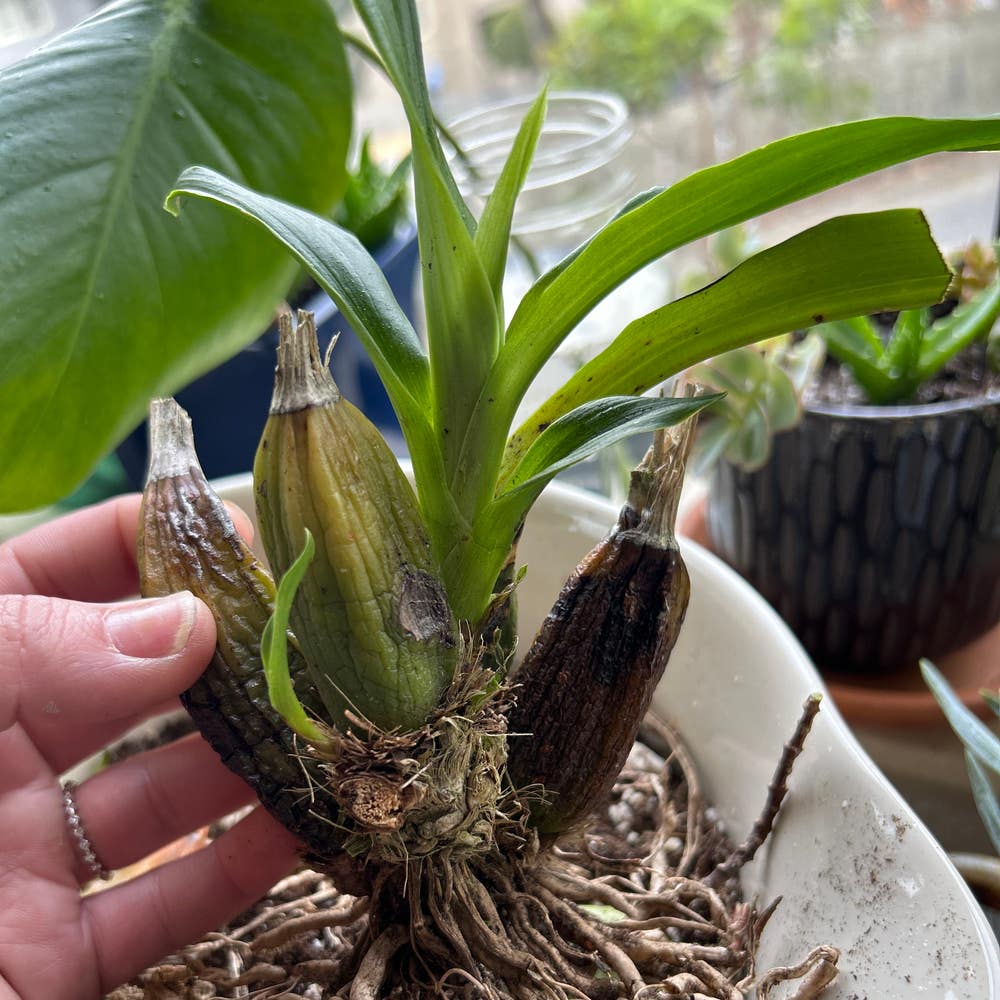
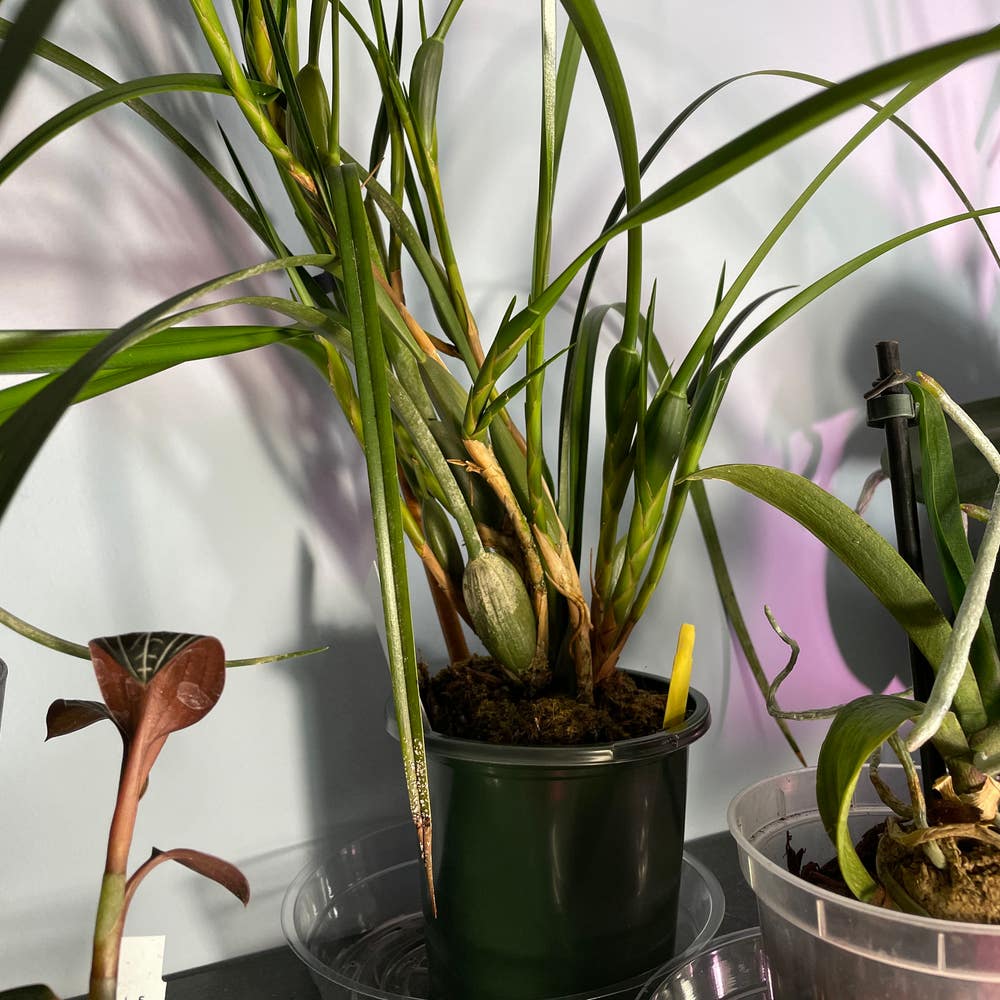
What is a Eulophia falcatiloba? Complete Guide 🌸
Eulophia falcatiloba
By the Greg Editorial Team
Feb 27, 2025•11 min read
This article was created with the help of AI so we can cover more plants for you. May contain errors. See one? Report it here.
Elevate your garden with Eulophia falcatiloba, a stunning orchid that thrives with minimal care! 🌼
- 🌞 Eulophia falcatiloba needs 4-6 hours of sunlight for optimal growth.
- 🌡️ Ideal temperatures range from 20°C to 30°C for healthy development.
- 🌱 Maintain humidity between 50-70% to support this orchid's growth.
How to Grow
Choosing a Location 🌞
Eulophia falcatiloba thrives in a range of light conditions, from full sun to partial shade. Aim for 4-6 hours of direct sunlight daily to keep your plant happy and healthy.
Temperature is another crucial factor. This orchid prefers a cozy environment, ideally between 20°C to 30°C (68°F to 86°F).
Humidity levels should be moderate, with 50-70% being the sweet spot for optimal growth.
Soil Preparation 🏞️
When it comes to soil, Eulophia falcatiloba loves well-draining mixes rich in organic matter. This ensures that the roots have the nutrients they need without sitting in water.
Aim for a slightly acidic to neutral pH, ideally between 6.0 and 7.0. Good drainage is essential to prevent root rot, so consider adding perlite or sand to your mix.
Planting Techniques 🌱
For planting, dig a hole that’s about 2-3 inches deep. This depth allows the roots to establish without being too exposed.
Space your plants 12-18 inches apart to give them room to grow. This spacing helps prevent overcrowding and promotes healthy air circulation.
Watering Requirements 🚰
Watering is key to keeping your Eulophia falcatiloba thriving. Check the top inch of soil; if it feels dry, it’s time to water.
When you do water, aim for the base of the plant. This method helps avoid wetting the foliage, which can lead to fungal issues.
Fertilizing Schedule 🍽️
A balanced orchid fertilizer, like 20-20-20, works wonders for Eulophia falcatiloba. Fertilize every 4-6 weeks during the growing season to keep your plant nourished.
This regular feeding will support robust growth and vibrant blooms.
Pruning and Ongoing Care ✂️
Regular maintenance is essential for a healthy plant. Trim off any yellowing or dead leaves to encourage new growth and keep your plant looking its best.
Keep an eye on overcrowding as well. Thinning out your plant when necessary will help maintain its health and vitality.
With these guidelines, you’re well on your way to successfully growing Eulophia falcatiloba. Next, let’s dive into the fascinating world of propagation!
Propagation
🌱 Seed Propagation
To propagate Eulophia falcatiloba from seeds, start by soaking the seeds in water for 24 hours. This initial step helps kickstart the germination process, which you’ll follow by sowing the seeds in a sterile medium.
For optimal growth, maintain high humidity and warmth, ideally around 25°C (77°F). These conditions mimic the plant's natural habitat, encouraging successful germination within 2-4 weeks.
✂️ Division of Rhizomes
Another effective propagation method is dividing the rhizomes. This technique is best performed in spring or fall when the plant is not actively growing, ensuring minimal stress on the plant.
When dividing, carefully separate the rhizomes, ensuring each piece has healthy roots attached. Replant them immediately to promote quick recovery and growth, allowing your Eulophia falcatiloba to flourish in its new location.
This propagation knowledge sets the stage for a thriving garden, leading us to explore the lifecycle of this fascinating plant next.
Lifecycle
Lifecycle Stages 🌱
Eulophia falcatiloba has a fascinating lifecycle, taking approximately 2-3 years to reach maturity from seed or cutting. Under optimal conditions, seeds germinate within 2-4 weeks, setting the stage for a vibrant growth journey.
Growth and Flowering 🌼
The plant experiences a rapid vegetative growth phase during spring and summer, making it a lively addition to any garden. Typically, Eulophia falcatiloba blooms in late summer to early fall, showcasing its unique flowers and adding a splash of color to your landscape.
As you nurture this plant, you'll witness its transformation from a tiny seedling to a mature beauty, reminding you of the rewards of patience and care. Next, let’s explore the size of Eulophia falcatiloba and what to expect as it grows.
Size
Mature Height and Spread 🌱
Eulophia falcatiloba typically reaches a mature height of 30-60 cm (12-24 inches). Its spread can extend up to 30 cm (12 inches) wide, making it a compact yet visually appealing addition to your garden.
Growth Rate and Time to Full Size ⏳
This orchid exhibits a moderate growth rate, averaging 15-30 cm (6-12 inches) per year under ideal conditions. Expect it to reach its full size in approximately 2-3 years, rewarding your patience with stunning blooms.
Size Variability Based on Growing Conditions 🌦️
The size of Eulophia falcatiloba can vary significantly based on several factors. Light availability, water supply, and soil quality all play crucial roles in determining the plant's overall dimensions and health.
As you cultivate this unique orchid, keep these size factors in mind to ensure optimal growth. With the right care, you’ll enjoy a flourishing plant that enhances your garden's beauty.
Next, let's explore the fascinating root system of Eulophia falcatiloba and how it supports its growth.
Roots
Root System Characteristics 🌱
Eulophia falcatiloba features a rhizomatous root system, which is essential for its stability and nutrient uptake. These roots can extend between 15 to 30 cm (6 to 12 inches) deep and spread horizontally, supporting the plant's growth effectively.
Common Root-Related Issues ⚠️
One of the most common problems is root rot, often caused by overwatering. Symptoms include mushy roots and yellowing leaves, signaling that immediate action is needed.
Another issue is being rootbound, which occurs when the roots become tightly packed in the pot. This condition requires repotting to give the plant room to grow.
Visual Cues for Healthy vs. Unhealthy Roots 👀
Healthy roots are firm, white, and spread out, indicating a thriving plant. In contrast, unhealthy roots appear dark, mushy, or may even emit a foul smell, suggesting serious issues.
Tips for Managing Root Problems 🛠️
To prevent root rot, ensure your pot has proper drainage and avoid overwatering. Additionally, keep an eye out for roots growing out of drainage holes, as this is a clear sign that your plant may be rootbound and needs repotting.
Understanding these root characteristics and issues will help you maintain a healthy Eulophia falcatiloba, setting the stage for vibrant growth and beautiful blooms. Next, let's explore the benefits of this fascinating plant!
Benefits
Ornamental Appeal 🌺
Eulophia falcatiloba boasts unique flowers that can elevate any garden's aesthetics. Their striking appearance adds a touch of elegance and intrigue.
Cultural Significance 🌍
In some African communities, this plant holds cultural importance and is utilized in traditional medicine. Its historical uses add depth to its presence in gardens.
Biodiversity 🌱
By incorporating Eulophia falcatiloba into your garden, you contribute to biodiversity. This plant supports ecosystem balance, making it a valuable addition to any landscape.
Pollinator Attraction 🐝
The flowers of Eulophia falcatiloba are not just beautiful; they attract bees and other beneficial insects. This makes them essential for promoting a healthy garden environment.
Low Maintenance 🧑🌾
Once established, Eulophia falcatiloba requires minimal care. This makes it an ideal choice for both novice and experienced gardeners looking for a hassle-free plant.
These benefits make Eulophia falcatiloba a fantastic choice for enhancing your garden's beauty and ecological health. Next, let’s explore the concept of companion planting and how it can further enrich your gardening experience.
Companion Plants
🌱 Explanation of Companion Planting
Companion planting is a gardening technique that enhances biodiversity and promotes healthy plant growth. By pairing compatible plants, you can improve pest management and create a more vibrant garden ecosystem.
🌼 List of Compatible Companion Plants
When growing Eulophia falcatiloba, consider these suitable companions:
- Ferns: They thrive in similar light and humidity conditions, adding lush greenery.
- Hostas: These shade-loving plants complement the aesthetic and share similar care needs.
- Other shade-loving plants: Look for varieties that enjoy the same moderate conditions.
These companions not only enhance the visual appeal but also create a harmonious growing environment.
🚫 Plants to Avoid Planting Near
While some plants thrive alongside Eulophia falcatiloba, others can hinder its growth.
- Heavy feeders: Avoid planting near nutrient-hungry plants that may compete for resources. This competition can stress your Eulophia and affect its health.
Choosing the right companions is key to a thriving garden. By fostering beneficial relationships among plants, you can cultivate a flourishing space that showcases the beauty of Eulophia falcatiloba.
Next, let’s explore the potential toxicity of this plant to humans and pets, ensuring a safe gardening experience.
Toxicity to Humans
Safety of Eulophia falcatiloba for Humans 🌿
Eulophia falcatiloba is not listed as toxic, making it a safe choice for households. Major poison control centers confirm that while it poses no significant risk, excessive contact may lead to mild skin irritation.
Ingesting large quantities could result in minor digestive discomfort, but such instances are rare. It's always wise to handle any plant with care, especially if you're unsure of its effects.
Cautionary Advice ⚠️
While Eulophia falcatiloba is generally safe, it's essential to exercise caution. If you experience unusual symptoms after contact or ingestion, seek medical advice promptly.
By staying informed and cautious, you can enjoy the beauty of this plant without worry. Now, let’s explore its safety for our furry friends!
Toxicity to Dogs
Safety of Eulophia falcatiloba for Dogs 🐶
Eulophia falcatiloba is not considered toxic to dogs, according to veterinary organizations. While it's generally safe, excessive consumption might lead to mild gastrointestinal upset.
Tips for Introducing to a Home with Dogs 🏡
To ensure a harmonious home, keep Eulophia falcatiloba out of your dog's reach. It's also wise to monitor their behavior around new plants to prevent any unwanted nibbling.
This plant can be a beautiful addition to your garden, but being mindful of your furry friends is key. Next, let’s explore how Eulophia falcatiloba interacts with our feline companions.
Toxicity to Cats
🐱 Safety of Eulophia falcatiloba for Cats
Eulophia falcatiloba is considered safe for cats, as it is not listed as toxic by major pet poison control centers. However, if your feline friend indulges in excessive consumption, it may lead to mild gastrointestinal upset.
🏡 Tips for Introducing to a Home with Cats
When introducing Eulophia falcatiloba into your home, proper placement is key. Monitor your cat's behavior around new plants and gently discourage them from nibbling on non-food items to ensure a harmonious coexistence.
As you explore the wonders of Eulophia falcatiloba, remember that keeping your pets safe is just as important as nurturing your plants. With the right precautions, you can enjoy the beauty of this unique orchid without worry.
Problems
Common Problems Faced When Growing 🌱
Growing Eulophia falcatiloba can be rewarding, but it comes with its share of challenges.
Incorrect Watering
Overwatering can lead to yellowing leaves, while underwatering results in wilting. Finding the right balance is crucial for healthy growth.
Incorrect Light Conditions
Light plays a vital role in plant health. If your Eulophia falcatiloba is leggy or has scorched leaves, it may not be receiving the right amount of sunlight.
Incorrect Temperature
Temperature extremes can stress the plant. Keeping it within its preferred range of 20°C to 30°C (68°F to 86°F) is essential for optimal growth.
Identification and Resolution of Issues 🔍
Identifying problems early can save your plant from serious damage.
Diseases
Fungal issues like powdery mildew can affect Eulophia falcatiloba. Treat these with appropriate fungicides to keep your plant healthy.
Growth Problems
If you notice leggy growth, it’s time to adjust the light conditions. Pruning can also help manage growth and encourage a fuller appearance.
By staying vigilant and addressing these common issues, you can enjoy a thriving Eulophia falcatiloba in your garden. Next, let’s explore potential pest problems that might arise.
Bugs
🐛 Potential Pest Issues
Eulophia falcatiloba is generally pest-resistant, making it a robust choice for gardeners. However, it can still fall victim to certain pests that may disrupt its growth.
🕷️ Identification and Treatment of Relevant Pests
Spider Mites: These tiny pests can be a nuisance. Look for fine webbing on the leaves and stippled damage; treating them with insecticidal soap can effectively eliminate them.
Mealybugs: Identified by their cotton-like masses, mealybugs can sap the plant's vitality. Remove them using alcohol-soaked cotton swabs to keep your plant healthy.
By staying vigilant and addressing these issues promptly, you can ensure your Eulophia falcatiloba thrives beautifully. Next, let’s explore what animals might be interested in snacking on your plant.
What Eats Eulophia falcatiloba
🦌 Common Animals That May Damage
Eulophia falcatiloba can attract a few hungry visitors. Deer are notorious for munching on these plants, leaving behind chewed leaves and broken stems as evidence of their feast.
Rabbits also pose a threat, often leaving cleanly cut stems and missing foliage in their wake. If you notice these signs, it’s time to take action.
🔍 Signs of Animal Presence and Damage
Identifying animal damage is crucial for protecting your Eulophia falcatiloba. Look for chewed leaves or entire plants that seem to vanish overnight, which are clear indicators of animal activity.
If you spot these signs, it’s a good idea to investigate further to determine the culprit.
🚫 Deterrent Methods
To keep these hungry animals at bay, consider using chemical control methods. Repellents designed for deer and rabbits can be effective in discouraging them from approaching your plants.
For a more organic approach, physical barriers like fencing or netting can provide a protective shield. These methods not only safeguard your plants but also allow you to enjoy your garden without worry.
With the right precautions, your Eulophia falcatiloba can thrive, free from the nibbling of curious critters.
⚠️ Safety First
This content is for general information and may contain errors, omissions, or outdated details. It is not medical, veterinary advice, or an endorsement of therapeutic claims.
Always consult a qualified healthcare professional before using any plant as food, medicine, or supplement.
Never eat any plant (or feed one to pets) without confirming its identity with at least two trusted sources.
If you suspect poisoning, call Poison Control (800) 222-1222, the Pet Poison Helpline (800) 213-6680, or your local emergency service immediately.
Spotted an error? Please report it here.
Cultivating Eulophia falcatiloba is a rewarding journey 🌱, and with Greg's custom care reminders, you'll keep your orchid thriving in just the right light and humidity!