Eulophia eylesii var. eylesii: A Comprehensive Overview 🌸
Eulophia eylesii var. eylesii
By the Greg Editorial Team
Feb 27, 2025•11 min read
This article was created with the help of AI so we can cover more plants for you. May contain errors. See one? Report it here.
Transform your garden with Eulophia eylesii 🌱—a stunning, low-maintenance orchid that thrives with simple care!
- 🌞 Eulophia eylesii thrives in partial shade, avoiding direct sunlight to prevent leaf burn.
- 🌱 Ideal growth temperature is 20-30°C with 50-70% humidity for optimal health.
- 🌿 Use well-draining soil rich in organic matter for robust growth and drainage.
How to Grow
🌍 Choosing the Right Location
When growing Eulophia eylesii var. eylesii, selecting the right location is crucial. This plant thrives in partial shade, so avoid direct sunlight to prevent leaf burn.
Ideal temperatures for growth range from 20°C to 30°C (68°F to 86°F). Additionally, maintaining moderate humidity levels between 50-70% will support healthy development.
🏗️ Soil Preparation
Soil preparation is vital for the success of your Eulophia eylesii. Use a well-draining mix rich in organic matter to provide essential nutrients.
Aim for a slightly acidic to neutral pH, ideally between 6.0 and 7.0. Proper drainage is essential to prevent root rot, so ensure your soil allows excess water to escape.
🌱 Planting Techniques
When it comes to planting, depth and spacing are key. Plant the rhizomes 2-3 inches deep to encourage strong root establishment.
Space your plants 12-18 inches apart to allow for adequate growth and airflow. This spacing helps prevent overcrowding and promotes healthy development.
💧 Watering Requirements
Watering is another critical aspect of care. Keep the soil consistently moist but avoid sogginess, which can lead to root problems.
Using a watering can or drip irrigation is recommended to prevent wetting the foliage. This method helps maintain healthy leaves and reduces the risk of fungal issues.
🌿 Fertilizing Schedule
A balanced orchid fertilizer, such as a 20-20-20 mix, is ideal for Eulophia eylesii. Fertilize every 4-6 weeks during the growing season to provide necessary nutrients.
This regular feeding will support robust growth and flowering, ensuring your plant remains healthy and vibrant.
✂️ Pruning and Ongoing Care
Pruning is essential for maintaining the health of your plant. After flowering, remove spent blooms and dead leaves to encourage new growth.
Use clean, sharp scissors for pruning to avoid damaging the plant. This simple step can significantly enhance its overall appearance and vitality.
🌳 Outdoor vs. Container Growing Considerations
Deciding between outdoor and container growing can impact your plant's success. For outdoor growing, ensure the area receives partial shade and has well-draining soil.
If you opt for container growing, choose pots with drainage holes and consider using an orchid potting mix. This setup will provide the necessary environment for your Eulophia eylesii to thrive.
With these guidelines, you’re well on your way to successfully growing Eulophia eylesii var. eylesii. Next, let’s explore propagation methods to expand your collection!
Propagation
Seed Propagation 🌱
To propagate Eulophia eylesii var. eylesii from seeds, start by sowing them on a sterile medium. This process requires mycorrhizal fungi to ensure successful germination, which typically takes about 4-6 weeks under optimal conditions.
Division of Rhizomes ✂️
Dividing rhizomes is another effective propagation method. The best time to do this is in spring or early summer; carefully separate the rhizomes, making sure each division has roots to promote healthy growth.
Tissue Culture Methods 🧪
For those looking for a more advanced approach, tissue culture methods can be employed. This technique allows for the production of disease-free plants in a controlled environment, ensuring high-quality specimens for your garden.
With these propagation methods, you can expand your collection of Eulophia eylesii var. eylesii and share this beautiful plant with fellow enthusiasts. Next, let’s explore the lifecycle of this fascinating perennial.
Lifecycle
Lifecycle Type 🌱
Eulophia eylesii var. eylesii is a perennial plant, meaning it can thrive for multiple years. This longevity allows gardeners to enjoy its beauty and benefits over time.
Stages of Growth 🌿
The lifecycle consists of several key stages: starting from seed or cutting, it progresses through germination, the seedling stage, vegetative growth, flowering, and finally, seed production. Each stage is crucial for the plant's overall development and health.
Lifespan and Growth Rate ⏳
With proper care, this orchid can live for several years, showcasing its resilience. It has a moderate growth rate, typically taking about 2-3 years to reach full maturity, making patience a virtue for any gardener.
Importance of Care 🛠️
Understanding these lifecycle stages is essential for providing the right care at each phase. By recognizing the needs of Eulophia eylesii var. eylesii throughout its lifecycle, you can ensure it flourishes beautifully.
As we move forward, let’s explore the size of this captivating plant and how it can fit into your garden.
Size
Mature Height and Spread 🌱
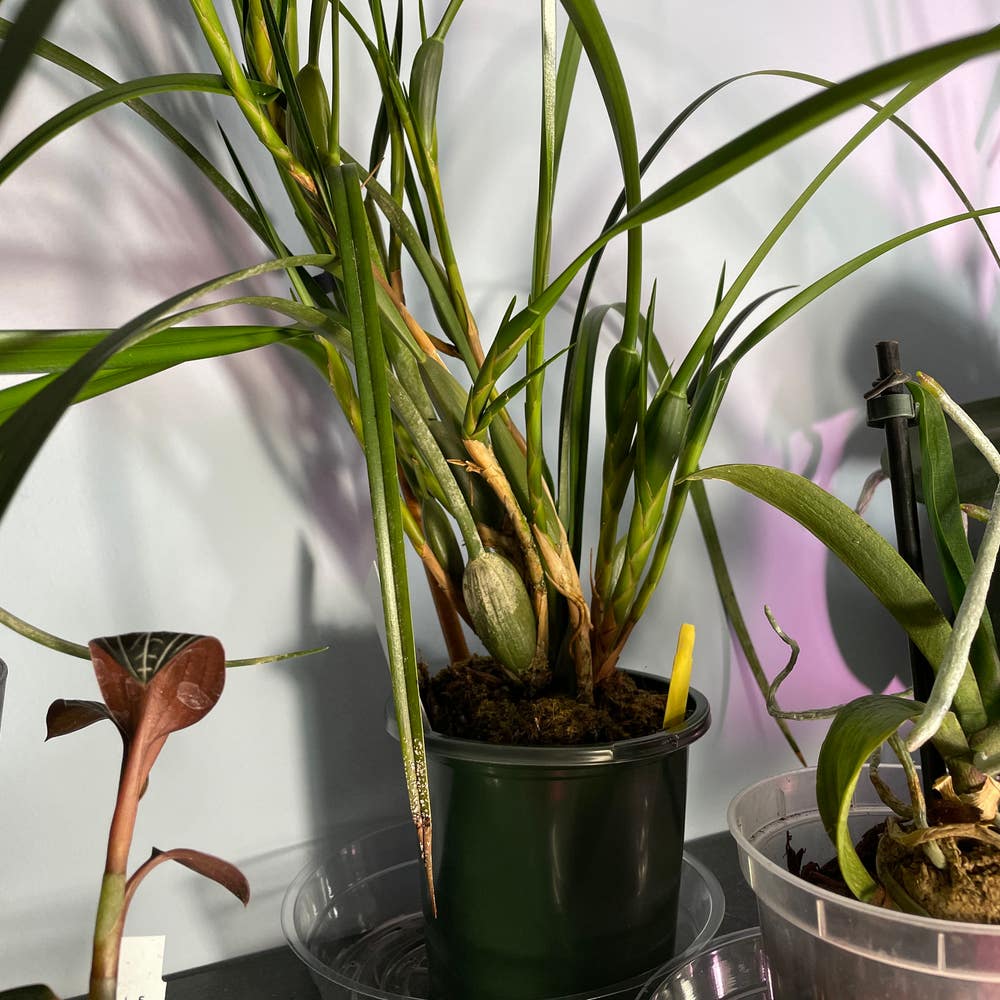
Eulophia eylesii var. eylesii typically reaches a mature height of 30 to 60 cm (12 to 24 inches). Its spread can extend up to 30 cm (12 inches), depending on the growing conditions.
Growth Rate and Time to Reach Full Size ⏳
Under optimal conditions, this plant takes about 2 to 3 years to reach its full size. Patience is key, as the growth rate is moderate.
Size Variability Based on Growing Conditions 🌍
Several factors can influence the size of Eulophia eylesii var. eylesii. Light availability, water supply, and nutrient levels all play significant roles in determining how large your plant will grow.
Understanding these aspects can help you create the ideal environment for your Eulophia eylesii var. eylesii, ensuring it thrives and reaches its full potential. Next, let’s explore the fascinating root system that supports this beautiful plant.
Roots
Description of the Root System 🌱
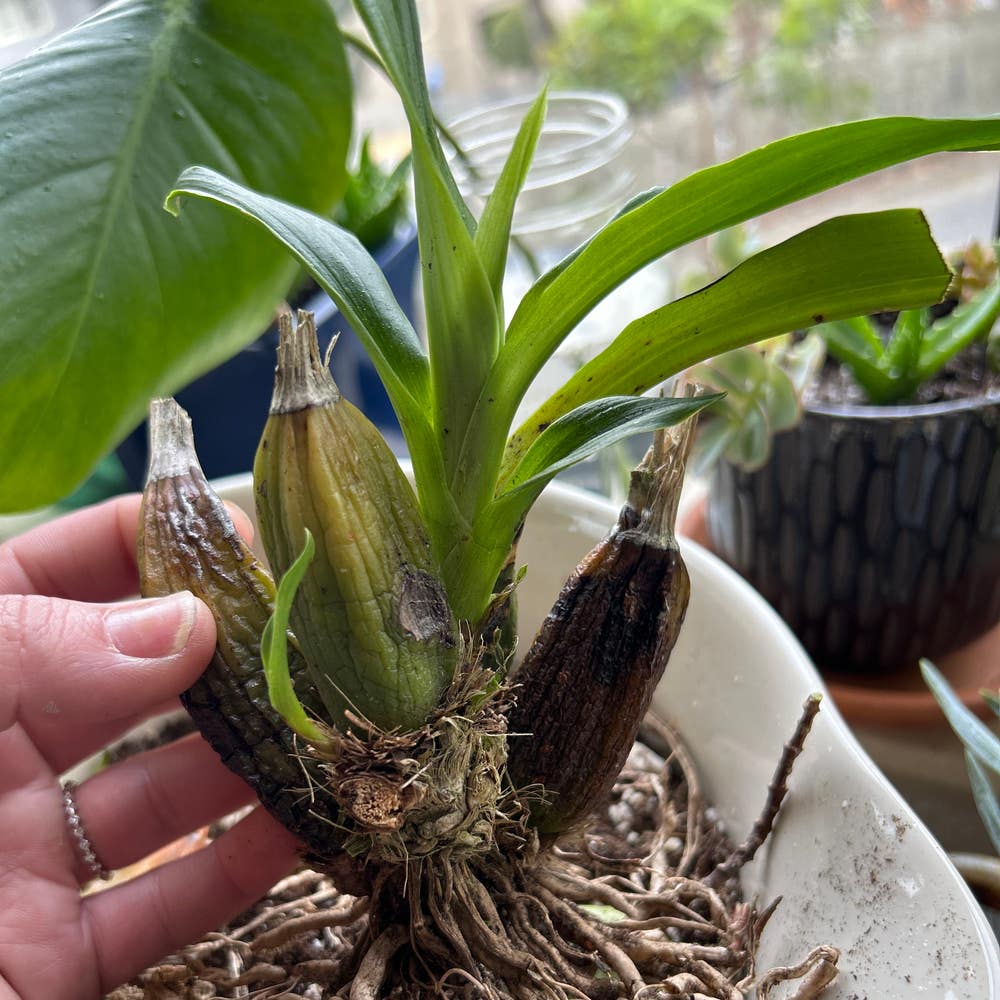
Eulophia eylesii var. eylesii features a rhizomatous root system that plays a crucial role in nutrient and water storage. These thick, fleshy roots can spread widely, allowing the plant to thrive in various conditions.
Root Depth and Spread 📏
Typically, the roots extend 6-12 inches deep, providing stability and access to moisture. They can also spread horizontally up to 18 inches, which helps the plant absorb nutrients effectively.
Common Root-Related Issues ⚠️
Root rot is a common problem, often caused by overwatering. To prevent this, ensure proper drainage in your planting medium.
Rootbound conditions occur when the roots fill the container, leading to stunted growth. Recognizing this issue early can help you take corrective action.
Visual Cues for Healthy vs. Unhealthy Roots 👀
Healthy roots are firm, white, and plump, indicating a well-functioning plant. In contrast, unhealthy roots appear dark, mushy, or shriveled, signaling potential problems.
Solutions for Root Problems 🛠️
To address root rot, reduce watering and improve drainage to allow the roots to recover. For rootbound plants, repotting into a larger container with fresh soil can provide the necessary space for growth.
Understanding the root system of Eulophia eylesii var. eylesii is essential for its successful cultivation. With proper care and attention, you can ensure your plant thrives and flourishes.
Next, let’s explore the benefits of growing this unique orchid.
Benefits
Aesthetic Appeal 🌸
Eulophia eylesii var. eylesii boasts unique flowers that can truly enhance the beauty of any garden. Their striking appearance adds a touch of elegance and intrigue, making them a favorite among plant enthusiasts.
Biodiversity 🌍
This orchid contributes significantly to garden biodiversity. By incorporating Eulophia eylesii into your landscape, you support a healthier ecosystem, promoting a variety of plant and animal life.
Low Maintenance 🧘♀️
Once established, this plant is remarkably low maintenance. It thrives with minimal care, making it an excellent choice for both novice and experienced gardeners.
Cultural Significance 📜
Eulophia eylesii holds cultural importance in various traditions, particularly in local medicine. Its historical uses add depth to its appeal, connecting gardeners to a rich heritage.
Attracts Pollinators 🐝
The flowers of Eulophia eylesii are not just beautiful; they also attract pollinators like bees and butterflies. This not only benefits the plant but also supports the broader ecosystem by encouraging pollination.
Incorporating Eulophia eylesii into your garden brings a wealth of benefits, from aesthetic charm to ecological contributions. Next, let's explore companion plants that can enhance your gardening experience even further.
Companion Plants
Explanation of Companion Planting 🌱
Companion planting is a gardening technique that enhances biodiversity and promotes plant health. By strategically placing certain plants together, you can improve pest management and create a thriving ecosystem.
List of Compatible Companion Plants 🌼
When growing Eulophia eylesii var. eylesii, consider pairing it with:
- Ferns: They thrive in similar light and humidity conditions.
- Shade-tolerant perennials: These plants can coexist without competing for resources.
- Other orchids: They often share care requirements, making them ideal companions.
These plants not only complement each other but also create a visually appealing garden.
Plants to Avoid Planting Near 🚫
It's crucial to avoid planting Eulophia eylesii var. eylesii near:
- Full sun plants: They can outcompete for light and resources.
- Aggressive growers: These plants may overshadow or choke out your orchids.
Keeping these incompatible plants at a distance will help ensure your Eulophia thrives.
Discussion of Symbiotic Relationships 🤝
One of the key players in companion planting is mycorrhizal fungi. These beneficial fungi form symbiotic relationships with plant roots, enhancing nutrient uptake and overall plant health. By fostering these relationships, you can significantly improve the growth and resilience of your Eulophia eylesii var. eylesii.
Incorporating companion plants not only enriches your garden but also supports a healthier environment for your orchids. As you explore these relationships, you'll find that gardening becomes a more rewarding and interconnected experience.
Problems
Common Problems 🌱
Growing Eulophia eylesii var. eylesii can come with its share of challenges. Here are some common issues to watch out for:
- Incorrect watering: Look for wilting or yellowing leaves as signs of distress.
- Incorrect light conditions: Leaf scorch or etiolation indicates your plant may be getting too much or too little light.
- Incorrect temperature: Stunted growth or poor flowering can signal temperature issues.
- Diseases: Fungal problems like powdery mildew and root rot can arise if conditions aren't right.
- Growth problems: Leaning or leggy growth often results from insufficient light.
Identification and Causes of Issues 🔍
Identifying the symptoms of these problems is crucial for effective care.
- Incorrect watering: Wilting leaves may suggest overwatering, while yellowing can indicate underwatering.
- Incorrect light conditions: Scorched leaves show too much sun, while elongated stems suggest a lack of light.
- Incorrect temperature: Stunted growth points to temperature extremes, either too hot or too cold.
- Diseases: Fungal issues often manifest as spots or a white powdery coating on leaves.
- Growth problems: Leaning plants typically indicate they are searching for more light.
The causes of these issues often stem from overwatering, poor light conditions, or pest infestations.
Solutions for Each Identified Problem 🛠️
Fortunately, most problems have straightforward solutions.
- For incorrect watering: Adjust your watering schedule. Ensure the soil is moist but not soggy.
- For incorrect light conditions: Move your plant to a location with appropriate light levels, ideally partial shade.
- For incorrect temperature: Monitor the temperature and relocate your plant if necessary to maintain the ideal range.
- For diseases: Treat fungal issues promptly with appropriate fungicides and improve air circulation around the plant.
- For growth problems: Increase light exposure gradually to encourage upright growth.
By addressing these issues early, you can help your Eulophia eylesii thrive. With the right care, your plant will flourish, bringing beauty and diversity to your garden.
Bugs
🐛 Potential Pest Issues
Eulophia eylesii var. eylesii can face challenges from various pests. Being aware of these potential issues is crucial for maintaining a healthy plant.
🔍 Identification of Common Pests
- Spider Mites: Look for fine webbing and stippled leaves, which indicate their presence.
- Scale Insects: These pests leave behind sticky residue and cause yellowing leaves.
- Mealybugs: Identified by their white, cotton-like masses on stems and leaves, they can be quite damaging.
🛠️ Effective Treatment Options for Pest Control
To combat these pests, several effective treatment methods are available:
- Neem Oil: A natural pesticide that disrupts the life cycle of pests.
- Insecticidal Soap: This option suffocates pests on contact and is safe for the plant.
- Manual Removal: For minor infestations, simply wiping pests off with a damp cloth can be effective.
By staying vigilant and addressing pest issues promptly, you can ensure your Eulophia eylesii thrives. Next, let’s explore what animals might pose a threat to your plant.
What Eats Eulophia eylesii var. eylesii
🦌 Common Animals That May Damage the Plant
Eulophia eylesii var. eylesii can attract a few hungry visitors.
- Deer: These graceful creatures may munch on your plants, leaving behind chewed leaves and broken stems.
- Rabbits: Known for their nibbling habits, rabbits can quickly decimate foliage if left unchecked.
- Squirrels: These energetic critters might dig around the base of the plant, causing disruption to the roots.
🐾 Signs of Animal Presence and Types of Damage
Identifying the signs of animal activity can help you protect your plant.
- Deer: Look for torn leaves and broken branches, which indicate their grazing habits.
- Rabbits: You might notice clean cuts on the edges of leaves, a telltale sign of rabbit nibbling.
- Squirrels: Their digging can disturb the soil, leading to exposed roots and potential stress for the plant.
🚫 Deterrent Methods for Protecting the Plant
Keeping your Eulophia safe from these animals requires a few strategic moves.
- Chemical methods: Consider using commercial repellents designed to deter deer and rabbits. These can be effective but may need frequent reapplication.
- Organic methods: Homemade deterrents, like garlic spray, can be a natural way to keep pests at bay. Physical barriers, such as fencing or netting, can also provide protection against these hungry animals.
By being proactive and observant, you can help ensure your Eulophia eylesii thrives without unwanted visitors. Next, let’s explore common problems that may arise while caring for this unique plant.
⚠️ Safety First
This content is for general information and may contain errors, omissions, or outdated details. It is not medical, veterinary advice, or an endorsement of therapeutic claims.
Always consult a qualified healthcare professional before using any plant as food, medicine, or supplement.
Never eat any plant (or feed one to pets) without confirming its identity with at least two trusted sources.
If you suspect poisoning, call Poison Control (800) 222-1222, the Pet Poison Helpline (800) 213-6680, or your local emergency service immediately.
Spotted an error? Please report it here.
Ensure your Eulophia eylesii thrives 🌿 with Greg's personalized care tips and watering reminders, making it easy to cultivate this stunning orchid in your garden!