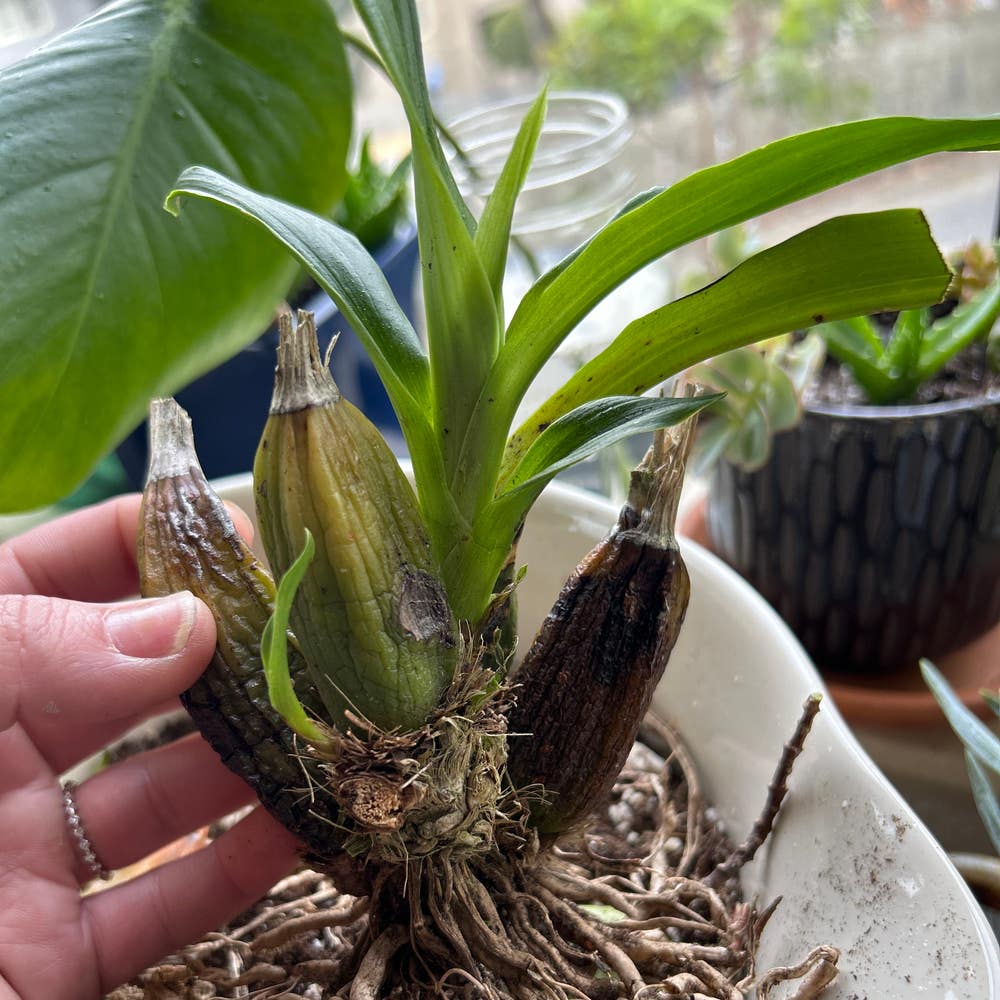
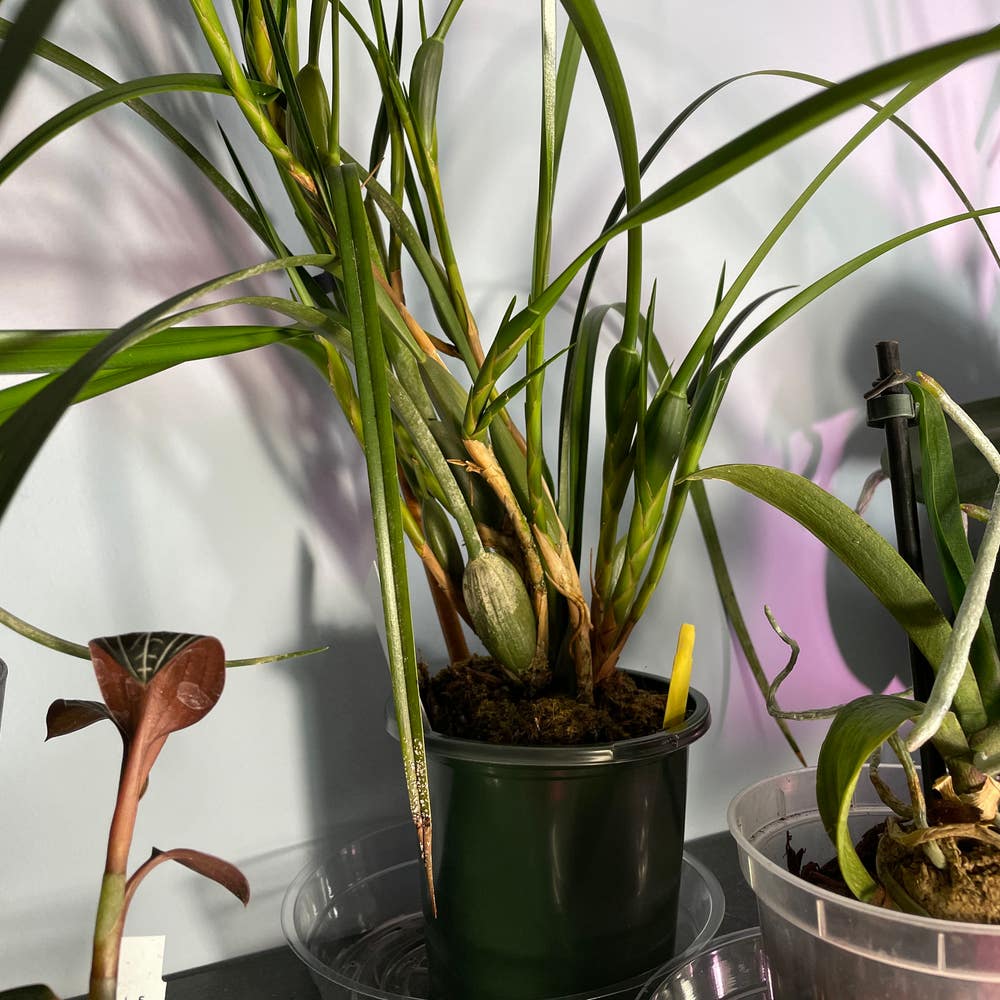
Everything You Need to Know About Eulophia eylesii 🌸
Eulophia eylesii
By the Greg Editorial Team
Feb 27, 2025•8 min read
This article was created with the help of AI so we can cover more plants for you. May contain errors. See one? Report it here.
Elevate your garden's beauty effortlessly with Eulophia eylesii, a stunning orchid that thrives with minimal care! 🌼
- 🌞 Eulophia eylesii thrives in warm climates with full sun to partial shade.
- 🌱 Plant in well-draining soil with a pH of 6.0 to 7.0 for optimal growth.
- 🐝 Attracts pollinators and enhances garden aesthetics with unique flowers.
How to Grow
Choosing a Location 🌞
Eulophia eylesii thrives in full sun to partial shade, making it adaptable to various garden settings. Ideally, it prefers warm climates, flourishing best when temperatures stay above 15°C (59°F).
Soil Preparation 🌱
For optimal growth, plant Eulophia eylesii in well-draining soil enriched with organic matter. Aim for a slightly acidic to neutral pH, ideally between 6.0 and 7.0, and ensure good drainage to prevent root rot.
Planting Techniques 🌿
When planting tubers, dig a hole 2-3 inches deep. Space them 12-18 inches apart to allow ample room for growth.
Watering Requirements 💧
Keep the soil consistently moist but not soggy by watering regularly. Focus on watering at the base of the plant to avoid wetting the foliage, which can lead to disease.
Fertilizing Schedule 🌼
Use a balanced NPK fertilizer, such as 10-10-10, to nourish your plants. Fertilize every 4-6 weeks during the growing season to promote healthy growth.
Pruning Practices ✂️
Prune Eulophia eylesii after flowering to encourage new growth. Remove any dead or damaged leaves and spent flower stalks to keep the plant healthy.
Ongoing Care 🔍
Regularly monitor your plants for signs of stress or disease. Adjust your care routine seasonally, such as reducing watering during dormancy, to keep your Eulophia eylesii thriving.
This section sets the foundation for successfully growing Eulophia eylesii. Next, let’s explore how to propagate this beautiful plant for even more blooms in your garden.
Propagation
Seed Propagation 🌱
To propagate Eulophia eylesii from seeds, start by sowing them in a sterile medium. Maintaining humidity is crucial, as it encourages successful germination.
Under optimal conditions, expect germination to take about 2-4 weeks. This moderate difficulty process rewards patience with new plants ready for growth.
Division of Tubers 🌿
Dividing tubers is best done in early spring, just before new growth begins. Carefully separate the tubers and replant them immediately to ensure they thrive.
This method not only helps in propagation but also rejuvenates the parent plant, promoting healthier growth.
Offsets and Cuttings ✂️
Offsets can be taken by gently twisting them off from the parent plant. This simple technique allows you to expand your collection effortlessly.
Once removed, plant the offsets in well-draining soil and water them lightly. This straightforward approach makes propagation accessible to all gardeners.
With these propagation methods, you can easily multiply your Eulophia eylesii plants, enhancing your garden's beauty and diversity. Next, let’s explore the lifecycle of this fascinating plant.
Lifecycle
Lifecycle Stages 🌱
Eulophia eylesii undergoes several distinct stages throughout its lifecycle. It begins with seed or cutting propagation, followed by germination, the seedling stage, vegetative growth, flowering, and finally, seed production.
Lifespan 🌳
This resilient plant can live for several years, making it a long-term addition to your garden. With proper care, you can enjoy its beauty and benefits for many seasons.
Growth Timeline ⏳
Typically, Eulophia eylesii takes about 2-3 years to reach full maturity. This moderate growth rate allows you to witness its transformation from a small seedling to a stunning flowering plant, rewarding your patience along the way.
As you nurture this plant, you'll find that understanding its lifecycle stages enhances your gardening experience. Next, let's explore the size of Eulophia eylesii and what to expect as it matures.
Size
Mature Dimensions 🌱
Eulophia eylesii reaches a mature height of 30-60 cm (12-24 inches) and spreads out to about 30-45 cm (12-18 inches). This size makes it a versatile choice for various garden settings, whether in containers or garden beds.
Growth Rate 📈
The growth rate of Eulophia eylesii is moderate, depending on factors like light, water, and soil conditions. You'll notice that size can vary significantly based on the environment, so keep this in mind when planning your garden layout.
Size Variability 📏
In different settings, such as a container versus a garden bed, the plant's size may differ. This variability can be influenced by the care it receives and the conditions it’s grown in, making it essential to monitor its environment for optimal growth.
As you consider adding Eulophia eylesii to your garden, remember that its size and growth can be tailored to fit your space. Next, let’s explore the fascinating lifecycle of this unique plant.
Roots
🌱 Root System Characteristics
Eulophia eylesii features a tuberous root system that provides both storage and stability. These roots can extend up to 30 cm (12 inches) deep and spread widely, allowing the plant to access nutrients and water effectively.
👍 Healthy vs. Unhealthy Roots
Healthy roots are firm, white, and plump, indicating a thriving plant. In contrast, unhealthy roots appear dark, mushy, or shriveled, signaling potential problems that need immediate attention.
⚠️ Common Root Issues
One of the most common issues is root rot, which is caused by overwatering. To prevent this, ensure proper drainage in your planting medium.
Another concern is being rootbound, which occurs when the roots fill the container. Signs of this include stunted growth and a lack of vigor, indicating it's time to repot or divide the plant.
Understanding these root characteristics and issues is essential for maintaining the health of your Eulophia eylesii. With the right care, you can enjoy a flourishing plant that adds beauty to your garden.
Next, let's explore the benefits of growing this unique orchid.
Benefits
Top 5 Benefits 🌟
Eulophia eylesii offers a range of benefits that make it a fantastic addition to any garden.
1. Aesthetic Appeal
The unique flowers of Eulophia eylesii can truly enhance the beauty of your garden. Their striking appearance adds a touch of elegance and intrigue.
2. Ecological Contribution
This plant plays a vital role in attracting pollinators like bees and butterflies. By incorporating Eulophia eylesii into your landscape, you support local ecosystems.
3. Cultural Significance
In some cultures, Eulophia eylesii is valued for its medicinal properties. This adds a layer of historical and cultural richness to your gardening experience.
4. Versatility
Eulophia eylesii thrives in various garden settings, from containers to expansive landscapes. Its adaptability makes it suitable for both novice and experienced gardeners.
5. Low Maintenance
Once established, this plant requires minimal care. Its resilience allows you to enjoy its beauty without the constant upkeep.
Incorporating Eulophia eylesii into your garden not only beautifies your space but also contributes positively to the environment. Next, let’s explore how to propagate this remarkable plant for even more gardening joy.
Companion Plants
🌱 Companion Planting Benefits
Companion planting is a fantastic way to enhance your garden's diversity and improve pest management. By strategically placing plants together, you can create a more balanced ecosystem that supports healthy growth.
🤝 Compatible Companions
When growing Eulophia eylesii, consider pairing it with other orchids, ferns, and shade-tolerant perennials. These companions share similar care needs and can help repel pests, creating a harmonious garden environment.
🚫 Plants to Avoid
It's wise to steer clear of heavy feeders or plants that require excessive moisture. These plants can compete for nutrients and water, potentially harming your Eulophia eylesii's growth and overall health.
By choosing the right companions, you can cultivate a thriving garden that not only looks beautiful but also supports the health of your Eulophia eylesii. Next, let’s explore common problems you might encounter while growing this unique plant.
Problems
Common Issues 🌱
Growing Eulophia eylesii can be rewarding, but it’s not without its challenges. Incorrect watering is a frequent issue, often leading to wilting or yellowing leaves.
Another common problem arises from improper light conditions. If your plant shows signs of leaf scorch or becomes leggy, it’s time to reassess its placement.
Symptoms and Solutions 💡
Overwatering can be detrimental. If you notice your plant's leaves drooping or turning yellow, it’s crucial to adjust your watering schedule and enhance drainage.
For light-related issues, simply relocating your plant to a brighter or more suitable spot can make a world of difference. Ensuring your Eulophia eylesii receives the right amount of light will promote healthier growth and vibrant blooms.
With these tips, you can tackle common problems and keep your plant thriving!
Bugs
🛡️ Pest Resistance
Eulophia eylesii boasts a moderate level of pest resistance, making it a resilient choice for gardeners. However, it can still fall prey to specific pests that require attention.
🐜 Common Pests
- Spider Mites: Look for tiny webs and stippled leaves, which indicate their presence. These pests thrive in dry conditions and can quickly damage your plant.
- Mealybugs: Identified by their cotton-like masses on stems and leaves, mealybugs can weaken your plant if left unchecked.
💊 Treatment Options
To combat spider mites, increase humidity around your plant and apply insecticidal soap for effective treatment. For mealybugs, you can either remove them by hand or treat the affected areas with neem oil to restore your plant's health.
With proper care and vigilance, you can keep your Eulophia eylesii thriving and pest-free. Next, let’s explore what garden animals might be interested in munching on your beautiful plant.
What Eats
Common Garden Animals 🦌
Eulophia eylesii can attract a few garden visitors that may pose a threat to its health.
- Deer: Look for signs like chewed leaves and broken stems, which indicate these graceful creatures have taken a nibble.
- Rabbits: If you notice clipped stems and missing foliage, it’s likely these furry friends are enjoying your plants as a snack.
Deterrent Methods 🚫
Protecting your Eulophia eylesii from these hungry animals is essential for its growth and vitality.
- Chemical methods: Consider using commercial repellents designed to deter deer and rabbits effectively.
- Organic methods: Alternatively, you can plant deterrent herbs or set up physical barriers to keep these critters at bay.
By employing these strategies, you can help ensure your Eulophia eylesii thrives without unwanted munching. Next, let’s explore the common problems that may arise while growing this beautiful plant.
⚠️ Safety First
This content is for general information and may contain errors, omissions, or outdated details. It is not medical, veterinary advice, or an endorsement of therapeutic claims.
Always consult a qualified healthcare professional before using any plant as food, medicine, or supplement.
Never eat any plant (or feed one to pets) without confirming its identity with at least two trusted sources.
If you suspect poisoning, call Poison Control (800) 222-1222, the Pet Poison Helpline (800) 213-6680, or your local emergency service immediately.
Spotted an error? Please report it here.
Grow your Eulophia eylesii to bloom beautifully 🌸 with Greg's tailored watering plans and reminders that keep your plant thriving in any garden!