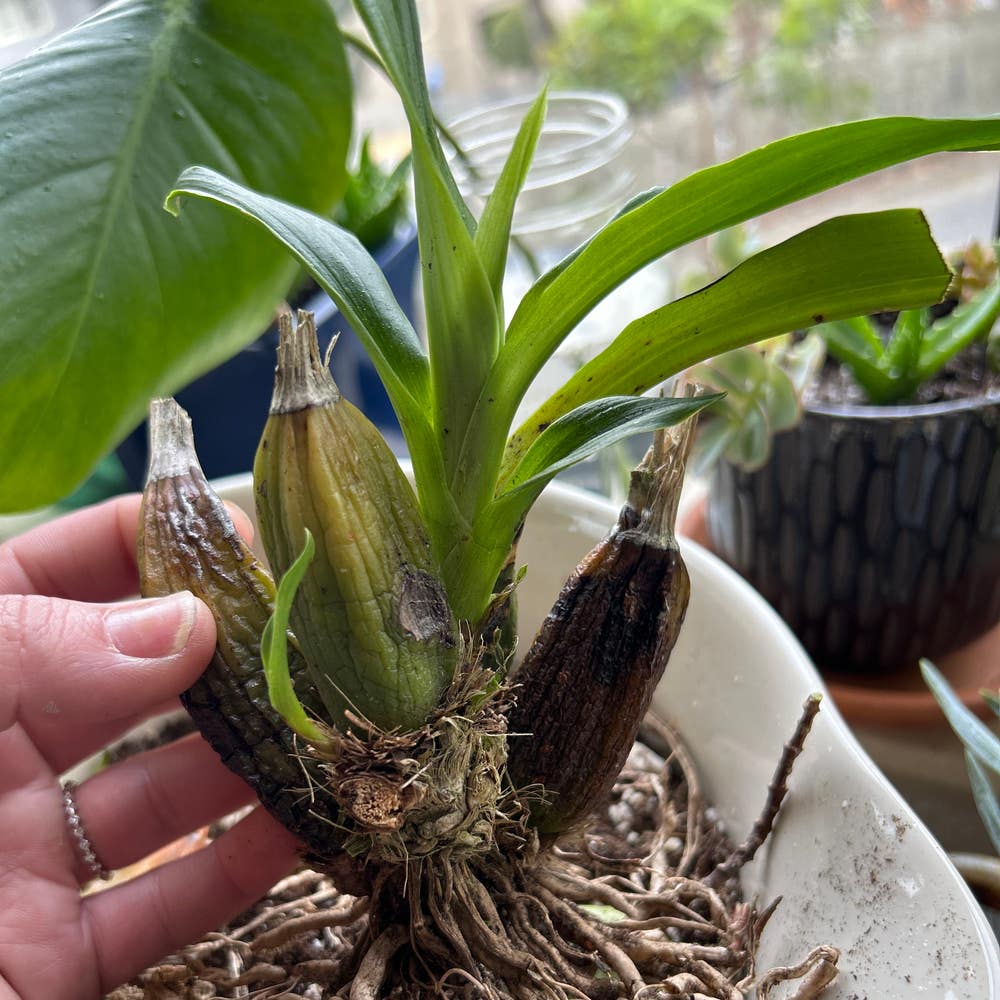
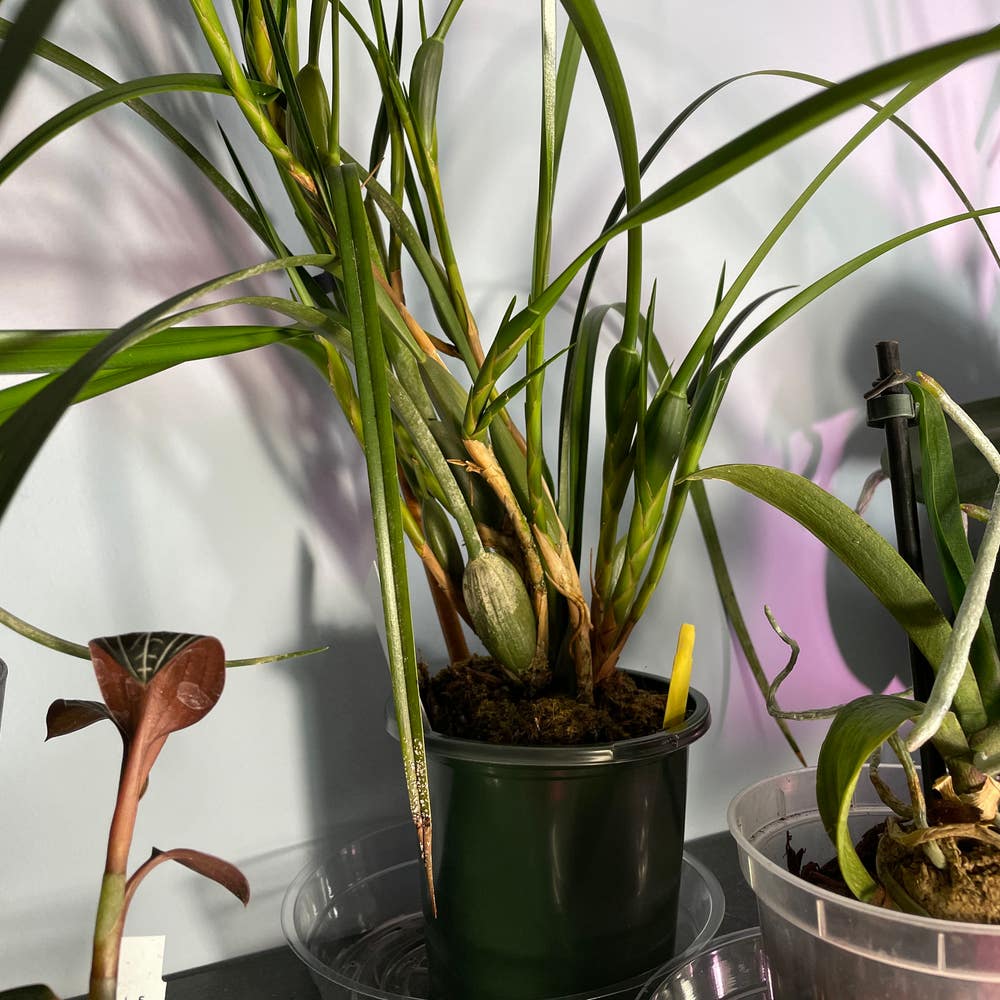
Overview of Eulophia epiphanoides 🌸
Eulophia epiphanoides
By the Greg Editorial Team
Feb 27, 2025•9 min read
This article was created with the help of AI so we can cover more plants for you. May contain errors. See one? Report it here.
- 🌞🌿 Eulophia epiphanoides thrives in warm, humid climates with full sun to partial shade.
- 🌱💧 Well-draining, organic-rich soil is essential for healthy growth and root development.
- 🐝🌸 Attractive flowers enhance gardens and attract pollinators like bees and butterflies.
How to Grow
Choosing a Location 🌞
Eulophia epiphanoides thrives in full sun to partial shade, making it versatile for various garden settings. It prefers warm, tropical climates, ideally between 20°C to 30°C (68°F to 86°F), and requires high humidity levels of 60% or higher to flourish.
Soil Preparation 🌱
For optimal growth, use well-draining soil rich in organic matter. Aim for a slightly acidic to neutral pH, ideally between 6.0 and 7.0, and ensure proper drainage to avoid waterlogged conditions that can harm the plant.
Planting Techniques 🌿
When planting, dig a hole 2-3 inches deep and space each plant 12-18 inches apart. This spacing allows for adequate air circulation and room for growth, ensuring your Eulophia epiphanoides can thrive.
Watering Requirements 💧
Water your plant when the top inch of soil feels dry to the touch. Deep watering encourages robust root development, helping the plant establish itself and grow strong.
Fertilizing Schedule 🌼
Use a balanced, slow-release fertilizer with an NPK ratio of 10-10-10. Fertilize every 4-6 weeks during the growing season to provide essential nutrients for healthy growth.
Pruning and Ongoing Care ✂️
Regularly deadhead spent flowers to promote new blooms and maintain the plant's appearance. Additionally, inspect your Eulophia epiphanoides for pests and diseases to ensure it remains healthy and vibrant.
With these tips, you'll be well on your way to cultivating a thriving Eulophia epiphanoides. Next, let's explore the fascinating world of propagation techniques for this beautiful plant.
Propagation
🌱 Seed Propagation
To propagate Eulophia epiphanoides from seeds, start by soaking the seeds for 24 hours. This simple step helps kickstart the germination process, ensuring your seeds are primed for growth.
For optimal germination, provide a warm and humid environment. This tropical plant thrives in conditions that mimic its natural habitat, so consider using a seedling heat mat or a humidity dome to maintain the right atmosphere.
✂️ Division of Rhizomes
Another effective propagation method is the division of rhizomes. The best time to do this is in early spring or fall when the plant is actively growing.
When dividing, carefully separate the rhizomes and replant them immediately. This technique not only helps you expand your collection but also promotes healthier growth for the parent plant.
With these propagation methods, you can easily multiply your Eulophia epiphanoides and enjoy its beauty in multiple locations. Next, let’s explore the lifecycle of this fascinating plant.
Lifecycle
Lifecycle Overview 🌱
Eulophia epiphanoides undergoes a fascinating lifecycle that includes several distinct stages: seed or cutting, germination, seedling, vegetative growth, flowering, and seed production. This plant typically lives for several years, ranging from 3 to 5 years, making it a lasting addition to your garden.
Time to Maturity ⏳
It takes approximately 1 to 2 years for Eulophia epiphanoides to reach its full size. During this time, you'll witness its growth and development, which can be quite rewarding.
Growth Rate 📈
The growth rate of Eulophia epiphanoides is moderate, influenced by various environmental conditions. Factors such as light, water, and nutrients play a crucial role in determining how quickly your plant thrives.
This lifecycle overview sets the stage for understanding how to care for Eulophia epiphanoides effectively. Next, we’ll explore the best practices for propagation to expand your collection of this beautiful orchid.
Size
Mature Height and Spread 🌱
Eulophia epiphanoides typically reaches a mature height of 30-60 cm (12-24 inches) and spreads about 30-45 cm (12-18 inches). This compact size makes it an excellent choice for both garden beds and container gardening.
Growth Rate and Factors Affecting Size 📈
The growth rate of Eulophia epiphanoides is influenced by several factors, including light, water, and nutrient availability. Keep in mind that plants in containers may exhibit different size characteristics compared to those planted directly in garden beds, often growing more slowly due to limited resources.
Understanding these aspects can help you optimize the conditions for your Eulophia epiphanoides, ensuring it thrives and reaches its full potential. Next, let’s explore the fascinating lifecycle of this unique plant.
Roots
Characteristics of the Root System 🌱
Eulophia epiphanoides features a rhizomatous root system, which is essential for its stability and nutrient uptake. These roots can extend 12-18 inches deep and spread horizontally, allowing the plant to anchor itself securely in the soil.
Common Root-Related Issues ⚠️
Root health is crucial for the overall vitality of your plant. Overwatering can lead to root rot, characterized by mushy roots, while being rootbound can stunt growth, evident through circling roots.
Visual Cues for Healthy vs. Unhealthy Roots 👀
Identifying root health is straightforward. Healthy roots are firm, white, and spread out, while unhealthy roots appear dark, mushy, or may even emit a foul smell.
Solutions for Root Problems 🛠️
If you notice your plant is rootbound, it's time to intervene. Repotting into a larger container can provide the necessary space; simply loosen the roots gently and add fresh soil to encourage new growth.
This understanding of roots not only helps in maintaining the health of Eulophia epiphanoides but also sets the stage for exploring its many benefits in your garden.
Benefits
🌸 Attractive Flowers
Eulophia epiphanoides boasts stunning flowers that can elevate the aesthetics of any garden. Their vibrant colors and unique shapes make them a visual delight.
🐝 Pollinator-Friendly
These orchids are not just pretty; they attract bees and butterflies, supporting local ecosystems. Planting them can help boost pollinator populations in your area.
🧑🌾 Low Maintenance
Once established, Eulophia epiphanoides requires minimal care. This makes it an ideal choice for busy gardeners or those new to plant care.
🌿 Potential Medicinal Properties
In various traditional practices, Eulophia epiphanoides is believed to have medicinal benefits. While more research is needed, its historical use adds to its allure.
🌱 Unique Addition to Collections
This orchid is a standout choice for diverse plant collections. Its distinct characteristics can spark interest and conversation among fellow plant enthusiasts.
🌍 Cultural Significance and Symbolism
Eulophia epiphanoides symbolizes beauty and resilience across different cultures. Incorporating this plant into your garden can add a layer of meaning and connection to nature.
With its myriad benefits, Eulophia epiphanoides is a fantastic addition to any garden. Next, let’s explore how to effectively propagate this beautiful plant to expand your collection.
Companion Plants
🌱 Explanation of Companion Planting and Its Benefits
Companion planting is a gardening technique that involves growing different plants together for mutual benefits. This practice enhances garden diversity, improves pest management, and supports overall plant growth.
🌼 List of Compatible Companion Plants
Eulophia epiphanoides thrives alongside several compatible plants. Consider these great companions:
- Ferns: They provide a lush backdrop and thrive in similar light conditions.
- Other Orchids: These can create a stunning display and share similar care requirements.
- Shade-Tolerant Plants: They help maintain moisture and reduce competition for light.
🚫 Plants to Avoid Planting Near
While some plants work well together, others can hinder growth. Avoid planting Eulophia epiphanoides near heavy feeders, as they compete for nutrients and can stunt its growth.
By choosing the right companions, you can create a vibrant and healthy garden that showcases the beauty of Eulophia epiphanoides while ensuring it thrives. Next, let’s explore common problems that may arise in your gardening journey.
Problems
Common Problems Faced 🌱
Eulophia epiphanoides can face several challenges that affect its health and growth.
Incorrect Watering
Overwatering is a common issue, leading to yellowing leaves and root rot. Conversely, underwatering results in wilting and dry leaves, signaling the plant's distress.
Incorrect Light Conditions
Insufficient or excessive light can cause leggy growth or scorched leaves. Finding the right balance is crucial for maintaining the plant's vigor.
Incorrect Temperature
Temperature fluctuations can stunt growth, especially in colder conditions. Eulophia epiphanoides thrives in warm environments, so protecting it from cold drafts is essential.
Diseases
Diseases like powdery mildew manifest as white fungal growth on leaves, while black rot appears as dark spots, leading to decay. Both conditions can severely impact the plant's health if not addressed promptly.
Solutions for Each Problem 💡
Addressing these issues can restore your plant's health and vitality.
Watering
Adjust your watering frequency based on the moisture level of the soil. Always check the top inch of soil before watering to prevent over or under-watering.
Light
If your plant shows signs of light stress, relocate it to a more suitable light condition. Ensure it receives the right amount of sunlight to thrive.
Temperature
To combat temperature-related issues, provide protection from extreme temperatures. Consider moving the plant indoors during colder months or using protective coverings.
Diseases
For diseases, apply fungicides as needed and improve air circulation around the plant. Regular inspections can help catch problems early, ensuring your Eulophia epiphanoides remains healthy.
By staying vigilant and proactive, you can enjoy the beauty of Eulophia epiphanoides in your garden without the hassle of common problems. Next, let’s explore the fascinating world of pests that might affect your plant.
Bugs
🐜 Potential Pest Issues
Eulophia epiphanoides is generally resilient but can still fall prey to certain pests. Keeping an eye out for these invaders is crucial to maintaining the health of your plant.
🔍 Identification and Damage Caused by Pests
- Spider Mites: Look for fine webbing and stippled leaves. These tiny pests can quickly become a nuisance if not addressed.
- Scale Insects: They leave a sticky residue and cause yellowing leaves. Their presence can indicate a larger problem.
- Mealybugs: Identified by their white cottony masses on stems and leaves, these pests can weaken your plant significantly.
🛠️ Effective Treatment Options
- Spider Mites: Increase humidity around your plant and apply insecticidal soap to combat these pests effectively.
- Scale Insects: Manually remove them and follow up with horticultural oil to prevent further infestations.
- Mealybugs: Use cotton swabs dipped in alcohol for targeted removal, ensuring you eliminate these pests before they spread.
By staying vigilant and addressing these pest issues promptly, you can keep your Eulophia epiphanoides thriving. Next, let’s explore what animals might be munching on your plant and how to deter them effectively.
What Eats
🦌 Common Animals That May Damage
Eulophia epiphanoides can attract a variety of hungry critters.
- Deer: Look for chewed leaves and broken stems as telltale signs of their visits.
- Rabbits: Clipped stems and missing foliage indicate these furry friends have taken a nibble.
- Squirrels: Digging around the base of the plant often points to squirrel activity.
🐾 Types of Damage Caused by Animals
Animal visitors can cause significant harm to your plants.
Browsing on leaves and flowers can lead to stunted growth, impacting the overall health and beauty of your Eulophia epiphanoides.
🚫 Deterrent Methods
Preventing animal damage is crucial for maintaining your plant's vitality.
- Chemical options: Consider using commercial repellents designed to keep these pests at bay.
- Organic options: Homemade sprays, like garlic or hot pepper mixtures, can deter animals naturally. Physical barriers, such as fencing, also provide effective protection.
By implementing these strategies, you can safeguard your Eulophia epiphanoides from unwanted munchers and ensure it thrives in your garden.
⚠️ Safety First
This content is for general information and may contain errors, omissions, or outdated details. It is not medical, veterinary advice, or an endorsement of therapeutic claims.
Always consult a qualified healthcare professional before using any plant as food, medicine, or supplement.
Never eat any plant (or feed one to pets) without confirming its identity with at least two trusted sources.
If you suspect poisoning, call Poison Control (800) 222-1222, the Pet Poison Helpline (800) 213-6680, or your local emergency service immediately.
Spotted an error? Please report it here.
Ensure your Eulophia epiphanoides blooms vibrantly 🌸 with Greg's custom watering alerts and expert care tips tailored just for your plant's needs!