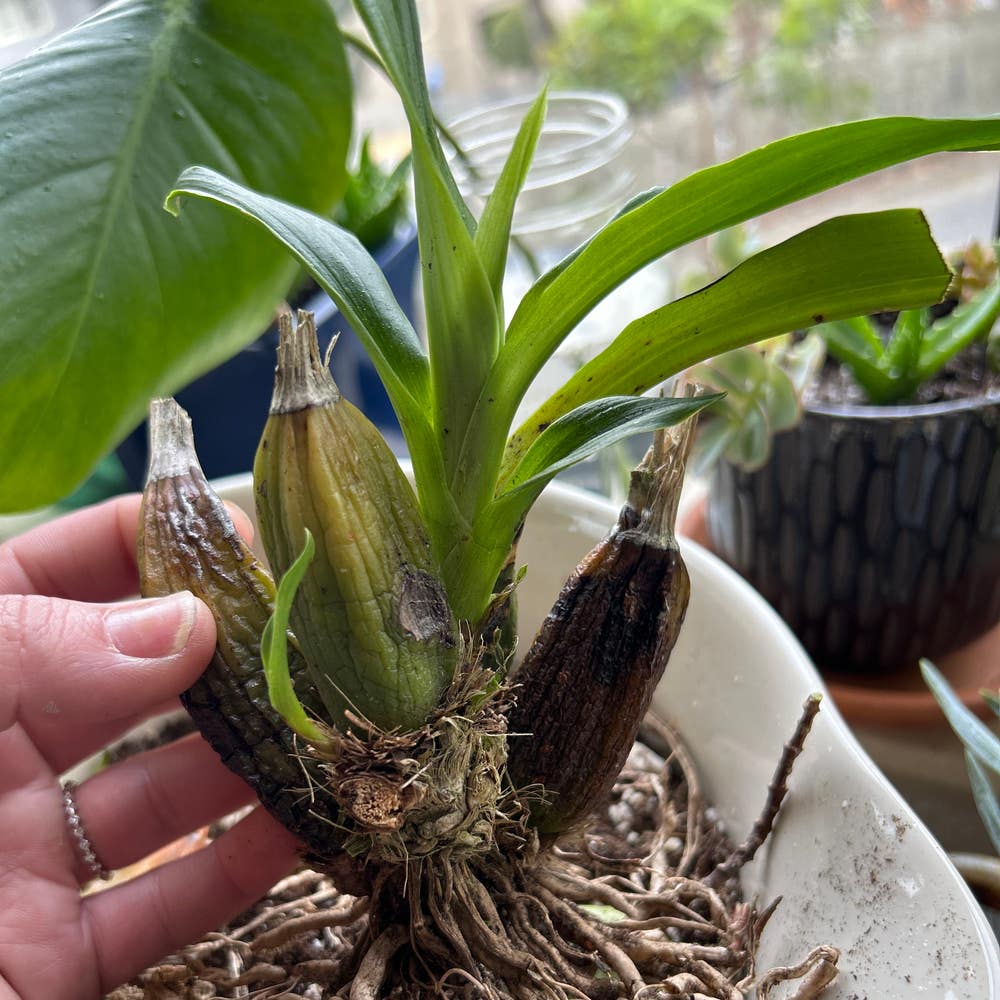
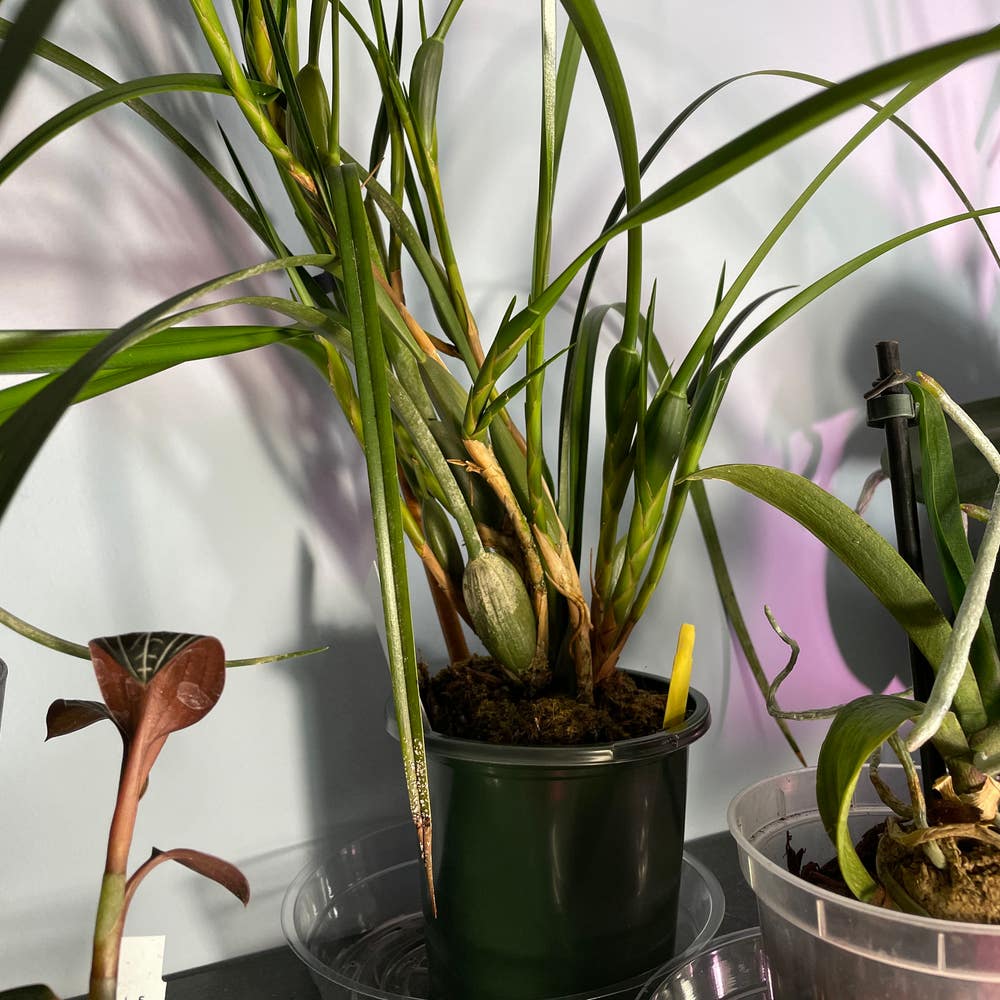
🌸 Ultimate Guide to Eulophia ephippium
Eulophia ephippium
By the Greg Editorial Team
Feb 27, 2025•11 min read
This article was created with the help of AI so we can cover more plants for you. May contain errors. See one? Report it here.
- 🌞 Eulophia ephippium thrives in partial shade with well-draining, organic-rich soil.
- 🌱 Space plants 12-18 inches apart and maintain moist soil to prevent root rot.
- 🐛 Monitor for pests like spider mites and aphids to ensure healthy growth.
How to Grow
Choosing a Location 🌳
Eulophia ephippium thrives in partial shade, making it essential to avoid direct sunlight. Ideal spots include areas under trees or shaded garden beds where the plant can receive filtered light.
Soil Preparation 🏵️
For optimal growth, use well-draining soil rich in organic matter. Aim for a slightly acidic to neutral pH, ideally between 6.0 and 7.0, to create the best environment for your plant.
Planting Techniques 🌱
When planting, dig a hole that is 2-3 inches deep. Space your plants 12-18 inches apart to allow for healthy growth and airflow.
Watering Requirements 💧
Keep the soil consistently moist, but be careful not to overwater. During dormancy, reduce watering to prevent root rot and other issues.
Fertilizing Schedule 🌼
Use a balanced orchid fertilizer, such as a 20-20-20 mix, to nourish your plants. Fertilize every 4-6 weeks during the growing season for best results.
Pruning Methods ✂️
Prune your Eulophia ephippium after flowering to encourage new growth. Focus on removing dead or damaged leaves and spent flower spikes to maintain plant health.
Ongoing Care 🪴
If you’re growing in containers, ensure they have drainage holes and use an orchid potting mix. For outdoor plants, keep an eye out for pests and environmental stressors to ensure they thrive.
With these tips, you’ll be well on your way to cultivating a healthy and vibrant Eulophia ephippium. Next, let’s explore how to propagate this beautiful plant!
Propagation
🌱 Seed Propagation
To start propagating Eulophia ephippium, begin by collecting seeds from mature pods. Once you have your seeds, use a sterile orchid mix as your germination medium to ensure a healthy start.
✂️ Division of Rhizomes
Dividing rhizomes is best done in spring or early summer when the plant is actively growing. Carefully separate the rhizomes, ensuring each piece has healthy roots attached for successful replanting.
🌿 Offsets and Bulb Propagation
Look for new growth near the base of the plant to identify offsets. Once spotted, transplant these offsets into a suitable soil mix to encourage further growth and development.
With these propagation techniques, you can expand your Eulophia ephippium collection and enjoy its beauty in multiple locations. Next, let’s explore the lifecycle of this fascinating plant to understand its growth stages better.
Lifecycle
Germination Process 🌱
Eulophia ephippium seeds typically germinate within 2 to 4 weeks under optimal conditions. Providing a warm, humid environment can significantly enhance germination success.
Seedling Development 🌿
Once germinated, the seedlings will take approximately 3 to 6 months to establish themselves. During this stage, they require consistent moisture and indirect light to thrive.
Vegetative Growth Phase 🌳
The vegetative growth phase generally lasts from spring to early fall. This is when the plant focuses on developing its foliage and root system, preparing for future flowering.
Flowering and Seed Production 🌸
Flowering usually occurs in late summer to early fall, showcasing the plant's stunning blooms. After pollination, seeds develop, ready to continue the lifecycle.
Lifespan and Growth Timeline ⏳
With proper care, Eulophia ephippium can live for several years. It typically reaches full maturity in about 2 to 3 years, exhibiting a moderate growth rate influenced by environmental conditions.
This lifecycle overview highlights the importance of nurturing your plant through each stage. Understanding these phases will help you provide the best care and ensure a thriving Eulophia ephippium in your garden.
Size
Mature Height and Spread 🌱
Eulophia ephippium typically reaches a mature height of 12 to 24 inches. Its spread can range from 12 to 18 inches, making it a lovely addition to any garden space.
Growth Rate and Size Variability 📈
This orchid exhibits a moderate growth rate, which can vary significantly based on environmental conditions. Factors such as soil quality and light exposure play a crucial role in determining its ultimate size.
Impact of Growing Conditions on Size 🌍
To achieve optimal growth, Eulophia ephippium thrives in well-drained soil with adequate moisture. Conversely, poor growing conditions can stunt its growth, resulting in smaller plants that may not reach their full potential.
Understanding these size characteristics can help you create the perfect environment for your Eulophia ephippium, ensuring it flourishes beautifully in your garden. Next, let’s explore the fascinating topic of the plant's root system and its importance to overall health.
Roots
🌱 Root System Characteristics
Eulophia ephippium features a rhizomatous root system, which allows it to spread effectively. This type of root structure is essential for stability and nutrient absorption.
📏 Depth and Spread of Roots
Typically, the roots extend 6-12 inches deep, providing a solid foundation. Depending on the growth of the rhizomes, they can cover a wide area, enhancing the plant's ability to thrive.
⚠️ Common Root-Related Issues
One of the most common problems is root rot, often caused by overwatering and poor drainage. Signs of unhealthy roots include dark, mushy textures, indicating that immediate action is needed.
👀 Identifying Healthy vs. Unhealthy Roots
Healthy roots are firm and exhibit a white or light tan color. In contrast, unhealthy roots appear dark, soft, or mushy, signaling potential issues that require attention.
🔄 Recognizing and Addressing Rootbound Conditions
Rootbound conditions occur when roots circle the pot, restricting growth and nutrient uptake. The solution is simple: repot the plant into a larger container with fresh soil to encourage healthy development.
Understanding the root system of Eulophia ephippium is crucial for its overall health. By monitoring root conditions and addressing any issues promptly, you can ensure your plant thrives beautifully.
Next, we'll explore the benefits of growing this stunning orchid.
Benefits
Top 5 Benefits 🌟
Eulophia ephippium offers a range of benefits that make it a fantastic addition to any garden. Here are the top five reasons to consider this stunning plant.
Ornamental Appeal
The striking flowers of Eulophia ephippium are a visual delight. Their unique shape and vibrant colors can enhance the aesthetics of any garden space.
Pollinator Attraction
This plant plays a vital role in supporting local ecosystems. By attracting bees and butterflies, it helps promote biodiversity and encourages pollination.
Medicinal Uses
Historically, Eulophia ephippium has been utilized in traditional medicine. Its various properties have made it a valuable resource in herbal remedies.
Low Maintenance
Once established, this plant requires minimal care. Its resilience makes it perfect for gardeners who prefer a low-maintenance option.
Adaptability
Eulophia ephippium thrives in various soil types and conditions. This adaptability allows it to flourish in diverse environments, making it a versatile choice for any gardener.
Incorporating Eulophia ephippium into your garden not only beautifies your space but also supports wildlife and requires little effort to maintain. Next, let’s explore the best companion plants that can enhance your gardening experience even further.
Companion Plants
🌱 Concept of Companion Planting
Companion planting is all about creating a harmonious garden ecosystem. By pairing plants that benefit each other, you can enhance diversity and improve pest management.
🌼 Best Companion Plants
When it comes to Eulophia ephippium, consider planting it alongside ferns, shade-tolerant perennials, and other orchids. These companions share similar care needs and contribute to a visually appealing garden.
🚫 Plants to Avoid
Be cautious of aggressive weeds and plants that thrive in full sun. These can compete for resources, potentially hindering the growth of your Eulophia ephippium.
Incorporating the right companions can lead to a thriving garden. By choosing wisely, you not only support your plants but also create a vibrant, diverse environment.
Toxicity to Humans
Eulophia ephippium is generally considered safe, as it is not listed as toxic by major poison control centers.
However, it's wise to be cautious; consuming large quantities may lead to mild skin irritation or digestive discomfort.
If you experience any unusual symptoms after contact or consumption, seeking medical advice is always a good idea.
While this plant can enhance your garden's beauty, it's essential to respect its potential effects on health.
Toxicity to Dogs
Eulophia ephippium is considered safe for dogs, as it is not listed as toxic by major pet poison control centers. This means you can enjoy this beautiful plant without worrying too much about your furry friends.
However, it's important to note that if a dog consumes large quantities, it may experience mild gastrointestinal upset. To keep your canine companion safe, ensure the plant is out of reach and monitor their behavior around it.
If you notice any unusual symptoms after your dog has been near the plant, consult your veterinarian for advice. Keeping an eye on your pets while they explore your garden can help prevent any potential issues.
With a little caution, you can enjoy the beauty of Eulophia ephippium while ensuring your dog's safety. Now, let's explore how to tackle common problems that may arise with this plant.
Toxicity to Cats
Eulophia ephippium is considered safe for cats, as it is not listed as toxic by major pet poison control centers. However, if your feline friend decides to nibble on this plant, it could lead to mild gastrointestinal upset if consumed in large quantities.
⚠️ Precautionary Measures
To keep your curious cats safe, position Eulophia ephippium where they can't easily access it. Regularly monitor their behavior around the plant to ensure they aren't getting into trouble.
📋 Summary
While Eulophia ephippium poses minimal risk to cats, it's always wise to exercise caution. Providing a safe environment for your pets allows you to enjoy your beautiful plants without worry.
Problems
🐛 Common Problems
Growing Eulophia ephippium can be rewarding, but it's not without its challenges. Understanding the common problems can help you maintain a healthy plant.
💧 Incorrect Watering
One of the most frequent issues is incorrect watering. Signs of this problem include wilting or yellowing leaves, indicating that your plant may be either overwatered or underwatered.
💡 Incorrect Light Conditions
Light conditions also play a crucial role in the plant's health. If your Eulophia ephippium experiences leaf scorch or leggy growth, it may not be receiving the right amount of light.
🌡️ Incorrect Temperature
Temperature fluctuations can stunt growth or even prevent flowering altogether. Keeping your plant in a stable environment is essential for its overall vitality.
🦠 Diseases
Fungal diseases like powdery mildew or root rot can pose serious threats. Regularly inspect your plant for any signs of disease to catch issues early.
🌱 Growth Problems
Lastly, growth problems such as leaning or etiolated growth can indicate that your plant is struggling. Addressing these issues promptly will help ensure a thriving Eulophia ephippium.
By staying vigilant and addressing these common problems, you can enjoy the beauty of your Eulophia ephippium for years to come. Next, let’s explore the potential pest issues that could affect your plant.
Bugs
🐜 Potential Pest Issues
Eulophia ephippium can face pest challenges, but it often shows resilience against them. Understanding these potential threats is key to maintaining a healthy plant.
🔍 Identification of Pests
Common pests that may target your Eulophia include spider mites, aphids, mealybugs, and whiteflies. Keeping an eye out for these critters can help you catch infestations early.
⚠️ Damage Caused by Pests
Signs of pest damage often manifest as yellowing leaves, webbing on the plant, or a sticky residue left behind. If you notice these symptoms, it’s time to take action.
🧴 Effective Treatment Options
To combat pests, consider using insecticidal soap or neem oil, both of which are effective and environmentally friendly. Additionally, introducing beneficial insects can help keep pest populations in check.
By staying vigilant and employing these strategies, you can protect your Eulophia ephippium from unwanted pests and ensure it thrives. Next, let’s explore what animals might be interested in munching on your plant.
What Eats Eulophia ephippium
🦌 Common Animals
Eulophia ephippium can attract a variety of hungry critters. Common threats include deer, rabbits, squirrels, and rodents, all of which may find your plant a tasty snack.
👀 Signs of Animal Presence
Keep an eye out for signs that these animals have paid a visit. Chewed leaves, droppings, or tracks near your plant can indicate their presence and potential damage.
⚠️ Damage Caused by Animals
The type of damage caused by these animals can vary. They may browse on leaves, leaving them ragged, or even uproot the plants entirely, disrupting their growth.
🚫 Deterrent Methods
To protect your Eulophia ephippium, consider a mix of deterrent methods. Chemical repellents can be effective, but you might also want to explore organic options like physical barriers or companion planting strategies to keep these pests at bay.
This proactive approach will help ensure your plant thrives, free from the nibbling of curious animals. Next, let’s explore common problems that can affect your Eulophia ephippium and how to address them.
⚠️ Safety First
This content is for general information and may contain errors, omissions, or outdated details. It is not medical, veterinary advice, or an endorsement of therapeutic claims.
Always consult a qualified healthcare professional before using any plant as food, medicine, or supplement.
Never eat any plant (or feed one to pets) without confirming its identity with at least two trusted sources.
If you suspect poisoning, call Poison Control (800) 222-1222, the Pet Poison Helpline (800) 213-6680, or your local emergency service immediately.
Spotted an error? Please report it here.
Unlock the secrets to thriving Eulophia ephippium 🌿 with Greg's personalized care tips and watering reminders, ensuring your orchids flourish beautifully in your garden!