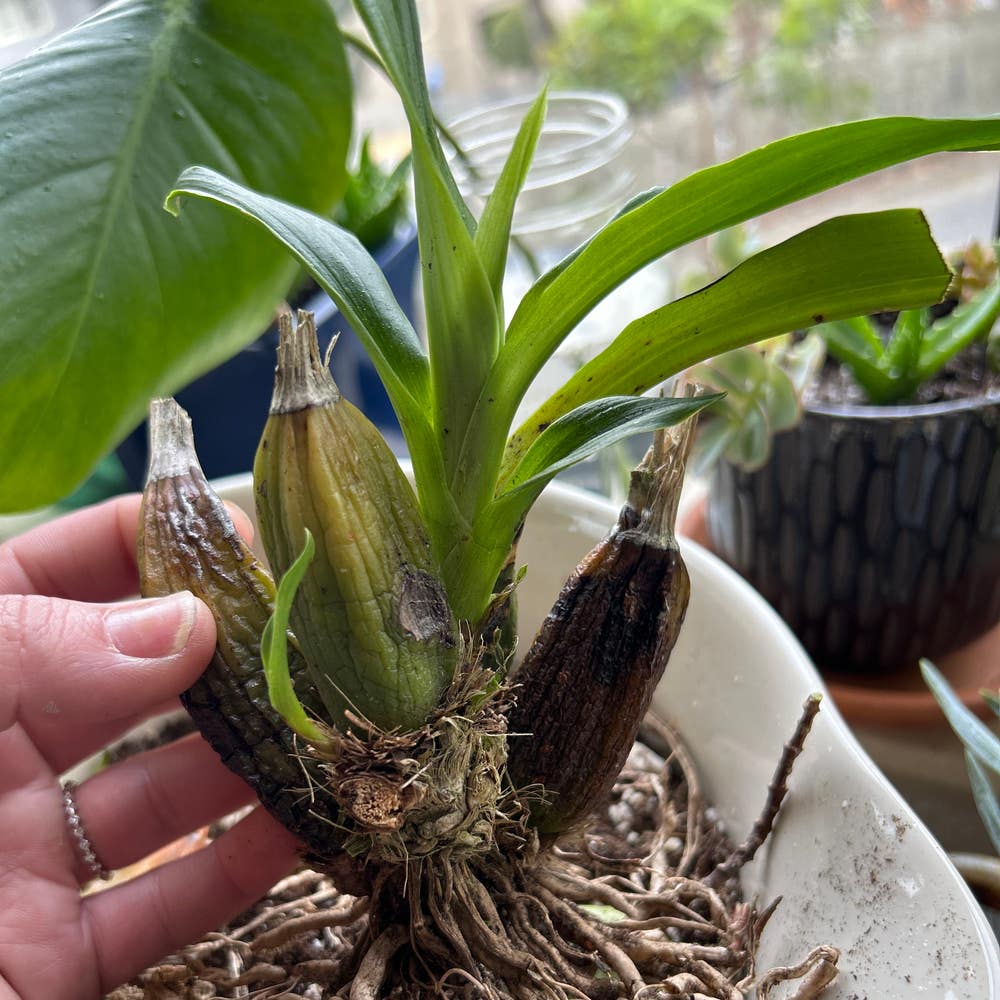
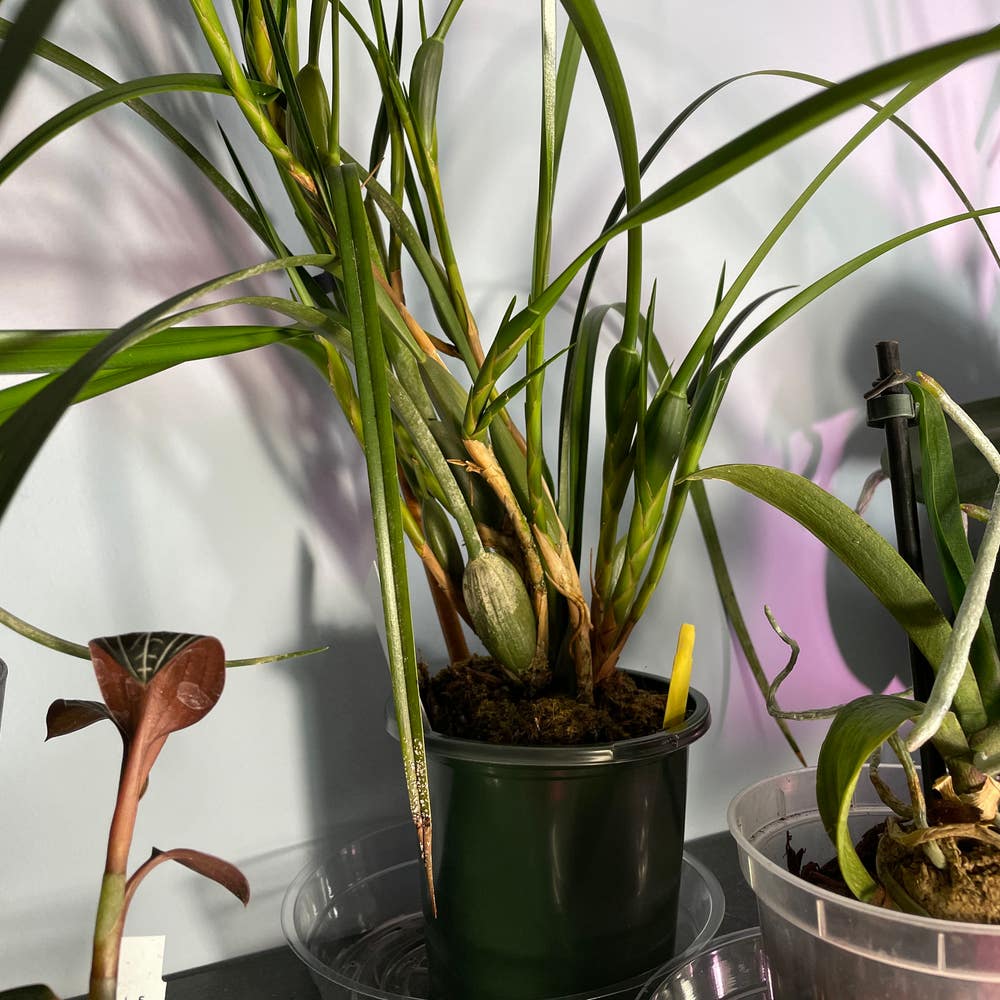
🌸 All About Eulophia divergens: Essential Facts
Eulophia divergens
By the Greg Editorial Team
Feb 27, 2025•10 min read
This article was created with the help of AI so we can cover more plants for you. May contain errors. See one? Report it here.
Elevate your garden with Eulophia divergens, a stunning, low-maintenance plant that thrives in diverse conditions! 🌿
- 🌱 Eulophia divergens thrives in partial shade and well-draining, organic-rich soil.
- 💧 Maintain moist soil without waterlogging for optimal growth and resilience.
- 🐝 Attracts pollinators while being low maintenance and safe for pets and humans.
How to Grow
Choosing a Location 🌳
Eulophia divergens thrives in partial shade, which helps prevent leaf scorch. When deciding between outdoor or container growing, consider your available space and the plant's mobility needs.
Soil Preparation 🏞️
For optimal growth, use well-draining soil rich in organic matter. Aim for a pH level between 6.0 and 7.0, which is slightly acidic to neutral.
Planting Techniques 🌱
When planting, dig a hole that is 2-3 inches deep. Space each plant 12-18 inches apart to allow for healthy growth.
Watering Requirements 💧
Keep the soil consistently moist but avoid waterlogging. During dormant periods, reduce your watering frequency to prevent over-saturation.
Fertilizing Schedule 🌼
Utilize a balanced orchid fertilizer, such as a 20-20-20 mix. Fertilize every 4-6 weeks during the growing season to support robust growth.
Pruning Methods ✂️
Prune your Eulophia divergens after flowering to encourage new growth. Focus on removing dead or damaged leaves and spent flower spikes for a tidy appearance.
Ongoing Care Tips 🔍
Regularly monitor your plants for pests and diseases to catch issues early. Adjust your care routine based on seasonal changes and the plant's growth stages to keep it thriving.
With these guidelines, you'll be well on your way to cultivating a healthy Eulophia divergens. Next, let’s explore how to propagate this beautiful plant effectively.
Propagation
Seed Propagation 🌱
To propagate Eulophia divergens from seeds, timing is crucial. Harvest the seeds when the pods are mature, ensuring they are ready for germination.
For successful germination, create a warm, humid environment with adequate light exposure. This will encourage the seeds to sprout and thrive.
Division Propagation ✂️
Division is another effective method for propagating this plant. The best time to divide Eulophia divergens is in spring or early summer when the plant is actively growing.
When dividing, carefully separate the tubers and replant them immediately. This method not only promotes new growth but also helps maintain the health of the parent plant.
With these propagation techniques, you can expand your Eulophia divergens collection and enjoy its beauty in multiple locations. Next, let’s explore the lifecycle of this fascinating plant.
Lifecycle
Lifecycle Stages 🌱
Eulophia divergens undergoes several distinct stages throughout its lifecycle. These stages include germination, seedling development, vegetative growth, flowering, and seed production.
Germination typically takes about 2-4 weeks. Once germinated, the plant enters the seedling stage, which can last from 6 to 12 months as it establishes itself.
After the seedling phase, Eulophia divergens transitions into vegetative growth. This stage is crucial as it prepares the plant for flowering, which usually occurs 1-2 years after germination.
Finally, the plant reaches full maturity in approximately 2-3 years. At this point, it can produce seeds, completing its lifecycle and allowing for propagation.
Understanding these stages helps in providing the right care at each phase, ensuring a healthy and thriving Eulophia divergens. Next, we’ll explore how to effectively propagate this fascinating plant.
Size
Mature Dimensions 🌱
Eulophia divergens typically reaches an average height of 1 to 2 feet. Its spread mirrors this, extending about 1 to 2 feet wide, making it a compact yet striking addition to your garden.
Growth Rate 🚀
Under optimal conditions, this plant exhibits a relatively fast growth rate. With the right care, you can enjoy its lush foliage and beautiful blooms in no time.
This size and growth pattern make Eulophia divergens an excellent choice for both novice and experienced gardeners. Its manageable dimensions allow it to fit well in various garden settings, whether in containers or as part of a larger landscape design.
As you consider adding this plant to your collection, keep in mind how its size can complement your existing flora. Next, let’s explore the fascinating lifecycle of Eulophia divergens and how it develops from seed to maturity.
Roots
🌱 Root System Characteristics
Eulophia divergens boasts a unique root system characterized by fleshy, water-storing roots. This adaptation allows the plant to thrive in varying moisture conditions, making it quite resilient.
📏 Depth and Spread
Typically, the roots are shallow but can spread widely. This characteristic helps the plant access nutrients and water efficiently, contributing to its overall health.
⚠️ Common Issues
While these roots are beneficial, they can encounter problems. Overwatering is a common issue that leads to root rot, which can be detrimental to the plant's health.
🔍 Recognizing Rootbound Plants
Another concern is recognizing when the plant has become rootbound. Signs include stunted growth and roots emerging from the drainage holes, indicating it may need repotting.
Understanding the root system of Eulophia divergens is crucial for its care. By monitoring watering practices and repotting when necessary, you can ensure your plant remains healthy and vibrant.
Next, let’s explore the benefits of this fascinating plant and how it can enhance your garden.
Benefits
Top 5 Benefits of Eulophia divergens 🌼
Eulophia divergens is not just a pretty face in the garden; it offers a range of benefits that make it a fantastic choice for any plant enthusiast.
1. Attractive Flowers
The stunning blooms of Eulophia divergens can elevate the aesthetics of your garden. Their vibrant colors and unique shapes draw the eye and create a focal point in any landscape.
2. Drought Resistance
Thanks to its fleshy roots, this plant is remarkably drought-resistant. It can thrive in dry conditions, making it a resilient choice for gardeners in arid climates.
3. Pollinator Attraction
Eulophia divergens plays a vital role in promoting biodiversity. Its flowers attract various pollinators, including bees and butterflies, which are essential for a healthy ecosystem.
4. Low Maintenance
Once established, this plant requires minimal care. Its hardy nature means you can enjoy its beauty without the constant upkeep that many other plants demand.
5. Cultural Significance
In various regions, Eulophia divergens holds cultural importance. It is often used in traditional practices and celebrations, adding a layer of meaning to its presence in your garden.
These benefits make Eulophia divergens not only a visually appealing choice but also a practical and meaningful addition to your gardening endeavors. As you consider your options, remember that this plant can enrich your space in more ways than one.
Next, let’s explore how to propagate this remarkable plant to share its beauty and benefits with others.
Companion Plants
Best Companions 🌿
When growing Eulophia divergens, selecting the right companion plants can enhance both aesthetics and care. Consider pairing it with ferns, shade-tolerant perennials, and other orchids.
These companions thrive in similar light and moisture conditions, making them ideal partners. Their diverse textures and colors can create a visually appealing garden space, while also simplifying maintenance routines.
Why They Work Well Together 🤝
Ferns are excellent companions as they enjoy the same partial shade that Eulophia divergens prefers. Their lush foliage complements the orchid's unique blooms beautifully.
Shade-tolerant perennials can also thrive alongside Eulophia, providing a vibrant backdrop without competing for resources. Other orchids can create a stunning display, showcasing a variety of shapes and colors that enhance the overall garden design.
Choosing the right companions not only boosts the visual appeal but also fosters a healthier growing environment. By grouping plants with similar needs, you can create a thriving ecosystem that supports your Eulophia divergens and its companions.
As you plan your garden, think about how these plants can work together harmoniously. This approach will lead to a more vibrant and sustainable garden space, setting the stage for a flourishing display of nature's beauty.
Next, let’s explore the toxicity of Eulophia divergens to humans and pets, ensuring you have all the information you need for a safe gardening experience.
Toxicity to Humans
Eulophia divergens is considered safe for humans, as it is not listed as toxic by major health organizations. You can handle and even ingest small amounts without worry, although excessive contact might lead to minor issues.
It's always good to be cautious, but this plant won't pose a significant risk. Enjoy its beauty and benefits without the fear of toxicity!
As we explore more about Eulophia divergens, let's dive into its safety around pets, starting with dogs.
Toxicity to Dogs
Eulophia divergens is considered safe for dogs, as it is not toxic according to pet poison control centers. This means you can enjoy this beautiful plant without worrying about your furry friends getting sick.
However, it's worth noting that while the plant is generally safe, excessive consumption might lead to mild gastrointestinal upset. Keeping an eye on your dog’s behavior around the plant can help prevent any potential issues.
In summary, Eulophia divergens can coexist harmoniously in your garden with your canine companions. Just ensure they don’t munch too much, and you’ll both enjoy the beauty it brings to your space.
Next, let’s explore how Eulophia divergens interacts with our feline friends.
Toxicity to Cats
Eulophia divergens is considered safe for cats, as it is not listed as toxic by pet poison control centers.
While your feline friends can safely roam around this plant, it's worth noting that excessive consumption might lead to mild gastrointestinal upset. Always keep an eye on their behavior, especially if they show interest in nibbling on your plants.
In summary, you can enjoy the beauty of Eulophia divergens without worrying about your cat's safety. Just remember to monitor their interactions to ensure they stay healthy and happy.
Next, let’s explore how Eulophia divergens interacts with dogs and whether they can safely coexist with this lovely plant.
Problems
Common Problems Faced 🌱
Growing Eulophia divergens can be rewarding, but it's essential to be aware of potential issues that may arise. Here are some common problems to watch for:
Incorrect Watering
Watering is crucial for Eulophia divergens. Overwatering can lead to root rot, while underwatering may cause wilting.
Incorrect Light Conditions
This plant prefers partial shade. Too much direct sunlight can scorch the leaves, while too little light can lead to etiolation, where the plant stretches toward the light source.
Diseases
Fungal diseases can be a concern. Look out for powdery mildew and blight, which can affect the overall health of your plant.
Root Problems
Eulophia divergens has fleshy roots that can suffer from rot if the soil is too wet. Squishy roots are a sign of trouble, indicating that immediate action is needed.
Leaf Issues
Yellowing leaves often signal stress, while fuzzy growth can indicate fungal infections. Regular monitoring can help catch these issues early.
By staying vigilant and addressing these problems promptly, you can ensure your Eulophia divergens thrives. Next, let’s explore the potential pest issues that could affect your plant.
Bugs
🐛 Potential Pest Issues
Eulophia divergens can face a variety of pest challenges that may hinder its growth. Common culprits include spider mites, mealybugs, and aphids, each bringing their own set of problems.
🔍 Identifying Damage
These pests can cause noticeable damage, such as leaf discoloration and stunted growth. If you notice your plant's leaves turning yellow or wilting, it might be time to investigate further.
🚫 Prevention and Control
To keep your Eulophia divergens thriving, regular monitoring is key. Check the undersides of leaves and the soil for signs of infestation.
🧴 Treatment Options
If pests are detected, consider using insecticidal soap or neem oil as effective treatments. These options are generally safe and can help restore your plant's health without harsh chemicals.
🌱 Maintaining Plant Health
Healthy plants are less susceptible to pests, so ensure your Eulophia divergens receives proper care. Adequate watering, light, and nutrition can bolster its defenses against unwanted visitors.
✅ Conclusion
By staying vigilant and addressing pest issues promptly, you can enjoy a flourishing Eulophia divergens. Next, let’s explore what animals might be interested in snacking on your beautiful plant.
What Eats
🦌 Common Animals
Eulophia divergens can attract a variety of hungry critters. Deer, rabbits, and squirrels are among the most common threats to your plants.
🐾 Signs of Animal Presence and Damage
Identifying signs of animal activity can help you protect your Eulophia divergens. Look for chewed leaves, broken stems, or even footprints around your garden.
Additionally, you might notice droppings or fur caught on branches, indicating that animals have been visiting. Keeping an eye out for these signs can help you take action before significant damage occurs.
By understanding what eats your plants, you can implement protective measures to ensure your Eulophia divergens thrives. Next, let’s explore common problems faced by this resilient plant.
⚠️ Safety First
This content is for general information and may contain errors, omissions, or outdated details. It is not medical, veterinary advice, or an endorsement of therapeutic claims.
Always consult a qualified healthcare professional before using any plant as food, medicine, or supplement.
Never eat any plant (or feed one to pets) without confirming its identity with at least two trusted sources.
If you suspect poisoning, call Poison Control (800) 222-1222, the Pet Poison Helpline (800) 213-6680, or your local emergency service immediately.
Spotted an error? Please report it here.
Nurture your Eulophia divergens to thrive beautifully 🌼 with Greg's tailored watering reminders and care tips that keep your garden vibrant and buzzing with life!