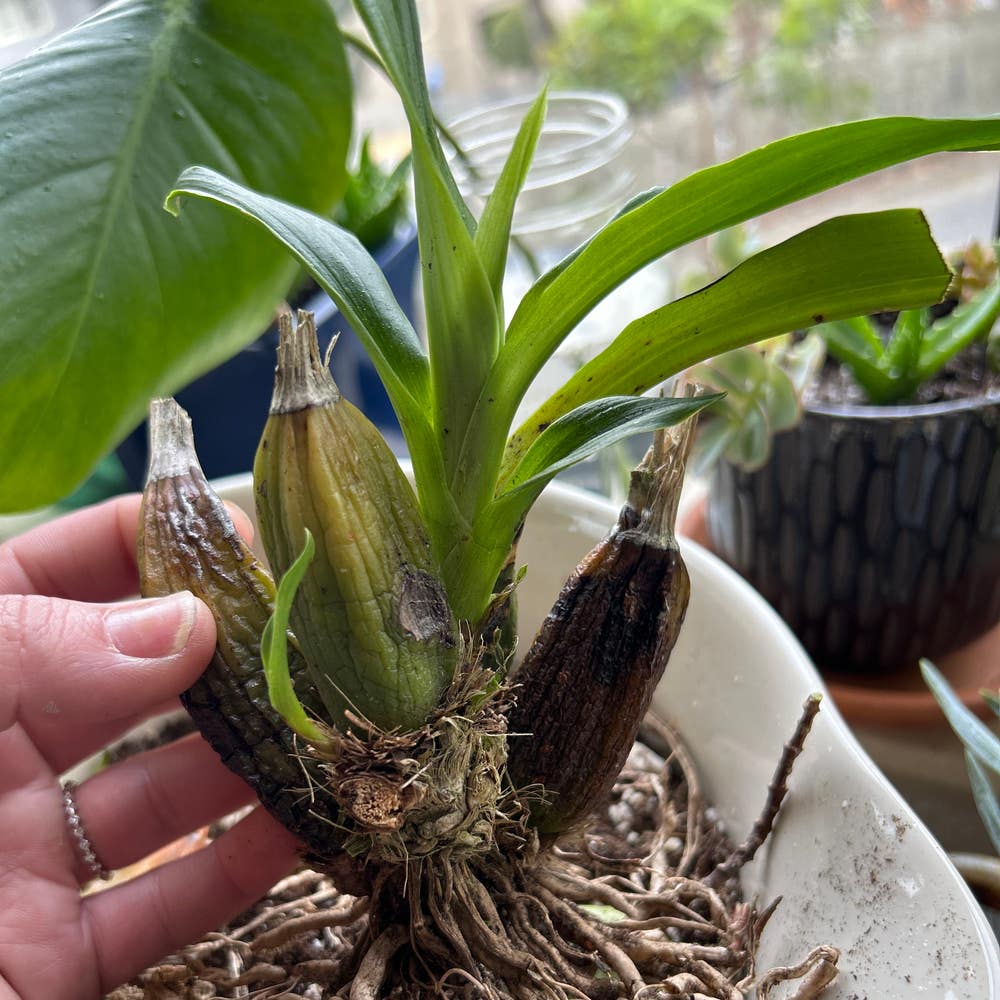
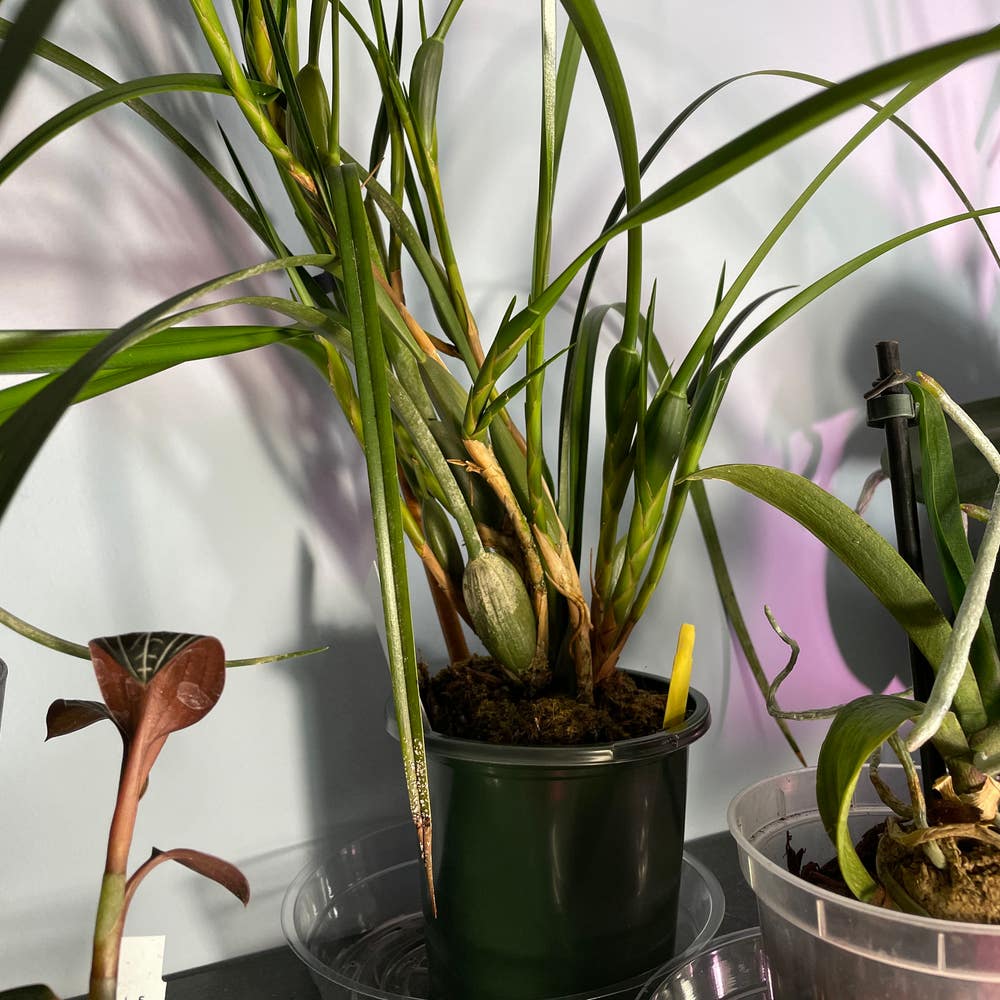
What You Should Know About Eulophia dichroma 🌸
Eulophia dichroma
By the Greg Editorial Team
Feb 27, 2025•9 min read
This article was created with the help of AI so we can cover more plants for you. May contain errors. See one? Report it here.
Unlock the beauty of Eulophia dichroma in your garden with easy care tips and propagation secrets! 🌿
- 🌞 Eulophia dichroma thrives in warm, humid conditions with partial shade for optimal growth.
- 🌱 Use well-draining soil and fertilize every 4-6 weeks for healthy development.
- 🐛 Pest-resistant but watch for spider mites; companion plants include ferns and shade herbs.
How to Grow
Choosing a Location 🌞
Eulophia dichroma thrives in partial shade to filtered sunlight, making it perfect for those cozy garden nooks. It prefers warm temperatures, ideally between 20°C to 30°C (68°F to 86°F), and enjoys moderate to high humidity levels of 50%-70%.
Soil Preparation 🌱
For optimal growth, use well-draining substrates like sandy loam or an orchid mix. Aim for a slightly acidic to neutral soil pH, ideally between 6.0 and 7.0, and ensure that your pots or garden beds have adequate drainage holes to prevent waterlogging.
Planting Techniques 🌿
When planting, bury the rhizomes 2-3 inches deep to encourage healthy growth. Space your plants 12-18 inches apart to give them room to flourish without crowding.
Watering Requirements 🚰
Water your Eulophia dichroma when the top inch of soil feels dry, but be careful to avoid waterlogging. A gentle watering method is best to prevent soil erosion and keep the roots happy.
Fertilizing Schedule 🍽️
Use a balanced orchid fertilizer (20-20-20) diluted to half strength for feeding. Fertilize every 4-6 weeks during the growing season, which typically runs from spring to summer, to support robust growth.
Pruning and Ongoing Care ✂️
Regularly prune away dead or yellowing leaves to enhance air circulation around the plant. Keep an eye out for pests and diseases to ensure your Eulophia remains healthy and vibrant.
With these tips, you’re well on your way to cultivating a thriving Eulophia dichroma. Next, let’s explore how to propagate this beautiful plant!
Propagation
🌱 Seed Propagation
To propagate Eulophia dichroma from seeds, start by sowing them in a sterile medium. Keep the soil moist and maintain warm temperatures around 25°C (77°F) for optimal germination.
Seeds typically germinate within 4-6 weeks, so patience is key during this process. Ensure you provide consistent warmth and moisture to encourage healthy growth.
✂️ Division of Rhizomes
Another effective propagation method is dividing the rhizomes. Carefully separate the rhizomes, ensuring each piece has healthy roots, and replant them in suitable soil.
The best time to divide rhizomes is in early spring, just before new growth begins. This timing helps the plant establish itself quickly and thrive in its new location.
With these propagation techniques, you can expand your Eulophia dichroma collection or share the beauty of this unique plant with friends. Next, let’s explore the lifecycle of this fascinating species and understand its growth stages.
Lifecycle
Lifecycle Stages 🌱
Eulophia dichroma progresses through several distinct stages: seed or cutting, germination, seedling, vegetative growth, flowering, and seed production. Each stage is crucial for the plant's development and overall health.
Germination Process and Timeline ⏳
The germination process typically takes about 4-6 weeks under optimal conditions. During this time, the seeds absorb moisture and begin to sprout, setting the foundation for future growth.
Seedling Stage Characteristics 🌿
In the seedling stage, the plant develops its roots and leaves. Consistent moisture and adequate light are essential for healthy seedling growth.
Vegetative Growth Phase 🌳
The vegetative growth phase lasts several months, during which the plant focuses on expanding its leaf and root systems. This stage is vital for establishing a strong foundation before flowering.
Flowering and Seed Production 🌸
Flowering usually occurs 1-2 years after planting. This is when Eulophia dichroma showcases its beautiful blooms and begins the cycle of seed production.
Lifespan and Growth Rate Specifics ⏲️
Eulophia dichroma can live for several years, with a slow growth rate. It typically takes 3-5 years to reach full maturity, making patience a key virtue for growers.
Understanding the lifecycle of Eulophia dichroma not only enhances your gardening skills but also deepens your appreciation for this remarkable plant. Next, we’ll explore its size and how it can fit into your garden design.
Size
Mature Height and Spread 🌱
Eulophia dichroma typically reaches a height of 12 to 24 inches and spreads about 12 to 18 inches wide. This moderate size makes it an excellent choice for both garden beds and containers.
Growth Rate and Time to Reach Full Size ⏳
This plant has a relatively slow growth rate, taking approximately 3 to 5 years to achieve its full size. Patience is key, as the beauty of Eulophia dichroma unfolds gradually.
Size Variability Based on Growing Conditions 🌍
Several factors can influence the size of Eulophia dichroma, including light, water, and soil quality. Providing optimal conditions will help maximize its growth potential and overall health.
As you consider growing Eulophia dichroma, remember that its size can be a reflection of the care it receives. Next, let’s explore the fascinating root system that supports this unique plant.
Roots
Characteristics of the Root System 🌱
Eulophia dichroma features fleshy, water-storing roots that enhance its drought resistance. This unique adaptation allows the plant to thrive even in less-than-ideal moisture conditions.
Root Depth and Spread 📏
The roots can extend between 6 to 12 inches deep, depending on the soil's quality and moisture levels. This depth helps anchor the plant while providing access to essential nutrients.
Common Root-Related Issues ⚠️
Root rot is a common problem caused by overwatering. To prevent this, ensure your pots or garden beds have proper drainage.
If you notice tight, circling roots, your plant may be rootbound. The solution is simple: repot it into a larger container to give it room to grow.
Visual Cues for Healthy vs. Unhealthy Roots 👀
Healthy roots are firm, white, and plump, indicating a thriving plant. In contrast, unhealthy roots appear dark, mushy, or shriveled, signaling potential issues that need addressing.
Understanding these root characteristics and issues can significantly enhance your care for Eulophia dichroma. With proper attention, your plant can flourish beautifully in your garden.
Next, let’s explore the benefits of growing this remarkable orchid.
Benefits
Top 5 Benefits 🌟
Eulophia dichroma offers a range of benefits that make it a fantastic addition to any garden.
Aesthetic Appeal
The striking flowers of Eulophia dichroma enhance garden beauty, providing vibrant colors and unique shapes that catch the eye. Their visual impact can transform any landscape into a stunning display.
Drought Tolerance
This plant is drought-tolerant, requiring less frequent watering. This quality makes it ideal for low-maintenance gardens, allowing you to enjoy a beautiful space without constant upkeep.
Pollinator Attraction
Eulophia dichroma supports local bee populations, attracting pollinators with its vibrant blooms. This not only benefits your garden but also contributes to the health of the ecosystem.
Unique Foliage
The plant's unique foliage adds diversity to your plant collection. Its distinct leaves can create interesting contrasts with other plants, enhancing the overall aesthetic of your garden.
Cultural Significance
Valued in traditional medicine and local folklore, Eulophia dichroma carries cultural importance. This connection to heritage adds depth to your gardening experience, making it more meaningful.
These benefits highlight why Eulophia dichroma is a worthy choice for any garden enthusiast. Next, let’s explore the best companion plants to pair with this remarkable species for optimal growth and health.
Companion Plants
🌱 Companion Planting and Its Benefits
Companion planting is a gardening technique where different plants are grown together to enhance growth and deter pests. This method can lead to healthier plants and a more vibrant garden ecosystem.
🌿 Best Companion Plants
When selecting companions for Eulophia dichroma, consider ferns, shade-tolerant herbs like mint, and other orchids. These plants share similar care requirements and thrive in partial shade, making them ideal partners.
🚫 Plants to Avoid
Avoid planting heavy feeders like tomatoes near Eulophia dichroma. These plants can compete for nutrients, potentially stunting the growth of your orchids.
Understanding companion planting can elevate your gardening game. By choosing the right partners, you can create a thriving environment for Eulophia dichroma and enjoy a more resilient garden. Next, let’s explore common problems that may arise while caring for this beautiful orchid.
Problems
🌱 Common Problems with Eulophia dichroma
Growing Eulophia dichroma can be rewarding, but it’s essential to be aware of common problems that may arise.
💧 Incorrect Watering
Watering issues are among the most frequent problems. If your plant wilts, it may be underwatered, while yellowing leaves often indicate overwatering.
💡 Incorrect Light Conditions
Light conditions play a crucial role in plant health. Leggy growth suggests insufficient light, whereas leaf scorch points to too much direct sunlight.
🌡️ Incorrect Temperature
Temperature fluctuations can also affect growth. Stunted growth is a common symptom when the plant is exposed to cold conditions.
🦠 Diseases
Fungal diseases, such as powdery mildew, can plague Eulophia dichroma. Look for white spots on leaves, and treat them promptly with fungicides to prevent spread.
🌿 Root Problems
Root health is vital for overall plant vitality. Root rot manifests as mushy roots, which can be avoided by ensuring proper drainage in pots or garden beds.
By being vigilant about these potential issues, you can maintain a thriving Eulophia dichroma and enjoy its beauty for years to come. Next, let’s explore the pests that might pose a threat to your plant.
Bugs
Potential Pest Issues 🐛
Eulophia dichroma is generally pest-resistant, making it a robust choice for gardeners. However, it can still be affected by certain pests that may require attention.
Identification and Damage 🔍
Spider Mites
Look for fine webbing and stippled leaves, which are telltale signs of spider mite infestation. Treat these pests promptly with insecticidal soap to prevent further damage.
Mealybugs
These pests appear as cotton-like masses on leaves. You can remove them by hand or apply neem oil for effective control.
Aphids
Aphids are small green insects that cause leaf curling. To manage them, use insecticidal soap, which will help keep your plant healthy.
By staying vigilant and addressing these potential pest issues, you can ensure your Eulophia dichroma thrives in your garden. Next, let’s explore what garden animals might be interested in munching on your plants.
What Eats
🦌 Common Garden Animals
Eulophia dichroma can attract a variety of garden animals that may pose a threat to its health.
- Deer: Look for signs like chewed leaves and broken stems, indicating their presence.
- Rabbits: These critters leave behind cleanly cut stems and leaves, making them easy to identify.
- Squirrels: Often seen digging around the base of the plant, they can disturb the roots.
👀 Signs of Animal Presence
Recognizing the signs of animal activity is crucial for protecting your plants.
- Browsing on Leaves: Look for missing foliage or ragged edges.
- Uprooting Plants: If your plants are suddenly dislodged, animals may be the culprits.
- Trampling: Flattened areas around your plants can indicate animal traffic.
🚫 Deterrent Methods
Preventing damage from these garden visitors can be achieved through various methods.
- Chemical Methods: Commercial repellents can effectively deter deer and rabbits, keeping them at bay.
- Organic Methods: Consider using barriers like fencing or planting strong-smelling herbs nearby to naturally repel these animals.
By being aware of potential threats and employing effective deterrents, you can help ensure the health and beauty of your Eulophia dichroma. Next, let’s explore common problems that might arise during its growth.
⚠️ Safety First
This content is for general information and may contain errors, omissions, or outdated details. It is not medical, veterinary advice, or an endorsement of therapeutic claims.
Always consult a qualified healthcare professional before using any plant as food, medicine, or supplement.
Never eat any plant (or feed one to pets) without confirming its identity with at least two trusted sources.
If you suspect poisoning, call Poison Control (800) 222-1222, the Pet Poison Helpline (800) 213-6680, or your local emergency service immediately.
Spotted an error? Please report it here.
Elevate your garden's beauty with Eulophia dichroma 🌺 and let Greg guide you with personalized care tips and reminders to keep your plant thriving!