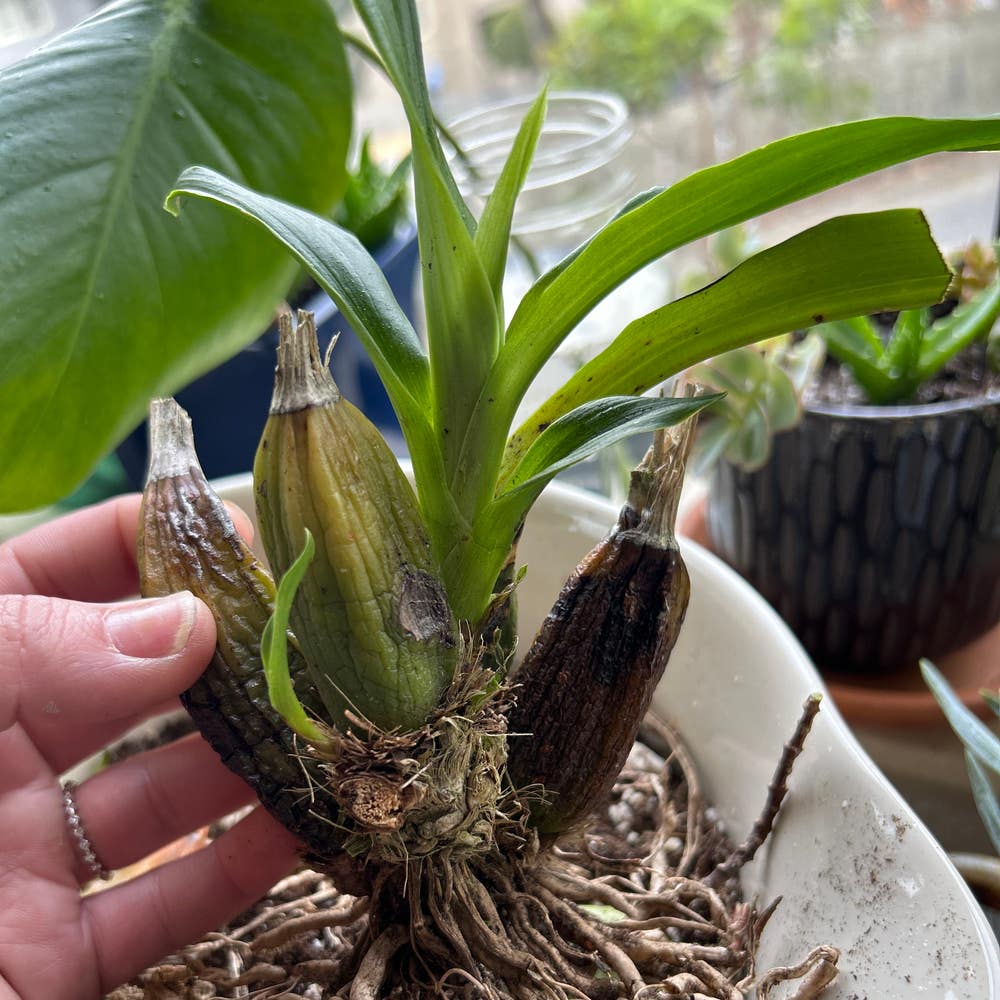
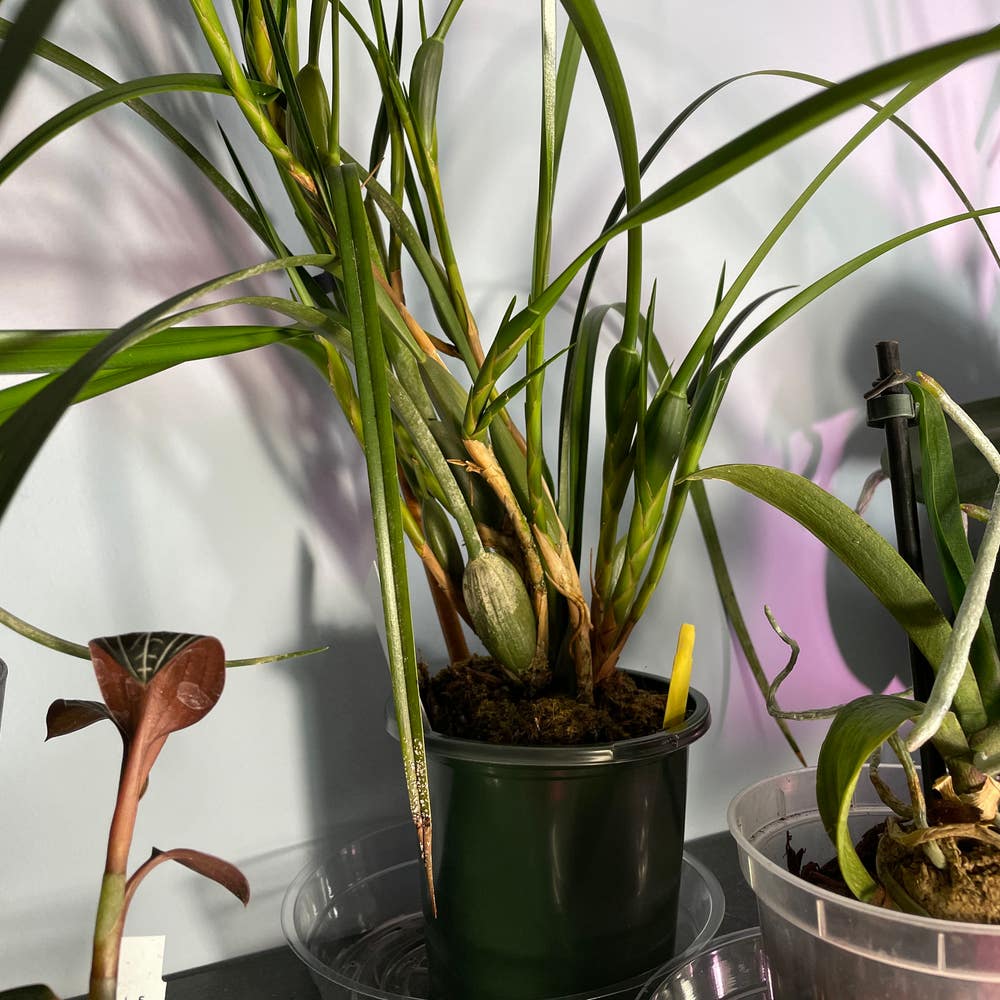
🌼 What is a Eulophia dentata? Complete Guide
Eulophia dentata
By the Greg Editorial Team
Feb 27, 2025•11 min read
This article was created with the help of AI so we can cover more plants for you. May contain errors. See one? Report it here.
- 🌞 Eulophia dentata thrives in 4-6 hours of sunlight; adjust light for optimal growth.
- 🌡️ Ideal temperatures are 20°C to 30°C; maintain humidity between 50-70% for best results.
- 🌱 Use well-draining soil and water when dry to prevent root rot and ensure health.
How to Grow
Choosing a Location 🌞
Eulophia dentata thrives in a variety of light conditions, preferring full sun to partial shade. Aim for 4-6 hours of direct sunlight daily to keep your plant healthy and vibrant.
Temperature is another crucial factor; this orchid enjoys warm conditions, ideally between 20°C to 30°C (68°F to 86°F). Additionally, moderate to high humidity levels, around 50-70%, will help your plant flourish.
Soil Preparation 🌱
For soil, opt for a well-draining mix, such as sandy loam or a specialized orchid mix. The ideal soil pH is slightly acidic to neutral, ranging from 6.0 to 7.0.
Ensure that your pots or garden beds have adequate drainage holes. This will prevent water from pooling and causing root rot.
Planting Techniques 🌿
When planting Eulophia dentata, place the rhizomes 2-3 inches deep in the soil. If you're planting outdoors, maintain a spacing of 12-18 inches between each plant to allow for proper growth.
Watering Requirements 💧
Water your Eulophia dentata when the top inch of soil feels dry. This ensures that the roots receive adequate moisture without becoming waterlogged.
When watering, do so thoroughly, allowing excess water to drain out. This helps maintain healthy root conditions.
Fertilizing Schedule 🌼
Use a balanced orchid fertilizer, such as a 20-20-20 mix, to nourish your plant. Fertilize every 4-6 weeks during the growing season for optimal growth.
Pruning Practices ✂️
Prune your Eulophia dentata after flowering or when the leaves begin to die back. This keeps the plant tidy and encourages new growth.
Remove any dead or damaged leaves and spent flower spikes to promote overall health. Regular pruning can enhance the plant's appearance and vitality.
Ongoing Care 🔍
Keep an eye on your plant's growth by regularly checking for signs of stress or disease. Early detection can make a significant difference in your plant's health.
Adjust your watering and fertilization routines based on seasonal changes. This ensures that your Eulophia dentata receives the care it needs throughout the year.
With these guidelines, you'll be well on your way to successfully growing Eulophia dentata. Next, let’s explore how to propagate this beautiful orchid!
Propagation
🌱 Seed Propagation
To propagate Eulophia dentata from seeds, start with a sterile medium that maintains the right moisture levels. Under optimal conditions, you can expect germination to take about 2-4 weeks.
✂️ Division of Rhizomes
Dividing rhizomes is best done in early spring or right after flowering. Carefully separate the rhizomes, ensuring each piece has healthy roots, and then replant them to encourage new growth.
Propagation is a rewarding process that allows you to expand your collection while sharing this beautiful plant with friends and fellow gardeners. Next, let’s explore the lifecycle of Eulophia dentata and how it develops from seed to maturity.
Lifecycle
🌱 Lifecycle Stages
Eulophia dentata is a perennial plant, meaning it can live for multiple years. The lifecycle begins with seed germination, which typically takes 2-4 weeks under ideal conditions.
During the seedling stage, small, fleshy leaves emerge, indicating healthy growth. As the plant enters the vegetative growth phase, you'll notice rapid leaf growth and root development, setting the stage for future flowering.
The flowering period usually occurs in late summer to early fall, showcasing beautiful blooms. After flowering, the plant produces seeds that mature in late fall, completing the lifecycle.
⏳ Lifespan and Growth Rate
With proper care, Eulophia dentata can live for several years, making it a rewarding addition to your garden. It takes approximately 2-3 years to reach full size, allowing you to enjoy its beauty for seasons to come.
The growth rate is moderate, influenced by environmental factors such as light and water availability. Seasonal variations can also affect how quickly your plant develops, so keep an eye on its needs throughout the year.
This lifecycle knowledge empowers you to nurture Eulophia dentata effectively, ensuring it thrives in your garden. Next, let’s explore how to propagate this stunning plant to share its beauty with others.
Size
Mature Height and Spread 🌱
Eulophia dentata typically reaches a mature height of 30-60 cm (12-24 inches) and spreads about 30-45 cm (12-18 inches). This size makes it a versatile choice for various garden settings.
Growth Rate and Time to Full Size ⏳
The growth rate of Eulophia dentata is moderate, influenced by environmental conditions such as light and water. Under optimal conditions, it takes approximately 2-3 years to reach its full size.
Size Variability 📏
Several factors can affect the size of Eulophia dentata. Light availability, water levels, and nutrient supply all play crucial roles in determining how robust and healthy your plant will grow.
Understanding these size characteristics can help you plan your garden layout effectively. With the right care, Eulophia dentata can thrive and add beauty to your space.
Next, let’s explore the fascinating root system of this resilient plant.
Roots
Root System Characteristics 🌱
Eulophia dentata features a fleshy, fibrous root system that is essential for its growth. These roots can extend 12-18 inches deep and spread horizontally, seeking moisture to support the plant's needs.
Common Root-Related Issues ⚠️
Root rot is a significant concern, often caused by overwatering. Symptoms include mushy roots that can lead to plant decline, while rootbound conditions occur when roots fill the pot, resulting in stunted growth.
Visual Cues for Healthy vs. Unhealthy Roots 👀
Healthy roots are firm and exhibit a white or light tan color. In contrast, unhealthy roots appear dark, mushy, or may even emit a foul smell, indicating a need for immediate attention.
Tips for Managing Root Problems 🛠️
To prevent root rot, ensure proper drainage and avoid overwatering your Eulophia dentata. If you notice roots growing out of drainage holes, it's time to repot the plant to give it more space and promote healthy growth.
This understanding of root health is crucial for maintaining a thriving Eulophia dentata. Next, let’s explore the benefits this beautiful plant brings to your garden.
Benefits
Top 5 Benefits 🌟
Aesthetic Appeal
Eulophia dentata boasts stunning flowering spikes that can elevate the beauty of any garden. Their vibrant colors and unique shapes make them a focal point in landscape design.Medicinal Uses
In various cultures, this plant has been traditionally used for its medicinal properties. It’s fascinating how nature provides us with plants that can aid in healing.Biodiversity
Planting Eulophia dentata contributes to garden diversity, supporting a healthy ecosystem. It plays a role in attracting various species, enriching the local flora and fauna.Pollinator Attraction
The flowers of Eulophia dentata are a magnet for bees and other beneficial insects. This not only aids in pollination but also supports the overall health of your garden.Low Maintenance
Once established, Eulophia dentata requires minimal care. This makes it an excellent choice for both novice and experienced gardeners looking for low-effort beauty.
Cultural Significance 🌍
Eulophia dentata holds a special place in the hearts of many cultures as a traditional medicinal plant. It symbolizes health and vitality, reflecting the deep connection between plants and human well-being.
Incorporating this plant into your garden not only enhances its beauty but also connects you to a rich tapestry of cultural history and natural healing. As you nurture it, you’re participating in a tradition that spans generations.
With these benefits in mind, you can appreciate Eulophia dentata not just as a plant, but as a valuable addition to your garden and a contributor to your well-being.
Ready to explore how to propagate this remarkable plant? Let’s dive into the next section!
Companion Plants
🌱 Companion Planting Benefits
Companion planting is a fantastic way to boost your garden's health and diversity. By pairing plants that support each other, you can enhance pest management and create a thriving ecosystem.
🌿 Compatible Companion Plants
When considering companions for Eulophia dentata, think about ferns, other orchids, and shade-tolerant perennials. These plants share similar care needs and can help repel pests, making them ideal partners in your garden.
🚫 Plants to Avoid
On the flip side, steer clear of heavy feeders or plants that have different moisture requirements, like certain vegetables. These mismatched companions can compete for resources and hinder the growth of your Eulophia dentata.
By choosing the right companions, you can create a harmonious garden that flourishes together. This thoughtful approach not only benefits your Eulophia dentata but also enhances the overall beauty and health of your garden.
Toxicity to Humans
Eulophia dentata is generally considered safe, as it is not listed as toxic by major poison control centers and health organizations. You can handle and even ingest it in small amounts without worry.
However, it's wise to be cautious. Consuming large quantities may lead to mild skin irritation or digestive discomfort.
If you experience any unusual symptoms after contact or ingestion, seek medical advice promptly. It's always better to err on the side of caution when it comes to plant interactions.
This plant can be a beautiful addition to your garden, offering both aesthetic appeal and a sense of safety for you and your family.
Toxicity to Dogs
Eulophia dentata is generally safe for dogs, as it is not listed as toxic by major pet poison control centers and veterinary organizations. This means you can enjoy your plant without worrying too much about your furry friends.
However, if a dog consumes a large amount, mild gastrointestinal upset may occur. It's always a good idea to keep the plant out of reach of curious dogs to prevent any potential nibbling.
🐶 Proper Placement
To ensure safety, place Eulophia dentata in areas that are less accessible to your pets. This simple step can help you avoid any unwanted incidents.
👀 Monitoring Behavior
Keep an eye on your dog around the plant. If you notice any unusual interest or behavior, it’s wise to intervene and redirect their attention elsewhere.
With these precautions, you can enjoy the beauty of Eulophia dentata while keeping your canine companions safe. Next, let’s explore how this plant interacts with our feline friends.
Toxicity to Cats
Eulophia dentata is generally safe for cats, as it is not listed as toxic by major pet poison control centers and veterinary organizations. This means you can enjoy this beautiful plant without worrying too much about your feline friends.
However, it's important to note that mild gastrointestinal upset may occur if a cat consumes excessive amounts. To keep your curious cats safe, place the plant out of their reach.
👀 Monitoring Behavior
Always keep an eye on your cats around Eulophia dentata. If you notice any unusual interest or behavior, it’s wise to intervene and ensure they don’t nibble on the leaves.
By taking these precautions, you can enjoy the beauty of Eulophia dentata while keeping your furry companions safe and sound. Now, let’s explore the potential issues that may arise when growing this lovely plant.
Problems
Common Problems 🌱
Growing Eulophia dentata can be rewarding, but it’s not without its challenges. The most common issues include incorrect watering, insufficient light, and extreme temperatures.
Identification and Causes 🔍
Overwatering is a frequent culprit, leading to yellowing leaves and mushy roots. On the other hand, insufficient light can result in stunted growth and a leggy appearance, making your plant look less than its best.
Solutions 💪
To combat these issues, adjust your watering frequency based on the moisture level of the soil. If your plant is not getting enough light, consider relocating it to a brighter area to promote healthier growth.
By staying vigilant and responsive to these common problems, you can ensure your Eulophia dentata thrives beautifully in your garden. Next, let’s explore potential pest issues that may arise.
Bugs
🐛 Potential Pest Issues
Eulophia dentata is generally a tough plant, showing moderate resistance to pests. However, it can still fall victim to a few common nuisances.
🔍 Identification and Damage
Spider mites are a primary concern. Look for fine webbing and stippled leaves, which indicate their presence.
Mealybugs are another pest to watch for. They appear as white, cotton-like masses on the stems and leaves, signaling that your plant needs attention.
💪 Treatment Options
To combat these pests, consider using neem oil or insecticidal soap. Both are effective treatments that can help restore your plant's health.
Regular inspections are key. Catching infestations early can save your Eulophia dentata from significant damage. Stay vigilant and proactive to keep your plant thriving!
What Eats
🦌 Common Animals
Eulophia dentata can attract a variety of animals, including deer, rabbits, squirrels, and rodents. These creatures may find the plant's foliage appealing, leading to potential damage.
🔍 Signs of Damage
Identifying signs of animal activity is crucial for protecting your plant. Look for browsing on leaves and stems as indicators of deer presence. For rabbits, chewed leaves and stems are telltale signs of their nibbling habits.
🚫 Deterrent Methods
To safeguard your Eulophia dentata, consider employing various deterrent methods. Chemical deterrents, such as commercial repellents or homemade solutions, can be effective in keeping animals at bay.
For a more organic approach, fencing around your plants or planting deterrent species nearby can help create a barrier. These strategies not only protect your plants but also contribute to a thriving garden ecosystem.
As you implement these methods, keep an eye on your plants to ensure they remain healthy and vibrant. With the right precautions, you can enjoy the beauty of Eulophia dentata without the worry of unwanted visitors.
Next, let's explore the potential pest issues that may arise with this resilient plant.
⚠️ Safety First
This content is for general information and may contain errors, omissions, or outdated details. It is not medical, veterinary advice, or an endorsement of therapeutic claims.
Always consult a qualified healthcare professional before using any plant as food, medicine, or supplement.
Never eat any plant (or feed one to pets) without confirming its identity with at least two trusted sources.
If you suspect poisoning, call Poison Control (800) 222-1222, the Pet Poison Helpline (800) 213-6680, or your local emergency service immediately.
Spotted an error? Please report it here.
Eulophia dentata is a captivating orchid that thrives with proper care, and with Greg's custom watering alerts 💧 and expert tips, you'll be well-equipped to help your plant flourish!