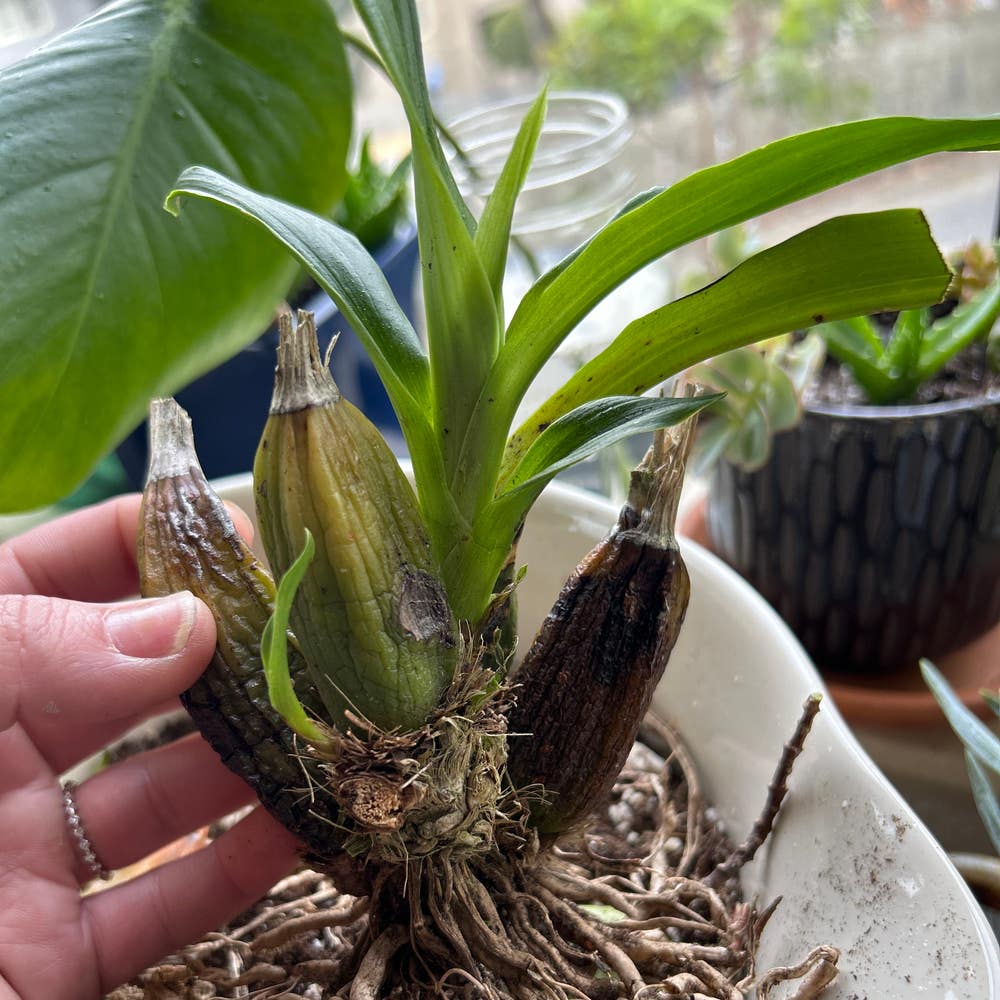
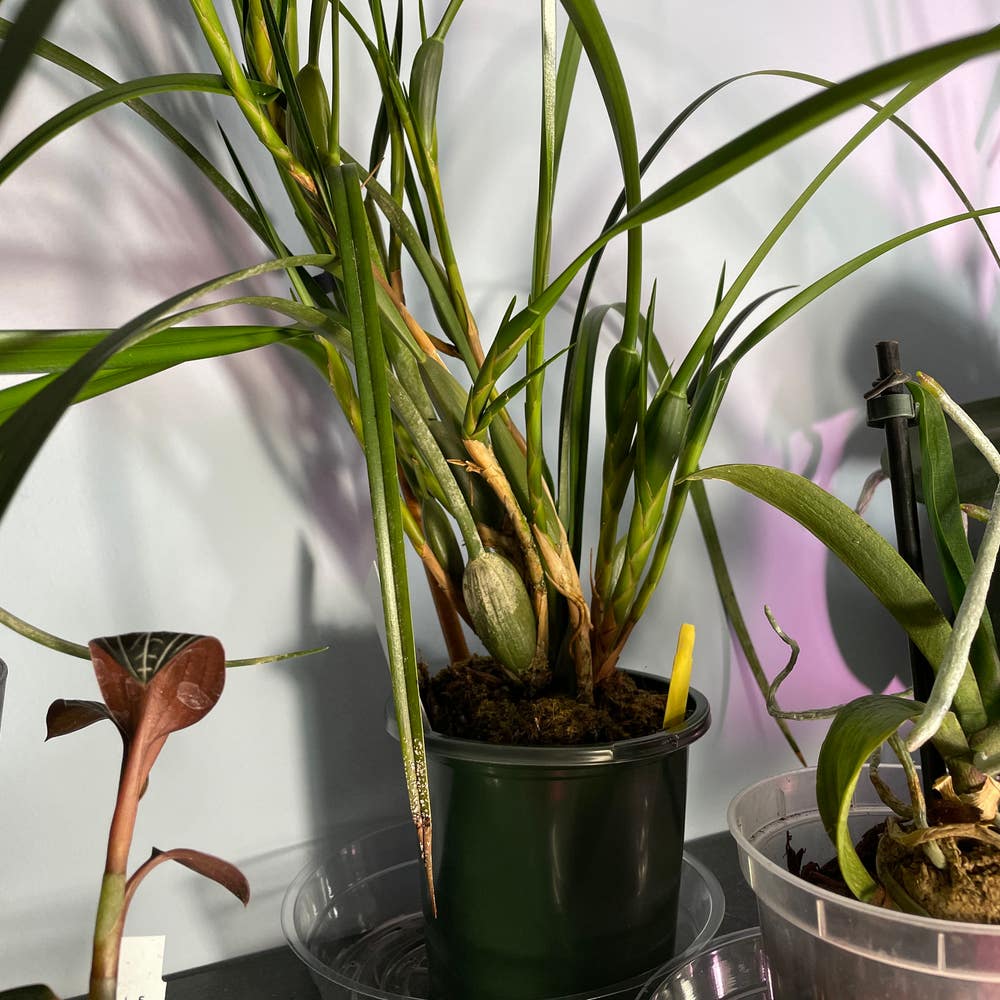
Eulophia dactylifera: A Comprehensive Overview
Eulophia dactylifera
By the Greg Editorial Team
Feb 27, 2025•11 min read
This article was created with the help of AI so we can cover more plants for you. May contain errors. See one? Report it here.
Unlock the beauty and benefits of Eulophia dactylifera 🌼 with easy care tips for a thriving garden! 🌱
- 🌱 Eulophia dactylifera thrives in partial shade; adaptable to various light conditions.
- 🌿 Use well-draining, fertile soil with a pH of 6.0-7.0 for optimal growth.
- 💧 Regular watering is key; avoid overwatering to prevent yellowing leaves.
How to Grow
Choosing a Location 🌍
Eulophia dactylifera thrives in partial shade but is adaptable to various light conditions. When deciding between outdoor and indoor planting, consider your local climate and available space.
Soil Preparation 🏞️
For optimal growth, use well-draining, fertile soil. Aim for a pH level between 6.0 and 7.0, which is slightly acidic to neutral.
Planting Techniques 🌱
When planting tubers, dig a hole 2-3 inches deep. Space them 12-18 inches apart to allow for healthy growth.
Watering Requirements 💧
Regular watering is essential to maintain consistent moisture in the soil. Watch for signs of overwatering, such as yellowing leaves, or underwatering, indicated by wilting.
Fertilizing Schedule 🌿
Utilize a balanced NPK fertilizer to nourish your plants. Apply it monthly during the growing season for best results.
With these foundational steps, you're well on your way to successfully growing Eulophia dactylifera. Next, let’s explore how to propagate this fascinating plant.
Propagation
🌱 Seed Propagation
To start propagating Eulophia dactylifera from seeds, begin by soaking them in water for 24 hours. This simple step helps to soften the seed coat, promoting better germination.
For optimal germination, place the soaked seeds in a warm, humid environment. A temperature range of 70-80°F (21-27°C) is ideal, as it encourages the seeds to sprout within 2-4 weeks.
🥔 Division of Tubers
Dividing tubers is another effective propagation method, best performed in early spring. This timing allows the plant to recover quickly and thrive in the growing season.
When dividing, take care to separate the tubers gently without damaging the roots. Use a clean, sharp tool to ensure a clean cut, which helps prevent disease and promotes healthy growth.
With these propagation techniques, you can expand your Eulophia dactylifera collection and enjoy its unique beauty in your garden. Next, let’s explore the lifecycle of this fascinating plant.
Lifecycle
Lifecycle Stages 🌱
Eulophia dactylifera is classified as a perennial plant, meaning it lives for multiple years. This characteristic allows it to thrive and produce blooms season after season.
Germination Process 🌡️
Seeds of Eulophia dactylifera typically take about 2-4 weeks to germinate. Providing a warm and humid environment can significantly enhance the germination rate.
Seedling Development 🌿
Once germination occurs, seedlings begin to develop their initial leaves and establish roots. This early stage is crucial for the plant's future growth and stability.
Vegetative Growth Phase 🌳
The vegetative growth phase usually lasts between 6 to 12 months. During this time, the plant focuses on growing leaves and strengthening its root system.
Flowering and Seed Production 🌼
Eulophia dactylifera flowers from late spring to early summer. Successful seed production depends on optimal conditions, including adequate pollination and environmental factors.
Lifespan and Growth Timeline ⏳
Under ideal conditions, Eulophia dactylifera can live for 5-10 years. It has a moderate growth rate, typically reaching maturity within 2-3 years, making it a rewarding addition to any garden.
This lifecycle overview highlights the resilience and beauty of Eulophia dactylifera, setting the stage for understanding its size and growth characteristics.
Size
Mature Height and Spread 🌱
Eulophia dactylifera typically reaches an average height of 1 to 3 feet. At maturity, it can spread between 1 to 2 feet wide, making it a manageable addition to various garden spaces.
Growth Rate and Size Variability 📈
The growth rate of Eulophia dactylifera can vary significantly based on several factors. Key influences include soil quality, light exposure, and water availability, all of which play crucial roles in determining how quickly and robustly this plant thrives.
Understanding these aspects can help you create the ideal environment for your Eulophia dactylifera, ensuring it reaches its full potential. Next, let's explore the fascinating lifecycle of this resilient plant.
Roots
Characteristics of the Root System 🌱
Eulophia dactylifera boasts fleshy tuberous roots that serve crucial roles in its growth. These roots are not just for stability; they also act as reservoirs for nutrients, ensuring the plant thrives even in less-than-ideal conditions.
Common Root-Related Issues ⚠️
One of the most significant threats to the health of Eulophia dactylifera is root rot. This condition often arises from overwatering or poorly draining soil, leading to a decline in root health.
To prevent root rot, ensure your plant is in well-draining soil and avoid excessive watering.
Signs of unhealthy roots include discoloration and a mushy texture, which indicate that the roots are struggling. If you notice these symptoms, it's essential to act quickly to save your plant.
Understanding the root system and its potential issues is vital for successful cultivation. With proper care, your Eulophia dactylifera can flourish, showcasing its unique beauty for years to come.
Next, let’s explore the numerous benefits this remarkable plant offers.
Benefits
Top 5 Benefits 🌟
Eulophia dactylifera offers a range of benefits that make it a valuable addition to any garden.
Ornamental Appeal
Its unique foliage and striking flower spikes can enhance the aesthetics of your garden. This plant adds a touch of exotic beauty that can captivate any visitor.
Medicinal Uses
Traditionally, Eulophia dactylifera has been utilized in herbal medicine. Its potential health benefits are worth exploring, as many cultures have relied on it for various remedies.
Environmental Benefits
This plant contributes significantly to local biodiversity and ecosystem health. By planting Eulophia dactylifera, you support a thriving environment that benefits both flora and fauna.
Cultural Significance
Eulophia dactylifera holds historical and cultural relevance in various regions. Its presence in gardens can connect us to traditions and practices that have stood the test of time.
Contribution to Biodiversity
Finally, this plant plays a crucial role in supporting pollinators and other wildlife. By cultivating Eulophia dactylifera, you help create a habitat that nurtures essential species in our ecosystem.
These benefits highlight why Eulophia dactylifera is more than just a plant; it’s a vital part of our gardens and the environment. Next, let’s explore the best companion plants that thrive alongside this remarkable species.
Companion Plants
Best Companion Plants 🌿
When selecting companion plants for Eulophia dactylifera, consider those that thrive under similar light and water conditions. Some excellent choices include ferns, hostas, and shade-loving herbs like mint and chives.
These plants not only complement the aesthetic of Eulophia dactylifera but also create a harmonious garden environment.
Benefits of Companion Planting 🌱
Companion planting can significantly enhance growth and health. By pairing Eulophia dactylifera with compatible plants, you can improve nutrient uptake and reduce pest issues.
This symbiotic relationship fosters a thriving ecosystem, making your garden more resilient and productive. Plus, it adds layers of beauty and diversity to your landscape.
Incorporating companion plants is a simple yet effective strategy to elevate your gardening game. As you explore these combinations, you'll likely discover new favorites that enhance both your garden's health and your enjoyment of it.
Toxicity to Humans
🛡️ Safety Profile
Eulophia dactylifera is generally considered safe, as it is not listed as toxic by major poison control centers. However, some individuals may experience mild skin irritation or digestive discomfort if they consume it in excessive amounts.
⚠️ Recommendations for Caution
It's wise to monitor for any unusual symptoms after contact or ingestion. While serious reactions are rare, being aware of your body's responses can help ensure a safe experience with this intriguing plant.
As you explore the benefits of Eulophia dactylifera, keep in mind that awareness and moderation are key. This approach will allow you to enjoy its unique qualities without unnecessary worry.
Next, let’s delve into how this plant interacts with our furry friends, particularly dogs.
Toxicity to Dogs
Safety Around Dogs 🐶
Eulophia dactylifera is considered safe for dogs, as it is not toxic according to veterinary organizations. However, if your furry friend consumes large quantities, they may experience mild gastrointestinal upset.
Tips for Introducing the Plant to Homes with Dogs 🏡
When bringing Eulophia dactylifera into your home, consider its placement carefully. Position the plant in areas that are less accessible to your dog to minimize the chance of nibbling.
Monitor your dog's behavior around the plant, especially during the initial introduction. This way, you can quickly address any unusual symptoms or concerns that may arise.
Conclusion 📝
Overall, Eulophia dactylifera poses minimal risk to dogs, making it a great addition to your garden or home. With proper care and attention, you can enjoy this beautiful plant without worrying about your canine companion's safety.
Next, let’s explore how this plant interacts with our feline friends.
Toxicity to Cats
🐱 Safety Around Cats
Eulophia dactylifera is considered safe for cats, as it is not listed as toxic by major pet poison control centers. However, if your feline friend indulges in excessive munching, it may experience mild gastrointestinal upset.
🏡 Tips for Introducing the Plant to Homes with Cats
To ensure a harmonious relationship between your cat and Eulophia dactylifera, consider the plant's placement. Position it in areas that are less accessible to your curious kitty, while still allowing you to enjoy its beauty.
Monitor your cat's behavior around the plant. If you notice any unusual symptoms after contact or ingestion, consult your veterinarian for guidance.
With a little care and attention, you can enjoy the charm of Eulophia dactylifera without worrying about your furry companion's safety.
Problems
💧 Incorrect Watering
Watering Eulophia dactylifera can be tricky. Overwatering leads to yellowing leaves and root rot, while underwatering causes wilting and stunted growth.
To remedy these issues, ensure consistent moisture without waterlogging the soil. A good rule of thumb is to check the top inch of soil; if it's dry, it's time to water.
☀️ Incorrect Light Conditions
Light conditions play a crucial role in the health of your plant. Eulophia dactylifera thrives in partial shade but can adapt to various light levels.
If your plant shows signs of stress, consider relocating it to a spot with more or less light. Adjusting its position can make a world of difference.
🦠 Diseases
Like any plant, Eulophia dactylifera can fall victim to diseases. Common issues include fungal infections and bacterial blight, which can manifest as spots on leaves or wilting.
Identifying these problems early is key. Treat with appropriate fungicides or bactericides, and ensure good air circulation around the plant to prevent recurrence.
🌱 Root Problems
Root health is vital for the overall well-being of your Eulophia dactylifera. Root rot is a common issue, often caused by excessive moisture.
To address this, inspect the roots regularly. If you notice discoloration or mushiness, it may be time to repot your plant in fresh, well-draining soil.
By staying vigilant about these common problems, you can ensure your Eulophia dactylifera thrives and flourishes. Next, let’s explore the potential pest issues that could affect your plant.
Bugs
🐜 Potential Pest Issues
Eulophia dactylifera can face a variety of pest challenges. Understanding its resistance and susceptibility to pests is crucial for maintaining a healthy plant.
Common pests include spider mites, mealybugs, and aphids. These tiny invaders can wreak havoc on your plant, sucking out vital nutrients and weakening its overall health.
🛠️ Effective Treatment Options
Managing pest infestations effectively requires a balanced approach. Both organic and chemical control methods can be employed to protect your Eulophia dactylifera.
For organic solutions, consider neem oil or insecticidal soap, which can effectively deter pests without harming beneficial insects. If the infestation is severe, chemical pesticides may be necessary, but always follow the manufacturer's instructions for safe application.
Regular monitoring and early intervention are key to keeping your plant thriving. By staying vigilant, you can enjoy the beauty of Eulophia dactylifera without the worry of pest damage.
Next, let’s explore what animals might be interested in munching on your Eulophia dactylifera and how to protect it from them.
What Eats Eulophia dactylifera
🦌 Common Animals
Eulophia dactylifera can attract a variety of herbivores. Common culprits include deer, rabbits, and rodents, all of which may find the plant's foliage and tubers appealing.
🔍 Signs of Animal Presence and Damage
Identifying damage from these animals is crucial for effective management. Look for specific signs: deer may leave large, ragged bites on leaves, while rabbits often create clean cuts. Rodents might dig around the base, disturbing the soil and tubers.
🚫 Deterrent Methods
Protecting your Eulophia dactylifera can be achieved through various methods. Chemical repellents can deter larger animals, while organic options like planting strong-smelling herbs can keep pests at bay.
Consider using physical barriers, such as fencing or netting, to safeguard your plants. Regular monitoring and quick action can help maintain the health of your garden.
By understanding what eats Eulophia dactylifera and how to deter them, you can enjoy a thriving plant without the worry of unwanted nibblers.
⚠️ Safety First
This content is for general information and may contain errors, omissions, or outdated details. It is not medical, veterinary advice, or an endorsement of therapeutic claims.
Always consult a qualified healthcare professional before using any plant as food, medicine, or supplement.
Never eat any plant (or feed one to pets) without confirming its identity with at least two trusted sources.
If you suspect poisoning, call Poison Control (800) 222-1222, the Pet Poison Helpline (800) 213-6680, or your local emergency service immediately.
Spotted an error? Please report it here.
Ensure your Eulophia dactylifera thrives with custom watering reminders 💧 from Greg, so you can enjoy its beauty and benefits for years to come!