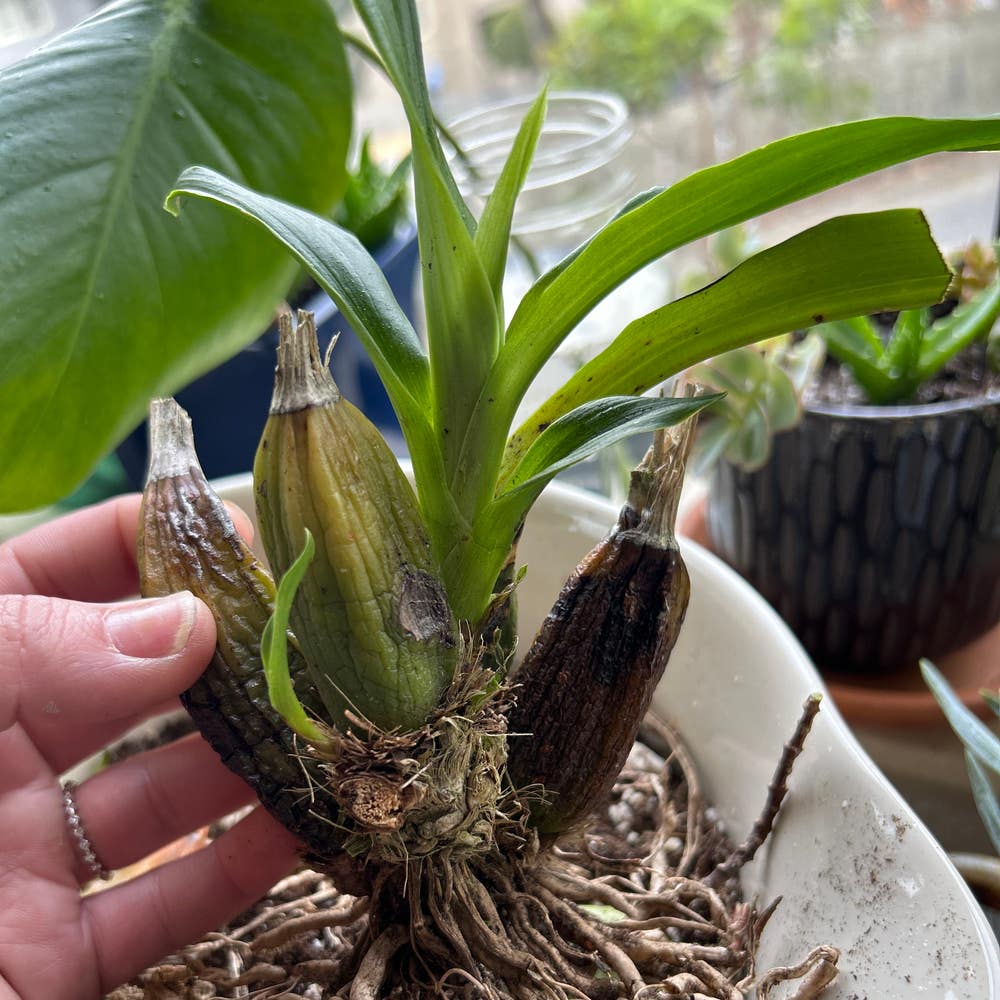
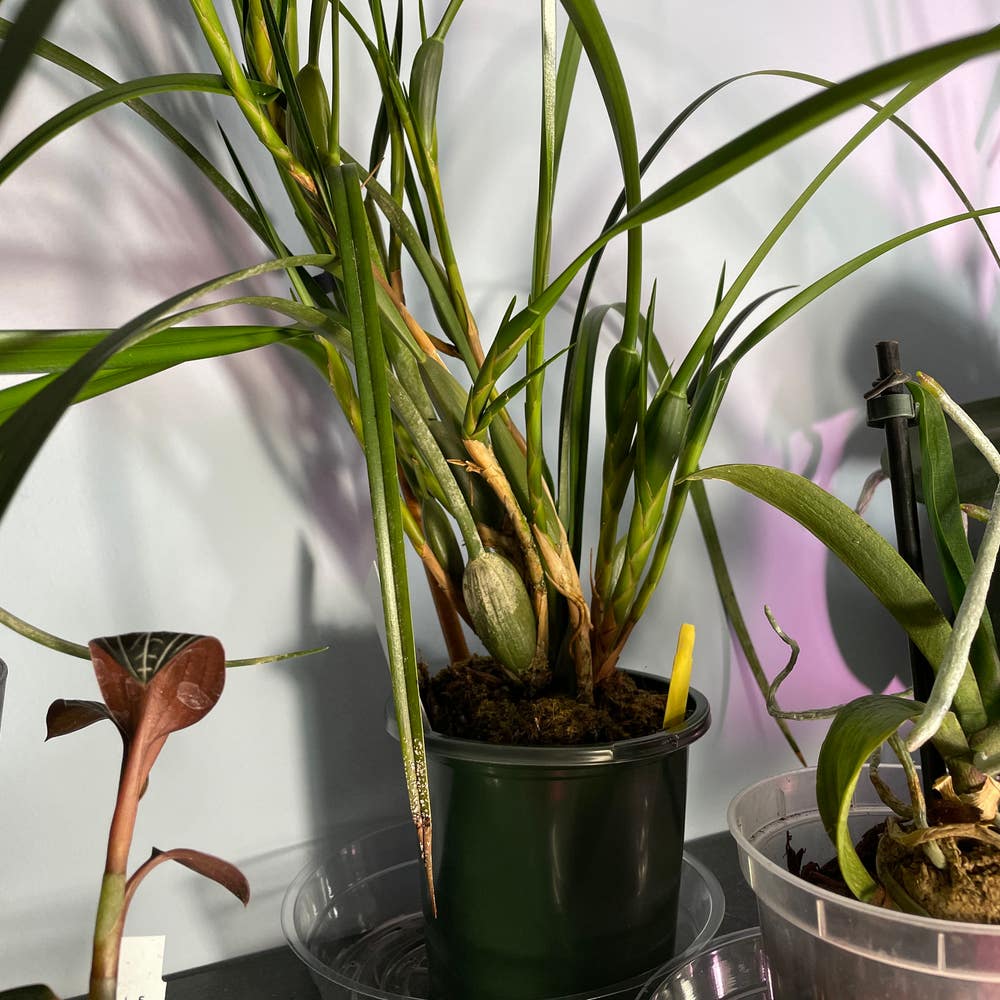
🌸 Introduction to Eulophia coutreziana
Eulophia coutreziana
By the Greg Editorial Team
Feb 27, 2025•10 min read
This article was created with the help of AI so we can cover more plants for you. May contain errors. See one? Report it here.
Unlock the beauty of Eulophia coutreziana in your garden with easy care tips for stunning blooms! 🌸
- 🌞 Eulophia coutreziana thrives in bright, indirect light and prefers 20°C to 30°C temperatures.
- 🌱 Use well-draining, organic soil with a pH of 6.0 to 7.0 for optimal growth.
- 💧 Water when the top inch is dry, typically every 1-2 weeks for best results.
How to Grow
🌞 Choosing a Location
Eulophia coutreziana thrives in a variety of light conditions, from full sun to partial shade. Ideally, it prefers bright, indirect light to flourish.
Temperature plays a crucial role in its growth. This plant does best in temperatures ranging from 20°C to 30°C (68°F to 86°F) and enjoys moderate to high humidity levels between 50-70%.
🌱 Soil Preparation
For optimal growth, use well-draining soil rich in organic matter. Aim for a slightly acidic to neutral pH level, ideally between 6.0 and 7.0.
Good drainage is essential to prevent root rot. Ensure your soil mix allows excess water to escape easily.
🌼 Planting Techniques
When planting Eulophia coutreziana, place the bulbs 2-3 inches deep in the soil. Space the plants 12-18 inches apart to give them room to grow.
💧 Watering Requirements
Water your plant when the top inch of soil feels dry, which is typically every 1-2 weeks. Be sure to water thoroughly until it drains from the bottom, avoiding any waterlogging.
🌿 Fertilizing Schedule
Use a balanced orchid fertilizer, such as a 20-20-20 mix. Fertilize every 4-6 weeks during the growing season, which spans from spring to summer.
✂️ Pruning Practices
Prune Eulophia coutreziana after flowering to encourage new growth. Remove spent flower spikes along with any dead or yellowing leaves to keep the plant healthy.
🔍 Ongoing Care
Regularly monitor your plant for signs of stress or disease. Adjust your watering and fertilizing routines based on seasonal changes to maintain optimal growth conditions.
With these guidelines, you'll be well on your way to successfully growing Eulophia coutreziana. Next, let’s explore how to propagate this beautiful plant!
Propagation
🌱 Seed Propagation
To propagate Eulophia coutreziana from seeds, start by sowing them in a sterile medium. This process requires high humidity and warmth to create the ideal germination environment.
Germination typically occurs within 2-4 weeks, so patience is key. Keep the medium consistently moist but not waterlogged to encourage healthy growth.
✂️ Division of Established Plants
Dividing established plants is another effective propagation method. The best time to do this is in early spring or right after flowering.
Carefully separate the bulbs and replant them in suitable soil to ensure they thrive. This technique not only helps propagate new plants but also rejuvenates the parent plant, promoting healthier growth.
As you explore propagation, remember that both methods can lead to a flourishing collection of Eulophia coutreziana. Next, let’s delve into the lifecycle of this captivating orchid.
Lifecycle
Lifecycle Stages 🌱
Eulophia coutreziana undergoes a fascinating lifecycle that includes several distinct stages: germination, seedling development, vegetative growth, flowering, and seed production. Each phase is crucial for the plant's overall health and longevity.
Lifespan and Growth Rate ⏳
This orchid can live for several years, showcasing a moderate growth rate. Typically, it reaches maturity in about 2-3 years, making it a rewarding addition to any garden.
Understanding these stages helps you appreciate the journey of Eulophia coutreziana from a tiny seed to a flourishing plant. With proper care, you can witness its beautiful transformation and enjoy its presence for years to come.
As we explore the next section, we'll delve into the size characteristics of this remarkable plant, including its mature height and spread.
Size
Mature Height and Spread 🌱
Eulophia coutreziana typically reaches a mature height of 30-60 cm (12-24 inches). Under optimal conditions, it can spread up to 30 cm (12 inches), creating a lovely presence in your garden.
Growth Rate and Time to Reach Full Size ⏳
This plant has a moderate growth rate, taking about 2-3 years to reach its full size. Patience is key, but the wait is worth it for the stunning blooms it will produce.
Size Variability Based on Growing Conditions 🌦️
The size of Eulophia coutreziana can vary significantly based on its growing conditions. Factors like light, water, and nutrient availability play crucial roles; optimal conditions will yield larger, more robust plants.
As you nurture your Eulophia coutreziana, keep in mind that the right environment can make all the difference. With proper care, you’ll be rewarded with a vibrant and flourishing addition to your garden.
Roots
🌱 Description of the Root System
Eulophia coutreziana features a fibrous root system that supports its growth and stability. This type of root structure is essential for nutrient absorption and anchoring the plant in the soil.
📏 Root Depth and Spread
Typically, the roots extend 6-12 inches deep and spread horizontally. This allows the plant to access moisture and nutrients efficiently while maintaining stability.
⚠️ Common Root-Related Issues
Root rot is a common issue caused by overwatering. To prevent this, ensure proper drainage in the pot.
Another issue is becoming rootbound, which occurs when the roots fill the pot. You can recognize this problem by observing roots growing out of the drainage holes.
👀 Visual Cues for Healthy vs. Unhealthy Roots
Healthy roots are firm, white, and spread throughout the soil, indicating good health. In contrast, unhealthy roots appear brown, mushy, or foul-smelling, signaling potential problems.
🛠️ Solutions for Root Problems
To address root rot, reduce watering and improve drainage to allow the roots to recover. For rootbound plants, repotting into a larger container with fresh soil will give the roots more space to grow.
Understanding the root system of Eulophia coutreziana is crucial for its overall health and vitality. By monitoring root conditions and addressing any issues promptly, you can ensure your plant thrives beautifully.
Next, let's explore the benefits of cultivating this unique orchid in your garden.
Benefits
List of 5 Benefits 🌼
Eulophia coutreziana offers a variety of advantages for gardeners and plant enthusiasts alike. Here are five standout benefits:
- Attractive Flowers: The vibrant blooms of Eulophia coutreziana enhance garden aesthetics, adding a splash of color and elegance.
- Pollinator-Friendly: These orchids attract bees and butterflies, supporting local ecosystems and promoting biodiversity.
- Unique Addition: As a distinctive member of the orchid family, Eulophia coutreziana makes a unique addition to any orchid collection.
- Potential Medicinal Uses: In traditional practices, this plant may have medicinal properties, making it not just beautiful but also beneficial.
- Cultural Symbolism: Often associated with resilience and beauty, Eulophia coutreziana holds cultural significance in various societies, enriching gardens with meaning.
Cultural Significance and Symbolism 🌍
Eulophia coutreziana is more than just a pretty flower; it embodies beauty and strength, particularly in African cultures. This symbolism makes it a meaningful addition to gardens, inviting reflection and appreciation for its deeper significance.
Incorporating this orchid into your garden not only enhances its visual appeal but also connects you to a rich tapestry of cultural heritage. As you nurture this plant, you participate in a tradition that celebrates resilience and beauty, making your gardening experience all the more rewarding.
With these benefits in mind, let's explore how to propagate Eulophia coutreziana effectively.
Companion Plants
🪴 Explanation of Companion Planting and Its Benefits
Companion planting is a gardening technique that involves growing different plants together for mutual benefits. This practice enhances garden diversity, improves pest management, and promotes overall plant health.
🌱 List of Compatible Companion Plants
When considering companions for Eulophia coutreziana, opt for plants that thrive in similar conditions. Suitable companions include:
- Ferns: These add lush greenery and thrive in similar humidity levels.
- Other Orchids: They share similar care requirements and can create a stunning display.
- Shade-Tolerant Perennials: These plants can coexist without competing for light.
🐞 Explanation of Symbiotic Relationships and Pest Management
Companion plants can deter pests and improve soil health, creating a balanced ecosystem. For instance, certain plants can attract beneficial insects that prey on common pests, reducing the need for chemical interventions.
🚫 Plants to Avoid Near Eulophia coutreziana
While some plants thrive alongside Eulophia coutreziana, others can hinder its growth. Avoid planting near:
- Aggressive Weeds: These can compete for nutrients and water.
- Plants with Different Moisture Needs: Mismatched moisture requirements can lead to stress for both plants.
By carefully selecting companion plants, you can create a thriving garden that supports the health and beauty of Eulophia coutreziana. This thoughtful approach not only enhances your garden's aesthetics but also fosters a more resilient ecosystem.
Next, let’s explore the potential problems that can arise when growing this beautiful orchid.
Problems
🕵️♂️ Identification and Causes of Issues
Identifying problems early can save your Eulophia coutreziana from serious distress. Incorrect watering is a common issue; if your plant is wilting, it may be underwatered, while yellowing leaves often signal overwatering.
Light conditions also play a crucial role in the plant's health. Leaf scorch indicates too much sun exposure, whereas leggy growth suggests your plant isn't getting enough light.
Temperature is another factor to monitor. If temperatures drop below 15°C (59°F), you might notice leaves dropping, signaling that your plant is unhappy.
🦠 Diseases and Their Symptoms
Fungal diseases can pose a threat to your plant's vitality. Powdery mildew is a common issue, presenting as white spots on leaves. If you spot this, treat it promptly with fungicides to prevent further spread.
🛠️ Solutions for Each Identified Problem
To address watering issues, adjust your schedule based on the moisture level of the soil. Always check the top inch of soil before watering to ensure you're meeting your plant's needs.
If light conditions are problematic, consider relocating your plant to a spot with more suitable light.
Lastly, keep an eye on temperature fluctuations. Protect your Eulophia coutreziana from cold drafts to maintain a stable environment.
By being proactive and attentive, you can ensure your plant thrives despite these common challenges.
Bugs
Identification of Common Pests 🐛
Eulophia coutreziana can attract a few common pests that may hinder its growth.
Spider Mites are notorious for their fine webbing and stippled leaves, which can indicate a serious infestation. Treat these pests promptly with insecticidal soap to protect your plant.
Mealybugs present themselves as white, cottony masses on leaves. They can be removed by hand or treated with neem oil for effective control.
Damage Caused by Pests and Treatment Options ⚠️
Another pest to watch for is the Aphid, which can cause significant damage. These tiny insects lead to leaf curling and stunted growth, making it essential to act quickly.
Control aphids using insecticidal soap or by introducing natural predators, such as ladybugs, into your garden. This approach not only manages the pest problem but also promotes a healthier ecosystem.
What Eats Eulophia coutreziana
🦌 Common Animals That May Damage
Eulophia coutreziana can attract a variety of hungry critters. Deer are notorious for munching on these plants, leaving behind chewed leaves and broken stems.
Rabbits also pose a threat, often leaving clean cuts on the leaves as they nibble away.
👀 Signs of Animal Presence and Types of Damage
Keep an eye out for signs of animal activity in your garden. Squirrel disturbances can lead to uprooted plants, so look for any disturbed soil around your Eulophia.
Chewed foliage and broken stems are clear indicators that your plants have been targeted by these hungry visitors.
🚫 Deterrent Methods for Managing Animal Threats
To protect your Eulophia coutreziana, consider using chemical deterrents. Commercial repellents can effectively keep deer and rabbits at bay.
For a more organic approach, physical barriers like fencing can work wonders. Additionally, planting deterrent herbs nearby can create a natural shield against these garden invaders.
By employing these strategies, you can help ensure your Eulophia thrives without unwanted munching.
⚠️ Safety First
This content is for general information and may contain errors, omissions, or outdated details. It is not medical, veterinary advice, or an endorsement of therapeutic claims.
Always consult a qualified healthcare professional before using any plant as food, medicine, or supplement.
Never eat any plant (or feed one to pets) without confirming its identity with at least two trusted sources.
If you suspect poisoning, call Poison Control (800) 222-1222, the Pet Poison Helpline (800) 213-6680, or your local emergency service immediately.
Spotted an error? Please report it here.
Eulophia coutreziana can be a showstopper 🌺 in your garden, and with Greg's custom watering alerts and fertilization tips, you'll have everything you need to help it thrive!