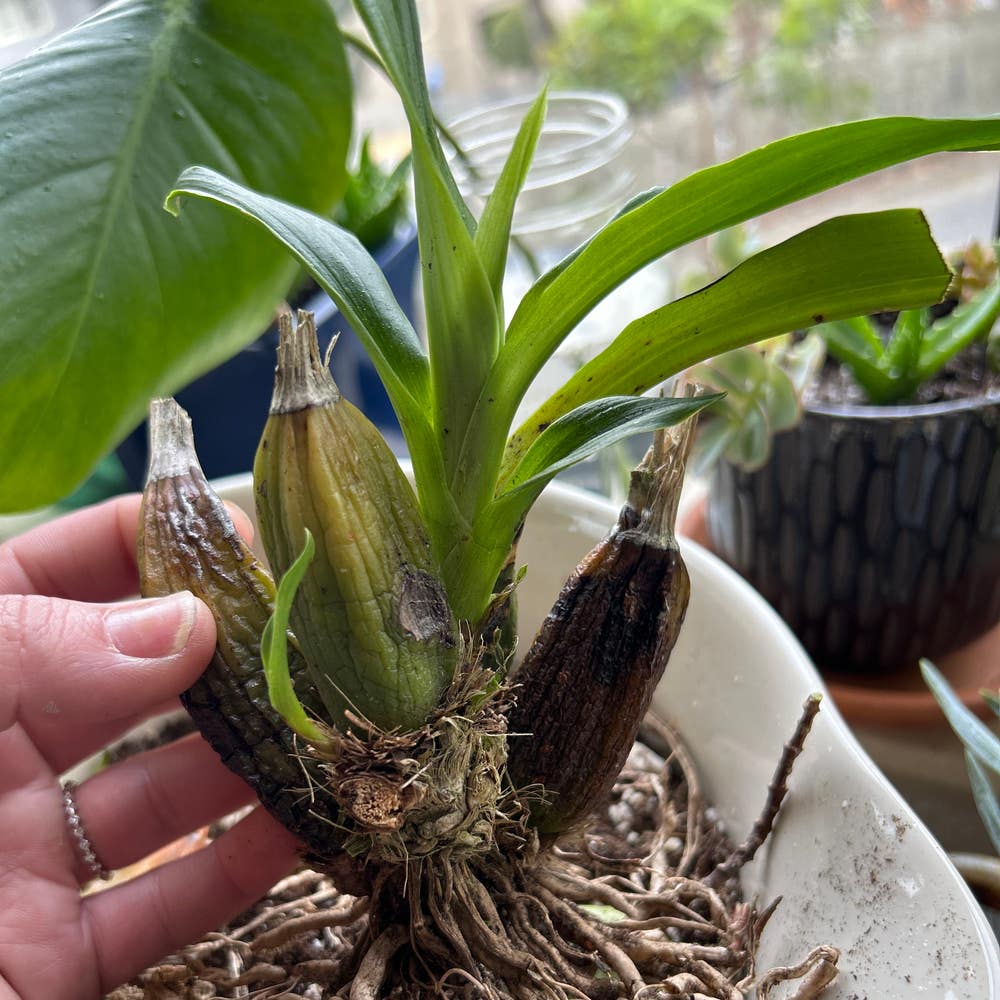
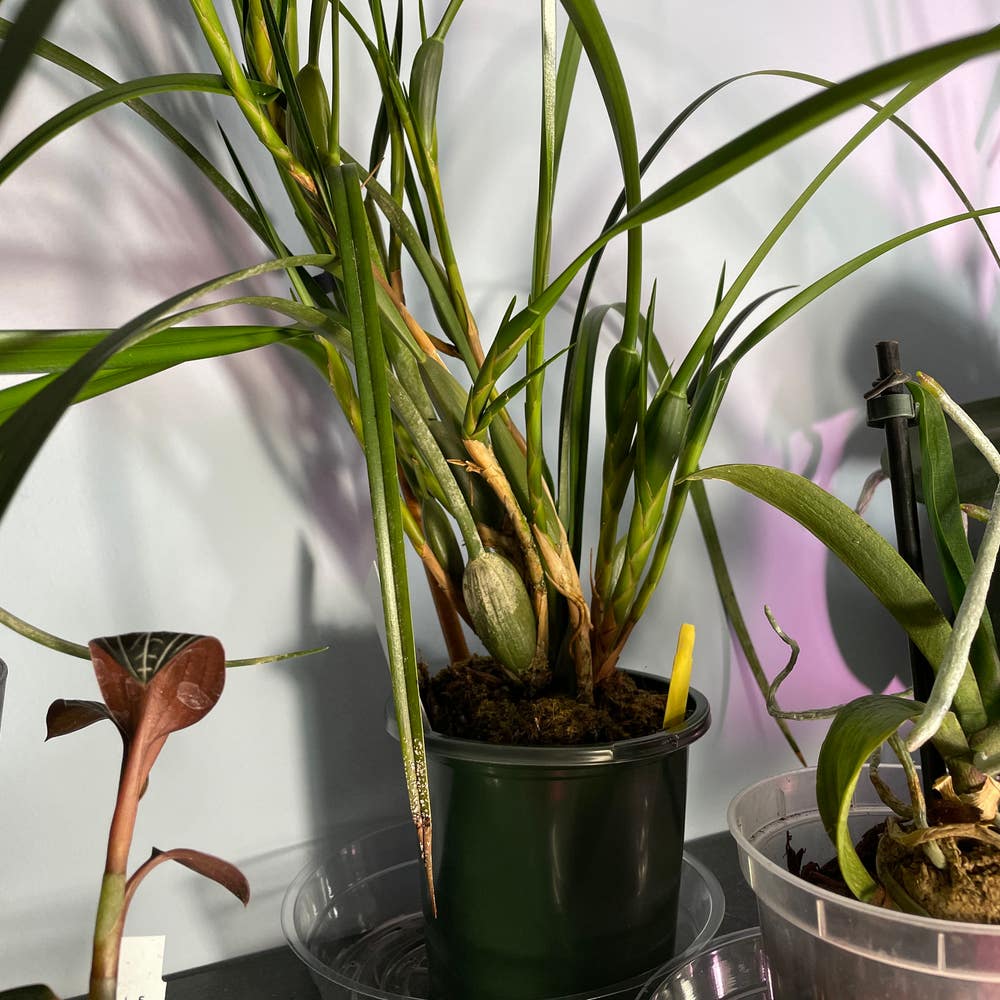
Eulophia cooperi: A Comprehensive Overview
Eulophia cooperi
By the Greg Editorial Team
Feb 27, 2025•10 min read
This article was created with the help of AI so we can cover more plants for you. May contain errors. See one? Report it here.
Elevate your garden with Eulophia cooperi, a stunning plant that thrives with minimal care! 🌱
- 🌞 Eulophia cooperi thrives in full sun to partial shade with warm temperatures (20-30°C).
- 🌱 Well-draining, organic-rich soil with pH 6.0-7.0 is ideal for growth.
- 🐾 Safe for pets - Eulophia cooperi is non-toxic to humans, dogs, and cats.
How to Grow
Choosing a Location 🌞
Eulophia cooperi thrives in a range of light conditions, from full sun to partial shade. Aim for warm temperatures between 20°C to 30°C (68°F to 86°F) and maintain moderate humidity levels of 50-70% for optimal growth.
Soil Preparation 🌱
For soil preparation, ensure you use a well-draining mix rich in organic matter. The ideal soil pH is slightly acidic to neutral, ranging from 6.0 to 7.0, to support healthy root development.
Planting Techniques 🌿
When planting, space your Eulophia cooperi rhizomes 30-45 cm (12-18 inches) apart to allow for adequate growth. Plant them at a depth of 5-10 cm (2-4 inches) to ensure stability and access to nutrients.
Watering Requirements 💧
Water your plants when the top inch of soil feels dry to the touch. It's best to water at the base of the plant, avoiding wetting the foliage to prevent fungal issues.
Fertilizing Schedule 🌼
Use a balanced, slow-release fertilizer with an NPK ratio of 10-10-10. Fertilize every 4-6 weeks during the growing season to provide essential nutrients for growth.
Pruning and Ongoing Care ✂️
Regular care includes deadheading spent flowers to promote new blooms. Additionally, trim any yellowing leaves to keep your plant healthy and vibrant.
These steps will help you cultivate a thriving Eulophia cooperi, setting the stage for a beautiful display in your garden. Next, let’s explore how to propagate this stunning plant for even more growth opportunities.
Propagation
Seed Propagation 🌱
To propagate Eulophia cooperi from seeds, start by soaking them in water for 24 hours. After soaking, sow the seeds in a well-draining medium, ensuring they have the best chance to thrive.
Germination typically takes 2-4 weeks under optimal conditions. Keep the soil moist but not soggy to encourage healthy growth.
Division of Rhizomes ✂️
Dividing rhizomes is another effective propagation method, best performed in spring or early summer. This timing allows the plant to recover quickly and establish new growth.
When dividing, carefully separate the rhizomes, ensuring each piece has healthy roots. Replant them immediately to minimize stress and promote successful establishment.
With these propagation techniques, you can expand your Eulophia cooperi collection and enjoy its unique beauty in multiple locations. Next, let’s explore the lifecycle of this fascinating plant.
Lifecycle
Stages of Growth 🌱
Eulophia cooperi undergoes several distinct stages throughout its lifecycle. It starts from seed or cutting, progresses to germination, and then moves through the seedling phase before entering vegetative growth, flowering, and finally seed production.
Lifespan and Maturity ⏳
Under optimal conditions, Eulophia cooperi can thrive for several years. Typically, it reaches full maturity in about 2 to 3 years, showcasing its resilience and adaptability.
Growth Timeline 📅
Understanding the growth timeline is crucial for successful cultivation. Each stage requires specific care to ensure healthy development and vibrant blooms.
In summary, nurturing Eulophia cooperi through its lifecycle not only enhances your gardening skills but also rewards you with stunning flowers and a sense of accomplishment. Next, we’ll explore how to maximize your plant's potential through proper care and maintenance.
Size
Mature Dimensions 🌱
Eulophia cooperi reaches a mature height of 30-60 cm (12-24 inches) and spreads about 30-45 cm (12-18 inches) wide. This compact size makes it an excellent choice for various garden settings, from borders to containers.
Growth Rate 📈
The growth rate of Eulophia cooperi is moderate, meaning it won’t take over your garden but will still provide a lovely display. Factors such as soil quality, light exposure, and watering practices can significantly influence its size, so keep these in mind for optimal growth.
Size Variability 📏
Expect some variability in size based on the conditions you provide. A well-cared-for plant in rich soil and ample sunlight will thrive, while one in poor conditions may lag behind.
This adaptability makes Eulophia cooperi a versatile addition to your garden. As you continue to nurture it, you'll witness its growth journey, which can be quite rewarding.
Ready to learn about its roots? Let's dive into the next section!
Roots
Characteristics 🌱
Eulophia cooperi features a rhizomatous root system, which is essential for its growth and stability. These roots typically extend 15-30 cm (6-12 inches) deep, providing a solid foundation for the plant.
The roots also spread horizontally, which aids in nutrient uptake. This adaptability allows the plant to thrive in various soil conditions, making it a resilient choice for gardeners.
Common Issues ⚠️
One common issue with Eulophia cooperi is root rot, often caused by overwatering. Symptoms include mushy roots, which can lead to plant decline if not addressed promptly.
Another concern is becoming rootbound, which occurs when the roots fill the pot. Signs of this issue include stunted growth and a general lack of vigor, indicating it's time to repot or divide the plant.
Understanding these root characteristics and potential problems can help you maintain a healthy Eulophia cooperi. With proper care, this plant can flourish and bring beauty to your garden.
Next, let's explore the benefits of growing Eulophia cooperi and why it deserves a spot in your landscape.
Benefits
Top 5 Benefits 🌟
Eulophia cooperi offers a range of benefits that make it a fantastic addition to any garden.
1. Aesthetic Appeal
The unique flowering spikes of Eulophia cooperi are a visual treat. They add vibrant colors and intriguing shapes, enhancing the overall beauty of your garden.
2. Cultural Significance
This plant has a rich history in traditional medicine. Many cultures have valued it for its potential health benefits, making it more than just a pretty face in your garden.
3. Biodiversity
Eulophia cooperi plays a crucial role in attracting pollinators. Its presence supports garden diversity, creating a thriving ecosystem that benefits all plants.
4. Low Maintenance
Once established, Eulophia cooperi requires minimal care. This makes it perfect for busy gardeners or those new to plant care.
5. Edible Uses
Some parts of Eulophia cooperi can be used in traditional dishes. This adds an exciting culinary dimension to your gardening experience.
Incorporating Eulophia cooperi into your garden not only beautifies your space but also enriches your gardening journey. Next, let’s explore how to propagate this remarkable plant for even more gardening joy.
Companion Plants
🌱 Companion Planting
Companion planting is a fantastic strategy for enhancing your garden's growth and health. By pairing plants that support each other, you can improve pest management and boost overall garden diversity.
🌼 Compatible Plants
When growing Eulophia cooperi, consider adding marigolds to your garden. These vibrant flowers act as natural pest deterrents, keeping unwanted insects at bay.
Ferns also make excellent companions, as they share similar care needs and thrive in similar conditions. Together, they create a harmonious environment that benefits all plants involved.
🚫 Plants to Avoid
While companion planting can be beneficial, it's essential to avoid heavy feeders like tomatoes. These plants compete for nutrients, potentially stunting the growth of Eulophia cooperi and leading to an unbalanced garden ecosystem.
By carefully selecting companion plants, you can create a thriving garden that supports the health and beauty of Eulophia cooperi. This thoughtful approach not only enhances your garden's aesthetics but also fosters a more resilient growing environment.
Next, let’s explore the fascinating topic of Eulophia cooperi's toxicity to humans and pets.
Toxicity to Humans
Safety 🛡️
Eulophia cooperi is not listed as toxic by major poison control centers, making it a safe choice for gardens and homes.
However, it's worth noting that consuming large quantities may lead to mild skin irritation or digestive discomfort.
Toxicity to Dogs
Safety 🐶
Eulophia cooperi is considered safe for dogs according to veterinary organizations. This means you can enjoy your garden without worrying about your furry friends getting into trouble.
Minor Issues 🐾
While it's not toxic, consuming large quantities may lead to mild gastrointestinal upset. So, if your dog decides to nibble on a few leaves, keep an eye out for any signs of discomfort.
In summary, Eulophia cooperi poses no significant risk to dogs, allowing you to cultivate this beautiful plant with peace of mind. Now that you know about its safety for pets, let's explore its effects on cats.
Toxicity to Cats
🐱 Safety
Eulophia cooperi is considered safe for cats, according to pet poison control centers. This means you can enjoy this beautiful plant without worrying about your feline friends.
⚠️ Minor Issues
While not toxic, consuming large quantities may lead to mild gastrointestinal upset in cats. It's always best to monitor your pets around any plants, just to be safe.
In summary, Eulophia cooperi is a great choice for cat owners who want to add some greenery to their homes. With its low toxicity, you can relax and enjoy its beauty without the stress of potential harm to your pets.
Next, let’s explore the potential problems that can arise when caring for this plant.
Problems
Common Issues 🌱
Growing Eulophia cooperi can be rewarding, but it's essential to watch for common problems that may arise.
Incorrect Watering 💧
Watering is crucial for plant health. Overwatering can lead to yellowing leaves, while underwatering results in wilting.
Incorrect Light Conditions ☀️
Light conditions also play a significant role in growth. If your plant is leggy, it may not be getting enough light, whereas scorched leaves indicate too much direct sunlight.
Diseases 🦠
Fungal diseases can pose a threat as well. Keep an eye out for powdery mildew and root rot, which can compromise your plant's health if not addressed promptly.
By staying vigilant about these issues, you can ensure your Eulophia cooperi thrives beautifully. Next, let’s explore the pests that might disrupt your plant's growth.
Bugs
Pest Issues 🐜
Eulophia cooperi is generally a resilient plant, but it can still fall prey to certain pests. Keeping an eye out for these common culprits can help maintain the health of your plant.
Relevant Pests 🐞
Spider Mites: These tiny pests thrive in dry conditions and can cause significant damage by sucking the sap from leaves. Look for fine webbing and yellowing leaves as signs of an infestation.
Scale Insects: These pests appear as small, brownish bumps on stems and leaves. They can weaken your plant by feeding on its sap, so regular inspections are key.
Mealybugs: Recognizable by their white, cottony appearance, mealybugs can cluster in leaf joints. They can lead to sticky residue and sooty mold if left unchecked.
Aphids: These small, green insects can be found on new growth and flower buds. They reproduce quickly and can cause distortion in leaves and flowers.
Prevention and Control 🚫
To keep these pests at bay, consider implementing a few simple strategies. Regularly inspect your plants and maintain good air circulation to deter infestations. If you spot any pests, a gentle spray of water can dislodge them, or you can use insecticidal soap for more stubborn cases.
By staying vigilant and proactive, you can ensure that your Eulophia cooperi remains healthy and vibrant. Next, let’s explore the common issues that can arise in its care.
What Eats
Common Animals 🐾
Eulophia cooperi can attract a variety of garden visitors, some of which may cause damage. Understanding these animals and how to deter them is crucial for maintaining a healthy plant.
Deer 🦌
Deer are notorious for munching on garden plants. Look for signs like chewed leaves; if you notice this, consider using fencing or repellents to keep them at bay.
Rabbits 🐇
Rabbits can also be a nuisance, often leaving behind clipped stems as evidence of their feasting. To protect your plants, implement barriers or repellents that deter these furry friends.
Squirrels 🐿️
Squirrels may dig up bulbs, causing significant disruption to your garden. To prevent this, use noise or motion-activated devices that can scare them away.
By being aware of these common animals and their behaviors, you can take proactive steps to protect your Eulophia cooperi. This will help ensure your plants thrive without unwanted interference.
⚠️ Safety First
This content is for general information and may contain errors, omissions, or outdated details. It is not medical, veterinary advice, or an endorsement of therapeutic claims.
Always consult a qualified healthcare professional before using any plant as food, medicine, or supplement.
Never eat any plant (or feed one to pets) without confirming its identity with at least two trusted sources.
If you suspect poisoning, call Poison Control (800) 222-1222, the Pet Poison Helpline (800) 213-6680, or your local emergency service immediately.
Spotted an error? Please report it here.
Eulophia cooperi is a gorgeous addition 🌼 to any garden, and with Greg's tailored watering alerts and care tips, you can effortlessly keep it thriving in your home!