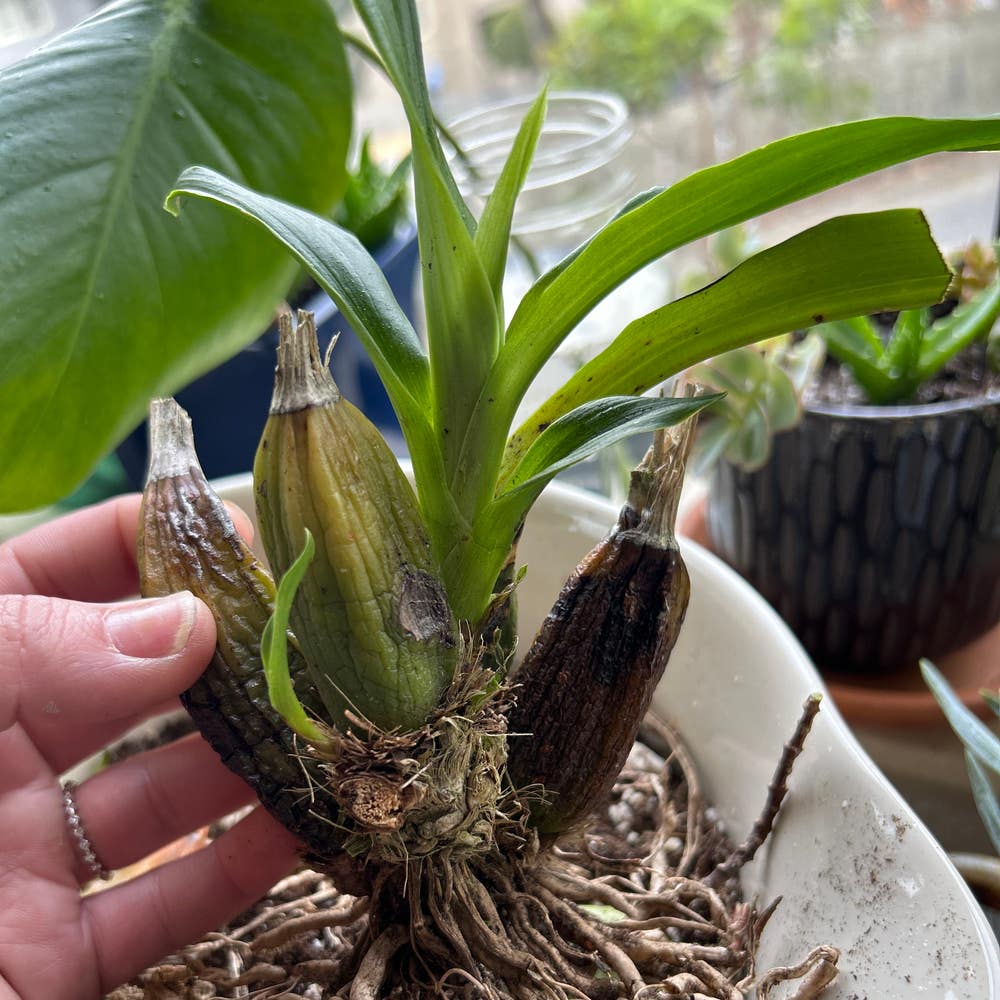
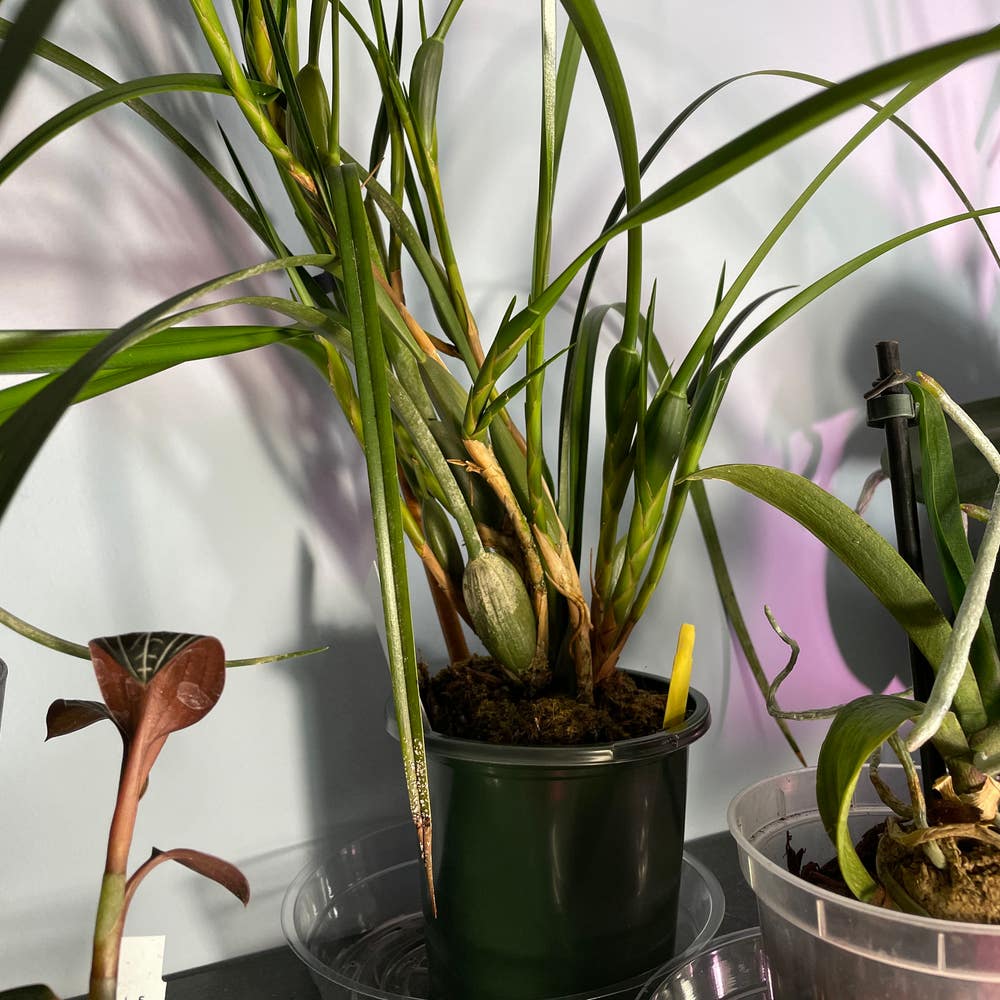
What is a Eulophia coeloglossa? Complete Guide 🌸
Eulophia coeloglossa
By the Greg Editorial Team
Feb 27, 2025•12 min read
This article was created with the help of AI so we can cover more plants for you. May contain errors. See one? Report it here.
- 🌞 Eulophia coeloglossa thrives in bright, indirect sunlight; avoid harsh direct light.
- 💧 Maintain humidity levels between 50-70% for optimal growth and health.
- 🌱 Use well-draining, organic soil to prevent root rot and promote healthy development.
How to Grow
🌞 Choosing a Location
Eulophia coeloglossa thrives in bright, indirect sunlight. Direct harsh sunlight can scorch its delicate leaves, so finding a spot with filtered light is essential.
For optimal growth, maintain a temperature range between 20°C to 30°C (68°F to 86°F). This temperature range helps the plant flourish and reach its full potential.
High humidity is crucial for this orchid, requiring levels between 50-70%. If your environment is too dry, consider using a humidifier or placing a tray of water nearby to boost moisture levels.
🌱 Soil Preparation
When it comes to soil, Eulophia coeloglossa prefers a well-draining mix rich in organic matter. This ensures that the roots receive adequate nutrients while preventing water retention.
Aim for a slightly acidic to neutral soil pH, ideally between 6.0 and 7.0. Testing your soil can help you achieve the right balance for healthy growth.
Good drainage is vital to prevent root rot. Always ensure that your pot or planting area has adequate drainage holes to allow excess water to escape.
🌿 Planting Techniques
When planting, bury the rhizomes 2-3 inches deep. This depth provides stability and encourages healthy root development.
Space your plants 12-18 inches apart to allow for their natural growth. Proper spacing prevents overcrowding and promotes air circulation, reducing the risk of disease.
💧 Watering Requirements
Water your Eulophia coeloglossa when the top inch of soil feels dry. Typically, this means watering every 1-2 weeks, depending on your environment.
Use a thorough watering method, allowing water to drain from the bottom of the pot. Avoid waterlogging, as this can lead to root rot.
🌼 Fertilizing Schedule
For fertilization, opt for a balanced orchid fertilizer (20-20-20) diluted to half strength. This ensures your plant receives the necessary nutrients without overwhelming it.
Fertilize every 4-6 weeks during the growing season, which spans spring and summer. This regular feeding supports robust growth and vibrant blooms.
✂️ Pruning and Ongoing Care
Deadheading is essential; remove spent flowers to encourage new blooms. This simple act can significantly enhance the plant's aesthetic appeal.
Regularly check for pests and diseases, adjusting care based on your observations. Staying proactive helps maintain the health and beauty of your Eulophia coeloglossa.
With these tips, you'll be well-equipped to grow a thriving Eulophia coeloglossa. Next, let's explore the fascinating world of propagation techniques for this beautiful orchid.
Propagation
🌱 Seed Propagation
To propagate Eulophia coeloglossa from seeds, start by sowing them in a sterile medium. Keep the medium moist and warm, ideally around 25°C (77°F), to encourage germination.
Germination typically takes about 2-4 weeks. Patience is key here, as watching those tiny sprouts emerge can be quite rewarding.
✂️ Division of Rhizomes
Another effective propagation method is dividing the rhizomes. This is best done in spring when the plant is actively growing, ensuring a higher success rate.
When dividing, carefully separate the rhizomes, making sure each division has roots and at least one growth point. This technique not only helps in propagation but also rejuvenates the parent plant, promoting healthier growth.
With these methods, you can expand your Eulophia coeloglossa collection or share the beauty of this plant with friends. Now that you know how to propagate, let’s explore its lifecycle next!
Lifecycle
Lifecycle Overview 🌱
Eulophia coeloglossa is a resilient perennial plant that thrives through various stages of growth. Understanding its lifecycle is key to successful cultivation and care.
Stages of Growth 🌿
The lifecycle consists of several distinct stages: starting from seed or cutting, it progresses to germination, then to the seedling stage. Following this, the plant enters vegetative growth, eventually leading to flowering and seed production.
Lifespan and Maturity ⏳
With proper care, Eulophia coeloglossa can live for several years, showcasing its longevity. Typically, it takes about 2-3 years to reach full maturity, making patience a virtue for gardeners.
Growth Rate 📈
This plant exhibits a moderate growth rate, which means you won't see instant results, but the wait is worth it. As it matures, you'll appreciate the beauty and resilience it brings to your garden.
Understanding the lifecycle of Eulophia coeloglossa not only enhances your gardening skills but also deepens your appreciation for this remarkable plant. Next, let’s explore how to size this beauty effectively.
Size
Mature Dimensions 🌱
Eulophia coeloglossa typically reaches a mature height of 30-60 cm (12-24 inches). Its spread can extend up to 30 cm (12 inches), depending on the growing conditions.
Growth Rate ⏳
This plant has a moderate growth rate, usually taking about 2-3 years to reach its full size.
Size Variability 📏
Several factors influence the size of Eulophia coeloglossa, including light, water, and nutrient availability. Ensuring optimal conditions can lead to healthier, more robust plants.
As you consider growing this stunning orchid, remember that its size can be a reflection of the care it receives. With the right attention, you can enjoy a flourishing plant that enhances your garden's beauty.
Next, let's explore the fascinating root system characteristics of Eulophia coeloglossa.
Roots
🌱 Root System Characteristics
Eulophia coeloglossa features a fibrous root system that is essential for its growth and stability. These roots can extend 12-18 inches deep and spread horizontally, allowing the plant to absorb nutrients efficiently.
⚠️ Common Issues
One of the most common problems with Eulophia coeloglossa is root rot, often caused by overwatering. Signs of this issue include mushy roots and wilting leaves, indicating that the plant is struggling.
✅ Healthy Roots
Healthy roots are firm and white, spreading throughout the soil to support the plant's needs. In contrast, unhealthy roots appear dark and mushy, signaling that immediate action is required to save the plant.
🌿 Tips for Care
To maintain a healthy root system, ensure proper drainage and avoid overwatering. Regularly check for circling roots, which can indicate that the plant is rootbound and may need repotting.
With these insights into the root system of Eulophia coeloglossa, you can better understand how to nurture this beautiful plant. Next, let’s explore the benefits of growing Eulophia coeloglossa in your garden.
Benefits
Top 5 Benefits 🌟
Eulophia coeloglossa is not just a pretty face in the garden; it offers a range of benefits that make it a fantastic choice for plant enthusiasts.
1. Attractive Flowers
The stunning blooms of Eulophia coeloglossa can elevate the aesthetic appeal of any garden. Their vibrant colors and unique shapes draw the eye and create a focal point in your landscape.
2. Pollinator Magnet
These orchids are excellent at attracting pollinators like bees and butterflies. By planting Eulophia coeloglossa, you contribute to local biodiversity and support the ecosystem.
3. Low Maintenance
Once established, this plant requires minimal care. Its resilience makes it perfect for both novice and experienced gardeners who prefer a low-maintenance option.
4. Versatile Growing Options
Eulophia coeloglossa thrives in containers, allowing you to enjoy its beauty in various spaces. Whether on a balcony or in a garden bed, it adapts well to different environments.
5. Cultural Significance
In some regions, this orchid symbolizes beauty and resilience. Its cultural importance adds an extra layer of meaning to your gardening experience.
These benefits make Eulophia coeloglossa a worthy addition to any garden. With its beauty and practicality, it’s a plant that truly stands out.
As you consider adding this orchid to your collection, think about how it can enhance your gardening journey. Next, let’s explore the best companion plants to pair with Eulophia coeloglossa for a thriving garden ecosystem.
Companion Plants
🌱 Companion Planting Benefits
Companion planting is a fantastic way to enhance your garden's diversity and promote effective pest management. By choosing the right plants to grow alongside Eulophia coeloglossa, you can create a thriving ecosystem that benefits all your plants.
🌿 Ideal Companions
Ferns, other orchids, and shade-tolerant plants are excellent companions for Eulophia coeloglossa. These plants share similar humidity and light requirements, making them perfect partners in your garden.
🚫 Plants to Avoid
It's wise to steer clear of heavy feeders like tomatoes and corn. These plants can compete for nutrients, potentially stunting the growth of your Eulophia coeloglossa.
🛠️ Practical Tips
When planning your garden layout, consider the growth habits and needs of your companion plants. This thoughtful approach will help you cultivate a harmonious and productive garden space.
By incorporating companion plants, you not only enhance the beauty of your garden but also support the health and vitality of your Eulophia coeloglossa. Now, let’s explore the potential toxicity of this plant to humans, dogs, and cats.
Toxicity to Humans
Safety Overview 🌱
Eulophia coeloglossa is generally considered safe and is not listed as toxic by major poison control centers and health organizations.
While the plant poses minimal risk, consuming it in large quantities may lead to mild skin irritation or digestive discomfort.
Caution ⚠️
Even though Eulophia coeloglossa is deemed safe, it's wise to exercise caution with any plant. If you experience unusual symptoms after contact or ingestion, seeking medical advice is always a good idea.
This approach ensures that you enjoy your gardening experience while prioritizing safety.
Conclusion 📝
Understanding the safety of Eulophia coeloglossa allows you to appreciate its beauty without worry. As you explore this plant, remember to stay informed and attentive to your body's responses.
Next, let’s delve into the safety of Eulophia coeloglossa for our furry friends, starting with dogs.
Toxicity to Dogs
🛡️ Safety Overview
Eulophia coeloglossa is not considered toxic to dogs according to major pet poison control centers and veterinary organizations. This means you can enjoy this beautiful plant without worrying too much about your furry friends.
⚠️ Potential Minor Issues
While generally safe, consuming large quantities may lead to mild gastrointestinal upset in dogs. It's always a good idea to monitor your pet's behavior around new plants.
🐶 Tips for Pet Owners
To keep your dog safe, consider placing Eulophia coeloglossa out of reach. Additionally, discourage your dog from munching on any non-food plant material, even if it’s deemed safe.
✅ Conclusion
In summary, Eulophia coeloglossa is a low-risk plant for dogs, but it's wise to exercise caution. Keeping an eye on your pet's interactions with plants can help ensure their health and safety.
Next, let's explore the plant's toxicity to cats.
Toxicity to Cats
Safety Overview 🐱
Eulophia coeloglossa is considered safe for cats, as it is not listed as toxic by major pet poison control centers and veterinary organizations. This means you can enjoy this beautiful plant without worrying about your feline friends.
Potential Minor Issues ⚠️
While generally safe, there may be minor issues if a cat consumes large quantities of the plant. Mild gastrointestinal upset could occur, but this is rare.
Tips for Cat Owners 📝
To ensure your cat's safety, keep Eulophia coeloglossa out of reach and monitor their behavior around new plants. Although it's deemed safe, it's wise to discourage cats from munching on any non-food plant material.
Final Thoughts 💭
With proper precautions, you can enjoy the beauty of Eulophia coeloglossa in your home or garden without fear for your cat's health. Just stay vigilant and create a safe environment for your curious companions.
Next, let’s explore the potential problems that can arise when caring for this lovely plant.
Problems
Common Problems 🌱
Growing Eulophia coeloglossa can be rewarding, but it’s essential to be aware of potential issues that may arise.
Incorrect Watering
Watering is crucial for plant health. Overwatering leads to mushy roots, while underwatering causes wilting.
Incorrect Light Conditions
Light plays a significant role in growth. Too much direct sunlight can scorch the leaves, leading to unsightly damage.
Diseases
Fungal diseases can be a concern. Watch out for powdery mildew and root rot, which can compromise the plant's health.
Leaf Issues
Leaf problems can signal stress. Scorching, yellowing, or fuzzy growth are signs that something is off with your plant's care.
Solutions
To keep your Eulophia coeloglossa thriving, monitor for these symptoms closely. Adjust your care routine based on what you observe to ensure your plant remains healthy and vibrant.
With the right attention, you can easily overcome these challenges and enjoy the beauty of your Eulophia coeloglossa. Next, let’s explore the pests that might invade your garden and how to manage them effectively.
Bugs
Pest Issues 🐛
Eulophia coeloglossa boasts moderate pest resistance, but it’s not entirely immune to invaders. Keeping an eye out for common pests like spider mites, scale insects, and mealybugs is essential for maintaining plant health.
Identifying Pests 🔍
Recognizing the signs of these pests early can save your plant from significant damage. Look for webbing from spider mites, sticky residue from scale insects, or the cotton-like clusters of mealybugs on leaves.
Treatment Options 💊
If you spot any of these pests, don’t panic! You can effectively treat them with insecticidal soap or neem oil. These solutions are gentle on your plant while being tough on unwanted guests.
Prevention Tips 🚫
To minimize pest issues, maintain a healthy growing environment. Regularly inspect your plant and ensure it has adequate airflow and proper watering practices to keep it thriving.
Conclusion 📝
By staying vigilant and proactive, you can protect your Eulophia coeloglossa from pests and enjoy its beauty for years to come. Next, let’s explore what animals might be interested in snacking on your plant.
What Eats Eulophia coeloglossa
🦌 Common Animal Interactions
Eulophia coeloglossa can attract a variety of animals that may nibble on its foliage. Common culprits include deer, rabbits, squirrels, and birds, all of which may find the plant's leaves and flowers appealing.
🚨 Signs of Damage
If your Eulophia coeloglossa is under attack, you might notice some telltale signs. Look for chewed leaves, missing flowers, and even droppings nearby, which can indicate that these animals have been feasting on your plant.
🛡️ Deterrent Methods
To protect your plant from these hungry visitors, consider using commercial repellents designed to deter wildlife. Alternatively, planting strong-smelling herbs nearby can also help keep these animals at bay, creating a natural barrier for your beloved Eulophia coeloglossa.
Incorporating these strategies can help ensure your plant thrives without unwanted visitors. Next, let’s explore common problems that may affect its growth.
⚠️ Safety First
This content is for general information and may contain errors, omissions, or outdated details. It is not medical, veterinary advice, or an endorsement of therapeutic claims.
Always consult a qualified healthcare professional before using any plant as food, medicine, or supplement.
Never eat any plant (or feed one to pets) without confirming its identity with at least two trusted sources.
If you suspect poisoning, call Poison Control (800) 222-1222, the Pet Poison Helpline (800) 213-6680, or your local emergency service immediately.
Spotted an error? Please report it here.
Ensure your Eulophia coeloglossa thrives 🌱 by using Greg's custom watering reminders and care tips tailored just for your orchid's needs!