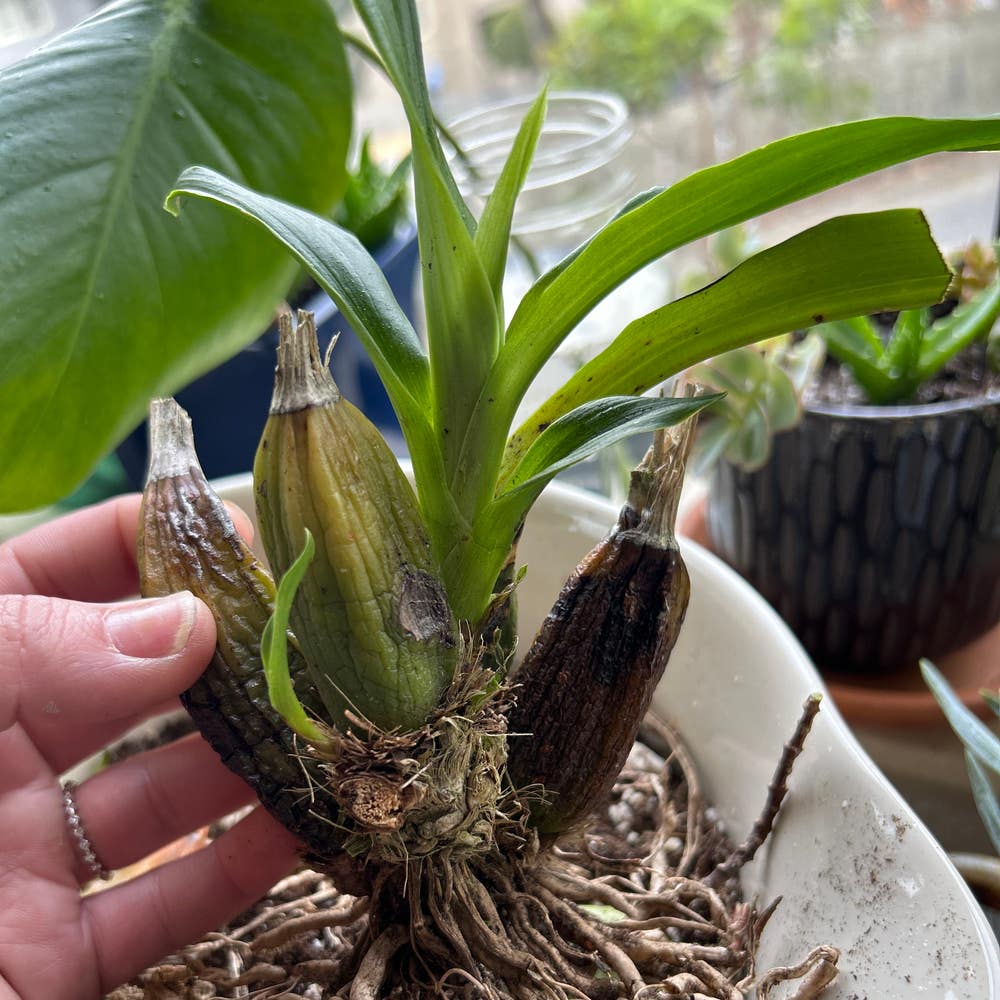
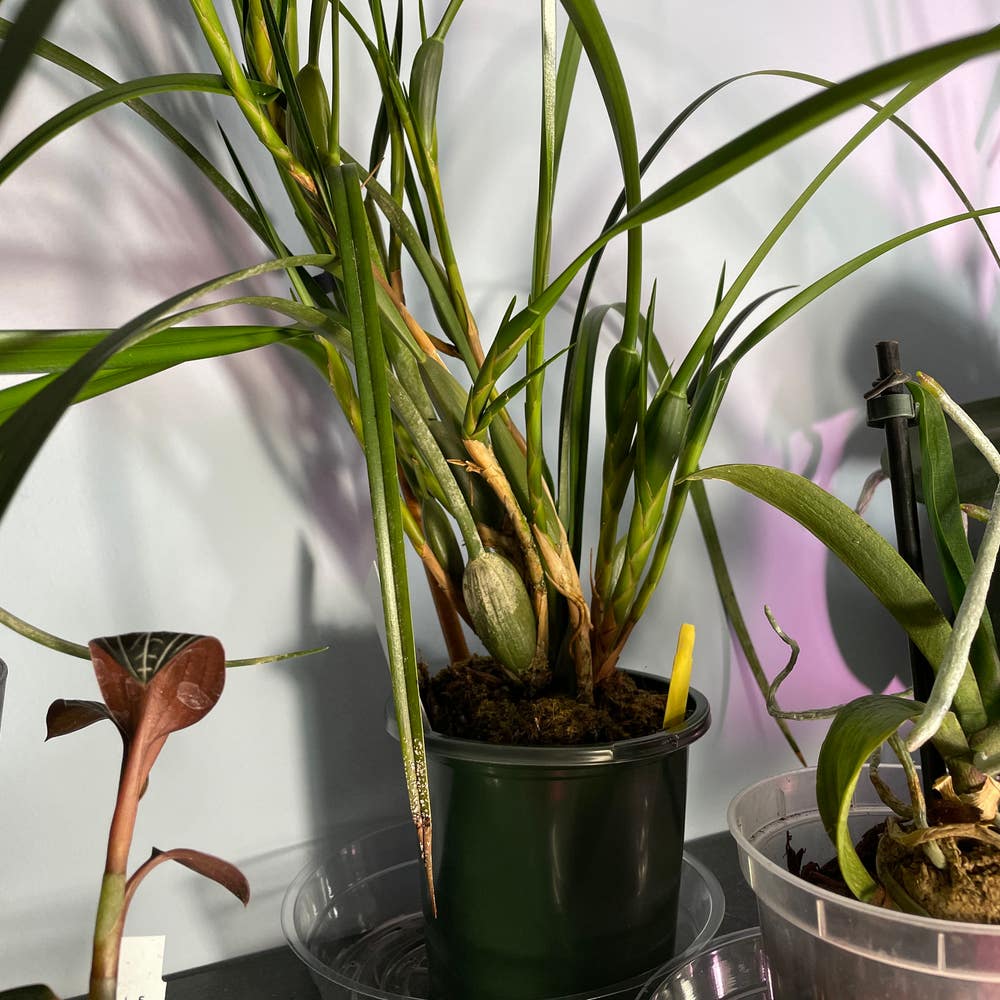
🌸 Understanding Eulophia coddii: The Basics
Eulophia coddii
By the Greg Editorial Team
Feb 27, 2025•12 min read
This article was created with the help of AI so we can cover more plants for you. May contain errors. See one? Report it here.
Unlock the beauty of Eulophia coddii in your garden with easy care tips and vibrant blooms! 🌼
- 🌞 Eulophia coddii thrives in full sun to partial shade, adaptable to various gardens.
- 🌱 Plant in well-drained sandy or loamy soil for optimal growth and health.
- 🐾 Safe for pets - Eulophia coddii is non-toxic to humans, dogs, and cats.
How to Grow
Choosing a Location 🌞
Eulophia coddii thrives in full sun to partial shade, making it versatile for various garden settings. It prefers warm climates, so be sure to protect it from frost to ensure healthy growth.
Soil Preparation 🏜️
For optimal growth, use well-drained sandy or loamy soil. Aim for a slightly acidic to neutral pH, ideally between 6.0 and 7.0, and enhance drainage by incorporating organic matter.
Planting Techniques 🌱
When planting, ensure bulbs are placed 2-3 inches deep in the soil. Space them 12-18 inches apart to give each plant room to flourish.
Watering Requirements 🚰
Allow the soil to dry out between waterings to prevent root rot. Watch for signs of overwatering, such as yellowing leaves or mushy bulbs, which indicate that adjustments are needed.
Fertilizing Schedule 🍽️
During the growing season, apply a balanced fertilizer every 4-6 weeks. This will provide the necessary nutrients to support robust growth and flowering.
Pruning Methods ✂️
Prune Eulophia coddii after flowering to encourage new growth. Focus on removing any dead or damaged leaves to keep the plant healthy and vibrant.
Ongoing Care Tips 🛡️
Regularly monitor your plants for pests and diseases to catch issues early. Adjust your watering routine based on seasonal changes to ensure your plants remain hydrated but not overwatered.
Outdoor vs. Container Growing 🌍
For outdoor growing, ensure you have well-drained garden beds. If you prefer container gardening, use pots with drainage holes and a suitable potting mix to promote healthy root development.
With these guidelines, you can create a thriving environment for Eulophia coddii, ensuring it adds beauty and diversity to your garden. Next, let’s explore the various methods of propagating this unique plant.
Propagation
Seed Propagation 🌱
Spring is the prime time for propagating Eulophia coddii from seeds. To ensure successful germination, provide a warm and humid environment, mimicking the plant's natural habitat.
Division of Rhizomes ✂️
Dividing rhizomes is best done every 2-3 years during the plant's dormant phase. Carefully separate the bulbs and replant them to encourage healthy growth.
Offsets and Bulb Propagation 🪴
Offsets are small bulbs that form near the main bulb. To propagate, identify these offsets and replant them immediately after separation for optimal results.
With these propagation techniques, you can expand your Eulophia coddii collection or share with fellow gardening enthusiasts. Next, let’s explore the lifecycle of this fascinating plant and how it develops over time.
Lifecycle
Lifecycle Stages 🌱
Eulophia coddii undergoes several distinct stages throughout its lifecycle. These include germination, seedling development, vegetative growth, flowering, and seed production.
Overall Lifespan ⏳
With proper care, Eulophia coddii can thrive for several years. This longevity makes it a rewarding addition to any garden.
Time to Full Maturity 🌳
Typically, this plant reaches full maturity in about 3 to 5 years. During this time, it develops its unique characteristics and becomes a stunning feature in your landscape.
Understanding the lifecycle of Eulophia coddii is crucial for successful cultivation. This knowledge helps you anticipate its needs at each stage, ensuring a healthy and vibrant plant.
As we explore the next section, we'll delve into the size of Eulophia coddii, including its mature height and growth rate.
Size
Mature Height and Spread 🌱
Eulophia coddii typically reaches an average height of 12 to 24 inches. Its spread can extend from 12 to 18 inches wide, making it a lovely addition to any garden space.
Growth Rate Specifics ⏳
This plant has a relatively slow growth rate, particularly in its initial years. Patience is key, as it may take some time to establish itself fully.
Size Variability Based on Conditions 🌍
Several factors can influence the size of Eulophia coddii. Soil quality, water availability, and sunlight exposure all play crucial roles in determining how robust your plant will grow.
Understanding these elements can help you create the ideal environment for your Eulophia coddii, ensuring it thrives and reaches its full potential.
As you consider its size and growth, think about how these characteristics can complement your garden design. Next, let’s explore the fascinating lifecycle of this unique plant.
Roots
Root System Characteristics 🌱
Eulophia coddii features a bulbous root system that effectively stores water and nutrients. This adaptation allows the plant to thrive in varying conditions, making it a resilient choice for gardeners.
Depth and Spread of Roots 📏
Typically, the roots extend to a depth of 6-12 inches. However, they can spread wider than the plant's foliage, ensuring a stable foundation for growth.
Common Root-Related Issues ⚠️
One of the most common problems is root rot, often caused by overwatering and poor drainage. Signs of unhealthy roots include dark, mushy textures that indicate a lack of oxygen.
Identifying Healthy vs. Unhealthy Roots 🔍
Healthy roots are firm and exhibit a white or light tan color. In contrast, unhealthy roots will appear soft, brown, or blackened, signaling a need for immediate attention.
Recognizing Rootbound Plants 🪴
Rootbound plants have roots that circle the pot, limiting their growth potential. To remedy this, repotting into a larger container is essential, allowing the roots to expand and thrive.
Understanding the root system of Eulophia coddii is crucial for its overall health. By monitoring root conditions and addressing issues promptly, you can ensure your plant flourishes beautifully.
Benefits
Top 5 Benefits 🌟
1. Aesthetic Appeal
Eulophia coddii boasts striking flowers that can transform any garden into a visual masterpiece. Their unique shapes and vibrant colors create a stunning focal point that draws the eye.
2. Drought Tolerance
Thanks to their bulbous roots, these plants are remarkably resilient in dry conditions. This makes them an excellent choice for gardeners looking to conserve water while maintaining a beautiful landscape.
3. Pollinator Attraction
The flowers of Eulophia coddii are a magnet for bees and butterflies. By planting these, you not only enhance your garden's beauty but also support local pollinator populations.
4. Unique Garden Feature
Eulophia coddii adds diversity to plant collections, making it a unique addition to any garden. Its distinctive characteristics can spark conversations and intrigue among visitors.
5. Cultural Significance
In southern Africa, Eulophia coddii holds cultural importance and is valued in traditional practices. Growing this plant connects you to a rich heritage and adds depth to your gardening experience.
These benefits make Eulophia coddii a fantastic choice for both novice and experienced gardeners. As you consider adding this plant to your collection, think about how it can enhance not just your garden, but also your connection to nature and culture.
Next, let’s explore the best practices for propagating this remarkable plant.
Companion Plants
🌱 Concept of Companion Planting
Companion planting is all about creating a harmonious garden ecosystem. By pairing plants that support each other, you can enhance diversity and improve pest management.
🌼 Best Companion Plants
When growing Eulophia coddii, consider companions like succulents and certain grasses. These plants share similar care needs and thrive in similar conditions, making them ideal partners.
🚫 Plants to Avoid
Avoid pairing Eulophia coddii with plants that require high moisture or compete for nutrients. Such companions can hinder growth and lead to unhealthy plants.
Incorporating the right companions can elevate your gardening experience. By choosing wisely, you can create a thriving environment for Eulophia coddii and its neighbors. Next, let’s explore the plant's safety regarding pets.
Toxicity to Humans
🛡️ Safety of Eulophia coddii for Humans
Eulophia coddii is not listed as toxic by major poison control centers, making it a safe choice for gardens and homes. Generally, it's considered safe for handling and even ingestion in small amounts, but caution is always advised.
If you experience any unusual symptoms after contact or consumption, it's best to seek medical advice promptly. While this plant can enhance your garden's beauty, being informed about its safety is essential for peace of mind.
Toxicity to Dogs
Safety of Eulophia coddii for Dogs 🐶
Eulophia coddii is not listed as toxic by major pet poison control centers. This means it is generally safe for dogs, posing minimal risk of adverse effects.
When introducing Eulophia coddii into homes with dogs, proper placement is key. Keep the plant out of reach and monitor your dog's behavior around it to ensure a safe environment.
With these precautions, you can enjoy the beauty of Eulophia coddii without worrying about your furry friends. Next, let’s explore how this plant interacts with our feline companions.
Toxicity to Cats
Safety of Eulophia coddii for Cats 🐱
Eulophia coddii is not listed as toxic by major pet poison control centers, making it a safe choice for homes with feline companions. Generally, it poses minimal risk of adverse effects, allowing you to enjoy its beauty without worry.
Tips for Introducing to Homes with Cats 🏡
When introducing Eulophia coddii into your home, consider proper placement to keep it out of reach of curious paws. Monitoring your cat's behavior around the plant can help ensure a harmonious coexistence, allowing both your pet and plant to thrive.
With this knowledge, you can confidently add Eulophia coddii to your collection, knowing it won’t harm your furry friends. Next, let’s explore the potential problems you might face while caring for this unique plant.
Problems
Common Problems Faced 🌱
Growing Eulophia coddii can be rewarding, but it's not without its challenges. Here are some common problems you might encounter:
- Incorrect Watering: Overwatering can lead to yellowing leaves and mushy bulbs, while underwatering may cause wilting.
- Incorrect Light Conditions: Insufficient light can result in leggy growth, while too much sun can scorch the leaves.
- Incorrect Temperature: Extreme temperatures can stress the plant, leading to stunted growth or leaf drop.
- Diseases: Fungal issues like powdery mildew and root rot can develop if conditions are too humid or wet.
- Leaf Issues: Yellowing leaves or fuzzy growth can indicate various underlying problems.
Identifying Symptoms and Causes 🔍
Recognizing the symptoms of these problems is key to effective management.
- Overwatering: Look for yellowing leaves and soft, mushy bulbs.
- Underwatering: Signs include wilting and dry, crispy leaves.
- Light Problems: Leaf scorch appears as brown tips, while leggy growth indicates insufficient light.
- Temperature Stress: Symptoms include drooping leaves and slowed growth.
- Diseases: Powdery mildew presents as white spots on leaves, while root rot shows dark, mushy roots.
Solutions for Each Problem 🛠️
Addressing these issues promptly can help revive your Eulophia coddii.
- Watering: Adjust your watering schedule. Ensure the soil dries out between waterings.
- Light Conditions: Move the plant to a location with appropriate sunlight exposure, ideally full sun to partial shade.
- Temperature: Protect the plant from extreme temperatures by providing shade during heat waves and bringing it indoors during frost.
- Diseases: Improve air circulation and avoid overhead watering to prevent fungal issues. If root rot occurs, remove affected bulbs and repot in fresh, well-draining soil.
- Leaf Issues: Trim away any damaged leaves and adjust care practices based on observed symptoms.
By staying vigilant and responsive to these common problems, you can ensure your Eulophia coddii thrives beautifully. Next, let’s explore the fascinating world of pests that might threaten your plant's health.
Bugs
🐛 Potential Pest Issues
Eulophia coddii is relatively resilient, but it can still fall prey to various pests. Understanding its susceptibility helps you take proactive measures to protect your plants.
🔍 Identification of Pests
Common pests that may target Eulophia coddii include:
- Spider Mites: Tiny, spider-like creatures that thrive in dry conditions.
- Scale Insects: Small, immobile pests that attach to stems and leaves, appearing as bumps.
- Mealybugs: White, cottony pests that cluster in leaf axils and on stems.
- Aphids: Small, green or black insects that feed on plant sap, often found in groups.
⚠️ Damage Caused by Pests
Each pest leaves its mark on your plant:
- Spider Mites: Cause stippling on leaves and can lead to webbing.
- Scale Insects: Result in yellowing leaves and stunted growth due to sap loss.
- Mealybugs: Lead to wilting and can cause sooty mold on leaves.
- Aphids: Induce curling leaves and can transmit plant viruses.
🧪 Treatment Options
Managing pest infestations effectively is crucial for the health of your Eulophia coddii. Here are some treatment options:
- Insecticidal Soap: A safe and effective way to eliminate soft-bodied insects like aphids and mealybugs.
- Neem Oil: A natural pesticide that disrupts the life cycle of pests while being gentle on the plant.
- Horticultural Oil: Helps smother pests like scale insects and spider mites.
- Regular Monitoring: Keep an eye on your plants to catch infestations early.
By staying vigilant and employing these strategies, you can keep your Eulophia coddii thriving and pest-free. Next, let’s explore what animals might be lurking around, looking to nibble on your beautiful plant.
What Eats Eulophia coddii
🦌 Common Animals That May Damage
Eulophia coddii can attract a variety of hungry visitors. Common culprits include deer, rabbits, squirrels, birds, and rodents.
🕵️♂️ Signs of Animal Presence
To identify if animals are feasting on your plants, look for specific signs. Chewed leaves, broken stems, and tracks around the base of the plant can indicate animal activity.
🐾 Types of Damage Caused
Different animals can cause various types of damage. Deer may nibble on the foliage, while rabbits tend to take bites out of the stems. Squirrels and birds might dig around the bulbs, leading to potential uprooting.
🚫 Deterrent Methods
Managing animal interactions can be approached in several ways.
- Chemical deterrents: Use commercial repellents that emit scents unpleasant to these animals.
- Organic methods: Consider planting strong-smelling herbs or using barriers like fencing to keep them at bay.
By employing these strategies, you can protect your Eulophia coddii and enjoy its beauty without the worry of unwanted nibblers.
⚠️ Safety First
This content is for general information and may contain errors, omissions, or outdated details. It is not medical, veterinary advice, or an endorsement of therapeutic claims.
Always consult a qualified healthcare professional before using any plant as food, medicine, or supplement.
Never eat any plant (or feed one to pets) without confirming its identity with at least two trusted sources.
If you suspect poisoning, call Poison Control (800) 222-1222, the Pet Poison Helpline (800) 213-6680, or your local emergency service immediately.
Spotted an error? Please report it here.
Unlock the beauty of Eulophia coddii in your garden 🌼 by using Greg's tailored care tips and watering reminders to keep your plant thriving and vibrant!