🌸 Eulophia cochlearis Explained: Key Information
Eulophia cochlearis
By the Greg Editorial Team
Feb 27, 2025•10 min read
This article was created with the help of AI so we can cover more plants for you. May contain errors. See one? Report it here.
- 🌡️ Eulophia cochlearis thrives in warm, humid conditions (20°C to 30°C, 50% humidity).
- 🌱 Use well-draining, organic soil with a pH of 6.0 to 7.0 for optimal growth.
- 🌼 Regular care like deadheading and proper watering ensures healthy blooms and growth.
How to Grow
Choosing a Location 🌞
Eulophia cochlearis thrives in full sun to partial shade. Aim for warm, tropical conditions, ideally between 20°C to 30°C (68°F to 86°F), and ensure high humidity levels of 50% or more for optimal growth.
Soil Preparation 🏞️
For soil, choose a well-draining mix rich in organic matter. The ideal pH is slightly acidic to neutral, ranging from 6.0 to 7.0, and it's crucial to avoid waterlogged conditions to keep the roots healthy.
Planting Techniques 🌱
When planting, bury tubers 2-3 inches deep. Space them 12-18 inches apart to give each plant room to grow and flourish.
Watering Requirements 💧
Water your Eulophia cochlearis when the top inch of soil feels dry. Deep watering encourages robust root development, ensuring your plant stays healthy.
Fertilizing Schedule 🌿
Use a balanced, slow-release fertilizer with an NPK ratio of 10-10-10. Fertilize every 4-6 weeks during the growing season to support growth and flowering.
Pruning and Ongoing Care ✂️
Regularly deadhead spent flowers to encourage new blooms. Trim any yellowing leaves to maintain the overall health and appearance of your plant.
Outdoor vs. Container Growing Considerations 🏡
Eulophia cochlearis is best suited for outdoor growth in tropical climates. If you prefer container gardening, opt for a large pot with drainage holes to allow for mobility and better control over growing conditions.
This foundational knowledge sets the stage for successful cultivation of Eulophia cochlearis. Next, let’s explore the various propagation methods to expand your collection!
Propagation
🌱 Seed Propagation
To propagate Eulophia cochlearis from seeds, start by soaking them for 24 hours before planting. This simple step helps kickstart the germination process, which thrives in a warm, humid environment.
✂️ Division of Tubers
Dividing tubers is best done in early spring or fall. Carefully separate the tubers and replant them immediately to ensure they continue to thrive.
🌿 Offsets and Cuttings
Offsets can be taken from healthy parent plants. Simply place these offsets in well-draining soil and water them lightly to encourage new growth.
Propagation is a rewarding process that allows you to expand your collection of Eulophia cochlearis while enjoying the journey of nurturing new plants. Next, let’s explore the lifecycle of this fascinating species.
Lifecycle
Lifecycle Stages 🌱
Eulophia cochlearis goes through several distinct stages during its lifecycle. These include seed, seedling, vegetative growth, flowering, and seed production, with a typical lifespan of 3-5 years when conditions are optimal.
Germination Process and Timeline ⏳
The germination process is crucial for the plant's development. Under ideal conditions, expect germination to take about 2-4 weeks.
Growth Rate 📈
Once germinated, Eulophia cochlearis grows at a moderate pace. It generally takes around 1-2 years to reach full maturity, depending on the care it receives and environmental conditions.
This lifecycle understanding is essential for anyone looking to cultivate Eulophia cochlearis successfully. By recognizing each stage, you can provide the right care at the right time, ensuring a thriving plant. Next, we’ll explore how to propagate this fascinating species effectively.
Size
Mature Height and Spread 🌱
Eulophia cochlearis typically reaches a height of 1 to 2 feet. Its spread can expand to about 1 to 1.5 feet wide, making it a lovely addition to any garden space.
Growth Rate and Time to Full Size ⏳
Under optimal conditions, this plant takes about 1 to 2 years to reach its full size. With the right care, you can enjoy its beauty in a relatively short time.
Size Variability 📏
Several factors can influence the size of Eulophia cochlearis. Light, water, and nutrient availability play crucial roles in determining how robust your plant will grow.
Understanding these aspects will help you create the ideal environment for your Eulophia cochlearis. Next, let’s explore the fascinating lifecycle of this unique plant.
Roots
Characteristics of the Root System 🌱
Eulophia cochlearis features a tuberous root system, which is essential for nutrient storage. These roots can extend between 6 to 12 inches deep, providing stability and access to moisture.
Common Root-Related Issues ⚠️
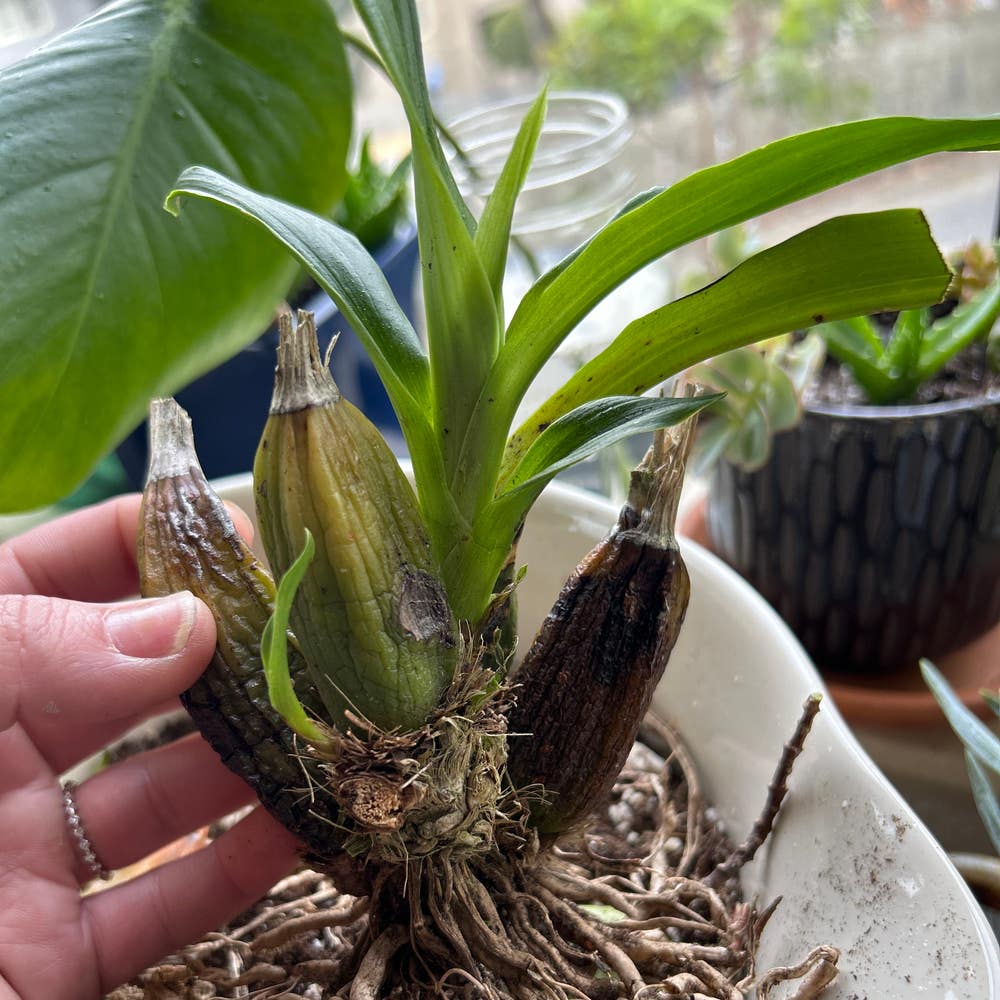
Root health is crucial for the overall vitality of the plant. Overwatering can lead to root rot, characterized by mushy roots, while rootbound conditions may manifest as stunted growth and circling roots.
Visual Cues for Healthy vs. Unhealthy Roots 👀
Identifying root health is straightforward. Healthy roots appear firm, white, and well-structured, whereas unhealthy roots are dark, mushy, or emit a foul smell.
Tips for Managing Root Health 🛠️
To maintain optimal root health, regularly check for signs of rootbound plants, such as roots emerging from drainage holes. If you notice this, consider repotting into a larger container or dividing the tubers to promote healthy growth.
This understanding of root systems will help you cultivate a thriving Eulophia cochlearis. Next, let’s explore the benefits this unique plant brings to your garden.
Benefits
Top 5 Benefits 🌟
Eulophia cochlearis is not just a pretty face in the garden; it offers a range of benefits that make it a valuable addition to any landscape.
Aesthetic Appeal: With its unique foliage and striking flowers, this plant can elevate the beauty of your garden, creating a vibrant focal point that draws the eye.
Biodiversity: By attracting pollinators and beneficial insects, Eulophia cochlearis plays a crucial role in supporting local ecosystems. This helps maintain a balanced garden environment.
Cultural Significance: In various cultures, this plant has been used in traditional medicine, showcasing its historical importance and potential health benefits.
Soil Improvement: The tubers of Eulophia cochlearis enhance soil structure and nutrient content, promoting healthier growth for surrounding plants.
Educational Value: This plant serves as an excellent tool for teaching about plant biology and ecology, making it a great choice for schools and community gardens.
Incorporating Eulophia cochlearis into your garden not only beautifies your space but also contributes to ecological health and educational opportunities. Its multifaceted benefits make it a plant worth considering for any green thumb.
Companion Plants
Companion Planting Benefits 🌱
Companion planting is a fantastic way to enhance your garden's diversity and improve pest management. By pairing plants that support each other's growth, you can create a thriving ecosystem that benefits all involved.
Compatible Companion Plants 🌿
When it comes to Eulophia cochlearis, consider planting it alongside ferns, other orchids, and shade-tolerant plants. These companions share similar humidity and light requirements, making them ideal partners for a harmonious garden environment.
Plants to Avoid 🚫
While some plants thrive together, others can compete for resources. Avoid heavy feeders like tomatoes, which may drain nutrients from Eulophia cochlearis and hinder its growth.
Incorporating the right companions can elevate your gardening experience. As you explore these relationships, you'll not only enhance your garden's beauty but also foster a more resilient plant community. Next, let's delve into the fascinating topic of toxicity and safety regarding Eulophia cochlearis.
Toxicity to Humans
Safety Overview 🛡️
Eulophia cochlearis is not listed as toxic by major poison control centers. This means that, generally speaking, it poses minimal risk of irritation from contact.
Minor Issues ⚠️
While the plant is safe, there can be minor issues. Consuming large quantities may lead to mild skin irritation or digestive discomfort.
Recommendations 💡
It's always wise to exercise caution with any plant. If you experience unusual symptoms after contact or consumption, seeking medical advice is a smart move.
This plant can be a beautiful addition to your garden without significant toxicity concerns. However, staying informed and cautious is key to enjoying your gardening experience safely.
Toxicity to Dogs
Safety Overview 🐶
Eulophia cochlearis is not listed as toxic by major pet poison control centers. This means that, generally speaking, there is minimal risk of gastrointestinal upset if your dog happens to nibble on a leaf or two.
Tips for Introducing to Homes with Dogs 🏡
To ensure a safe environment, place the plant out of reach of curious dogs. It's also wise to monitor your dog's behavior around the plant, watching for any unusual interactions that might indicate interest or concern.
By taking these simple precautions, you can enjoy the beauty of Eulophia cochlearis without worrying about your furry friends. Next, let’s explore how this plant interacts with our feline companions.
Toxicity to Cats
Safety Overview 🐱
Eulophia cochlearis is not listed as toxic by major pet poison control centers. Generally, there’s minimal risk of gastrointestinal upset if a cat consumes this plant in excessive amounts.
Tips for Introducing to Homes with Cats 🏡
To keep your feline friends safe, position Eulophia cochlearis where they can't easily access it.
Additionally, monitor your cats for any signs of interest or unusual behavior around the plant, ensuring a harmonious coexistence in your home.
With the right precautions, you can enjoy the beauty of this plant without worry.
Problems
Common Problems 🌱
Growing Eulophia cochlearis can come with its share of challenges. The most common issues stem from incorrect watering and light conditions.
Overwatering can lead to yellowing leaves and root rot, while underwatering may cause wilting and dry foliage. Similarly, too much light can scorch the leaves, while insufficient light can stunt growth.
Identification and Causes 🔍
Identifying the root cause of your plant's distress is crucial. Fungal diseases like powdery mildew and black rot can plague your Eulophia, often appearing as white spots or dark patches on leaves.
Root problems, particularly root rot, manifest as mushy roots that can lead to plant decline. Keep an eye out for these signs to catch issues early.
Solutions 🛠️
To combat these problems, start by adjusting your watering practices. Establish a consistent schedule, ensuring the soil dries out slightly between waterings.
Improving light conditions is also essential. If your plant is not thriving, consider relocating it to a spot with more suitable light exposure.
With these adjustments, your Eulophia cochlearis can flourish, setting the stage for a vibrant garden. Next, let’s explore the potential pest issues that could affect your plant's health.
Bugs
🐛 Potential Pest Issues
Eulophia cochlearis is generally resilient against pests, but it can still fall victim to a few troublesome critters. Keeping an eye out for these pests is essential to maintaining the health of your plant.
🔍 Identification and Damage
Common pests that may target your Eulophia cochlearis include spider mites, mealybugs, and aphids. Watch for signs of damage such as wilting leaves, yellowing foliage, and stunted growth, which can indicate a pest problem.
🧪 Treatment Options
For effective pest management, consider using organic methods. Neem oil and insecticidal soap are great options, and introducing beneficial insects can help keep pest populations in check.
By staying vigilant and employing these treatment strategies, you can ensure your Eulophia cochlearis thrives without the interference of unwanted pests. Next, let’s explore what animals might be interested in snacking on your plant.
What Eats
Common Animals 🦌
Eulophia cochlearis can attract a variety of hungry critters. The most common culprits include deer, rabbits, and squirrels, all of which may find your plant a tasty treat.
Signs of Damage 🐾
Keep an eye out for signs that these animals have been snacking on your plants. Look for chewed leaves, tracks around the base, and droppings nearby, which can indicate a visit from these garden pests.
Deterrent Methods 🚫
To protect your Eulophia cochlearis, consider using a mix of deterrent strategies.
- Chemical Deterrents: Commercial repellents can be effective, but homemade solutions often work just as well.
- Organic Control Methods: Fencing can provide a physical barrier, while companion planting can create a more diverse garden that confuses or deters these animals.
By implementing these methods, you can help ensure your plants thrive without becoming a buffet for local wildlife.
⚠️ Safety First
This content is for general information and may contain errors, omissions, or outdated details. It is not medical, veterinary advice, or an endorsement of therapeutic claims.
Always consult a qualified healthcare professional before using any plant as food, medicine, or supplement.
Never eat any plant (or feed one to pets) without confirming its identity with at least two trusted sources.
If you suspect poisoning, call Poison Control (800) 222-1222, the Pet Poison Helpline (800) 213-6680, or your local emergency service immediately.
Spotted an error? Please report it here.
Cultivating Eulophia cochlearis is a rewarding journey 🌱, and with Greg's personalized care plans and watering reminders, you'll ensure your plant thrives beautifully while supporting biodiversity in your garden!