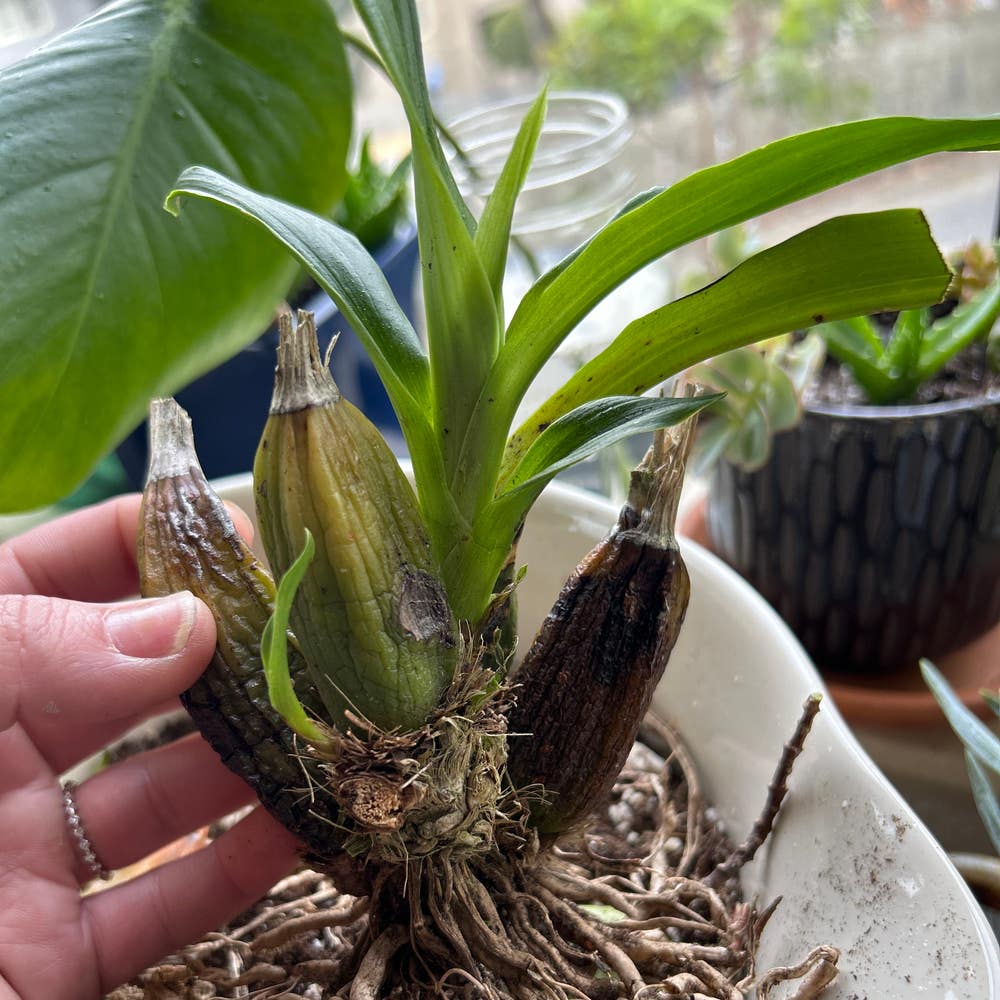
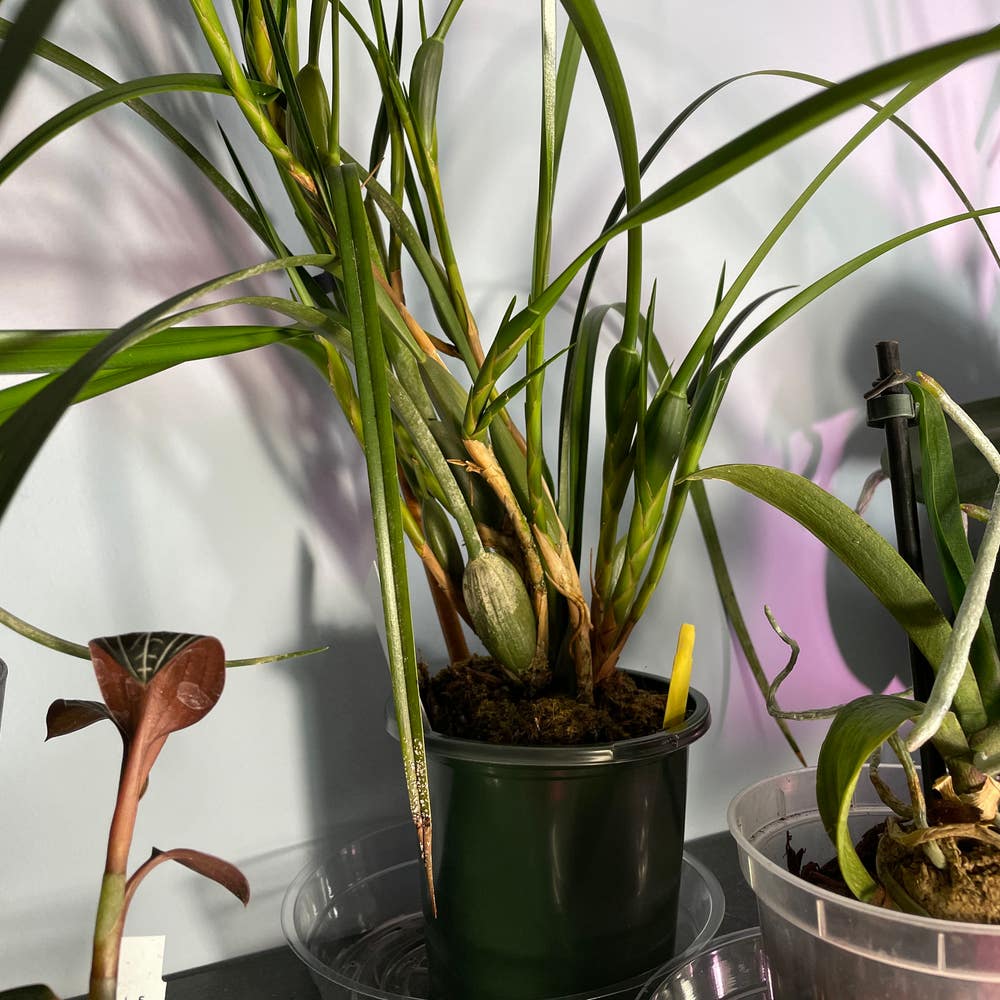
What is a Eulophia clitellifer? Complete Guide 🌸
Eulophia clitellifer
By the Greg Editorial Team
Feb 27, 2025•11 min read
This article was created with the help of AI so we can cover more plants for you. May contain errors. See one? Report it here.
Unlock the beauty of Eulophia clitellifer in your garden with easy care tips! 🌺
- 🌞 Eulophia clitellifer needs 4-6 hours of sunlight for optimal growth.
- 🌱 Ideal soil is well-draining with pH 6.0-7.0; use sandy loam for best results.
- 💧 Water when the top inch is dry, typically every 1-2 weeks.
How to Grow
Choosing a Location 🌞
Eulophia clitellifer thrives best in full sun to partial shade, requiring about 4-6 hours of direct sunlight daily. It prefers warm climates, ideally between 20°C to 30°C (68°F to 86°F), and moderate humidity levels, so avoid overly dry conditions for optimal growth.
Soil Preparation 🏜️
For soil preparation, aim for well-draining sandy loam or loamy soil. The ideal pH is slightly acidic to neutral, ranging from 6.0 to 7.0, and ensuring good drainage is crucial to prevent root rot.
Planting Techniques 🌱
When planting, ensure tubers are placed 2-3 inches deep in the soil. Space them 12-18 inches apart to allow ample room for growth and development.
Watering Requirements 🚰
Water your Eulophia clitellifer when the top inch of soil feels dry, typically every 1-2 weeks. Always water at the base of the plant to keep the foliage dry and healthy.
Fertilizing Schedule 🍽️
Use a balanced NPK fertilizer, such as 10-10-10, to nourish your plants. Fertilize every 4-6 weeks during the growing season for the best results.
Pruning and Ongoing Care ✂️
Regularly prune by removing any dead or damaged leaves to promote healthy growth. Keep an eye out for pests and diseases, adjusting your watering routine based on the weather conditions to maintain plant health.
With these guidelines, you’ll be well on your way to successfully growing Eulophia clitellifer. Next, let’s explore how to propagate this beautiful plant effectively.
Propagation
Seed Propagation 🌱
To propagate Eulophia clitellifer from seeds, start by sowing them in well-draining soil. Lightly cover the seeds and keep the soil moist to encourage germination.
Germination typically takes about 2-4 weeks under optimal conditions. Patience is key, as this process sets the foundation for healthy growth.
Division of Tubers 🥔
Dividing tubers is another effective propagation method. The best time to do this is in early spring, just before new growth begins.
Carefully separate the tubers and replant them immediately to ensure they establish well. This method not only helps in propagation but also rejuvenates the plant for better growth.
With these propagation techniques, you can expand your Eulophia clitellifer collection or share with fellow gardening enthusiasts. Next, let’s explore the lifecycle of this fascinating plant and what to expect as it grows.
Lifecycle
Overview of Lifecycle Stages 🌱
The lifecycle of Eulophia clitellifer is a fascinating journey that begins with germination. It progresses through several stages: seedling, vegetative growth, flowering, and ultimately, seed production.
This plant can live for several years, showcasing its resilience and adaptability. Typically, it takes about 2-3 years to reach full maturity, allowing gardeners to enjoy its beauty for an extended period.
Germination to Seed Production 🌿
Germination marks the start of life for Eulophia clitellifer. Once the seeds are sown in well-draining soil, they require consistent moisture to sprout, usually within 2-4 weeks.
As the seedlings emerge, they enter the vegetative growth stage, where they develop leaves and establish a robust root system. This phase is crucial for the plant's overall health and future flowering.
Flowering and Seed Production 🌸
After sufficient growth, Eulophia clitellifer will bloom, producing stunning flowers that attract pollinators. This flowering stage is not just beautiful; it also leads to seed production, ensuring the continuation of the species.
Understanding this lifecycle helps gardeners provide the right care at each stage, promoting healthy growth and vibrant blooms. With patience and attention, you can witness the full lifecycle unfold beautifully in your garden.
Size
🌱 Mature Height and Spread
Eulophia clitellifer typically reaches a mature height of 30-60 cm (12-24 inches) and spreads about 30-45 cm (12-18 inches). This size makes it a versatile choice for various garden settings.
⏳ Growth Rate and Time to Full Size
The growth rate of Eulophia clitellifer is moderate, taking approximately 2-3 years to reach its full size. Patience is key, as this plant gradually reveals its beauty over time.
📏 Size Variability Based on Growing Conditions
Several factors can influence the size of Eulophia clitellifer. Soil quality, light exposure, and watering practices all play crucial roles in determining how robust your plant will become.
Understanding these elements can help you optimize growth and enjoy a thriving Eulophia clitellifer in your garden. With the right care, you’ll witness its full potential unfold beautifully.
Roots
Characteristics of the Root System 🌱
Eulophia clitellifer features a tuberous root system that is essential for its growth and stability. These roots can extend 12-18 inches deep, allowing the plant to access nutrients and moisture from the soil.
Common Root-Related Issues ⚠️
One of the most common problems with Eulophia clitellifer is root rot, which occurs due to overwatering. Symptoms include mushy roots that can lead to plant decline.
Another issue is being rootbound, where the roots become cramped and start circling the pot. This can result in stunted growth and overall poor plant health.
Tips for Managing Root Problems 🛠️
To prevent root rot, ensure proper drainage in your planting medium and avoid overwatering. Regularly check the moisture level of the soil to maintain a healthy balance.
If you notice your plant is rootbound, it's time to repot it into a larger container. This will give the roots more room to grow and thrive, promoting a healthier plant overall.
With these tips, you can help your Eulophia clitellifer develop a robust root system that supports its growth and beauty. Next, let’s explore the benefits this plant brings to your garden.
Benefits
🌺 Ornamental Appeal
Eulophia clitellifer boasts stunning flowers that can significantly enhance your garden's aesthetics. Their vibrant colors and unique shapes draw the eye, making them a favorite among plant enthusiasts.
🌍 Cultural Significance
In various cultures, this plant is cherished for its beauty and symbolism. It often represents resilience and growth, adding a layer of meaning to your garden.
🐝 Biodiversity
Adding Eulophia clitellifer to your garden contributes to biodiversity. This plant supports local ecosystems, attracting pollinators and fostering a healthy environment.
🧑🌾 Low Maintenance
Once established, Eulophia clitellifer requires minimal care. Its hardiness makes it an excellent choice for both novice and experienced gardeners.
🌱 Unique Root System
The tuberous roots of Eulophia clitellifer can improve soil structure. This characteristic not only benefits the plant itself but also enhances the overall health of your garden soil.
These benefits make Eulophia clitellifer a fantastic addition to any garden. Whether you're looking for beauty, cultural depth, or ecological impact, this plant delivers on all fronts.
Next, let’s explore the best companion plants to pair with Eulophia clitellifer for an even more thriving garden.
Companion Plants
👫 Explanation of Companion Planting
Companion planting is a gardening strategy that involves growing different plants together for mutual benefits. This approach enhances garden diversity, improves pest management, and promotes overall plant health.
🌱 List of Compatible Companion Plants
When growing Eulophia clitellifer, consider these compatible companions:
- Marigolds: These vibrant flowers act as natural pest repellents, helping to protect your garden.
- Ferns: With similar care needs, ferns thrive in the same conditions as Eulophia clitellifer, making them great companions.
- Other Tropical Plants: Pairing with other tropical varieties can create a lush, harmonious garden environment.
🚫 Plants to Avoid Planting Near
While some plants thrive alongside Eulophia clitellifer, others can hinder its growth. Avoid planting near:
- Moisture-Loving Plants: These can compete for water and nutrients, leading to stress for your Eulophia.
- Nutrient-Hungry Varieties: Plants that require excessive nutrients can overshadow your Eulophia, stunting its growth.
By carefully selecting companion plants, you can create a thriving garden that supports the health and beauty of Eulophia clitellifer. This thoughtful approach not only enhances your garden's aesthetics but also fosters a balanced ecosystem.
Next, let’s explore the potential problems you might face while growing this unique plant.
Toxicity to Humans
Eulophia clitellifer is generally considered safe and is not listed as toxic by major poison control centers. However, it's important to note that consuming large quantities may lead to mild skin irritation or digestive discomfort.
If you experience any unusual symptoms after handling or consuming this plant, it's wise to seek medical advice. Always exercise caution and stay informed to enjoy your gardening experience safely.
Toxicity to Dogs
Eulophia clitellifer is generally safe for dogs, as it is not listed as toxic by major pet poison control centers. However, if consumed in large quantities, it may cause mild gastrointestinal upset.
To ensure your furry friend stays safe, it's wise to keep this plant out of reach. Always monitor your dog's behavior around plants, as curiosity can sometimes lead to unexpected snacking.
In case of any unusual symptoms, don't hesitate to seek medical advice. Keeping your pet healthy and happy is the top priority!
Next, let's explore how Eulophia clitellifer interacts with our feline friends.
Toxicity to Cats
Eulophia clitellifer is generally safe for cats, as it is not listed as toxic by major pet poison control centers. However, if consumed in large quantities, it may cause mild gastrointestinal upset.
To ensure your feline friend stays safe, it's wise to keep this plant out of reach. Regularly monitor your cat's behavior around the plant to prevent any potential mishaps.
In summary, while Eulophia clitellifer poses minimal risk, a little caution goes a long way in maintaining a harmonious home for both plants and pets.
Next, let’s explore the common problems you might face when growing this unique plant.
Problems
🌱 Common Problems Faced When Growing
Growing Eulophia clitellifer can be rewarding, but it comes with its share of challenges. Understanding these common problems can help you maintain a healthy plant.
💧 Incorrect Watering
Watering is crucial for your plant's health. Overwatering often leads to yellowing leaves, while underwatering can cause wilting.
☀️ Incorrect Light Conditions
Light exposure plays a significant role in growth. Too much sun can scorch the leaves, whereas insufficient light may result in leggy growth.
🦠 Diseases
Fungal diseases can be a real threat. Watch out for powdery mildew and root rot, which can quickly take hold if conditions are not ideal.
🍃 Leaf Issues
Leaf problems can manifest in various ways. You might notice scorching, yellowing, or even fuzzy growth, indicating stress or disease.
📉 Growth Problems
Growth issues can be frustrating. If your Eulophia isn't growing, appears to be leaning, or shows etiolated growth, it’s time to reassess its care conditions.
By keeping an eye on these potential problems, you can ensure your Eulophia clitellifer thrives. Next, let’s explore the pests that might disrupt your gardening efforts.
Bugs
Potential Pest Issues 🐜
When growing Eulophia clitellifer, be on the lookout for common pests that can wreak havoc on your plants.
Spider Mites
These tiny pests are notorious for their fine webbing and stippled leaves. If you notice these signs, it's time to act quickly to prevent further damage.
Scale Insects
Scale insects can be sneaky, leaving behind a sticky residue and causing yellowing leaves. Regularly inspect your plants to catch these pests early.
Mealybugs
Look for cotton-like masses on stems and leaves, which indicate a mealybug infestation. These pests can weaken your plant if not addressed promptly.
Managing Pest Problems 🛠️
To keep your Eulophia clitellifer healthy, consider implementing a few pest management strategies.
- Regular Inspections: Check your plants frequently for any signs of pests.
- Natural Predators: Introduce beneficial insects like ladybugs to help control pest populations.
- Neem Oil: This natural pesticide can effectively deter many common pests without harming your plants.
By staying vigilant and proactive, you can protect your Eulophia clitellifer from these pesky invaders.
Next, let’s explore the common animals that may damage your plants and how to deter them effectively.
What Eats
🦌 Common Animals That May Damage
Eulophia clitellifer can attract a variety of garden pests.
- Deer: Look for chewed leaves and broken stems as signs of their presence.
- Rabbits: Clipped stems and missing foliage indicate these furry foragers.
- Squirrels: Dug-up tubers and damaged roots are telltale signs of squirrel activity.
🔍 Signs of Animal Presence and Damage
Identifying animal damage early can save your plants.
Keep an eye out for visual cues such as tracks, droppings, and damaged plant parts. These signs can help you determine which critters are causing trouble in your garden.
🚫 Deterrent Methods
Preventing animal damage requires a mix of strategies.
- Chemical deterrents: Consider using commercial repellents designed to keep animals at bay.
- Organic methods: Fencing, companion planting, and natural repellents can also be effective in protecting your plants.
By implementing these deterrent methods, you can safeguard your Eulophia clitellifer and enjoy its beauty without the worry of unwanted visitors.
⚠️ Safety First
This content is for general information and may contain errors, omissions, or outdated details. It is not medical, veterinary advice, or an endorsement of therapeutic claims.
Always consult a qualified healthcare professional before using any plant as food, medicine, or supplement.
Never eat any plant (or feed one to pets) without confirming its identity with at least two trusted sources.
If you suspect poisoning, call Poison Control (800) 222-1222, the Pet Poison Helpline (800) 213-6680, or your local emergency service immediately.
Spotted an error? Please report it here.
Grow your Eulophia clitellifer flawlessly 🌱 with Greg's custom watering alerts and expert care tips that will help you cultivate a thriving garden!