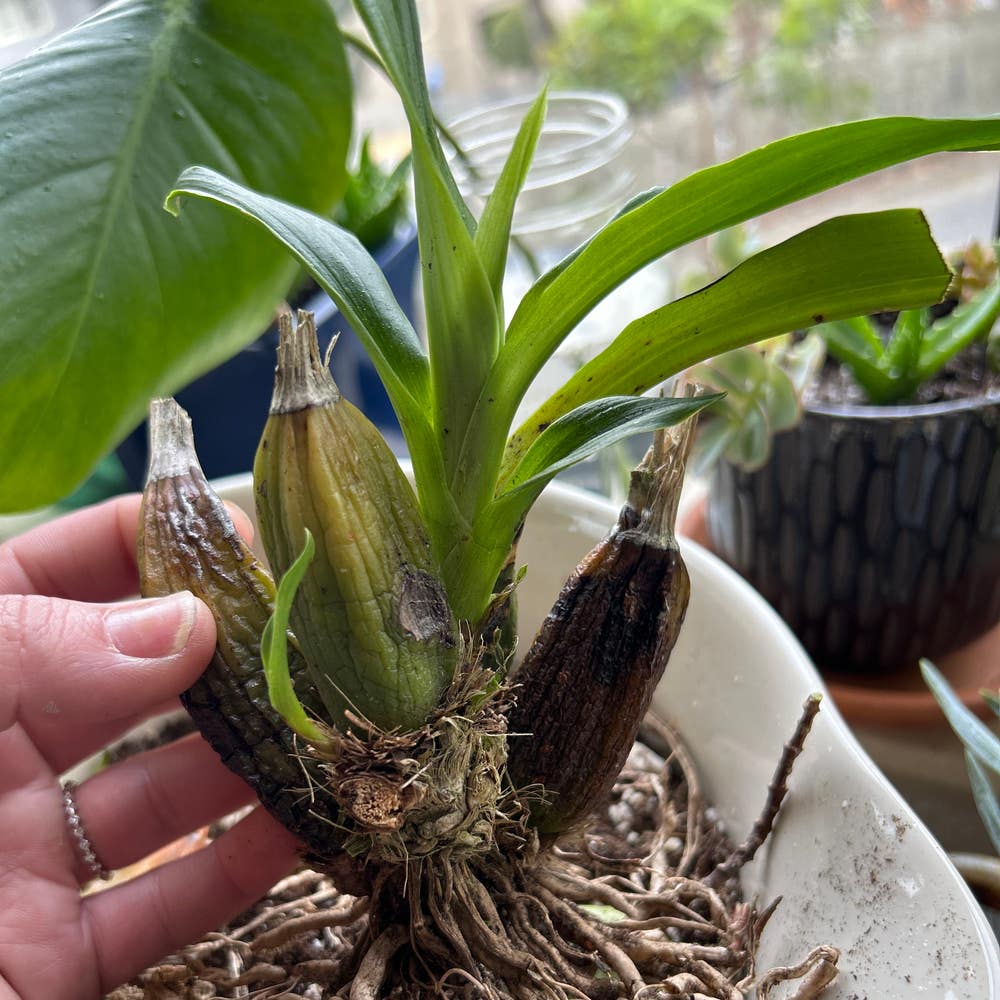
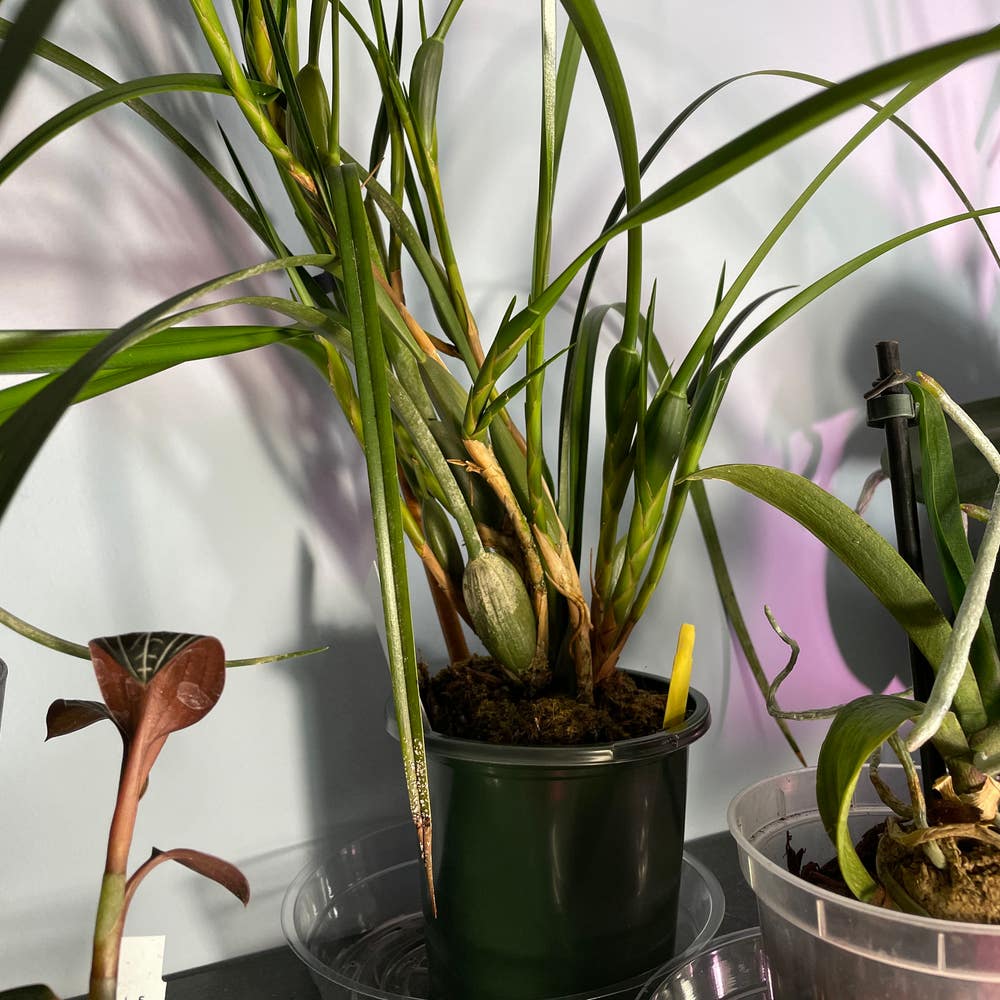
🌸 All About Eulophia chrysoglossoides: Essential Facts
Eulophia chrysoglossoides
By the Greg Editorial Team
Feb 27, 2025•13 min read
This article was created with the help of AI so we can cover more plants for you. May contain errors. See one? Report it here.
Discover the beauty of Eulophia chrysoglossoides 🌸—a stunning, low-maintenance orchid that thrives in any garden! 🌱
- 🌞🌿 Eulophia chrysoglossoides thrives in warm, humid conditions with full sun.
- 🌱💧 Well-draining, organic-rich soil is essential for healthy growth.
- 🐝🌼 Attracts pollinators, enhancing biodiversity in your garden.
How to Grow
Choosing a Location 🌞
Eulophia chrysoglossoides thrives in full sun to partial shade. Aim for warm, tropical conditions, ideally between 20°C to 30°C (68°F to 86°F), and ensure high humidity levels of 50% or more for optimal growth.
Soil Preparation 🏜️
For soil preparation, choose a well-draining mix rich in organic matter. The ideal soil pH should be slightly acidic to neutral, ranging from 6.0 to 7.0, while avoiding waterlogged conditions is crucial for healthy roots.
Planting Techniques 🌱
When planting, ensure tubers are placed 2-3 inches deep. Space them 12-18 inches apart to allow for growth, and if using containers, select pots with drainage holes and a suitable soil mix.
Watering Requirements 🚰
Water your Eulophia chrysoglossoides when the top inch of soil feels dry. Deep watering is essential to encourage robust root development, so be mindful of signs indicating overwatering or underwatering.
Fertilizing Schedule 🍽️
Use a balanced, slow-release fertilizer to nourish your plants. Fertilize every 4-6 weeks during the growing season, focusing on phosphorus to promote flowering.
Pruning and Ongoing Care ✂️
Regularly deadhead spent flowers to encourage new blooms. Maintain your plants by inspecting for pests and diseases, and adjust care as needed to prepare for dormancy during cooler months.
With these guidelines, you’ll set the stage for a thriving Eulophia chrysoglossoides. Next, let’s explore how to propagate this beautiful plant effectively.
Propagation
🌱 Methods of Propagation
Eulophia chrysoglossoides can be propagated through two primary methods: seed propagation and division. Each method has its unique steps and timing, making it essential to choose the right approach for your gardening goals.
📝 Step-by-Step Instructions for Each Method
1. Seed Propagation
- Collect seeds from mature pods when they are dry and ready to burst.
- Sow seeds in a well-draining medium, ensuring they are not buried too deep.
- Maintain humidity and warmth to encourage germination, ideally keeping the environment around 20°C to 25°C (68°F to 77°F).
2. Division
- Identify healthy tubers during the plant's dormancy period.
- Carefully separate tubers while keeping the roots intact to minimize stress.
- Replant immediately in suitable soil, ensuring they have enough space to grow.
⏰ Timing and Conditions for Successful Propagation
The best time for seed sowing is early spring when temperatures begin to rise. For division, late summer to early fall is ideal, allowing the plant to establish itself before the cooler months set in.
By following these methods and timing, you can successfully propagate Eulophia chrysoglossoides and enjoy its beauty in your garden. Next, let’s explore the lifecycle of this fascinating plant and what to expect as it grows.
Lifecycle
Lifecycle Stages 🌱
The lifecycle of Eulophia chrysoglossoides unfolds in distinct stages. It begins with germination, which takes about 2-4 weeks for seeds to sprout.
Next, the seedling stage sees the development of the first true leaves. This is followed by vegetative growth, where the plant establishes its roots and foliage.
Flowering typically occurs in late spring to summer, showcasing the plant's vibrant blooms. After flowering, seeds develop in pods, completing the cycle.
Duration to Maturity ⏳
Eulophia chrysoglossoides takes approximately 1-2 years to reach full maturity. The growth rate is moderate and can vary based on environmental conditions.
Factors such as light, water, and nutrients play a crucial role in determining how quickly the plant develops.
Lifespan 🌿
With proper care, Eulophia chrysoglossoides can live for several years. This longevity makes it a rewarding addition to any garden, providing beauty and interest over time.
Understanding its lifecycle helps gardeners provide the right care at each stage, ensuring a thriving plant.
Size
Mature Height and Spread 🌱
Eulophia chrysoglossoides typically reaches a mature height of 30-60 cm (12-24 inches) and spreads about 30-45 cm (12-18 inches). This compact size makes it an excellent choice for various garden settings.
Growth Rate and Factors Affecting Size 📈
The growth rate of Eulophia chrysoglossoides is moderate, influenced by several key factors. Light availability, water, and nutrient levels all play significant roles in determining how quickly and robustly this plant grows.
Size Variability Based on Growing Conditions 🌍
Growing conditions can greatly affect the size of Eulophia chrysoglossoides. Plants grown in containers may exhibit different growth patterns compared to those planted directly in the ground, often resulting in smaller sizes due to limited root space.
Environmental stressors, such as extreme temperatures or inadequate watering, can also impact growth. Ensuring optimal conditions will help your plant thrive and reach its full potential.
With the right care, you can enjoy a healthy, vibrant Eulophia chrysoglossoides that enhances your garden's beauty. Now, let’s explore the fascinating root system of this plant.
Roots
Characteristics of the Root System 🌱
Eulophia chrysoglossoides features a tuberous root system that serves as a reservoir for nutrients. These roots are typically shallow but can spread widely, allowing the plant to access moisture and nutrients efficiently.
Common Root-Related Issues ⚠️
One common issue is root rot, often caused by overwatering. Signs of root rot include mushy roots that can lead to plant decline.
Another problem is being rootbound, which occurs when the roots grow too densely in their container. Symptoms include stunted growth and roots circling the pot.
Visual Cues for Healthy vs. Unhealthy Roots 👀
Healthy roots are firm, white, and well-structured, indicating a thriving plant. In contrast, unhealthy roots appear dark, mushy, or may even emit a foul smell, signaling a need for immediate attention.
Tips for Managing Root Problems 🛠️
To prevent root rot, ensure proper drainage and adhere to appropriate watering practices. If you notice signs of a rootbound plant, it’s time to repot, giving the roots more space to grow and flourish.
Understanding these root characteristics and issues will help you maintain a healthy Eulophia chrysoglossoides. Next, let’s explore the benefits of growing this unique plant.
Benefits
🌸 Top 5 Benefits of Growing Eulophia chrysoglossoides
Eulophia chrysoglossoides offers a range of benefits that make it a fantastic addition to any garden. Here are the top five reasons to consider growing this unique plant.
1. Attractive Flowers
The stunning blooms of Eulophia chrysoglossoides can significantly enhance your garden's aesthetics. Their vibrant colors and unique shapes draw the eye, making them a focal point in any landscape.
2. Drought Tolerance
Once established, this orchid is remarkably drought-tolerant. This means you can enjoy its beauty without the constant worry of watering, making it a low-maintenance choice for busy gardeners.
3. Unique Tuberous Roots
The tuberous roots of Eulophia chrysoglossoides are not just fascinating; they also have traditional medicinal uses. This adds an intriguing layer to your gardening experience, connecting you to cultural practices and natural remedies.
4. Supports Local Biodiversity
By attracting pollinators, such as bees and butterflies, this plant plays a vital role in supporting local biodiversity. Planting Eulophia chrysoglossoides contributes to a healthier ecosystem in your garden.
5. Cultural Significance
In various regions, Eulophia chrysoglossoides holds cultural significance, enriching your garden's storytelling. Growing this plant can connect you to traditions and histories, making your gardening journey even more meaningful.
Incorporating Eulophia chrysoglossoides into your garden not only beautifies your space but also supports the environment and connects you to cultural heritage. Next, let’s explore the best companion plants to pair with this stunning orchid for optimal growth and health.
Companion Plants
🌱 Explanation of Companion Planting and Its Benefits
Companion planting involves growing compatible plant species together to enhance their growth and health. This practice can lead to benefits such as effective pest management, improved growth rates, and increased garden diversity.
🌼 List of Compatible Companion Plants
When it comes to Eulophia chrysoglossoides, consider pairing it with ferns, other orchids, and shade-tolerant plants. These companions share similar care needs and can help deter pests, creating a harmonious garden environment.
🚫 Plants to Avoid Planting Near
It's wise to steer clear of heavy feeders when planting Eulophia chrysoglossoides. These plants compete for nutrients, which can lead to increased pest attraction and reduced growth for your orchids.
By selecting the right companions and avoiding incompatible plants, you can create a thriving garden that supports the health of Eulophia chrysoglossoides while enhancing its beauty.
Toxicity to Humans
Safety for Humans 🛡️
Eulophia chrysoglossoides is not listed as toxic by major poison control centers, making it a safe choice for your garden. You can handle and even consume it in small amounts without worry.
Potential Minor Issues ⚠️
While generally safe, some individuals may experience mild skin irritation from excessive contact. Additionally, consuming large quantities could lead to minor digestive discomfort.
Caution 🚨
Always exercise caution and seek medical advice if you notice any unusual symptoms after handling or consuming the plant. It's better to be safe and informed!
This plant's safety profile allows you to enjoy its beauty without the stress of toxicity concerns. Next, let’s explore how Eulophia chrysoglossoides interacts with our furry friends!
Toxicity to Dogs
Safety for Dogs 🐶
Eulophia chrysoglossoides is not listed as toxic by major pet poison control centers. This means it’s generally safe for dogs, posing no significant health risks.
Potential Minor Issues 🤢
While the plant is safe, consuming large quantities may lead to mild gastrointestinal upset. It's always a good idea to keep an eye on your furry friends and monitor their behavior around the plant.
Tips for Dog Owners 🐾
To ensure safety, keep Eulophia chrysoglossoides out of reach of curious dogs. Regularly check for any unusual symptoms, and consult a vet if you notice anything concerning.
This plant can be a lovely addition to your garden without the worry of harming your canine companions. Now, let’s explore how Eulophia chrysoglossoides interacts with our feline friends!
Toxicity to Cats
Safety for Cats 🐱
Eulophia chrysoglossoides is not listed as toxic by major pet poison control centers. This means it’s generally safe for your feline friends, posing no significant health risks.
Potential Minor Issues 🤢
While the plant is safe, consuming large quantities may lead to mild gastrointestinal upset in cats. It's always a good idea to keep an eye on your pet's behavior after they've been around the plant.
Tips for Cat Owners 🏠
To ensure safety, keep Eulophia chrysoglossoides out of reach of curious cats. Regularly monitor your cat's interactions with the plant to prevent any potential issues.
This knowledge allows you to enjoy your beautiful orchids without worrying about your furry companions. Now, let’s explore how to manage common problems that might arise while caring for your Eulophia chrysoglossoides.
Problems
Common Problems Faced 🌱
Growing Eulophia chrysoglossoides can be rewarding, but it comes with its share of challenges. Understanding these common problems is essential for maintaining a healthy plant.
Incorrect Watering 🚰
Watering issues are among the most frequent problems. Overwatering can lead to root rot, where roots become mushy and dark, while underwatering causes wilting and dry leaves.
Incorrect Light Conditions ☀️
Light conditions also play a crucial role. Insufficient light can result in leggy growth, while too much direct sunlight may scorch the leaves, leading to brown tips.
Incorrect Temperature 🌡️
Temperature extremes can stress the plant. Eulophia chrysoglossoides thrives in warm conditions; temperatures below 15°C (59°F) can stunt growth and affect overall health.
Diseases 🦠
Fungal diseases can be a significant concern. Watch for signs of powdery mildew, rust, black rot, and blight, which can spread quickly if not addressed.
Root Problems 🪴
Root health is vital for overall plant vigor. Symptoms of root problems include stunted growth and yellowing leaves, often due to poor drainage or root-bound conditions.
Leaf Issues 🍃
Leaf scorching and yellowing can indicate environmental stress. These issues may arise from nutrient deficiencies or improper watering practices.
Growth Problems 📉
Finally, growth problems can manifest in various ways. Signs such as lack of flowering, leaning, or leggy growth often point to inadequate light, water, or nutrients.
By recognizing these common issues early, you can take proactive steps to ensure your Eulophia chrysoglossoides thrives. Next, let’s explore how to effectively manage pests that may threaten your plant's health.
Bugs
🐛 Potential Pest Issues
Eulophia chrysoglossoides, while generally resilient, can face a variety of pest challenges. Understanding these pests is key to maintaining the health of your plant.
Overview of Pest Resistance
This orchid species exhibits a degree of pest resistance, but it’s not invulnerable. Some pests can still pose significant threats, so vigilance is essential.
Identification and Damage Caused by Pests
Spider Mites: Look for tiny webs and stippling on leaves. These pests suck the sap, leading to yellowing foliage.
Scale Insects: These appear as small, brown bumps on stems and leaves. They can weaken the plant by feeding on its sap.
Fungus Gnats: You might notice small flies around the soil. Their larvae can damage roots, leading to poor plant health.
Mealybugs: Identified by their white, cottony appearance, these pests can cause leaf drop and stunted growth.
Aphids: These small, green insects cluster on new growth. They can distort leaves and transmit diseases.
Whiteflies: Similar to aphids, they can cause yellowing and wilting. Their presence often indicates a larger issue.
Weevils: These beetles can chew on leaves and roots, leading to significant damage if not controlled.
🛠️ Effective Treatment Options
Managing pests effectively involves a mix of strategies. Here’s how to tackle these issues head-on.
Organic and Chemical Control Methods
Spider Mites: Use insecticidal soap or neem oil to eliminate them. Regularly misting the plant can also deter them.
Scale Insects: Manually remove them with a cotton swab dipped in alcohol. For severe infestations, systemic insecticides may be necessary.
Fungus Gnats: Allow the soil to dry out between waterings to disrupt their lifecycle. Sticky traps can also help catch adults.
Mealybugs: Treat with insecticidal soap or neem oil. Regular inspections can help catch them early.
Aphids: Introduce beneficial insects like ladybugs or use insecticidal soap for control.
Whiteflies: Use yellow sticky traps to monitor and reduce their numbers. Insecticidal soap can also be effective.
Weevils: Handpick them off the plant and use beneficial nematodes in the soil for larvae control.
🚨 Importance of Early Detection and Intervention
Early detection is crucial for effective pest management. Regularly inspect your plants for signs of infestation and act quickly to prevent larger problems. This proactive approach will keep your Eulophia chrysoglossoides thriving and beautiful.
With the right care and attention, you can enjoy the beauty of this orchid without the worry of pests. Now, let’s explore how to ensure your plant remains healthy and vibrant!
What Eats
Common Animals That May Damage 🦌
Eulophia chrysoglossoides can attract a variety of herbivores that may cause damage to your plants. Common culprits include deer, rabbits, squirrels, birds, rodents, and groundhogs.
Signs of Animal Presence 🐾
Identifying animal visitors is crucial for protecting your plants. Look for tracks, droppings, and damaged foliage as telltale signs of their presence.
Methods for Deterring or Managing Animal Interactions 🚫
To keep these pests at bay, consider both chemical and organic deterrents. Chemical options might include commercial repellents, while organic methods could involve planting companion plants that naturally deter herbivores or using barriers like fences.
By staying vigilant and employing these strategies, you can safeguard your Eulophia chrysoglossoides from potential threats. Next, let’s explore the common problems that can arise while caring for this unique plant.
⚠️ Safety First
This content is for general information and may contain errors, omissions, or outdated details. It is not medical, veterinary advice, or an endorsement of therapeutic claims.
Always consult a qualified healthcare professional before using any plant as food, medicine, or supplement.
Never eat any plant (or feed one to pets) without confirming its identity with at least two trusted sources.
If you suspect poisoning, call Poison Control (800) 222-1222, the Pet Poison Helpline (800) 213-6680, or your local emergency service immediately.
Spotted an error? Please report it here.
Nurture your Eulophia chrysoglossoides to bloom beautifully 🌼 with Greg's custom watering alerts and expert care tips that make plant parenting a breeze!