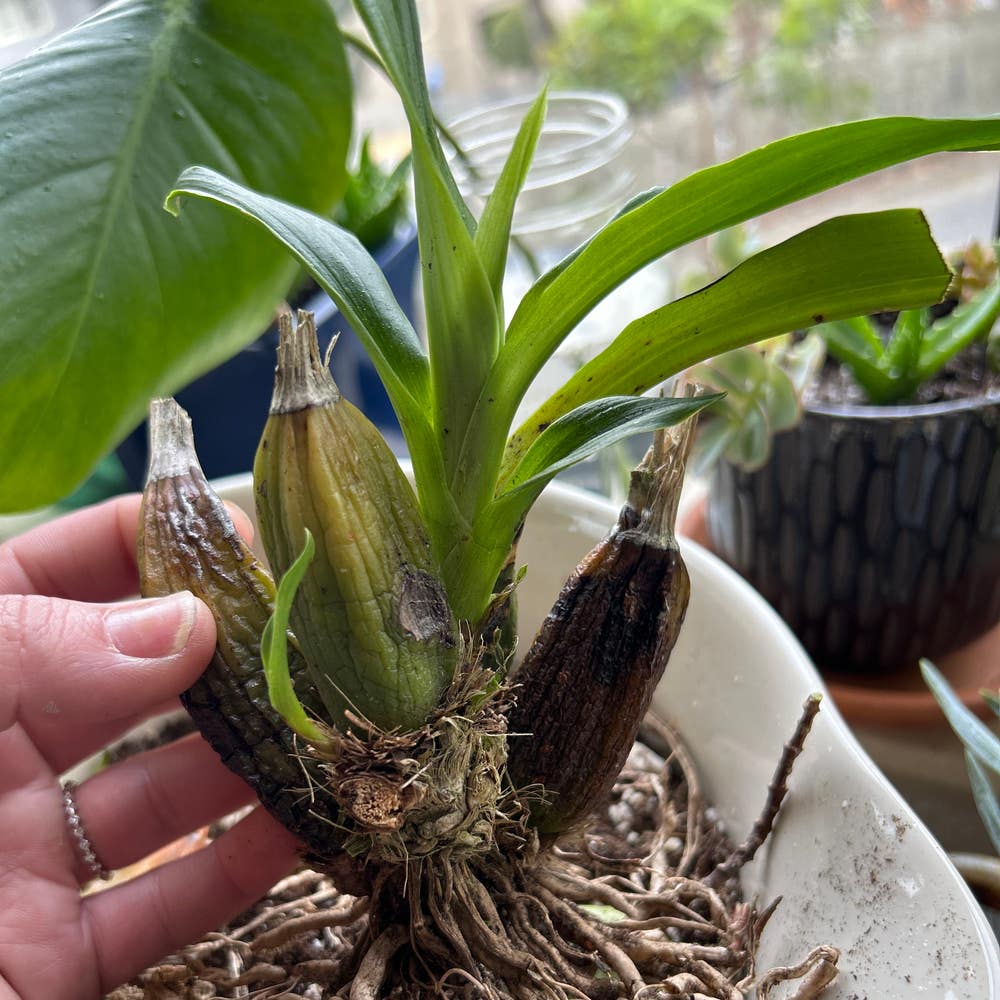
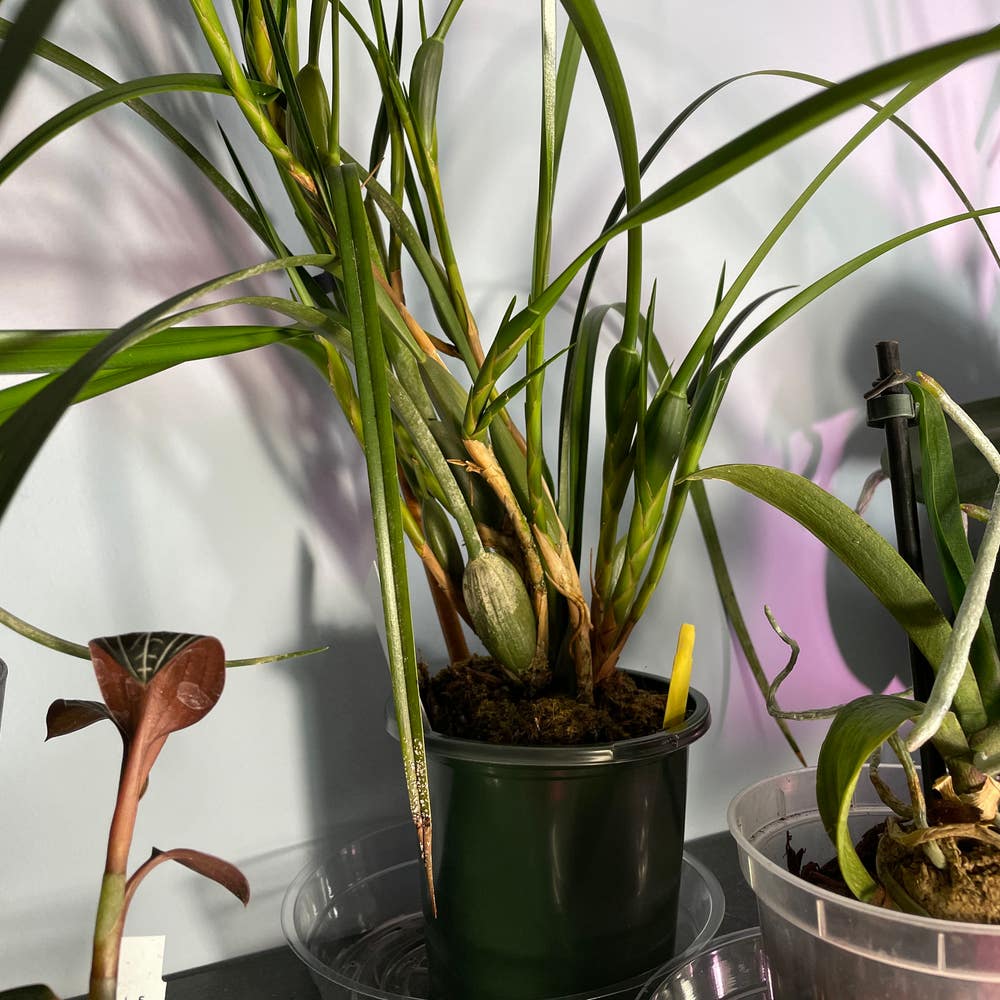
🌸 Overview of Eulophia chlorotica
Eulophia chlorotica
By the Greg Editorial Team
Feb 27, 2025•12 min read
This article was created with the help of AI so we can cover more plants for you. May contain errors. See one? Report it here.
- 🌞 Eulophia chlorotica thrives in full sun to partial shade; choose the right location!
- 🌱 Well-draining, fertile soil with pH 6.0-7.5 is essential for healthy growth.
- 💧 Regular watering is crucial, but avoid overwatering to prevent yellow leaves and root rot.
How to Grow
🌍 Choosing a Location
Selecting the right location for Eulophia chlorotica is crucial for its growth. Aim for full sun to partial shade to ensure optimal light exposure.
Consider whether you’ll grow it outdoors or in containers. Both options require good airflow and protection from harsh winds to thrive.
🏗️ Soil Preparation
Eulophia chlorotica prefers well-draining, fertile soil. Aim for a pH range of 6.0 to 7.5 for the best results.
To enhance soil structure and drainage, consider adding organic matter or compost. This will create a nurturing environment for your plants.
🌱 Planting Techniques
The best time to plant Eulophia chlorotica is in early spring or fall. Plant bulbs at a depth of 2-3 inches to encourage healthy growth.
Ensure you space the bulbs 12-18 inches apart to allow for adequate air circulation and growth. This spacing helps prevent overcrowding and promotes robust development.
💧 Watering and Fertilizing
Regular watering is essential to maintain consistent moisture for your plants. Watch for signs of overwatering, like yellowing leaves, or underwatering, which can cause wilting.
Use a balanced NPK fertilizer to support growth, applying it monthly during the growing season. This will provide the nutrients necessary for vibrant blooms.
🔍 Ongoing Care
Keep an eye out for pests and diseases that may affect your plants. Regular monitoring allows for early intervention and better outcomes.
Adjust your care routine with the changing seasons. Mulching is vital for moisture retention and helps regulate soil temperature, ensuring your plants stay healthy year-round.
With these tips, you’re well on your way to successfully growing Eulophia chlorotica. Next, let’s explore how to propagate this beautiful plant!
Propagation
🌱 Seed Propagation Steps
Seed propagation is an exciting way to grow Eulophia chlorotica. Start by collecting seeds when they are ripe, typically in late summer.
For germination, maintain a temperature of 70-75°F and keep the soil consistently moist. Once seedlings develop a few sets of true leaves, it's time to transplant them into larger pots or directly into the garden.
🔪 Division of Bulbs
Dividing bulbs is another effective propagation method. The best time to divide Eulophia chlorotica bulbs is in early spring or fall, when the plant is dormant.
You'll need a clean, sharp spade or knife for this task. Carefully dig up the bulbs, separating them into smaller sections, and replant them at the same depth they were previously growing.
This ensures healthy growth and helps maintain the vigor of your plants.
With these propagation techniques, you can expand your Eulophia chlorotica collection and share this beautiful plant with friends and family.
Lifecycle
Lifecycle Stages 🌱
Eulophia chlorotica undergoes several distinct stages throughout its lifecycle.
Germination is the first step, requiring warm temperatures and consistent moisture, typically taking a few weeks to sprout.
Once germinated, the plant enters the seedling stage, where it needs adequate light and water to thrive. Look for healthy, vibrant leaves as indicators of good care.
During vegetative growth, the plant focuses on developing its foliage. Nutrient-rich soil and regular watering are crucial for robust growth during this phase.
The flowering stage follows, usually occurring in late spring to early summer. Optimal blooms require plenty of sunlight and well-drained soil.
Finally, the plant produces seeds, completing its lifecycle. This process typically happens after flowering, allowing for the next generation to sprout.
Duration Until Maturity ⏳
Eulophia chlorotica takes about 2-3 years to reach its full size.
Several factors influence this growth rate, including soil quality, light exposure, and water availability.
By providing the right conditions, you can help your plant thrive and reach maturity more quickly.
Understanding these stages and timelines will enhance your gardening experience and ensure a flourishing Eulophia chlorotica.
Next, we’ll explore how to effectively manage the size and growth habits of this unique plant.
Size
Growth Habits 🌱
Eulophia chlorotica typically reaches a mature height of 1 to 2 feet, making it a manageable addition to any garden. Its spread ranges from 1 to 1.5 feet, allowing it to fit comfortably in various planting arrangements.
Factors Affecting Size 📏
Several factors influence the size of this plant. Light exposure, water availability, and soil quality play crucial roles in determining how robust and vibrant your Eulophia chlorotica will grow.
By ensuring optimal conditions, you can help your plant thrive and reach its full potential. Understanding these growth habits will guide you in creating the perfect environment for your Eulophia chlorotica.
Next, let’s explore the fascinating root system characteristics that support this plant's growth.
Roots
🌱 Root System Characteristics
Eulophia chlorotica features a bulbous root system that is essential for its growth and stability. These bulbs typically grow to a depth of about 6-12 inches and can spread laterally up to 12 inches, providing a solid foundation for the plant.
Identifying healthy roots is crucial for successful cultivation. Healthy roots are firm and white, while unhealthy roots may appear brown, mushy, or shriveled, indicating potential problems that need addressing.
⚠️ Common Root Issues
One of the most common issues faced by Eulophia chlorotica is root rot, which can occur due to overwatering or poor drainage. Symptoms include yellowing leaves, wilting, and a foul smell emanating from the soil.
To combat root problems, improving drainage is key. Ensure the soil is well-draining and consider using pots with drainage holes. Regularly check the moisture level and adjust watering practices to maintain a healthy balance.
Benefits
Top 5 Benefits 🌟
Eulophia chlorotica offers a range of advantages that make it a fantastic addition to any garden. Here are the top five benefits you can enjoy:
1. Ornamental Appeal
This plant showcases unique flowers and striking foliage, adding visual interest to your landscape. Its vibrant colors and shapes can enhance the beauty of any garden setting.
2. Cultural Significance
In various regions, Eulophia chlorotica holds cultural importance, often featured in traditional practices or local folklore. This connection to heritage can enrich your gardening experience.
3. Attracts Pollinators
Eulophia chlorotica is a magnet for pollinators like bees and butterflies. By planting it, you contribute to local ecosystems and support biodiversity in your area.
4. Low Maintenance
Once established, this plant requires minimal care. Its resilience makes it an excellent choice for both novice and experienced gardeners looking for a hassle-free option.
5. Versatile Growing Options
Eulophia chlorotica thrives in various settings, whether in gardens or containers. This versatility allows you to enjoy its beauty in different spaces, adapting to your gardening style.
With these benefits, Eulophia chlorotica not only beautifies your environment but also supports ecological health and cultural richness. Next, let’s explore how to propagate this remarkable plant to share its beauty with others.
Companion Plants
🌱 Companion Planting Benefits
Companion planting is a fantastic strategy for enhancing your garden's health and productivity. By pairing Eulophia chlorotica with compatible plants, you can improve pest management and promote garden diversity.
- Pest Management: Certain plants can deter pests naturally, reducing the need for chemical interventions.
- Garden Diversity: A variety of plants can create a more resilient ecosystem, benefiting both your Eulophia and the surrounding flora.
🌼 Best Companion Plants
When selecting companion plants for Eulophia chlorotica, consider those that share similar care needs and offer pest-repellent properties.
- Thriving Companions: Look for herbs like basil and marigold, which can thrive alongside Eulophia and help repel unwanted insects.
- Plants to Avoid: Steer clear of plants that compete for nutrients, such as heavy feeders like corn or those that attract pests, like certain flowering plants.
By choosing the right companions, you can create a harmonious garden environment that supports the growth and health of Eulophia chlorotica. This thoughtful approach not only enhances your garden's aesthetics but also fosters a thriving ecosystem.
Next, let’s explore the potential toxicity of Eulophia chlorotica to humans, dogs, and cats, ensuring a safe gardening experience for all.
Toxicity to Humans
🛡️ Safety Overview
Eulophia chlorotica is not listed as toxic by major poison control centers, making it generally safe for handling. While it can be ingested in small amounts without significant risk, caution is always advised.
If you experience any unusual symptoms after contact or consumption, it's wise to seek medical advice. Staying informed helps ensure a safe experience with this fascinating plant.
Toxicity to Dogs
Safety Overview 🐶
Eulophia chlorotica is not listed as toxic by major pet poison control centers, making it a relatively safe choice for dog owners. While it poses no significant threat, ingestion in small amounts may lead to mild gastrointestinal upset.
Introducing Eulophia chlorotica to Your Home 🏡
When bringing Eulophia chlorotica into a home with dogs, it's wise to monitor their interactions initially. Keep an eye on your furry friends to ensure they don’t munch on the plant, as curiosity can sometimes lead to unexpected snacking.
General Precautions ⚠️
Although the plant is generally safe, it's always best to err on the side of caution. If your dog shows any unusual symptoms after contact or ingestion, consult your veterinarian for advice.
Conclusion 📝
In summary, Eulophia chlorotica can coexist peacefully with dogs, provided you take a few simple precautions. This allows you to enjoy the beauty of this plant while ensuring your canine companions remain safe and healthy.
Next, let’s explore how Eulophia chlorotica interacts with our feline friends.
Toxicity to Cats
Safety Overview 🛡️
Eulophia chlorotica is not listed as toxic by major pet poison control centers, making it generally safe for households with cats. While it's unlikely to cause serious harm, ingestion may lead to mild gastrointestinal upset in some cases.
Introducing Eulophia chlorotica to Your Home 🏠
When bringing Eulophia chlorotica into a home with cats, it's wise to monitor their interactions. Start by placing the plant in an area that's less accessible to your feline friend, allowing you to gauge their interest.
Observing Your Cat's Behavior 👀
Pay attention to any signs of curiosity or nibbling. If your cat shows interest, consider providing alternative plants that are safe for them to chew on, ensuring they stay engaged without risking their health.
Conclusion 📝
Overall, Eulophia chlorotica can coexist peacefully with your cats, but a little caution goes a long way. With proper introduction and monitoring, you can enjoy the beauty of this plant while keeping your furry companions safe.
Next, let's explore common issues that may arise when caring for Eulophia chlorotica.
Problems
Common Issues 🌱
Growing Eulophia chlorotica can be rewarding, but it’s essential to be aware of common problems that may arise. Let's dive into the most frequent issues you might encounter.
Incorrect Watering 🚰
Watering is crucial for the health of your Eulophia chlorotica. Overwatering can lead to yellowing leaves and root rot, while underwatering may cause wilting and stunted growth.
- Signs of Overwatering: Look for soggy soil, yellowing leaves, and a musty smell.
- Signs of Underwatering: Watch for dry, crispy leaves and drooping stems.
Incorrect Light Conditions 💡
Light plays a vital role in the growth of your plant. Insufficient light can lead to leggy growth and fewer blooms, while excessive light may scorch the leaves.
- Symptoms of Insufficient Light: Stunted growth and pale foliage are clear indicators.
- Symptoms of Excessive Light: Brown, crispy leaf edges signal too much sun exposure.
Diseases 🦠
Eulophia chlorotica can be susceptible to certain fungal diseases. Keeping an eye out for these issues will help you maintain a healthy plant.
- Common Fungal Issues: Powdery mildew and blight are two prevalent problems.
- Prevention and Treatment: Ensure good airflow around the plant and consider using fungicides if necessary.
By staying vigilant about watering, light conditions, and potential diseases, you can keep your Eulophia chlorotica thriving. Next, let’s explore how to effectively manage pest issues that may arise in your garden.
Bugs
🐜 Pest Issues
Eulophia chlorotica is generally resilient against pests, but it can still face challenges. Understanding its susceptibility helps you take proactive measures to protect your plants.
Common Pests
Aphids: These tiny insects suck sap from the plant, leading to stunted growth. Look for curled leaves and sticky residue.
Spider Mites: Often found on the undersides of leaves, they create fine webbing. Yellowing leaves are a telltale sign.
Mealybugs: These pests appear as white, cottony masses on stems and leaves. They can weaken the plant significantly if not addressed.
Identification and Treatment
Aphids: Use insecticidal soap or neem oil to eliminate them. Regularly inspect new growth for early signs.
Spider Mites: Increase humidity around the plant and wash leaves with water to dislodge them. Insecticidal soap can also be effective.
Mealybugs: Dab them with a cotton swab soaked in alcohol for quick removal. Follow up with a systemic insecticide if the infestation is severe.
🚫 Prevention Strategies
To minimize pest issues, maintain healthy plants through proper care. Regularly check for signs of distress, and ensure good airflow around your Eulophia chlorotica.
Implementing companion planting can also deter pests naturally. By fostering a diverse garden, you create a balanced ecosystem that can help keep harmful insects at bay.
With these strategies, you can enjoy a thriving Eulophia chlorotica while keeping pests in check. Next, let’s explore the common issues that can arise during its growth.
What Eats
Common Herbivores 🐾
Eulophia chlorotica can attract a variety of herbivores, including deer, rabbits, and squirrels. These animals may find the plant's foliage and flowers appealing, leading to potential damage in your garden.
Signs of Animal Presence and Damage 🕵️♂️
Look for telltale signs of herbivore activity, such as chewed leaves, missing flowers, or droppings near the plant. Additionally, if you notice flattened areas around your Eulophia, it could indicate that animals have been foraging.
Deterrent Methods for Managing Animal Interactions 🚫
To protect your plants, consider using physical barriers like fencing or netting. You can also apply natural repellents, such as garlic or hot pepper sprays, to deter these hungry visitors.
By being proactive, you can enjoy the beauty of Eulophia chlorotica without the worry of unwanted nibblers. Next, let’s explore the pest issues that might affect your plant's health.
⚠️ Safety First
This content is for general information and may contain errors, omissions, or outdated details. It is not medical, veterinary advice, or an endorsement of therapeutic claims.
Always consult a qualified healthcare professional before using any plant as food, medicine, or supplement.
Never eat any plant (or feed one to pets) without confirming its identity with at least two trusted sources.
If you suspect poisoning, call Poison Control (800) 222-1222, the Pet Poison Helpline (800) 213-6680, or your local emergency service immediately.
Spotted an error? Please report it here.
Eulophia chlorotica is a gorgeous addition to your garden 🌼, and with Greg's custom watering alerts and fertilization tips, you can ensure it thrives beautifully with minimal effort!