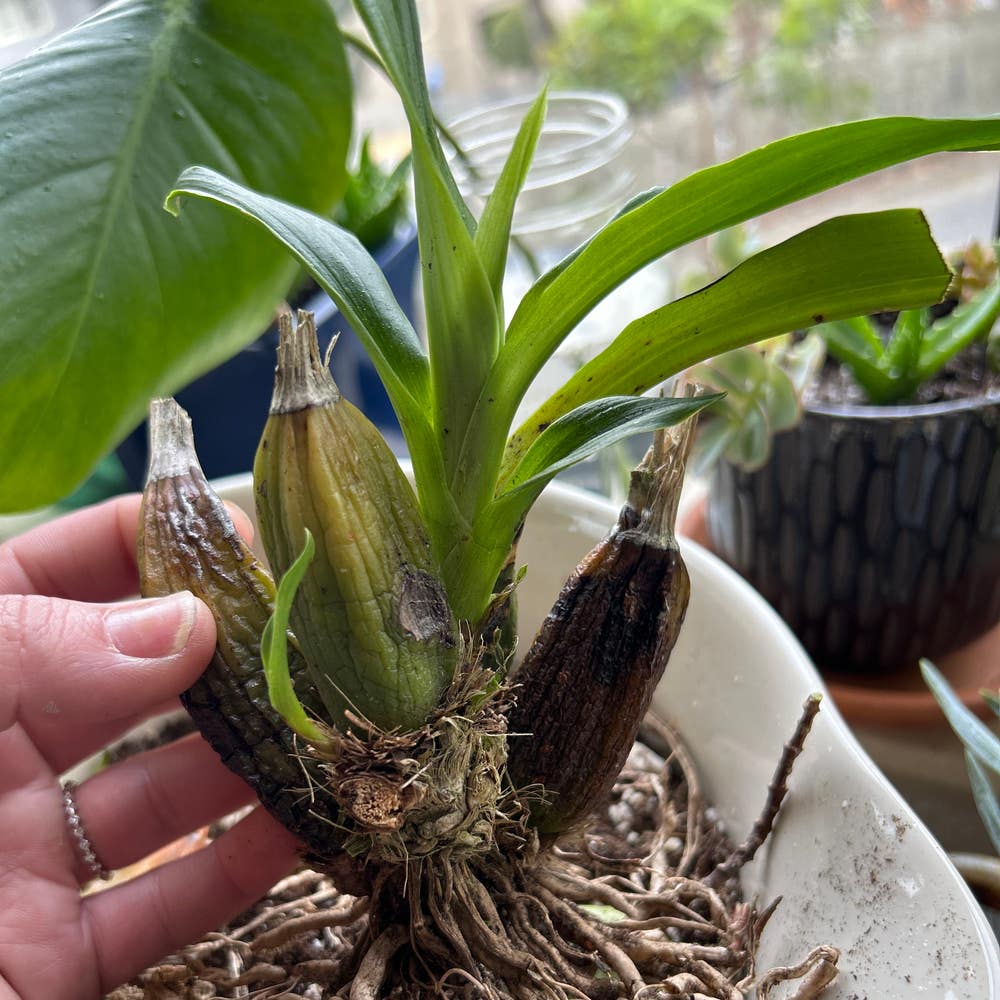
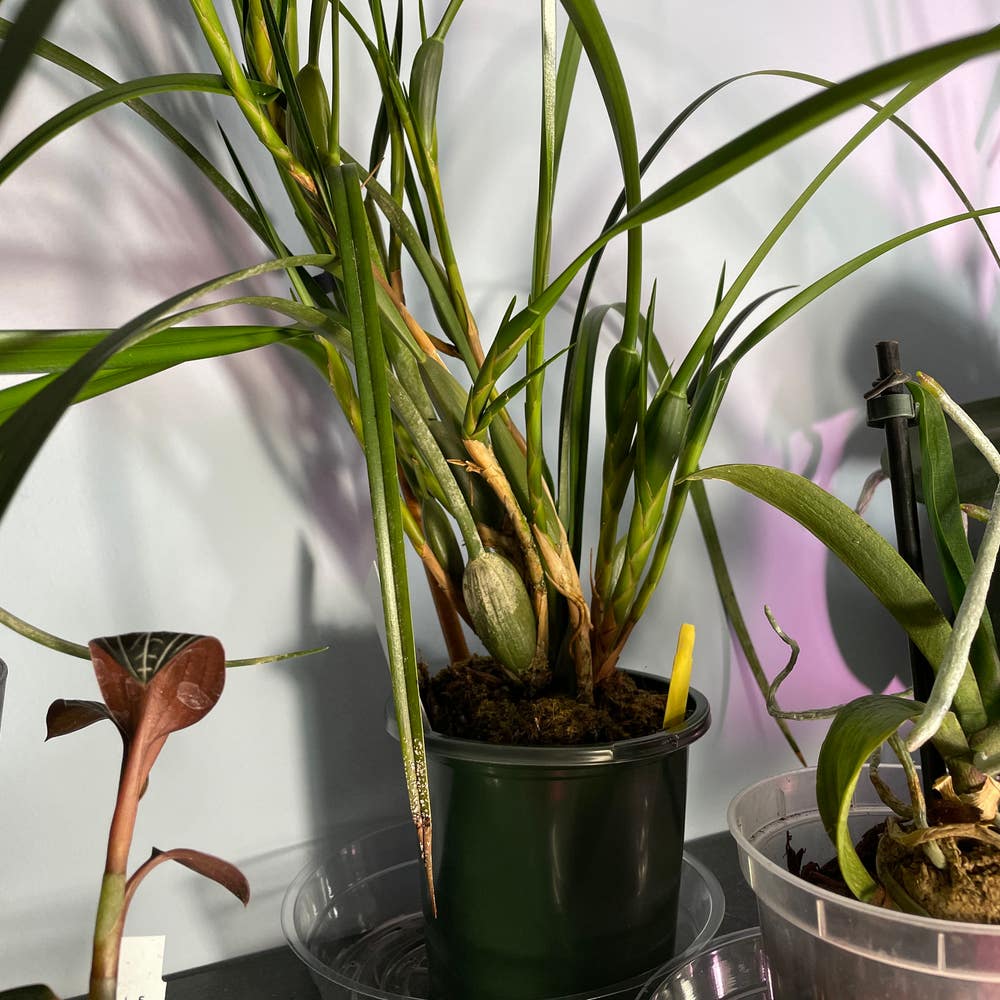
What You Should Know About Eulophia borneensis 🌸
Eulophia borneensis
By the Greg Editorial Team
Feb 27, 2025•11 min read
This article was created with the help of AI so we can cover more plants for you. May contain errors. See one? Report it here.
Elevate your garden's beauty effortlessly with Eulophia borneensis, a stunning orchid that thrives with simple care! 🌼
- 🌱 Eulophia borneensis thrives in high humidity and shaded to partially sunny areas.
- 🌿 Use well-draining, organic-rich soil with a pH of 6.0 to 7.0 for growth.
- 🐾 Safe for pets - Eulophia borneensis is non-toxic to humans, dogs, and cats.
How to Grow
Choosing a Location 🌳
Eulophia borneensis thrives in shaded to partially sunny areas. It prefers high humidity, ideally above 60%, and does best in warm tropical conditions.
Soil Preparation 🏞️
For optimal growth, use well-draining soil rich in organic matter. Aim for a slightly acidic to neutral pH, between 6.0 and 7.0, while ensuring good drainage to avoid waterlogged conditions.
Planting Techniques 🌱
When planting, place rhizomes 2-3 inches deep in the soil. Space them 12-18 inches apart to allow for healthy growth and airflow.
Watering Requirements 💧
Keep the soil consistently moist but not soggy. Water at the base of the plant to prevent fungal issues that can arise from wet foliage.
Fertilizing Schedule 🌼
Use a balanced orchid fertilizer, such as a 20-20-20 mix. Fertilize every 4-6 weeks during the growing season to support robust growth.
Pruning Practices ✂️
Prune Eulophia borneensis after flowering to encourage new growth. Remove any dead or damaged leaves and spent flower spikes to maintain plant health.
Ongoing Care 🔍
Regularly monitor your plant for signs of distress, such as wilting or discoloration. Adjust care practices based on seasonal changes to ensure your plant remains healthy and vibrant.
With these guidelines, you’ll be well on your way to successfully growing Eulophia borneensis. Next, let’s explore how to propagate this beautiful orchid!
Propagation
🌱 Seed Propagation
Propagating Eulophia borneensis from seeds can be a rewarding experience. This process requires specific conditions, including high humidity and warmth, to ensure successful germination.
Typically, you can expect germination to take about 2-4 weeks. Patience is key, as the right environment will encourage those tiny seeds to sprout.
✂️ Division of Rhizomes
Dividing rhizomes is another effective propagation method. The best time to do this is in early spring when the plant is actively growing.
To divide, carefully separate the rhizomes and replant them immediately. This technique not only helps in propagation but also promotes healthier growth for the parent plant.
🧪 Tissue Culture Methods
For those looking to scale up their propagation efforts, tissue culture methods offer an advanced solution. This technique allows for mass propagation of Eulophia borneensis under controlled conditions.
However, it requires sterile conditions and specific media to be successful. If you're up for the challenge, this method can yield impressive results and expand your collection efficiently.
As you explore these propagation techniques, remember that each method has its unique benefits. Whether you choose seeds, rhizomes, or tissue culture, you'll be well on your way to cultivating more of this beautiful orchid. Next, let’s dive into the lifecycle of Eulophia borneensis and understand its growth journey.
Lifecycle
Lifecycle Overview 🌱
Eulophia borneensis is a perennial plant, meaning it can live for several years with the right care. From seed to maturity, this orchid showcases a fascinating growth journey.
Germination 🌧️
Under ideal conditions, germination takes about 2-4 weeks. Providing high humidity and warmth is crucial for successful sprouting.
Lifespan ⏳
With proper care, Eulophia borneensis can thrive for many years. This longevity makes it a rewarding addition to any garden.
Growth Rate 📈
The growth rate of this orchid is moderate, reaching full maturity in approximately 2-3 years. Patience is key, as the plant gradually reveals its beauty over time.
As you nurture Eulophia borneensis through its lifecycle, you'll witness its transformation and resilience. Next, let's explore how to effectively propagate this remarkable plant.
Size
Mature Dimensions 🌱
Eulophia borneensis typically reaches a height of 1 to 2 feet. At maturity, it can spread 1 to 2 feet wide, making it a lovely addition to your garden.
Growth Rate 📈
This orchid has a moderate growth rate, which can be influenced by the care conditions you provide. With the right environment, you can expect it to flourish beautifully over time.
Care Impact 🛠️
The size and health of your Eulophia borneensis are directly tied to how well you meet its needs. Proper light, humidity, and watering will ensure it reaches its full potential, creating a stunning focal point in your garden.
As you consider the dimensions of this plant, remember that its growth is a reflection of your gardening efforts. With attentive care, you can enjoy its unique beauty for years to come.
Next, let’s explore the fascinating lifecycle of Eulophia borneensis and how it develops from seed to maturity.
Roots
🌱 Root System Characteristics
Eulophia borneensis features a rhizomatous root system, which is essential for its growth and stability. This type of root structure allows the plant to store nutrients and water, making it resilient in varying conditions.
📏 Depth and Spread
Typically, the roots extend 6-12 inches deep, providing a solid foundation. They can also spread laterally up to 2 feet, which helps the plant absorb moisture and nutrients from a wider area.
⚠️ Common Issues
Despite its robust nature, Eulophia borneensis can face some challenges. Root rot is a common issue, often caused by overwatering, while signs of rootbound plants may indicate that it's time to repot or divide the rhizomes.
Understanding the root system of Eulophia borneensis is crucial for successful cultivation. Proper care will ensure that these roots thrive, supporting the plant's overall health and growth.
Next, let’s explore the benefits of growing this unique orchid in your garden.
Benefits
Top 5 Benefits 🌟
Eulophia borneensis offers a range of advantages that make it a fantastic addition to any garden. Here are the top five benefits you can enjoy:
Unique Flowering Spikes: The striking flowering spikes of Eulophia borneensis add a vibrant touch to your garden, making it visually appealing throughout its blooming season.
Attracts Pollinators: This plant plays a vital role in promoting biodiversity by attracting various pollinators, including bees and butterflies, which are essential for a healthy ecosystem.
Low Maintenance: Once established, Eulophia borneensis requires minimal care, making it perfect for both novice and experienced gardeners who appreciate low-maintenance plants.
Contributes to Ecosystem Health: By providing habitat and food for local wildlife, this orchid helps maintain the balance of the local ecosystem, supporting overall environmental health.
Cultural Significance: In many cultures, Eulophia borneensis holds medicinal value, showcasing its importance beyond mere aesthetics. This adds a layer of depth to your gardening experience.
Incorporating Eulophia borneensis into your garden not only enhances its beauty but also supports the environment and cultural practices. With its myriad benefits, this orchid is a worthy investment for any plant lover.
Next, let’s explore the best companion plants that thrive alongside Eulophia borneensis, ensuring a harmonious garden ecosystem.
Companion Plants
Best Companions 🌿
When growing Eulophia borneensis, consider pairing it with ferns. These plants thrive in similar humidity and light conditions, creating a harmonious garden environment.
Other orchids also make excellent companions. They share comparable care requirements, ensuring a cohesive aesthetic and simplifying maintenance.
Plants to Avoid 🚫
Be cautious with heavy feeders in your garden. These plants can compete for nutrients, potentially stunting the growth of your Eulophia.
Additionally, avoid plants with aggressive root systems. They pose a risk of root competition, which can hinder the development of your Eulophia's rhizomatous roots.
By choosing the right companions, you can create a thriving ecosystem that enhances the beauty and health of your garden. Next, let’s explore the fascinating topic of Eulophia borneensis's toxicity to pets.
Toxicity to Humans
Eulophia borneensis is not listed as toxic by major poison control centers, making it a safe choice for your garden. You can handle and even ingest small amounts without worry.
However, it's wise to exercise caution with any plant. While mild skin irritation or digestive discomfort can occur if consumed excessively, these instances are rare.
If you experience any unusual symptoms after contact or ingestion, seek medical advice promptly. Always prioritize safety and stay informed about the plants you interact with.
This knowledge allows you to enjoy the beauty of Eulophia borneensis without unnecessary concern. Now, let’s explore how this plant interacts with our furry friends!
🐾 Plant and Pet Safety
Toxicity to Dogs
Eulophia borneensis is not listed as toxic to dogs by veterinary organizations. This means your furry friends can safely interact with this plant without the worry of serious health risks.
Generally, it’s safe for dogs to consume small amounts. However, excessive consumption may lead to mild gastrointestinal upset, so moderation is key.
To ensure your dog's safety, proper placement of the plant is essential. Keep an eye on their behavior around the plant to prevent any unwanted nibbling.
With a little care, you can enjoy the beauty of Eulophia borneensis in your garden while keeping your pets safe. Now, let’s explore how this plant interacts with our feline companions.
Toxicity to Cats
Eulophia borneensis is not listed as toxic to cats by major pet poison control centers. This means your feline friends can safely interact with this plant without the worry of serious health risks.
While generally safe for consumption in small amounts, excessive eating may lead to mild gastrointestinal upset. It's always a good idea to monitor your cat's behavior around plants to ensure they don't overindulge.
To keep your cat safe, consider proper placement of the plant. This way, you can enjoy its beauty while minimizing any potential nibbling.
In summary, Eulophia borneensis is a cat-friendly plant that adds charm to your home. Just keep an eye on your furry companions to ensure they stay healthy and happy.
Next, let’s explore the common problems that may arise when caring for this unique plant.
🐱 Common Problems with Eulophia Borneensis
🌱 Care Tips for a Happy Plant
Problems
Common Issues 🌱
Growing Eulophia borneensis can be rewarding, but it's essential to be aware of potential problems that may arise. Let's dive into the most common issues you might encounter.
Incorrect Watering 🚰
Watering is crucial for Eulophia borneensis, and getting it right can be tricky. Overwatering can lead to yellowing leaves and root rot, while underwatering may cause wilting and dry leaf tips.
Incorrect Light Conditions ☀️
Light is another critical factor. Too much direct sunlight can scorch the leaves, while insufficient light may result in leggy growth and fewer flowers.
Diseases 🦠
Fungal diseases can plague your plant if conditions aren't ideal. Watch for powdery mildew, which appears as a white powder on leaves, and black rot, characterized by dark, mushy spots.
Root Problems 🪴
Root health is vital for overall plant vigor. Signs of root rot include a foul smell and squishy roots, indicating that your plant is suffering from excess moisture.
By keeping an eye on these common issues, you can ensure your Eulophia borneensis thrives in your garden. Next, let’s explore how to effectively manage pests that may pose a threat to your plant's health.
Bugs
🐛 Potential Pest Issues
Eulophia borneensis is generally known for its moderate pest resistance, but that doesn’t mean it’s invincible. Certain pests can still pose a threat, so it’s essential to keep an eye out for them.
🕷️ Spider Mites
One of the most common culprits is the spider mite. These tiny pests create fine webbing on the leaves, which can lead to discoloration and stress for your plant. If you notice these webs, act quickly to prevent further damage.
🧼 Mealybugs
Another pest to watch for is the mealybug. These pests appear as cotton-like masses on the leaves and stems, sucking the sap and weakening your plant. Regular inspections can help catch these infestations early.
🚫 Prevention and Control
To keep your Eulophia borneensis thriving, consider implementing preventive measures. Regularly inspect your plants, maintain proper watering practices, and ensure good air circulation. If you do encounter pests, using insecticidal soap or neem oil can be effective treatments.
By staying vigilant and proactive, you can protect your plant from these pesky invaders and enjoy its beauty for years to come. Next, let’s explore what animals might find your Eulophia borneensis appealing.
What Eats
Common Animals 🦌
Eulophia borneensis faces a few hungry visitors in the garden. Deer are notorious for their appetite, leaving behind chewed leaves and broken stems as evidence of their feasting.
Rabbits also enjoy snacking on this plant, often causing damage that appears as clean cuts on the foliage. Their nibbling can quickly turn a thriving plant into a sad sight.
Methods for Deterring 🚫
To protect your Eulophia borneensis, consider using chemical repellents that deter these animals without harming the plant. Alternatively, organic methods like planting companion plants or using barriers can effectively keep these critters at bay.
By being proactive, you can enjoy the beauty of your Eulophia borneensis without the worry of it becoming a buffet for local wildlife.
⚠️ Safety First
This content is for general information and may contain errors, omissions, or outdated details. It is not medical, veterinary advice, or an endorsement of therapeutic claims.
Always consult a qualified healthcare professional before using any plant as food, medicine, or supplement.
Never eat any plant (or feed one to pets) without confirming its identity with at least two trusted sources.
If you suspect poisoning, call Poison Control (800) 222-1222, the Pet Poison Helpline (800) 213-6680, or your local emergency service immediately.
Spotted an error? Please report it here.
Unlock the beauty of Eulophia borneensis 🌸 with Greg's tailored watering alerts and expert care tips, ensuring your orchid thrives in high humidity and well-draining soil!