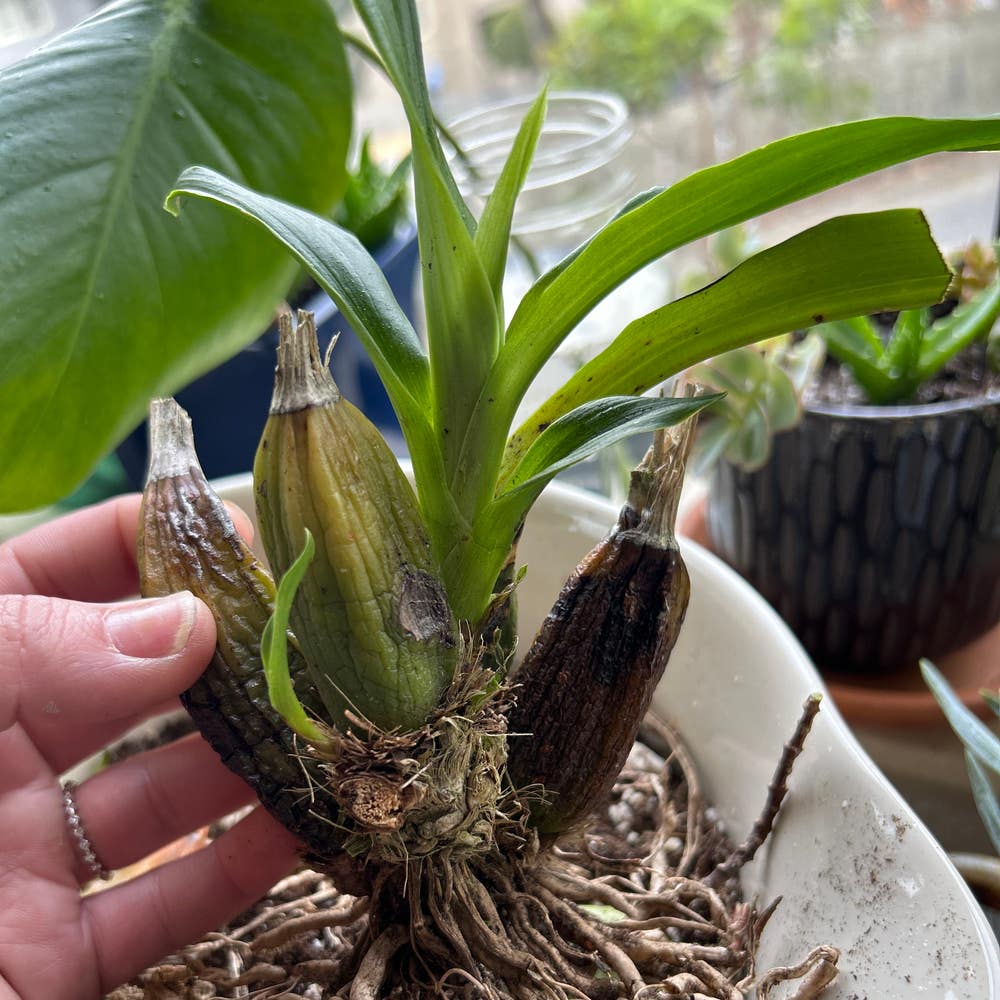
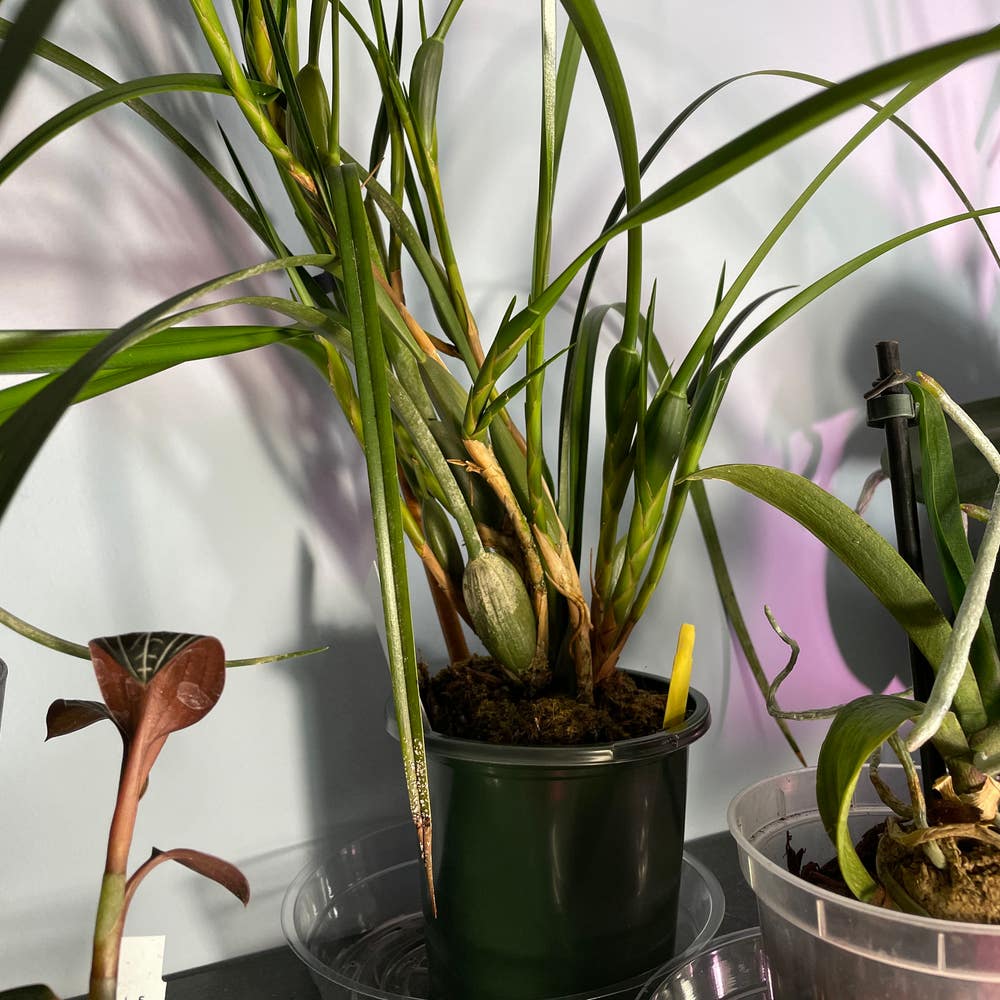
What You Should Know About Eulophia atrovirens 🌸
Eulophia atrovirens
By the Greg Editorial Team
Feb 27, 2025•9 min read
This article was created with the help of AI so we can cover more plants for you. May contain errors. See one? Report it here.
Elevate your garden with Eulophia atrovirens, a vibrant orchid that thrives effortlessly! 🌼🌱
- 🌞 Eulophia atrovirens thrives in warm, partially shaded environments (20°C to 30°C).
- 🌱 Use well-draining, organic-rich soil with a pH of 6.0 to 7.0 for growth.
- 🐝 Attract pollinators and enhance gardens by companion planting with ferns and perennials.
How to Grow
Choosing a Location 🌞
Eulophia atrovirens thrives in partial shade to filtered sunlight. Aim for warm temperatures between 20°C to 30°C (68°F to 86°F) for optimal growth.
Soil Preparation 🌱
For soil preparation, select a well-draining mix rich in organic matter. The ideal pH level should be slightly acidic to neutral, ranging from 6.0 to 7.0.
Planting Techniques 🌿
When planting, dig a hole 2-3 inches deep and space each plant 12-18 inches apart. This spacing allows for healthy growth and air circulation.
Watering Requirements 💧
Water your Eulophia atrovirens when the top inch of soil feels dry. Deep watering encourages robust root development, ensuring the plant remains healthy.
Fertilizing Schedule 🌼
Use a balanced NPK fertilizer (10-10-10) every 4-6 weeks during the growing season. This will provide the necessary nutrients for vigorous growth.
Pruning Methods ✂️
Prune your plant after flowering to stimulate new growth. Focus on removing dead or damaged leaves and spent flower spikes to keep it looking its best.
Ongoing Care 🪴
For container care, ensure pots have drainage holes and use a well-draining potting mix. If growing outdoors, apply mulch to retain moisture and suppress weeds.
With these guidelines, you’ll create a thriving environment for your Eulophia atrovirens. Next, let’s explore how to propagate this beautiful plant effectively.
Propagation
🌱 Seed Propagation
Spring or early summer is the ideal time to propagate Eulophia atrovirens from seeds. For successful germination, provide a warm, humid environment with indirect light to encourage healthy growth.
✂️ Division of Rhizomes
The best time to divide rhizomes is early spring, just before new growth begins. Carefully separate the rhizomes and replant them immediately to ensure they establish well in their new location.
🪴 Offsets and Bulb Propagation
Look for small bulbs forming around the base of the plant to identify offsets. Before transplanting, make sure these offsets have developed roots to increase their chances of thriving in their new home.
With these propagation methods, you can expand your Eulophia atrovirens collection and enjoy its beauty in various spots around your garden. Next, let’s explore the lifecycle of this fascinating plant and understand its growth stages.
Lifecycle
🌱 Lifecycle Stages
Eulophia atrovirens is a perennial plant that undergoes a fascinating multi-stage lifecycle. Understanding these stages is crucial for successful cultivation.
🌱 Germination Process
The germination process typically takes 2-4 weeks under optimal conditions. Providing warmth and humidity will significantly enhance the chances of successful sprouting.
🌱 Seedling Development
Once germinated, seedlings require about 4-6 weeks to develop true leaves. This stage is vital as it sets the foundation for future growth.
🌱 Vegetative Growth Phase
The vegetative growth phase lasts between 1-2 years, during which the plant establishes itself. Patience is key, as this period is essential for reaching maturity.
🌼 Flowering and Seed Production
Eulophia atrovirens usually flowers in late spring to early summer. This is when the plant showcases its beauty and begins the cycle of seed production.
⏳ Lifespan and Growth Timeline
Under ideal conditions, the overall lifespan of Eulophia atrovirens ranges from 5-10 years. With a moderate to fast growth rate, it can reach full size in just 2-3 years, rewarding gardeners with vibrant blooms and lush foliage.
This lifecycle knowledge not only helps in nurturing the plant but also enhances your gardening experience. Next, let's explore the size of Eulophia atrovirens and what to expect as it grows.
Size
🌱 Mature Height and Spread
Eulophia atrovirens typically reaches a height of 30-60 cm (12-24 inches) and spreads about 30-45 cm (12-18 inches). This moderate size makes it an excellent choice for various garden settings.
📏 Growth Rate and Size Variability
The growth rate of Eulophia atrovirens is moderate, largely influenced by environmental conditions. Factors such as soil quality and care practices can lead to noticeable size variability among plants.
🌞 Factors Affecting Size
Light availability plays a crucial role in the size of your Eulophia atrovirens. More sunlight generally results in larger plants, while consistent watering practices help promote optimal growth.
In summary, understanding these size factors can help you cultivate a thriving Eulophia atrovirens. With the right conditions, you can enjoy a beautiful, healthy plant that enhances your garden's appeal.
Roots
🌱 Root System Characteristics
Eulophia atrovirens features a unique root system composed of fleshy, fibrous roots. These roots are essential for storing water and nutrients, enabling the plant to thrive in varying conditions.
📏 Root Depth and Spread
Typically, the roots extend 12-18 inches deep, providing stability and access to moisture. They can also spread laterally up to 24 inches, allowing the plant to absorb nutrients from a wider area.
⚠️ Common Root-Related Issues
One of the most common problems is root rot, often caused by overwatering. Symptoms include mushy roots, which can severely impact the plant's health if not addressed promptly.
🔍 Identifying Healthy vs. Unhealthy Roots
Healthy roots are firm and exhibit a white or light tan color. In contrast, unhealthy roots appear dark, mushy, or may even emit a foul smell, indicating a need for immediate action.
🔒 Recognizing and Addressing Rootbound Conditions
If you notice roots growing out of the drainage holes, your plant may be rootbound. The solution is simple: repot the plant into a larger container or divide it to promote healthy growth.
Understanding the root system of Eulophia atrovirens is crucial for its care. With the right attention, you can ensure your plant thrives and flourishes. Next, let’s explore the benefits of growing this remarkable plant.
Benefits
Top 5 Benefits 🌟
Eulophia atrovirens offers a range of advantages that make it a fantastic addition to any garden. Here are the top five benefits:
Attractive Flowers: The vibrant blooms of Eulophia atrovirens enhance garden aesthetics, adding a splash of color and charm to your outdoor space.
Drought-Resistant: Thanks to its fleshy root system, this plant is drought-resistant, making it an excellent choice for low-water gardens.
Pollinator Attraction: Eulophia atrovirens attracts pollinators, such as bees and butterflies, supporting local ecosystems and promoting biodiversity.
Low Maintenance: Once established, this plant requires minimal care, allowing you to enjoy its beauty without constant attention.
Cultural Significance: In various regions, Eulophia atrovirens symbolizes resilience and beauty, adding a layer of cultural richness to your garden.
These benefits make Eulophia atrovirens not just a plant, but a valuable asset to your gardening experience. Whether you're a seasoned gardener or just starting, this orchid can bring joy and beauty to your space.
As you consider adding Eulophia atrovirens to your garden, think about how it can complement your existing plants and enhance your outdoor environment. Next, let’s explore the concept of companion planting and how it can further enrich your gardening journey.
Companion Plants
🌱 Concept of Companion Planting
Companion planting is all about creating a harmonious garden environment. It enhances diversity and helps with pest management, making your garden not just beautiful but also healthier.
🌼 Best Companion Plants
When it comes to Eulophia atrovirens, consider pairing it with ferns, shade-tolerant perennials, and other orchids. These plants share similar care needs and growth habits, creating a balanced ecosystem in your garden.
🚫 Plants to Avoid
On the flip side, steer clear of heavy feeders like tomatoes and corn. These plants compete for nutrients, potentially stunting the growth of your Eulophia atrovirens.
By choosing the right companions, you can foster a thriving garden that supports both your plants and local wildlife. Next, let’s explore some common problems that may arise while growing this beautiful orchid.
Problems
Common Problems 🌱
1. Incorrect Watering
Watering is crucial for the health of Eulophia atrovirens. Underwatering leads to wilting, while overwatering results in yellowing leaves.
To fix this, adjust your watering frequency based on the moisture level of the soil. Check the top inch of soil; if it's dry, it's time to water.
2. Incorrect Light Conditions
Light conditions can make or break your plant's growth. If your Eulophia atrovirens is leggy, it’s likely not getting enough light, while scorched leaves indicate too much direct sunlight.
To remedy this, relocate your plant to a spot with the right amount of filtered sunlight or partial shade.
3. Incorrect Temperature
Temperature plays a significant role in plant vitality. Stunted growth or leaf drop often signals that your plant is not within its preferred temperature range.
Keep your Eulophia atrovirens in warm conditions, ideally between 20°C to 30°C (68°F to 86°F), to ensure it thrives.
4. Diseases
Diseases can sneak up on your plant, with powdery mildew and root rot being common culprits. These issues often arise from poor air circulation or overwatering.
To combat these diseases, improve air circulation around your plant and be mindful not to overwater.
5. Growth Problems
Growth problems can manifest as leaning or etiolated growth. These symptoms often indicate inadequate light or support.
To address this, provide your plant with proper support and ensure it receives sufficient light for healthy growth.
By staying vigilant about these common problems, you can help your Eulophia atrovirens flourish. Next, let’s explore potential pest issues that may affect your plant.
Bugs
🐜 Potential Pest Issues
Eulophia atrovirens is generally a tough plant, boasting moderate pest resistance. However, it can still fall prey to a few common pests that you should keep an eye out for.
🔍 Identification and Damage
- Spider Mites: Look for fine webbing and stippled leaves, which indicate these tiny pests are at work.
- Scale Insects: These pests leave behind a sticky residue and cause yellowing leaves, making them easy to spot.
- Mealybugs: Identified by their cotton-like masses on stems and leaves, mealybugs can quickly become a nuisance.
🛠️ Effective Treatment Options
To combat these pests, consider using:
- Neem Oil: A natural solution that disrupts the life cycle of pests.
- Insecticidal Soap: Effective for treating a variety of soft-bodied insects.
- Beneficial Insects: Introducing ladybugs or lacewings can help keep pest populations in check.
By staying vigilant and employing these treatment methods, you can keep your Eulophia atrovirens healthy and thriving. Next, let’s explore what animals might be interested in snacking on your beautiful plant.
What Eats
🦌 Common Animals
Eulophia atrovirens can attract a variety of hungry critters. Deer, rabbits, and squirrels are particularly fond of its foliage, making them common visitors in gardens where this plant thrives.
👀 Signs of Animal Presence
If you suspect these animals are munching on your plants, look for telltale signs. Chewed leaves, missing flowers, and droppings nearby can indicate that your Eulophia atrovirens has become a snack for local wildlife.
🚫 Deterrent Methods
To protect your plants, consider various deterrent methods.
Chemical Methods
Commercial repellents can be effective in keeping these pests at bay.
Organic Methods
Alternatively, you can plant deterrent herbs or use physical barriers like fencing to safeguard your garden.
By implementing these strategies, you can enjoy the beauty of Eulophia atrovirens without the worry of it becoming a meal for local animals.
⚠️ Safety First
This content is for general information and may contain errors, omissions, or outdated details. It is not medical, veterinary advice, or an endorsement of therapeutic claims.
Always consult a qualified healthcare professional before using any plant as food, medicine, or supplement.
Never eat any plant (or feed one to pets) without confirming its identity with at least two trusted sources.
If you suspect poisoning, call Poison Control (800) 222-1222, the Pet Poison Helpline (800) 213-6680, or your local emergency service immediately.
Spotted an error? Please report it here.
Unlock the full potential of your Eulophia atrovirens 🌱 with Greg's tailored watering alerts and expert care tips, ensuring your plant thrives in its ideal environment!