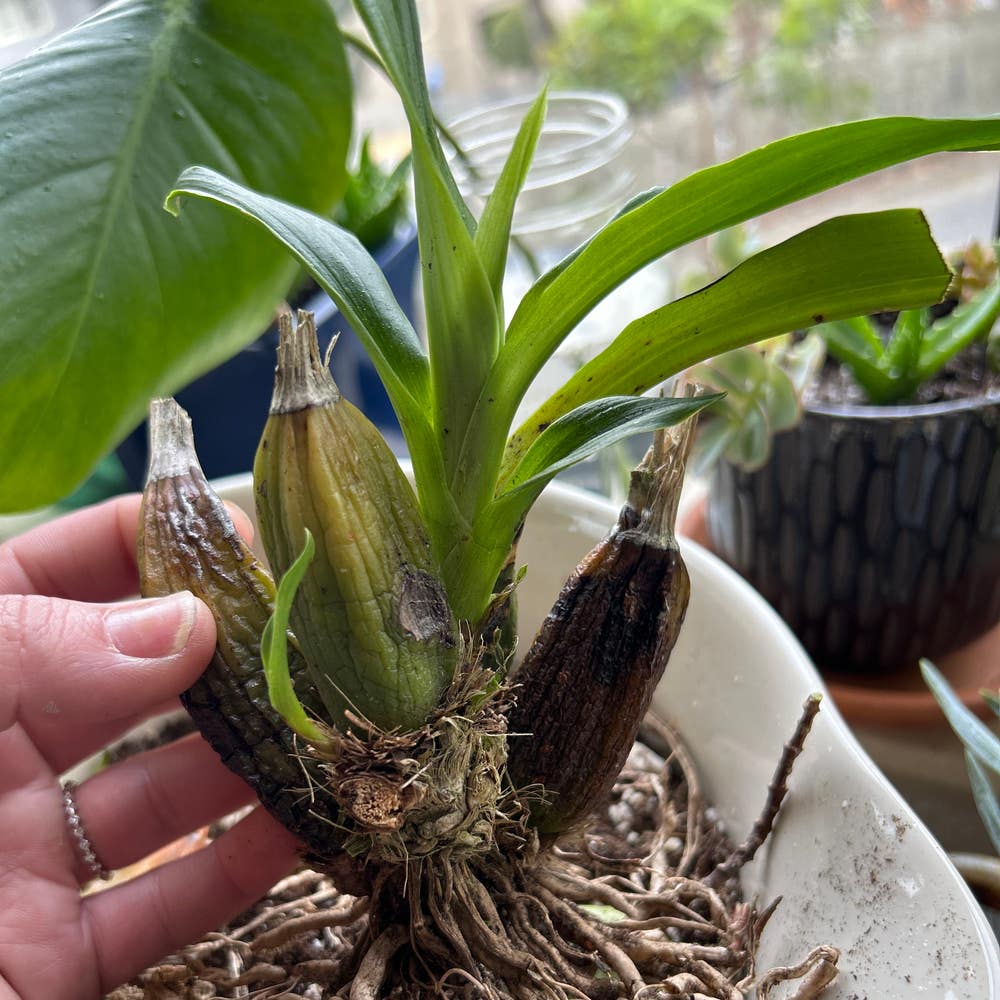
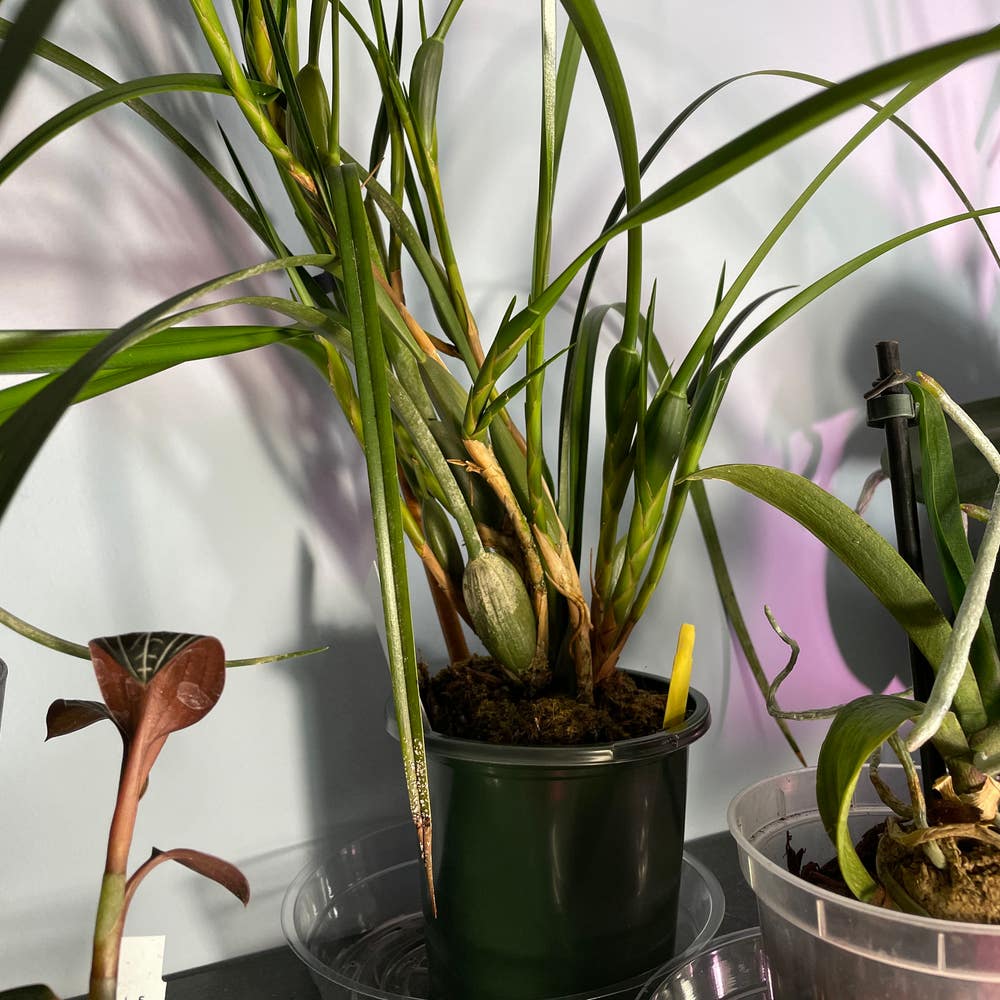
Overview of Eulophia arenicola
Eulophia arenicola
By the Greg Editorial Team
Feb 27, 2025•11 min read
This article was created with the help of AI so we can cover more plants for you. May contain errors. See one? Report it here.
Elevate your garden with Eulophia arenicola's vibrant blooms and effortless care! 🌼🌱
- 🌞 Eulophia arenicola thrives in 4-6 hours of sunlight; ideal for sunny gardens.
- 🌱 Use well-draining sandy soil to prevent root rot and ensure healthy growth.
- 🐾 Safe for pets - Eulophia arenicola is non-toxic to humans, dogs, and cats.
How to Grow
Choosing a Location 🌞
Eulophia arenicola thrives best in full sun to partial shade, requiring about 4-6 hours of direct sunlight daily. This plant prefers warm climates, ideally between 20°C to 30°C (68°F to 86°F), making it perfect for sunny gardens.
Soil Preparation 🏜️
For optimal growth, use well-draining sandy or loamy soil. Good drainage is crucial to prevent root rot, so ensure your planting area allows excess water to escape.
Planting Techniques 🌱
When planting, bury the tubers 2-4 inches deep to give them a solid start. Space the plants 12-18 inches apart to allow for healthy growth and airflow.
Watering Requirements 🚰
Keep the soil consistently moist but avoid waterlogging. Regular watering is essential, and using a drip irrigation system or watering at the base can help prevent wet foliage.
Fertilizing 🍽️
A balanced NPK fertilizer (10-10-10) is ideal for Eulophia arenicola. Fertilize every 4-6 weeks during the growing season to support robust growth.
Pruning and Ongoing Care ✂️
Prune the plant after flowering to encourage new growth. Focus on removing dead or yellowing leaves and spent flower stalks to keep the plant healthy and vibrant.
With these straightforward growing tips, you can cultivate a thriving Eulophia arenicola that adds beauty and interest to your garden. Next, let’s explore how to propagate this stunning plant effectively.
Propagation
🌱 Seed Propagation
To propagate Eulophia arenicola from seeds, start by sowing them in well-draining soil. Keep the soil moist and maintain warm temperatures between 20°C to 25°C (68°F to 77°F) for optimal germination.
Germination typically takes about 2-4 weeks. Patience is key here, as watching those tiny sprouts emerge can be incredibly rewarding.
🌿 Division of Tubers
Dividing tubers is another effective propagation method, best done in early spring before new growth begins. Carefully separate the tubers, ensuring each piece has roots, and replant them immediately in prepared soil.
This method not only helps in expanding your plant collection but also rejuvenates the parent plant, promoting healthier growth. By mastering these propagation techniques, you can enjoy a thriving Eulophia arenicola garden in no time!
Next, let’s explore the lifecycle of this fascinating plant.
Lifecycle
Lifecycle Stages 🌱
Eulophia arenicola is a perennial plant, meaning it has a life cycle that lasts for several years. It typically takes about 1-2 years to reach maturity, allowing gardeners to enjoy its beauty over multiple seasons.
The germination period for its seeds is relatively quick, usually taking 2-4 weeks. Once germinated, the plant enters the seedling stage, which lasts for about 4-6 weeks before transitioning into the vegetative growth phase.
Understanding these lifecycle stages is crucial for successful cultivation. By aligning your care practices with these natural rhythms, you can ensure a thriving Eulophia arenicola in your garden.
With the lifecycle established, let's explore how to propagate this fascinating plant effectively.
Size
🌱 Growth Habits
Eulophia arenicola typically reaches a mature height of 12 to 24 inches. Its spread can range from 12 to 18 inches, making it a lovely addition to any garden.
📈 Growth Rate
This plant has a moderate growth rate, which can be influenced by various environmental conditions. Factors such as sunlight, soil quality, and watering practices play a significant role in how quickly it flourishes.
🌍 Environmental Impact
When planted in optimal conditions, Eulophia arenicola can thrive beautifully, adding both height and width to your garden landscape. Its growth habits make it an excellent choice for creating visual interest and texture in your outdoor space.
📝 Conclusion
Understanding the size and growth habits of Eulophia arenicola is essential for successful cultivation. With the right care, this plant can become a stunning focal point in your garden, leading us to explore its propagation techniques next.
Roots
Root System Characteristics 🌱
Eulophia arenicola features a tuberous root system that effectively stores nutrients and water. This adaptation allows the plant to thrive in varying conditions, with roots extending 6-12 inches deep and spreading laterally to support its growth.
Common Issues ⚠️
While this plant is resilient, it can face some common root-related issues.
Root rot is a significant concern, often caused by overwatering. To prevent this, ensure proper drainage in the soil.
Rootbound conditions occur when the tubers outgrow their container. You can identify this issue by observing roots growing out of the drainage holes, signaling it's time to repot.
Understanding these root characteristics and potential issues will help you cultivate a healthy Eulophia arenicola. With the right care, this plant can flourish beautifully in your garden.
Next, let’s explore the benefits of growing this unique plant.
Benefits
Top 5 Benefits 🌟
Eulophia arenicola offers a range of benefits that make it a fantastic addition to any garden.
Attractive Flowers: The vibrant blooms of Eulophia arenicola not only catch the eye but also enhance the overall aesthetics of your garden. Their unique appearance can serve as a focal point, drawing attention and admiration.
Drought-Tolerant: Thanks to its tuberous root system, this plant is remarkably drought-tolerant. It can thrive in dry conditions, making it a low-maintenance option for gardeners looking to conserve water.
Supports Local Pollinators: Eulophia arenicola plays a crucial role in promoting biodiversity. Its flowers attract local pollinators, such as bees and butterflies, which are essential for a healthy ecosystem.
Traditional Medicine Uses: In some cultures, Eulophia arenicola is valued for its medicinal properties. While not widely known, it can be used in traditional remedies, adding another layer of interest to this plant.
Unique Texture and Interest: Beyond its flowers, this plant adds unique texture and visual interest to garden landscapes. Its growth habits and foliage can complement a variety of other plants, enhancing the overall garden design.
Incorporating Eulophia arenicola into your garden not only beautifies the space but also supports the environment and offers practical benefits. With its low maintenance needs and striking appearance, it's a win-win for any gardener.
As we explore further, let's dive into the companion plants that can enhance the growth and health of Eulophia arenicola.
Companion Plants
🌱 Companion Planting Benefits
Companion planting is a fantastic way to enhance your garden's diversity. It not only improves pest management but also boosts overall plant health, creating a thriving ecosystem.
🤝 Compatible Companions
When choosing companions for Eulophia arenicola, consider other tuberous plants, flowering herbs, and flowers that attract pollinators. These plants work harmoniously, supporting each other's growth and resilience.
🚫 Plants to Avoid
Be cautious with heavy feeders or plants that require excessive moisture. These can compete for nutrients and water, potentially harming your Eulophia arenicola's growth.
Incorporating the right companions can lead to a flourishing garden. Next, let’s explore the toxicity of Eulophia arenicola to humans, dogs, and cats, ensuring a safe environment for all.
Toxicity to Humans
🛡️ Safety Overview
Eulophia arenicola is not considered toxic by major poison control centers or health organizations. This means you can handle and even ingest it in small amounts without worry.
However, it's wise to be cautious. While generally safe, consuming large quantities may lead to mild skin irritation or minor digestive discomfort. Always better to err on the side of caution!
In summary, Eulophia arenicola is a safe addition to your garden. With its vibrant flowers and low toxicity, it can enhance your landscape without posing significant risks.
Next, let’s explore how this plant interacts with our furry friends.
Toxicity to Dogs
Safety Overview 🐶
Eulophia arenicola is not listed as toxic to dogs by major pet poison control centers and veterinary organizations. This means your furry friends can safely roam around these plants without the worry of serious health risks.
Mild Reactions 🤢
While generally safe, it's important to note that if dogs consume large quantities, they may experience mild gastrointestinal upset. This could manifest as a bit of an upset stomach or minor digestive discomfort, but it’s nothing to panic about.
Conclusion 🌼
In summary, Eulophia arenicola poses no significant threat to dogs, making it a great addition to gardens where pets play. With proper care and attention, both your plants and pets can thrive together harmoniously.
Next, let’s explore how this plant interacts with our feline friends.
Toxicity to Cats
Safety Overview 🐱
Eulophia arenicola is not listed as toxic to cats by major pet poison control centers and veterinary organizations. This means you can enjoy this beautiful plant without worrying about your feline friends.
While generally safe around cats, it's worth noting that mild gastrointestinal upset may occur if large quantities are ingested. Always monitor your pets to ensure they don't munch on too much of your garden's bounty.
Practical Considerations 🏡
If you have cats that love to explore, consider placing Eulophia arenicola in areas that are less accessible. This can help prevent any potential nibbling and keep your plant thriving.
Overall, you can cultivate this stunning orchid with peace of mind, knowing it poses minimal risk to your furry companions. As you enjoy the beauty of Eulophia arenicola, remember to keep an eye on your pets to ensure their safety and well-being.
Transition to Next Topic 🔄
With the safety of your pets in mind, let’s explore common issues that may arise while growing Eulophia arenicola. Understanding these challenges will help you maintain a healthy and vibrant plant.
Problems
🐛 Common Issues
Growing Eulophia arenicola can be rewarding, but it’s essential to watch for common problems that may arise.
💧 Incorrect Watering
Watering is crucial for the health of your plants. If you notice wilting leaves, your plant may be underwatered, while yellowing leaves often indicate overwatering.
☀️ Incorrect Light Conditions
Light plays a significant role in plant vitality. Too much sun can cause leaf scorch, while insufficient light may lead to leggy growth as the plant stretches toward the light source.
🦠 Diseases
Fungal diseases can also pose a threat. Keep an eye out for powdery mildew and root rot, both of which can hinder your plant's growth and overall health.
🛡️ Prevention Tips
To prevent these issues, ensure proper watering practices, monitor light exposure, and maintain good air circulation around your plants. Regularly inspecting your Eulophia arenicola will help you catch problems early and keep your garden thriving.
Next, let’s explore potential pest issues that could affect your Eulophia arenicola.
Bugs
Potential Pest Issues 🐜
Eulophia arenicola is generally known for its moderate pest resistance, but it can still fall victim to a few pesky intruders. Keeping an eye out for spider mites and mealybugs is essential for maintaining plant health.
Spider Mites 🕷️
Spider mites are tiny pests that can wreak havoc on your plants. Look for fine webbing on the leaves, which is a telltale sign of their presence.
To combat these little nuisances, treat your plants with insecticidal soap. This method is effective and helps keep your garden chemical-free.
Mealybugs 🐛
Mealybugs are another common threat, identifiable by their white, cotton-like masses on the plant. These pests can weaken your Eulophia arenicola if left unchecked.
To remove them, simply use a cotton swab dipped in alcohol. This method is straightforward and helps protect your plant without harsh chemicals.
Staying Vigilant 👀
Regularly inspecting your plants is key to catching pest issues early. A proactive approach can save you time and effort in the long run.
By staying informed and taking action when necessary, you can ensure your Eulophia arenicola thrives in your garden. Next, let’s explore what animals might be interested in snacking on your plants.
What Eats
🦌 Common Animals
Eulophia arenicola can attract a variety of hungry critters.
Deer: Look for signs like chewed leaves and broken stems, indicating these graceful grazers have taken a liking to your plants.
Rabbits: Evidence of nibbling on lower leaves and stems suggests these fluffy foragers are enjoying a snack.
Squirrels: If you notice digging around the base of the plant, it’s likely these energetic rodents are investigating for tubers.
🚫 Deterrent Methods
Protecting your Eulophia arenicola from these animals is essential for its health and growth.
Chemical deterrents: Consider using commercial repellents or homemade solutions to keep these pests at bay.
Organic control methods: Fencing can be an effective barrier, or you might plant deterrent species nearby to naturally repel these hungry visitors.
By implementing these strategies, you can help ensure your Eulophia arenicola thrives without unwanted munching. Next, let’s explore the common issues that can affect its growth and how to address them effectively.
⚠️ Safety First
This content is for general information and may contain errors, omissions, or outdated details. It is not medical, veterinary advice, or an endorsement of therapeutic claims.
Always consult a qualified healthcare professional before using any plant as food, medicine, or supplement.
Never eat any plant (or feed one to pets) without confirming its identity with at least two trusted sources.
If you suspect poisoning, call Poison Control (800) 222-1222, the Pet Poison Helpline (800) 213-6680, or your local emergency service immediately.
Spotted an error? Please report it here.
Eulophia arenicola can be a showstopper 🌼 in your garden, and with Greg's custom watering and fertilization reminders, you'll cultivate it to perfection!