Eulophia ambongensis Explained: Key Information 🌸
Eulophia ambongensis
By the Greg Editorial Team
Feb 27, 2025•8 min read
This article was created with the help of AI so we can cover more plants for you. May contain errors. See one? Report it here.
Elevate your garden with Eulophia ambongensis, a stunning orchid that thrives in shade and attracts pollinators! 🌱
- 🌡️ Eulophia ambongensis thrives in warm, humid conditions (20°C to 30°C, 60% humidity).
- 🌞 Partial shade and well-draining, organic-rich soil are essential for healthy growth.
- 🌼 Regular pruning and balanced fertilization promote blooms and maintain plant health.
How to Grow
Choosing a Location 🌞
Eulophia ambongensis thrives in partial shade to filtered sunlight. Aim for warm, tropical conditions, ideally between 20°C to 30°C (68°F to 86°F), and ensure high humidity levels of 60% or more for optimal growth.
Soil Preparation 🌱
For soil preparation, select a well-draining mix rich in organic matter. The ideal soil pH is slightly acidic to neutral, ranging from 6.0 to 7.0, which helps maintain healthy root development.
Planting Techniques 🌿
When planting, place the rhizomes 2-3 inches deep in the soil. Space them 12-18 inches apart to allow for adequate airflow and prevent overcrowding.
Watering Requirements 💧
Water your Eulophia ambongensis when the top inch of soil feels dry. Always water at the base of the plant to avoid wetting the foliage, which can lead to fungal issues.
Fertilizing Schedule 🍽️
Use a balanced orchid fertilizer, such as a 20-20-20 mix, to nourish your plant. Fertilize every 4-6 weeks during the growing season to promote healthy growth and vibrant blooms.
Pruning and Ongoing Care ✂️
Prune your plant after flowering to encourage new growth. This involves removing spent flower spikes and any dead foliage, keeping your plant healthy and looking its best.
With these guidelines, you’ll be well on your way to cultivating a thriving Eulophia ambongensis. Next, let’s explore how to propagate this beautiful plant effectively.
Propagation
🌱 Seed Propagation
To propagate Eulophia ambongensis from seeds, start by soaking them in water for 24 hours. This simple step helps kickstart the germination process, which thrives in a warm, humid environment.
✂️ Division of Rhizomes
Another effective propagation method is dividing the rhizomes. The best time for this is in spring when the plant is actively growing, ensuring a higher success rate.
When dividing, carefully separate the rhizomes, making sure each piece has healthy roots attached. This technique not only promotes new growth but also helps manage the plant's size in your garden.
By mastering these propagation methods, you can expand your collection of Eulophia ambongensis and share this unique plant with fellow gardening enthusiasts. Next, let’s explore the size characteristics of this fascinating orchid.
Size
Mature Height and Spread 🌱
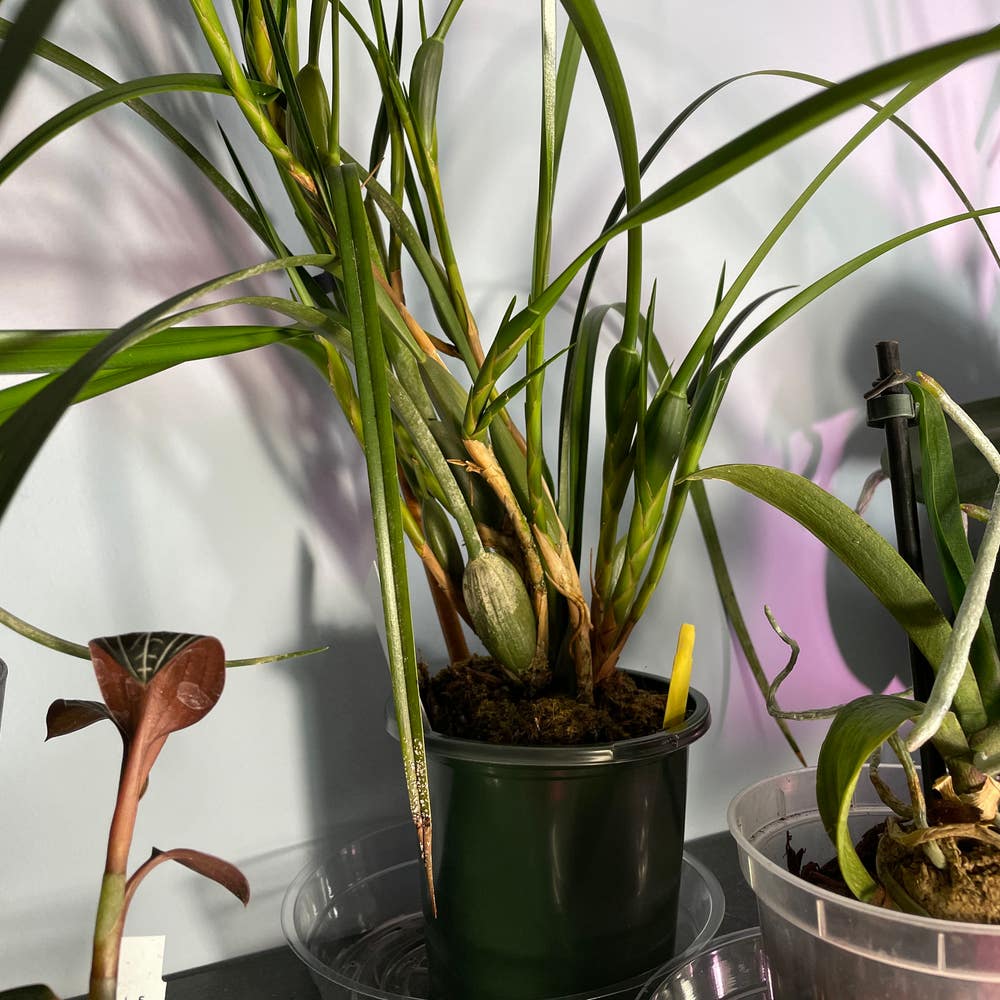
Eulophia ambongensis typically reaches a mature height of 18 to 24 inches. Its spread can extend from 12 to 18 inches, making it a lovely addition to any garden space.
Growth Rate and Time to Full Size ⏳
This plant is relatively easy to grow, taking about 2 to 3 years to reach its full size. With the right care, you’ll see it flourish in no time.
Size Variability Based on Growing Conditions 🌦️
The size of Eulophia ambongensis can vary significantly based on its growing conditions. Factors such as light, water, and nutrient availability play crucial roles in determining how large your plant will grow.
Understanding these elements can help you optimize your plant's growth and ensure it thrives in your garden.
Roots
Characteristics of the Root System 🌱
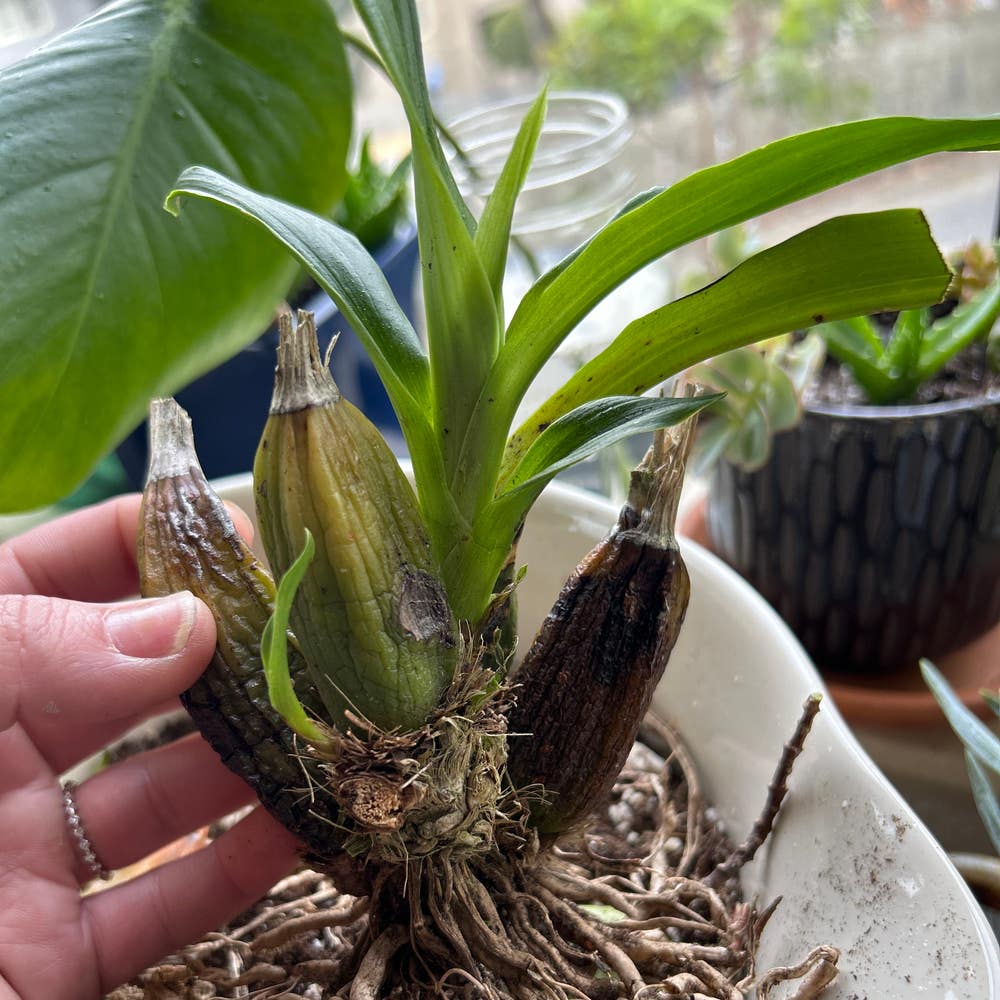
Eulophia ambongensis features a rhizomatous root system, which means it grows from underground stems called rhizomes. These roots typically extend 6-12 inches deep, allowing the plant to access nutrients and water efficiently.
Common Root-Related Issues ⚠️
One of the most common problems with Eulophia ambongensis is root rot, often caused by overwatering. Symptoms include mushy roots that can lead to the plant's decline.
Another issue is being rootbound, which occurs when the roots grow too densely within the pot. Signs of this include stunted growth and roots visibly growing out of the drainage holes.
Visual Cues for Healthy vs. Unhealthy Roots 👀
Healthy roots are characterized by their firm texture and a white or light tan color. In contrast, unhealthy roots appear dark, mushy, or may even have a foul smell, indicating a serious problem that needs addressing.
Understanding these root characteristics and issues is essential for maintaining the health of your Eulophia ambongensis. By keeping an eye on the roots, you can ensure your plant thrives and continues to bring beauty to your space.
Next, let's explore the benefits of growing this unique orchid.
Benefits
🌺 Unique Ornamental Appeal
Eulophia ambongensis boasts striking flowers that can elevate any garden's aesthetic. Its unique appearance makes it a standout choice for plant enthusiasts looking to add a touch of exotic beauty.
🐝 Attracts Pollinators
This plant is a magnet for pollinators like bees and butterflies. By incorporating Eulophia ambongensis into your garden, you can support local ecosystems and enjoy the vibrant activity of these beneficial creatures.
💊 Potential Medicinal Uses
In traditional practices, Eulophia ambongensis has been recognized for its potential medicinal properties. This adds an intriguing layer to its cultivation, as it connects gardening with historical health practices.
🌿 Enhances Garden Diversity
With its unique growth habit, this plant enhances garden diversity. It offers a different texture and form, making your outdoor space more visually interesting and ecologically balanced.
🌳 Landscaping for Shaded Areas
Eulophia ambongensis is an excellent choice for landscaping in shaded areas. Its ability to thrive in partial shade allows gardeners to make the most of less sunny spots in their yards.
🌍 Cultural Significance and Symbolism
Historically, Eulophia ambongensis holds importance in traditional medicine across Africa. It symbolizes beauty and resilience, reflecting the deep connection between nature and cultural heritage.
Incorporating this plant into your garden not only beautifies your space but also honors its rich cultural significance. As you nurture it, you participate in a legacy that celebrates both nature and tradition.
Problems
Common Problems Faced 🌱
Growing Eulophia ambongensis can be rewarding, but it comes with its challenges. Incorrect watering is a major issue; overwatering can lead to root rot, while underwatering results in wilting.
Another common problem is incorrect light conditions. Too much sunlight can scorch the leaves, whereas insufficient light can stunt the plant's growth.
Diseases also pose a threat, particularly fungal issues like powdery mildew and black rot. Leaf problems can arise as well, with scorching from excessive light and yellowing due to nutrient deficiencies.
Symptoms and Causes of Each Problem 🧐
Recognizing symptoms early can save your plant. Overwatering typically manifests as yellowing leaves and mushy roots, indicating that the roots are struggling to breathe.
On the other hand, underwatering shows up as wilting and dry leaf tips. These signs are crucial for maintaining the health of your Eulophia ambongensis.
Solutions and Preventive Measures 🛠️
To keep your plant thriving, adjust your watering schedule based on soil moisture. Always check the top inch of soil; if it feels dry, it’s time to water.
Providing appropriate light conditions is equally important. Ensure your plant receives partial shade to filtered sunlight, catering to its specific needs for optimal growth.
By staying vigilant and responsive to these common problems, you can enjoy a flourishing Eulophia ambongensis in your garden. Next, let’s explore the potential pests that may threaten your plant’s health.
Bugs
🐜 Potential Pest Issues
Eulophia ambongensis is generally resilient against pests, but it can still fall victim to a few troublesome critters. Keeping an eye out for these pests is essential to maintaining the health of your plant.
🔍 Identification and Damage Caused by Each Pest
- Spider Mites: Look for fine webbing and stippled leaves, which indicate these tiny pests are at work.
- Mealybugs: These pests leave behind cotton-like masses on leaves and stems, making them easy to spot.
- Aphids: Small green or black insects that cause leaf curling are a telltale sign of aphid infestation.
🧪 Effective Treatment Options
To combat spider mites and aphids, neem oil is a fantastic natural solution. For mealybugs, insecticidal soap effectively eliminates these pests without harming your plant.
By staying vigilant and addressing pest issues promptly, you can ensure your Eulophia ambongensis thrives beautifully. Next, let’s explore what animals might pose a threat to your plant.
What Eats
🦌 Common Animals That May Damage the Plant
Eulophia ambongensis can attract a few hungry visitors. Deer are notorious for munching on these plants, leaving behind chewed leaves and broken stems.
Rabbits also enjoy a snack, often resulting in clipped stems and missing foliage. Squirrels, on the other hand, tend to target the flowers and seed pods, causing noticeable damage.
🕵️♂️ Signs of Animal Presence and Damage Types
Identifying animal damage is crucial for maintaining your plant's health. Look for chewed edges on leaves, which indicate a nibble from a deer or rabbit.
Missing plant parts can also signal that your Eulophia ambongensis has been a target for local wildlife.
🚫 Deterrent Methods
To protect your plant, consider using chemical repellents designed for deer and rabbits. These commercial products can effectively keep these animals at bay.
Alternatively, you can opt for organic methods. Planting strong-smelling herbs around Eulophia ambongensis can deter pests naturally, creating a fragrant barrier that many animals will avoid.
With these strategies, you can safeguard your plant and enjoy its beauty without the worry of unwanted munchers.
⚠️ Safety First
This content is for general information and may contain errors, omissions, or outdated details. It is not medical, veterinary advice, or an endorsement of therapeutic claims.
Always consult a qualified healthcare professional before using any plant as food, medicine, or supplement.
Never eat any plant (or feed one to pets) without confirming its identity with at least two trusted sources.
If you suspect poisoning, call Poison Control (800) 222-1222, the Pet Poison Helpline (800) 213-6680, or your local emergency service immediately.
Spotted an error? Please report it here.
Eulophia ambongensis is a captivating orchid that flourishes in warm, humid environments, and with Greg's customized care tips 🌿 and watering reminders, you can cultivate a vibrant plant that truly shines in your garden!