What You Should Know About Eulophia amblyosepala 🌸
Eulophia amblyosepala
By the Greg Editorial Team
Feb 27, 2025•11 min read
This article was created with the help of AI so we can cover more plants for you. May contain errors. See one? Report it here.
- 🌞 Eulophia amblyosepala thrives in light from partial shade to full sun.
- 🌱 Optimal growth temperature is 20°C to 30°C with moderate humidity.
- 💧 Water when soil is dry to prevent root rot and ensure healthy growth.
How to Grow
Choosing a Location 🌞
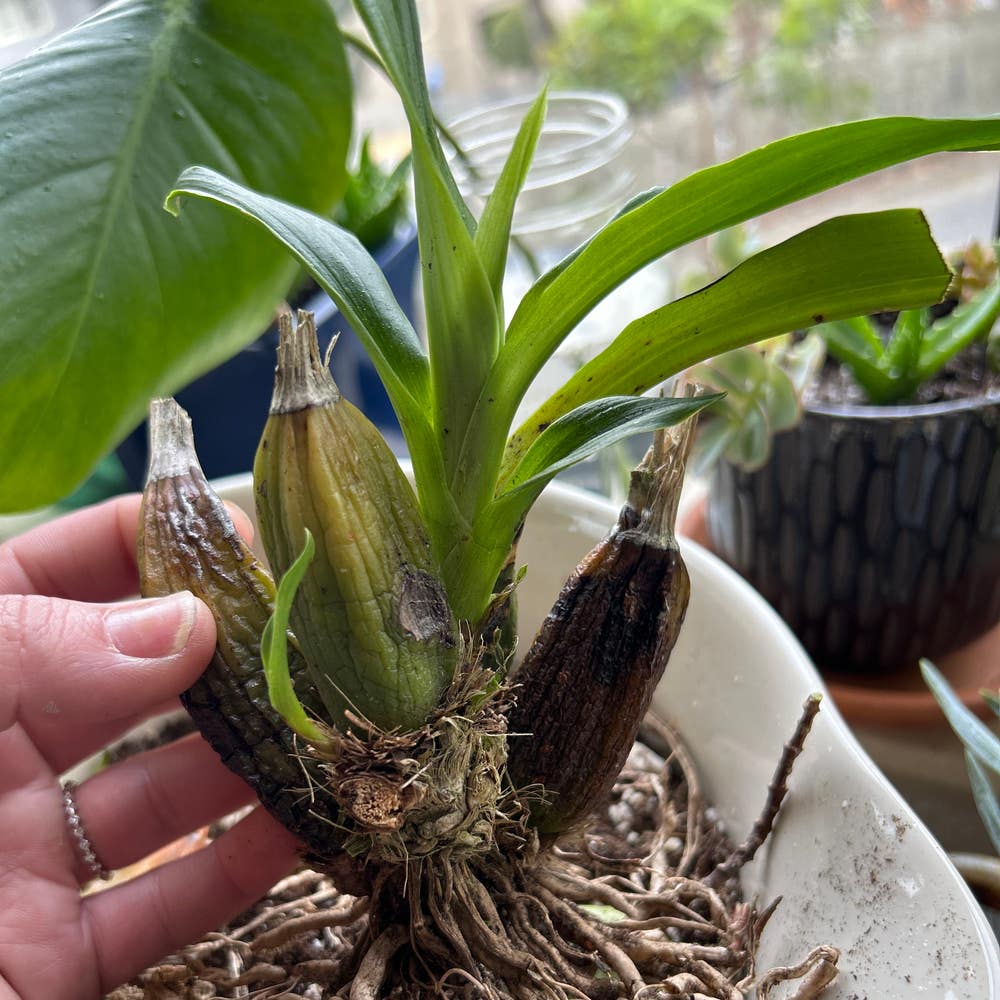
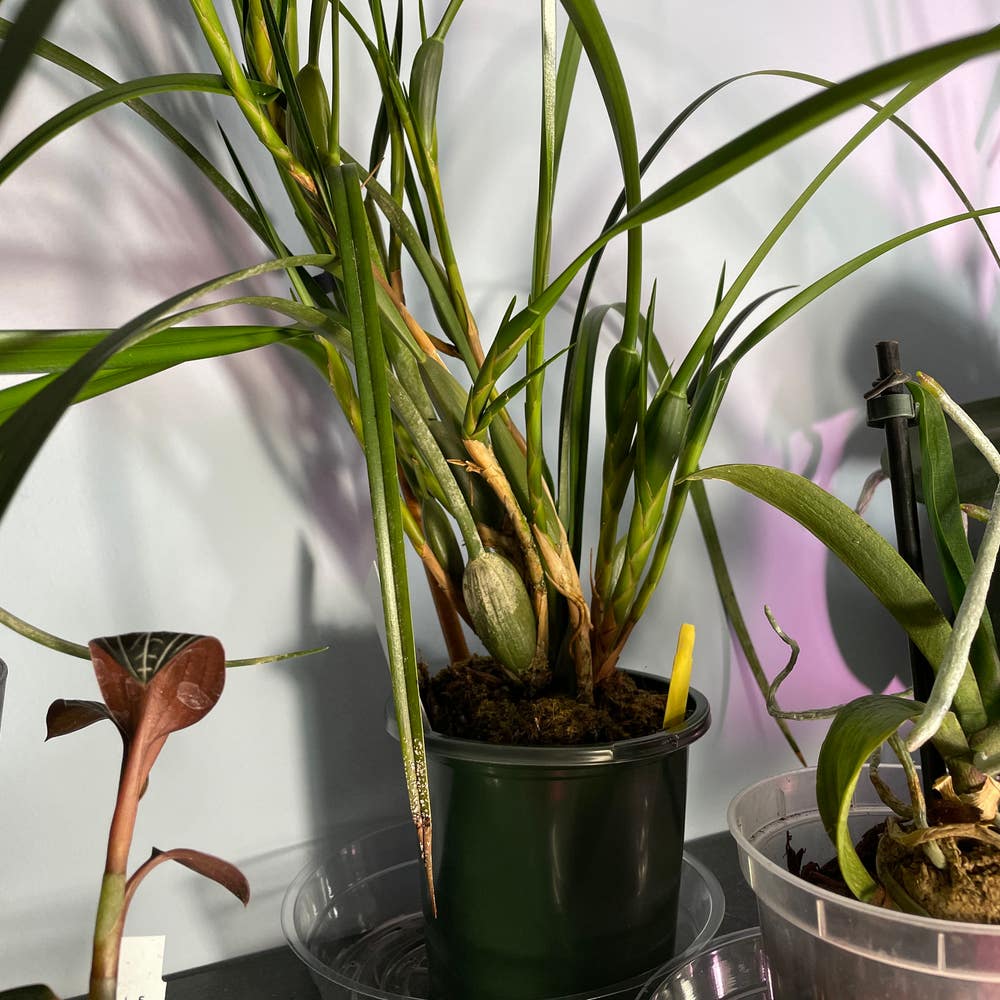
Eulophia amblyosepala thrives in a variety of light conditions, from partial shade to full sun. For optimal growth, aim for temperatures between 20°C to 30°C (68°F to 86°F) and maintain moderate humidity levels, although these plants can tolerate drier conditions thanks to their drought-resistant pseudobulbs.
Soil Preparation 🌱
To set your plant up for success, use well-draining soil enriched with organic matter. The ideal soil pH is slightly acidic to neutral, ranging from 6.0 to 7.0, and ensuring good drainage is crucial to prevent root rot.
Planting Techniques 🌿
When planting, place the pseudobulbs about 2-3 inches deep in the soil. Make sure to space your plants 12-18 inches apart to allow for healthy growth and airflow.
Watering Requirements 🚰
Water your Eulophia amblyosepala when the top inch of soil feels dry to the touch, avoiding waterlogging at all costs. Using drip irrigation or watering at the base helps keep the foliage dry and healthy.
Fertilizing Schedule 🍽️
A balanced NPK fertilizer (10-10-10) is recommended to nourish your plants. Fertilize every 4-6 weeks during the growing season to support robust growth and flowering.
Pruning and Ongoing Care ✂️
Regular maintenance is key to a thriving plant. Deadhead spent flowers to encourage new blooms, and keep an eye out for pests and diseases, adjusting your care routine as the seasons change.
With these tips, you’ll be well on your way to cultivating a healthy Eulophia amblyosepala. Next, let’s explore how to propagate this beautiful plant for even more growth opportunities.
Propagation
🌱 Methods of Propagation
Eulophia amblyosepala can be propagated through two primary methods: division and seed collection.
- Division: This method involves separating pseudobulbs during the growing season, which is moderately challenging but rewarding.
- Seed: Collecting seeds from mature flowers is another option, though it requires more patience and skill, making it a harder method.
📝 Step-by-Step Instructions for Each Method
Division
- Carefully dig up the plant: Use a spade or trowel to gently lift the plant from the soil.
- Separate the pseudobulbs: Ensure each pseudobulb has roots attached for successful replanting.
- Replant immediately: Place the separated bulbs into prepared soil to minimize stress.
Seed
- Sow seeds in a seed tray: Use well-draining soil to give the seeds the best chance of germination.
- Keep moist and warm: Maintain moisture and warmth until the seeds germinate, which can take a few weeks.
⏰ Timing and Conditions for Successful Propagation
The best time to propagate Eulophia amblyosepala is in spring or early summer. These seasons provide optimal conditions for growth, ensuring your new plants thrive.
Transitioning from propagation to the lifecycle of Eulophia amblyosepala will further enhance your understanding of this fascinating plant.
Lifecycle
Lifecycle Stages 🌱
Eulophia amblyosepala goes through several distinct stages in its lifecycle.
- Germination: Seeds sprout in 2-4 weeks when conditions are just right.
- Seedling Stage: True leaves begin to develop within 4-6 weeks.
- Vegetative Growth: The plant experiences rapid growth during the warm months.
- Flowering: Expect beautiful blooms to appear in late summer to early fall.
- Seed Production: After flowering, seeds mature, ready for the next generation.
Duration to Maturity ⏳
This orchid takes about 1-2 years to reach full maturity.
Patience is key, as the wait will reward you with a stunning display of flowers.
Growth Rate and Lifespan 📈
Eulophia amblyosepala has a moderate growth rate.
With proper care, it can live for over 5 years, making it a lasting addition to your garden.
As you nurture this plant, you'll witness its lifecycle unfold, bringing beauty and joy to your space.
Next, let's explore how to effectively propagate this resilient orchid.
Size
Mature Height and Spread 🌱
Eulophia amblyosepala typically reaches a mature height of 30-60 cm (12-24 inches) and spreads 30-45 cm (12-18 inches). This size makes it a versatile choice for various garden settings.
Growth Rate and Factors Affecting Size 📈
The growth rate of this plant is influenced by several factors, including light, water, and nutrient availability. When provided with optimal conditions, Eulophia amblyosepala can grow more quickly and achieve a larger size.
Size Variability Based on Growing Conditions 🌤️
Interestingly, the size of Eulophia amblyosepala can vary significantly based on its growing conditions. Plants exposed to full sun often grow larger compared to those that are shaded, showcasing the importance of light in their development.
As you consider adding Eulophia amblyosepala to your garden, remember that its size can be a reflection of the care and environment you provide. Next, let’s explore the fascinating root system that supports this resilient plant.
Roots
Characteristics of the Root System 🌱
Eulophia amblyosepala features a rhizomatous root system that effectively stores water and nutrients. These roots can extend 12-18 inches deep, spreading horizontally to provide stability and support for the plant.
Common Root-Related Issues ⚠️
Root rot is a common problem, often caused by overwatering. To prevent this, ensure proper drainage in your planting medium.
Another issue is becoming rootbound, which occurs when the roots fill the container. If this happens, it's time to repot the plant into a larger container to give it room to grow.
Visual Cues for Healthy vs. Unhealthy Roots 👀
Healthy roots are firm, white, and spread out, indicating a thriving plant. In contrast, unhealthy roots appear brown, mushy, or may emit a foul smell, signaling potential problems.
Tips for Managing Root Problems 🛠️
Regularly check the health of the roots during repotting to catch any issues early. Using well-draining soil is crucial to prevent root problems and promote healthy growth.
With these insights, you can ensure that your Eulophia amblyosepala thrives, setting the stage for its beautiful blooms. Next, let’s explore the numerous benefits this plant can bring to your garden.
Benefits
🌟 Top 5 Benefits of Eulophia amblyosepala
Drought Resistance
Eulophia amblyosepala is a champion when it comes to drought resistance. Its pseudobulbs store water, making it a low-maintenance choice for gardeners.Attracts Pollinators
The vibrant flowers of this plant are a magnet for pollinators. Bees and other beneficial insects flock to its blooms, enhancing your garden's ecosystem.Aesthetic Appeal
With striking flowers, Eulophia amblyosepala adds a splash of beauty to any garden. Its unique appearance can elevate the overall aesthetic of your outdoor space.Cultural Significance
In various cultures, this plant holds traditional medicinal value. Its historical uses add a layer of depth to its cultivation.Versatile Growing Options
Whether in a garden bed or a container, Eulophia amblyosepala adapts well. This versatility makes it an excellent choice for both novice and experienced gardeners.
These benefits make Eulophia amblyosepala not just a plant, but a valuable addition to your gardening journey. Ready to explore how to grow it? Let's dive into the next section!
Companion Plants
🌱 Companion Planting
Companion planting is a fantastic way to enhance garden diversity and improve pest management. By selecting the right partners for your Eulophia amblyosepala, you can create a thriving ecosystem that benefits all plants involved.
🌼 Compatible Companion Plants
Consider these compatible companions for your Eulophia amblyosepala:
- Ornamental grasses: They share similar light and water needs, making them ideal partners.
- Marigolds: Known for their pest-repellent properties, marigolds can help keep harmful insects at bay.
- Herbs (e.g., basil, thyme): These herbs not only attract beneficial insects but also add culinary value to your garden.
🚫 Plants to Avoid
While many plants can thrive alongside Eulophia amblyosepala, it's wise to avoid heavy feeders. These plants may compete for nutrients, potentially stunting the growth of your orchids.
By carefully selecting companion plants, you can create a harmonious garden that supports the health and beauty of your Eulophia amblyosepala. This thoughtful approach not only enhances your garden's aesthetic but also promotes a balanced ecosystem.
Next, let’s explore the potential toxicity of Eulophia amblyosepala to humans and pets, ensuring a safe gardening experience.
Toxicity to Humans
🛡️ Safety for Humans
Eulophia amblyosepala is not listed as toxic by major poison control centers, making it a safe choice for most gardens. You can handle and even ingest small amounts without worry, but be cautious—excessive consumption may lead to mild skin irritation or digestive discomfort.
Always exercise caution with any plant. If you experience unusual symptoms after contact or consumption, seek medical advice promptly.
Toxicity to Dogs
Safety for Dogs 🐶
Eulophia amblyosepala is generally considered safe for dogs, as it is not listed as toxic by major pet poison control centers. However, if ingested in large quantities, it may cause mild gastrointestinal upset.
Monitoring and Precautions 👀
To ensure your furry friend stays safe, place the plant out of reach and keep an eye on their behavior around it. While the plant is deemed safe, it's wise to discourage dogs from munching on any non-food plant material.
Conclusion 📝
With proper precautions, you can enjoy the beauty of Eulophia amblyosepala in your garden without worrying about your dog's health. Next, let’s explore how this plant interacts with our feline friends.
Toxicity to Cats
Safety for Cats 🐱
Eulophia amblyosepala is not listed as toxic to cats by major pet poison control centers. This means your feline friends can safely coexist with this plant in your home or garden.
However, if large quantities are ingested, mild gastrointestinal upset may occur. It's wise to position the plant in a safe area where your cat can't easily access it.
Observing Cat Interactions 👀
Keep an eye on how your cat interacts with the plant. While it's generally safe, it's best to discourage them from munching on any non-food plant material.
By being proactive, you can enjoy the beauty of Eulophia amblyosepala while ensuring your cat stays healthy and happy. This plant can be a lovely addition to your space without posing a significant risk to your furry companions.
Problems
Common Problems 🌱
1. Incorrect Watering
Watering issues are a common challenge for Eulophia amblyosepala. If you notice wilting or yellowing leaves, it’s a sign that your watering routine may need adjustment.
2. Incorrect Light Conditions
Light conditions can greatly affect plant health. Leggy growth or scorched leaves indicate that your plant isn't receiving the right amount of light; consider relocating it to a more suitable spot.
3. Incorrect Temperature
Temperature fluctuations can stunt growth or cause leaf drop. To keep your Eulophia thriving, maintain temperatures within the ideal range of 20°C to 30°C (68°F to 86°F).
4. Diseases
Diseases like powdery mildew can also pose a threat. Look for white powdery spots on leaves, and if you spot them, improve air circulation and apply a fungicide to combat the issue.
5. Leaf Issues
Yellowing leaves can signal nutrient deficiencies. If you encounter this problem, fertilize your plant with a balanced fertilizer to restore its health.
Quick Tips for Troubleshooting 🛠️
- Watering: Check soil moisture regularly.
- Light: Observe plant growth and adjust location as needed.
- Temperature: Use a thermometer to monitor conditions.
- Diseases: Keep an eye out for unusual spots or growth patterns.
- Nutrients: Regularly fertilize during the growing season.
By staying vigilant and addressing these common problems, you can ensure your Eulophia amblyosepala remains healthy and vibrant. Next, let’s explore the fascinating world of pests that might affect your plant.
Bugs
🐜 Potential Pest Issues
Eulophia amblyosepala is generally pest-resistant, making it a robust choice for gardeners. However, it can still fall victim to a few pesky intruders.
🔍 Identification and Damage
- Spider mites: Look for fine webbing and stippled leaves, which indicate these tiny pests are at work.
- Mealybugs: These critters leave behind cotton-like masses on leaves and stems, making them easy to spot.
- Aphids: If you notice sticky residue and curled leaves, aphids might be the culprits.
🧪 Treatment Options
To tackle these pests, consider using insecticidal soap or neem oil, both effective treatments.
Encouraging beneficial insects like ladybugs can also help keep pest populations in check naturally.
By staying vigilant and proactive, you can maintain the health of your Eulophia amblyosepala and enjoy its beauty without the worry of pest damage.
What Eats Eulophia amblyosepala
🦌 Common Animals
Eulophia amblyosepala can attract a few hungry visitors. Deer, rabbits, and squirrels are known to nibble on this plant, potentially causing damage to its foliage.
👀 Signs of Damage
Keep an eye out for signs of animal activity. Chewed leaves and broken stems are clear indicators that your plant has been a target for these critters.
🚫 Deterrent Methods
To protect your Eulophia amblyosepala, consider a few effective deterrent methods.
- Fencing: Erecting a fence can keep larger animals like deer at bay.
- Repellents: Using natural repellents can discourage rabbits and squirrels from feasting on your plants.
- Companion Planting: Planting deterrent species nearby can create a barrier that discourages feeding.
By implementing these strategies, you can help ensure your Eulophia amblyosepala thrives without unwanted nibblers. Now that you know how to protect your plant, let's explore some common problems that may arise during its growth.
⚠️ Safety First
This content is for general information and may contain errors, omissions, or outdated details. It is not medical, veterinary advice, or an endorsement of therapeutic claims.
Always consult a qualified healthcare professional before using any plant as food, medicine, or supplement.
Never eat any plant (or feed one to pets) without confirming its identity with at least two trusted sources.
If you suspect poisoning, call Poison Control (800) 222-1222, the Pet Poison Helpline (800) 213-6680, or your local emergency service immediately.
Spotted an error? Please report it here.
With the right care, Eulophia amblyosepala can flourish 🌼 in your home, and Greg's personalized reminders will help you master its unique needs for a vibrant and thriving plant!