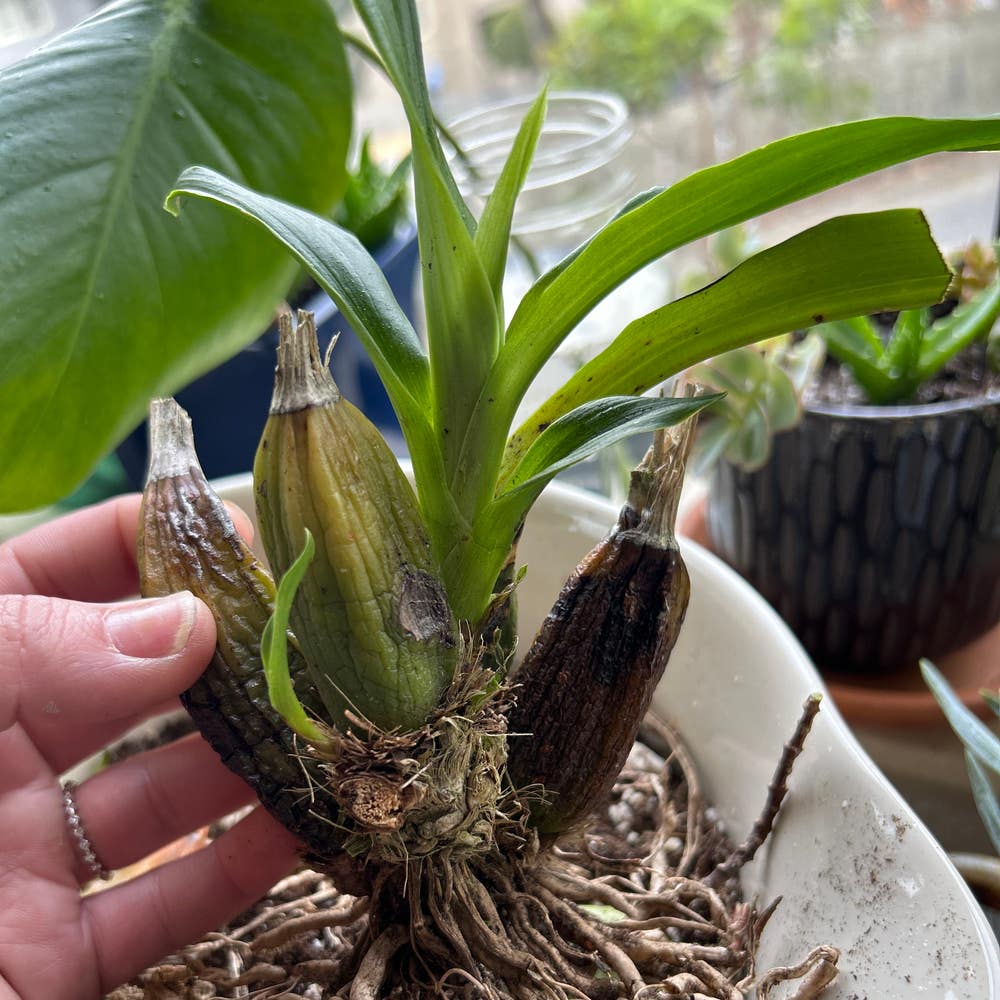
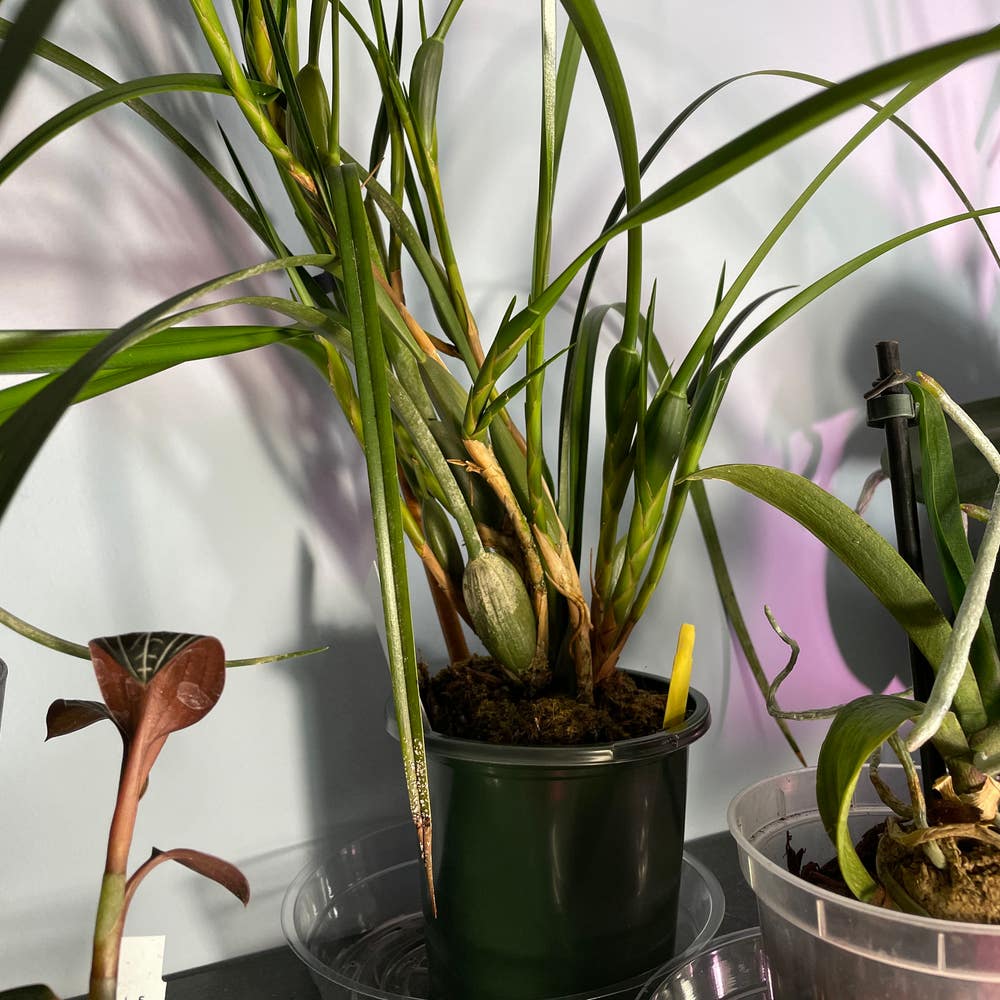
Eulophia alismatophylla Explained: Key Information
Eulophia alismatophylla
By the Greg Editorial Team
Feb 27, 2025•10 min read
This article was created with the help of AI so we can cover more plants for you. May contain errors. See one? Report it here.
Elevate your garden's beauty and biodiversity with Eulophia alismatophylla, a resilient plant that attracts pollinators! 🌼🌱
- 🌡️ Eulophia alismatophylla thrives in warm climates between 20°C to 30°C (68°F to 86°F).
- 🌞 Optimal growth requires partial shade and well-draining, organic-rich soil with pH 6.0-7.0.
- 🌱 Regular care and monitoring prevent issues, ensuring a healthy, vibrant plant.
How to Grow
Choosing a Location 🌞
Eulophia alismatophylla thrives in partial shade to filtered sunlight. For optimal growth, aim for warm, tropical climates with temperatures between 20°C to 30°C (68°F to 86°F).
Soil Preparation 🌱
This plant prefers moist, well-draining soil rich in organic matter. The ideal pH level is slightly acidic to neutral, ranging from 6.0 to 7.0.
Planting Techniques 🌿
When planting, ensure the depth is about 2-3 inches. Space the plants 12-18 inches apart to allow for optimal growth and airflow.
Watering Requirements 💧
Keep the soil consistently moist but avoid waterlogging. During dormancy, reduce watering to prevent root rot.
Fertilizing Schedule 🌼
Use a balanced orchid fertilizer with an NPK ratio of 20-20-20. Fertilize every 4-6 weeks during the growing season for best results.
Pruning Methods ✂️
Prune after flowering to encourage new growth. Focus on removing dead or yellowing leaves and spent flower spikes to keep the plant healthy.
Ongoing Care Tips 🪴
For container care, ensure adequate drainage and monitor moisture levels closely. If growing outdoors, apply mulch to retain moisture and suppress weeds.
With these guidelines, you’re well on your way to cultivating a thriving Eulophia alismatophylla. Next, let’s explore how to propagate this beautiful plant!
Propagation
🌱 Seed Propagation Steps
Seed propagation is a rewarding way to grow Eulophia alismatophylla. Start by collecting seeds from mature pods after flowering.
Next, prepare a sterile medium, such as sphagnum moss. Sow the seeds on the surface and mist them lightly to ensure moisture.
Maintain humidity until germination, which typically takes 2-4 weeks. This careful attention will set the stage for healthy seedlings.
✂️ Division Propagation Steps
Division is another effective method for propagating this plant. Begin by identifying healthy, mature rhizomes.
Carefully dig up the plant and separate the rhizomes, ensuring each piece has roots. Replant immediately in suitable soil to promote quick recovery.
💡 Tips for Successful Propagation
To enhance your propagation success, always use sterile tools to prevent disease.
Additionally, monitor moisture levels closely during germination to avoid drying out or over-saturating the seeds.
With these strategies, you'll be well on your way to cultivating new plants.
Lifecycle
🌱 Lifecycle Stages
Eulophia alismatophylla is a perennial plant that undergoes a fascinating multi-stage lifecycle. Each stage plays a crucial role in its development and overall health.
🌱 Germination Process
The germination process typically takes 2-4 weeks under optimal conditions. This initial phase is vital for establishing a strong foundation for the plant.
🌱 Seedling Stage Characteristics
During the seedling stage, Eulophia alismatophylla develops broad leaves and begins to establish its root system. This is an exciting time as the plant starts to show its potential.
🌱 Vegetative Growth Phase
The vegetative growth phase lasts about 6-12 months until the plant reaches maturity. During this time, it focuses on growing leaves and strengthening its roots.
🌸 Flowering Period
The flowering period occurs in late summer to early fall. This is when the plant showcases its beautiful blooms, attracting pollinators and adding vibrancy to your garden.
🌱 Seed Production Details
After successful pollination, seed pods develop, ensuring the continuation of the species. This stage is essential for propagation and expanding your garden.
⏳ Lifespan and Growth Timeline
Eulophia alismatophylla has an overall lifespan of 5-10 years in optimal conditions. It takes approximately 2 years to reach full maturity, making it a rewarding addition to any garden.
⚡ Growth Rate
The plant exhibits a moderate growth rate, with optimal conditions enhancing its speed. Proper care can significantly impact how quickly it flourishes.
Understanding the lifecycle of Eulophia alismatophylla not only enriches your gardening experience but also helps you provide the best care possible. Next, we’ll explore the size of this stunning plant and what to expect as it grows.
Size
Mature Height and Spread 🌱
Eulophia alismatophylla typically reaches a mature height of 30-60 cm (12-24 inches) and spreads out to about 30-45 cm (12-18 inches). This compact size makes it an excellent choice for various garden settings.
Growth Rate Specifics 📈
Under ideal conditions, expect an average growth rate of 15-30 cm (6-12 inches) per year. This moderate pace allows for steady development without overwhelming the gardener.
Factors Affecting Size Variability 🌍
Several environmental factors can influence the size of your Eulophia alismatophylla. Key elements include light availability, water supply, and soil quality, all of which play a crucial role in its growth.
Time to Reach Full Size ⏳
In optimal conditions, this plant will take approximately 2 years to reach its full size. Patience is key, as the wait will reward you with a vibrant addition to your garden.
As you cultivate your Eulophia alismatophylla, keep these size factors in mind to ensure it thrives beautifully. Next, let’s explore the fascinating lifecycle of this resilient plant.
Roots
🌱 Root System Type and Characteristics
Eulophia alismatophylla features a rhizomatous root system, which allows it to spread effectively. This type of root structure is essential for the plant's stability and nutrient absorption.
📏 Root Depth and Spread
The roots typically grow to a depth of 15-30 cm (6-12 inches). They can extend horizontally up to 60 cm (24 inches), providing a robust foundation for the plant.
📈 Growth Patterns of Roots
These roots exhibit both horizontal and vertical growth patterns. This dual approach helps establish a strong network that supports the plant's overall health.
⚠️ Common Root-Related Issues
One of the most common issues is root rot, often caused by overwatering. Symptoms include mushy roots that can lead to plant decline if not addressed promptly.
👀 Identifying Healthy vs. Unhealthy Roots
Healthy roots are firm and exhibit a white or light tan color. In contrast, unhealthy roots appear dark, mushy, or may emit a foul smell, indicating a problem.
🔄 Recognizing Rootbound Conditions and Solutions
Signs of a rootbound plant include roots growing out of drainage holes. To remedy this, consider repotting into a larger container or dividing the plant to promote healthy growth.
Understanding the root system of Eulophia alismatophylla is crucial for its care and maintenance. With proper attention, you can ensure your plant thrives and flourishes.
Benefits
🌺 Top 5 Benefits of Growing Eulophia alismatophylla
1. Aesthetic Appeal
Eulophia alismatophylla boasts striking flowers that can elevate the beauty of any garden. Their vibrant colors and unique shapes make them a focal point in landscaping.
2. Resilience
This plant is remarkably adaptable, thriving in various conditions. Its resilience makes it an easy choice for both novice and experienced gardeners.
3. Biodiversity
Growing Eulophia alismatophylla contributes to garden diversity. This enhances the overall health of your ecosystem, supporting a variety of wildlife.
4. Pollinator Attraction
The flowers of Eulophia alismatophylla are known to attract beneficial pollinators. This not only aids in the plant's reproduction but also supports local bee and butterfly populations.
5. Cultural Significance
In many cultures, Eulophia alismatophylla holds traditional value. It is often featured in local folklore and practices, enriching the cultural tapestry of the regions where it grows.
These benefits make Eulophia alismatophylla a worthwhile addition to any garden. Whether you're looking for beauty, resilience, or ecological impact, this plant delivers on all fronts.
As you consider the advantages of growing this remarkable plant, let's explore how to propagate it effectively.
Companion Plants
🌱 Concept of Companion Planting
Companion planting is a gardening strategy that promotes plant growth and pest management through beneficial relationships. By pairing plants that support each other, you can create a thriving garden ecosystem.
🌼 Best Companion Plants
When growing Eulophia alismatophylla, consider companions like ferns, hostas, and other shade-loving plants. These plants not only share similar care requirements but also enhance the overall aesthetic of your garden.
🤝 Reasons for Compatibility
The compatibility of these companions lies in their shared needs for moisture and shade. Additionally, some of these plants can naturally deter pests, creating a healthier environment for Eulophia alismatophylla.
🚫 Plants to Avoid
Be cautious of heavy feeders, such as tomatoes, which compete for nutrients. These plants can hinder the growth of your Eulophia alismatophylla by depleting the soil of essential resources.
Incorporating the right companion plants can significantly enhance your gardening experience. Next, let’s explore common problems you might face while growing this beautiful orchid.
Problems
Common Problems Faced 🌱
1. Incorrect Watering
Watering issues are among the most common problems for Eulophia alismatophylla. Overwatering leads to yellowing leaves, while underwatering results in wilting.
To address this, adjust your watering schedule and ensure proper drainage. This will help maintain the right moisture balance.
2. Incorrect Light Conditions
Light conditions can significantly impact plant health. Symptoms of incorrect lighting include leaf scorch from too much direct sunlight or leggy growth from insufficient light.
To remedy this, relocate your plant to a spot with filtered light. This adjustment can make a world of difference.
3. Incorrect Temperature
Temperature fluctuations can stunt growth or cause leaf drop. Cold drafts or extreme heat are often the culprits behind these issues.
Maintaining stable temperatures within the ideal range of 20°C to 30°C (68°F to 86°F) is crucial for your plant's well-being. A consistent environment promotes healthy growth.
4. Diseases
Eulophia alismatophylla can fall victim to diseases like powdery mildew, rust, and root rot. Look for signs such as fungal growth on leaves or mushy roots.
Improving air circulation and avoiding overwatering can help prevent these diseases. Regular monitoring is key to catching issues early.
5. Leaf Issues
Leaf problems can manifest as scorching, yellowing, or fuzzy growth. These symptoms often indicate nutrient deficiencies or pest infestations.
To combat this, fertilize appropriately and inspect your plant for pests. A proactive approach will keep your plant thriving.
Conclusion 🌼
By understanding these common problems and their solutions, you can ensure your Eulophia alismatophylla remains healthy and vibrant. Next, let’s explore potential pest issues that could affect your plant.
Bugs
🐛 Potential Pest Issues
Eulophia alismatophylla is generally a tough plant, but it can still face challenges from certain pests. While it's moderately pest-resistant, vigilance is key to keeping your plant healthy.
🔍 Identification of Pests
Identifying pests early can save your plant from serious damage. Here are the common culprits:
- Spider Mites: Look for fine webbing and stippled leaves.
- Scale Insects: These appear as hard, shell-like bumps on stems.
- Mealybugs: Recognizable by their white, cottony masses on leaves.
⚠️ Damage Caused by Pests
Pests can wreak havoc on your Eulophia alismatophylla. Common signs of damage include stunted growth, leaf drop, and reduced flowering, which can be disheartening for any gardener.
🛠️ Effective Treatment Options
Fortunately, there are effective ways to combat these pests. Consider these treatment methods:
- Neem Oil: A natural pesticide that disrupts pest life cycles.
- Insecticidal Soap: Targets soft-bodied insects effectively.
- Beneficial Insects: Introducing predators like ladybugs can help keep pest populations in check.
By staying proactive and using these strategies, you can protect your Eulophia alismatophylla and enjoy its beauty for years to come. Next, let's explore what animals might be interested in snacking on your plant.
What Eats
Common Animals That May Damage 🦌
Eulophia alismatophylla can attract a variety of hungry critters. Common visitors include deer, rabbits, squirrels, and rodents, all of which may find the plant's foliage appealing.
Signs of Animal Presence 🐾
Keep an eye out for telltale signs of animal activity. Chewed leaves, droppings, and tracks near your plant can indicate that these animals are munching on your Eulophia.
Types of Damage Caused ⚠️
The damage inflicted by these animals can be significant. Expect to see leaf stripping and root disturbance, which can hinder the plant's growth and overall health.
Deterrent Methods 🚫
To protect your plant, consider various deterrent methods. Chemical repellents can be effective, but you might also explore organic options like planting deterrent herbs or using physical barriers to keep these pests at bay.
By being proactive about potential threats, you can help ensure your Eulophia thrives in your garden. Next, let’s explore common problems that can arise while caring for this beautiful plant.
⚠️ Safety First
This content is for general information and may contain errors, omissions, or outdated details. It is not medical, veterinary advice, or an endorsement of therapeutic claims.
Always consult a qualified healthcare professional before using any plant as food, medicine, or supplement.
Never eat any plant (or feed one to pets) without confirming its identity with at least two trusted sources.
If you suspect poisoning, call Poison Control (800) 222-1222, the Pet Poison Helpline (800) 213-6680, or your local emergency service immediately.
Spotted an error? Please report it here.
Ensure your Eulophia alismatophylla thrives beautifully 🌱 with Greg's personalized watering reminders and tailored care tips that keep your plant happy and healthy!