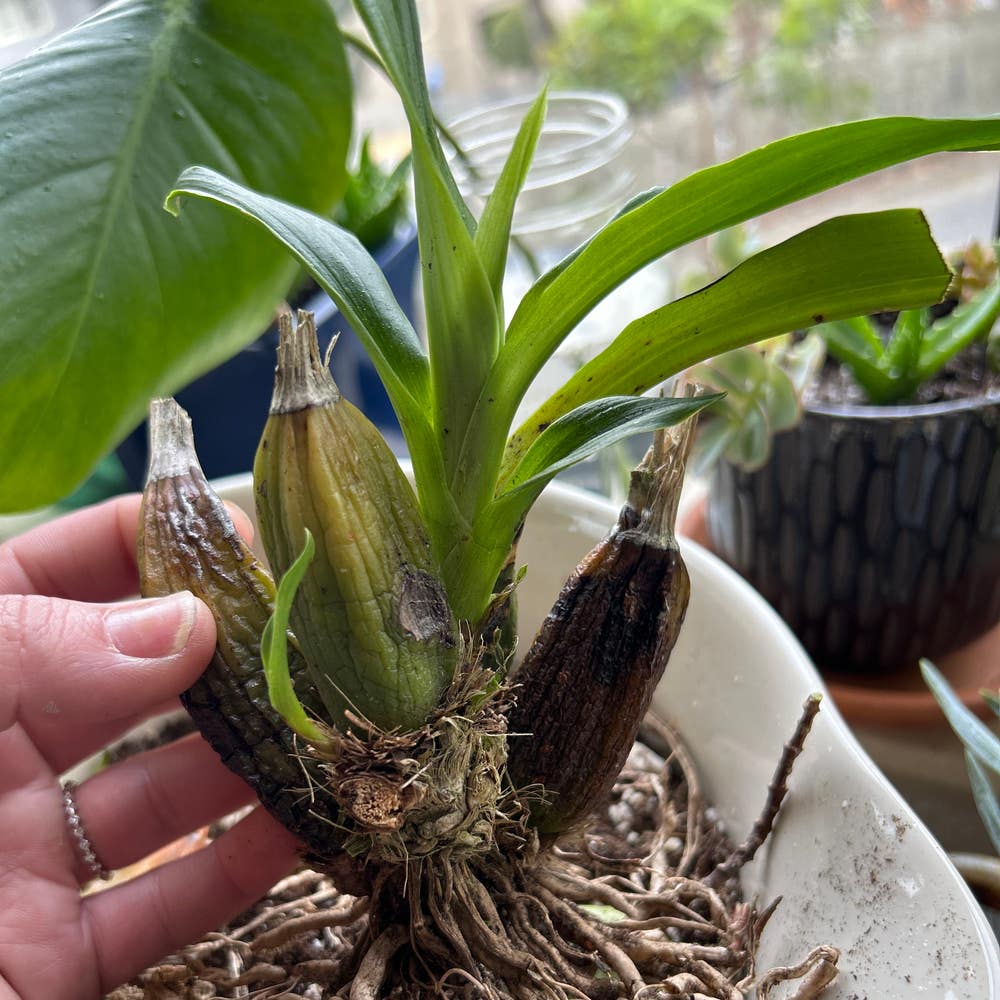
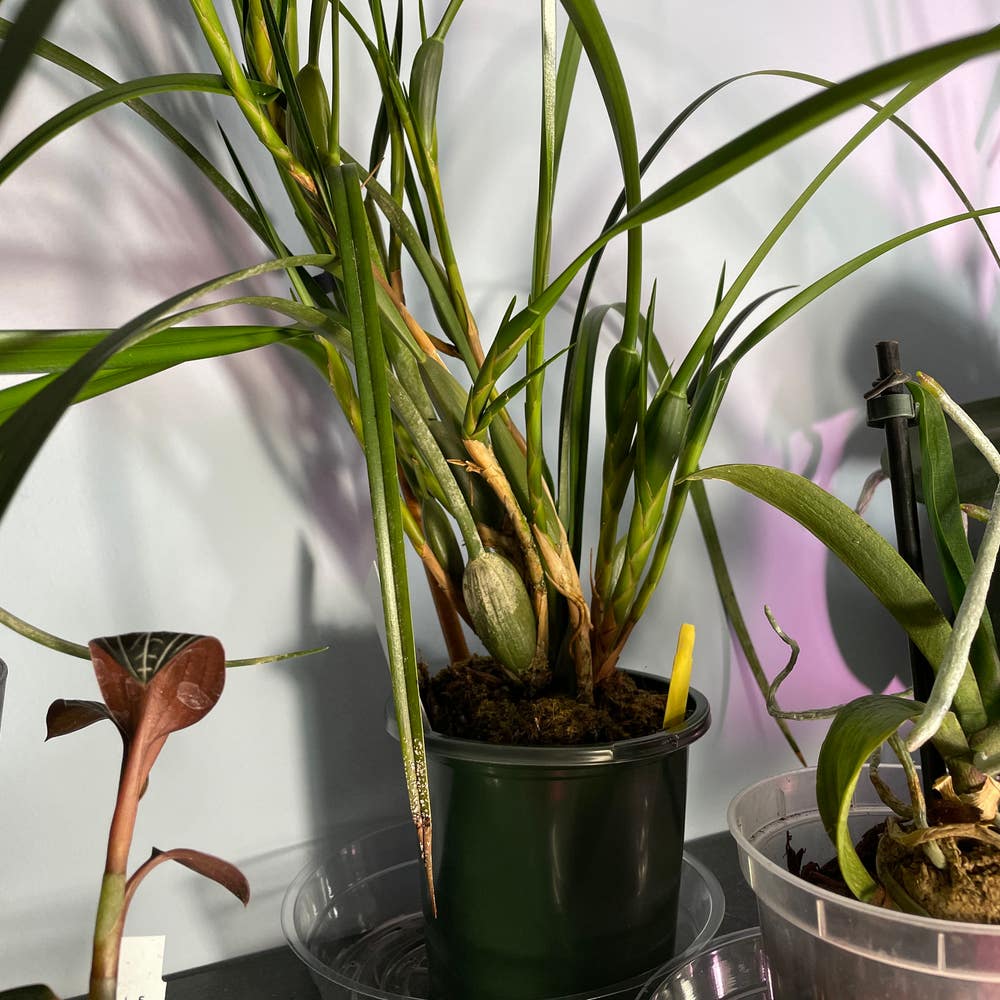
🌸 Overview of Eulophia albobrunnea
Eulophia albobrunnea
By the Greg Editorial Team
Feb 27, 2025•10 min read
This article was created with the help of AI so we can cover more plants for you. May contain errors. See one? Report it here.
- 🌱 Eulophia albobrunnea thrives in warm, humid environments with partial shade.
- 💧 Keep soil moist but avoid waterlogging to prevent root rot.
- 🌼 Fertilize every 4-6 weeks during growth for optimal health and beauty.
How to Grow
Choosing a Location 🌞
Eulophia albobrunnea thrives in warm, humid environments, making it essential to select a suitable spot. Aim for partial shade or filtered sunlight to ensure your plant receives the right amount of light without scorching its leaves.
Soil Preparation 🌱
For optimal growth, use well-draining soil rich in organic matter. The ideal pH level ranges from slightly acidic to neutral, specifically between 6.0 and 7.0.
Planting Techniques 🌿
When planting, dig a hole that is 2-3 inches deep to accommodate the rhizomes. Space your plants 12-18 inches apart to allow for healthy growth and airflow.
Watering Requirements 💧
Keep the soil consistently moist, but avoid waterlogging, which can lead to root rot. During the plant's dormancy period, reduce watering to prevent excess moisture.
Fertilizing Schedule 🌼
Utilize a balanced orchid fertilizer, such as a 20-20-20 mix, to nourish your Eulophia albobrunnea. Fertilize every 4-6 weeks during the growing season to support robust growth.
Pruning Methods ✂️
Prune your plant after flowering to encourage new growth. Focus on removing spent flower spikes and any dead leaves to maintain its health and appearance.
Ongoing Care Tips 🌡️
Maintain humidity levels between 50-70% to create a comfortable environment for your plant. The ideal temperature range is between 20°C to 30°C (68°F to 86°F), ensuring your Eulophia albobrunnea stays happy and healthy.
With these guidelines, you can cultivate a thriving Eulophia albobrunnea that will add beauty and vibrancy to your garden. Next, let’s explore the fascinating world of propagation techniques for this unique orchid.
Propagation
🌱 Seed Propagation
To propagate Eulophia albobrunnea from seeds, start by preparing a sterile medium for sowing. This ensures a clean environment, promoting healthy germination, which typically takes about 4-6 weeks under optimal conditions.
✂️ Division Propagation
Division propagation is best performed in spring or early summer when the plant is actively growing. Carefully separate the rhizomes and replant them to encourage new growth and maintain the health of your orchid.
With these methods, you can easily expand your collection or share this beautiful plant with friends.
Lifecycle
Lifecycle Stages 🌱
Eulophia albobrunnea undergoes several distinct stages throughout its lifecycle. These include germination, seedling development, vegetative growth, flowering, and seed production.
Germination Process 🌡️
For optimal germination, warm temperatures and consistent moisture are essential. This environment encourages the seeds to sprout and begin their journey.
Seedling Development 🌿
Once germinated, seedlings take about 3-4 months to establish themselves. During this period, they develop a robust root system and begin to grow leaves.
Flowering and Seed Production 🌸
Flowering typically occurs in late spring to early summer, showcasing the plant's stunning blooms. After flowering, Eulophia albobrunnea produces seeds, continuing its lifecycle.
Lifespan and Growth Timeline ⏳
This orchid has an overall lifespan of 5-10 years, with a time to maturity of approximately 2-3 years. Its growth rate is moderate, making it a manageable addition to your garden.
Understanding the lifecycle of Eulophia albobrunnea not only enhances your gardening experience but also helps you anticipate its needs at each stage. Next, we will explore how to effectively propagate this beautiful plant.
Size
Mature Height and Spread 🌱
Eulophia albobrunnea typically reaches a mature height of 30-60 cm (12-24 inches) and spreads about 30-45 cm (12-18 inches). This size makes it a versatile choice for various garden settings.
Growth Rate and Size Variability 📈
The growth rate of Eulophia albobrunnea is moderate, heavily influenced by the care it receives. Factors such as soil quality and humidity can lead to noticeable size variability.
Impact of Growing Conditions on Size 🌤️
Several growing conditions play a crucial role in determining the size of this plant. Light, water, and nutrient availability are key factors that can either promote robust growth or hinder its development.
Transitioning to the next section, understanding the roots of Eulophia albobrunnea will further enhance your gardening knowledge and care techniques.
Roots
Root System Characteristics 🌱
Eulophia albobrunnea features a fibrous root system, which is essential for its stability and nutrient absorption. While the roots are typically shallow, they spread extensively, allowing the plant to access moisture and nutrients efficiently.
Common Root-Related Issues ⚠️
One of the most common problems is root rot, often caused by overwatering. Symptoms include mushy roots that can lead to plant decline if not addressed promptly.
Identifying healthy roots is crucial for maintaining plant health. Healthy roots are firm and white, indicating that the plant is thriving.
Recognizing Rootbound Plants 🔄
Rootbound plants exhibit specific signs that indicate they need attention. Look for roots growing out of drainage holes or circling the pot, which suggests they have outgrown their current container.
To remedy this situation, repotting into a larger container is the best solution. This allows the roots to spread out and promotes healthier growth.
Understanding these root characteristics and issues can significantly enhance your care for Eulophia albobrunnea, ensuring it remains vibrant and healthy. Next, we will explore the benefits of this beautiful plant and why it deserves a spot in your garden.
Benefits
Top 5 Benefits 🌼
Eulophia albobrunnea offers a range of advantages for gardeners and plant enthusiasts alike.
- Attractive flowers enhance garden aesthetics, adding vibrant colors and unique shapes to your landscape.
- It attracts pollinators, contributing to ecosystem health by supporting bees and butterflies.
- Once established, this plant is low maintenance, making it a great choice for busy gardeners.
- It serves as a unique addition to orchid collections, standing out with its distinctive appearance.
- The plant holds cultural significance in traditional medicine, showcasing its historical value.
Cultural Significance 🌍
Beyond its beauty, Eulophia albobrunnea symbolizes beauty and resilience in various cultures.
This connection to cultural heritage adds depth to its presence in gardens, making it not just a plant, but a conversation starter and a piece of living history.
Incorporating this orchid into your garden can enrich your space, both visually and culturally.
As you enjoy its blooms, you also embrace the stories and traditions that come with it.
Next, let’s explore how to propagate this remarkable plant and expand your collection!
Companion Plants
🌱 Concept of Companion Planting
Companion planting is all about creating a harmonious garden ecosystem. By pairing plants that benefit each other, you can enhance garden diversity and improve pest management.
🌼 Best Companion Plants
When growing Eulophia albobrunnea, consider these suitable companions:
- Ferns: They thrive in similar conditions and add lush greenery.
- Shade-tolerant flowers: These can provide color without competing for light.
- Other orchids: They share similar care requirements and can create a stunning display.
🚫 Plants to Avoid
Be cautious with heavy feeders. These plants can compete for nutrients, potentially stunting the growth of your Eulophia albobrunnea.
Companion planting not only boosts your garden's health but also adds visual interest. As you plan your garden, think about how these relationships can create a thriving environment. Next, let’s explore the toxicity of Eulophia albobrunnea to humans, dogs, and cats.
Toxicity to Humans
Eulophia albobrunnea is generally considered safe, as it is not listed as toxic by major poison control centers. However, minor issues can arise from contact or ingestion, such as mild skin irritation or digestive discomfort if consumed in large quantities.
If you experience any unusual symptoms after contact or ingestion, it's always wise to seek medical advice. Being informed about the plants in your environment can help you enjoy your gardening experience with peace of mind.
As you explore the beauty of Eulophia albobrunnea, remember that knowledge is key to ensuring a safe and enjoyable interaction with your plants.
Toxicity to Dogs
Eulophia albobrunnea is considered safe for dogs, as it is not listed as toxic by veterinary organizations.
However, if your furry friend consumes too much of the plant, they may experience mild gastrointestinal upset.
🐶 Monitoring Your Dog
To ensure your dog's safety, keep the plant out of reach and observe their behavior around it.
If you notice any unusual symptoms after contact or ingestion, it's always best to consult your veterinarian for advice.
This way, you can enjoy your beautiful Eulophia albobrunnea without worrying about your pet's health.
As we move forward, let’s explore how this plant interacts with our feline friends.
Toxicity to Cats
Eulophia albobrunnea is considered safe for cats, as it is not listed as toxic by major pet poison control centers.
However, if your feline friend decides to nibble on this plant, there could be minor issues like mild gastrointestinal upset.
👀 Monitoring Behavior
It's wise to keep an eye on your cat's behavior around the plant.
If you notice any unusual symptoms after contact or ingestion, it's best to consult a veterinarian for advice.
🐾 Encouraging Safe Practices
To prevent any potential issues, discourage your cat from munching on the plant.
Creating a designated space for your Eulophia albobrunnea can help keep both your plant and pet safe.
With a little care, you can enjoy the beauty of this orchid without worrying about your furry companion!
Problems
🌱 Common Problems with Eulophia albobrunnea
Growing Eulophia albobrunnea can be rewarding, but it’s not without its challenges. Here are some common problems you might encounter.
🚰 Incorrect Watering
One of the most frequent issues is incorrect watering. Symptoms include wilting or yellowing leaves, signaling that your plant may be thirsty or overwatered.
☀️ Incorrect Light Conditions
Light conditions also play a crucial role in the health of your plant. Signs of incorrect light include leaf scorch from too much sun or leggy growth if it’s not getting enough light.
🦠 Diseases
Fungal diseases can be a concern, particularly powdery mildew. To prevent this, ensure good airflow around your plants.
🌿 Root Problems
Root rot is another common issue, often caused by overwatering. Improving drainage can help mitigate this problem and keep your roots healthy.
🍃 Leaf Issues
Yellowing or fuzzy growth on leaves can indicate various problems. These may stem from pests or nutrient deficiencies, so regular monitoring is essential.
By staying vigilant and addressing these issues promptly, you can keep your Eulophia albobrunnea thriving. Next, let’s explore the potential pest problems that can affect your plant.
Bugs
Potential Pest Issues 🐜
Eulophia albobrunnea can attract a few pesky bugs that may hinder its growth.
Spider mites are a common issue; look for webbing and stippled leaves as telltale signs of their presence.
Scale insects can also be problematic, identifiable by their hard, shell-like appearance on stems.
Lastly, mealybugs present themselves as cotton-like masses on leaves, which can be treated effectively with insecticidal soap.
Effective Treatment Options 🧼
Regular inspection is crucial for keeping pests at bay.
Early intervention can save your plant from significant damage, so don’t wait until the problem escalates.
If you spot any pests, act quickly to remove them and restore your plant's health.
With diligence and care, you can maintain a thriving Eulophia albobrunnea, free from unwanted bugs.
Next, let’s explore what animals might be interested in munching on your beautiful plant.
What Eats
Common Animals 🦌
Eulophia albobrunnea can attract a variety of hungry critters.
- Deer: Look for signs like chewed leaves and broken stems, which indicate their presence.
- Rabbits: Evidence of their nibbling includes clipped stems and missing foliage.
- Squirrels and Rodents: These little troublemakers often dig around the roots, causing damage.
Deterrent Methods 🚫
To protect your plants, consider using effective deterrent methods.
- Chemical Repellents: These can help keep animals at bay, but make sure to choose pet-safe options.
- Physical Barriers: Fencing can be a great way to prevent larger animals like deer and rabbits from accessing your garden.
By implementing these strategies, you can enjoy your Eulophia albobrunnea without the worry of unwanted visitors. Next, let’s explore the potential pest issues that can affect your plant's health.
⚠️ Safety First
This content is for general information and may contain errors, omissions, or outdated details. It is not medical, veterinary advice, or an endorsement of therapeutic claims.
Always consult a qualified healthcare professional before using any plant as food, medicine, or supplement.
Never eat any plant (or feed one to pets) without confirming its identity with at least two trusted sources.
If you suspect poisoning, call Poison Control (800) 222-1222, the Pet Poison Helpline (800) 213-6680, or your local emergency service immediately.
Spotted an error? Please report it here.
Eulophia albobrunnea is a beautiful plant that flourishes in warm, humid conditions, and with Greg's customized care tips 🌿 and watering reminders, you can cultivate a thriving oasis right in your home!