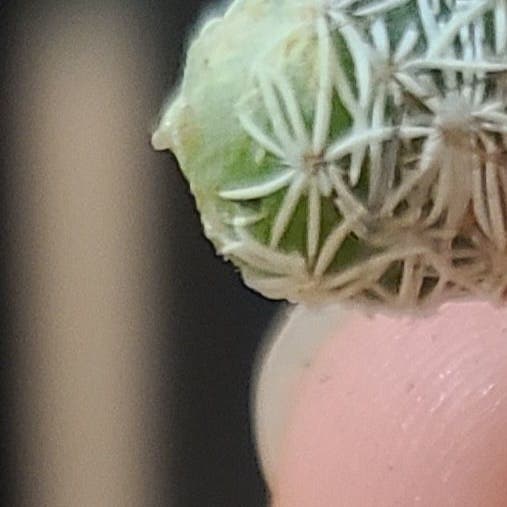
What is a Elephant's Tooth Cactus? Complete Guide 🐘
Coryphantha elephantidens
By the Greg Editorial Team
Jan 23, 2025•11 min read
This article was created with the help of AI so we can cover more plants for you. May contain errors. See one? Report it here.
Elevate your garden effortlessly with the stunning, low-maintenance Elephant's Tooth Cactus! 🌵✨
- 🌞 Elephant's Tooth Cactus needs 6-8 hours of sunlight for optimal growth.
- 🌡️ Ideal temperatures range from 20°C to 30°C for healthy development.
- 🌱 Use well-draining soil to prevent root rot and ensure cactus health.
How to Grow
Choosing a Location 🌞
To thrive, the Elephant's Tooth Cactus needs full sun exposure, ideally basking in 6-8 hours of sunlight daily. It prefers warm temperatures, flourishing best between 20°C to 30°C (68°F to 86°F).
Soil Preparation 🏜️
For optimal growth, use a well-draining cactus mix or sandy loam. Proper drainage is crucial to prevent root rot, which can be detrimental to your cactus.
Planting Techniques 🌱
When planting, ensure the cactus is set 2-3 inches deep in the soil. For outdoor planting, space each cactus 12-18 inches apart to allow for healthy growth.
Watering Guidelines 🚰
During the growing season, water your cactus every 2-3 weeks, reducing frequency in winter. Employ the soak and dry method to maintain proper moisture levels without overwatering.
Fertilizing Recommendations 🍽️
Utilize a balanced cactus fertilizer with an NPK ratio of 10-10-10. Fertilize every 4-6 weeks during the growing season to support robust growth.
Pruning Practices ✂️
Prune your cactus in late winter or early spring to encourage healthy growth. Focus on removing any dead or damaged segments to keep the plant thriving.
Ongoing Care 👀
Regularly monitor your cactus for signs of health, such as vibrant color and firm texture. Be prepared to adjust care based on seasonal changes, ensuring your cactus remains happy and healthy.
With these guidelines, you’re well on your way to cultivating a thriving Elephant's Tooth Cactus. Next, let's explore how to propagate this unique plant effectively.
Propagation
🌱 Methods of Propagation
Propagation of the Elephant's Tooth Cactus can be done through two primary methods: seeds and cuttings. Both methods are straightforward and can lead to successful new plants.
📋 Step-by-Step Instructions for Each Method
🌱 Seeds
- Sow seeds on the surface of well-draining soil.
- Keep moist until germination, which typically takes 2-3 weeks.
✂️ Cuttings
- Allow cuttings to callous for 1-2 days to prevent rot.
- Plant in cactus mix and water lightly to encourage rooting.
🏆 Best Practices for Successful Propagation
To ensure successful propagation, always use sterile tools. This helps prevent disease and promotes healthy growth.
Additionally, maintaining warm temperatures is crucial for optimal germination and rooting. A cozy environment will encourage your new plants to thrive.
With these methods and tips, you'll be well on your way to expanding your Elephant's Tooth Cactus collection! Next, let's explore the lifecycle of this fascinating plant.
Lifecycle
Lifecycle Stages 🌱
The lifecycle of the Elephant's Tooth Cactus begins with germination, which takes about 7-14 days for seeds. Following this, the seedling stage lasts for the first few months, where the plant establishes itself.
Next comes the vegetative growth phase, a rapid growth period that can last from 1 to 3 years. During this time, the cactus prepares for its flowering stage, which typically occurs in late spring to early summer.
After flowering, the cactus enters the seed production phase, where seeds can be collected for propagation. This cycle showcases
Size
Mature Height and Spread 🌵
The Elephant's Tooth Cactus can reach a mature height of 3 to 6 feet, making it a striking addition to any garden. Its spread typically ranges from 2 to 3 feet wide, allowing it to occupy a decent amount of space without overwhelming your landscape.
Growth Rate and Time to Reach Full Size ⏳
This cactus has a moderate growth rate, which can vary based on care and environmental conditions. Under ideal circumstances, expect it to take about 5 to 10 years to reach its full size.
Factors Affecting Size 📏
Several factors influence the size of your Elephant's Tooth Cactus.
- Growing Conditions: Adequate light, water, and soil quality are crucial for optimal growth.
- Pot Size: If grown in a container, the size of the pot can limit its growth potential.
Understanding these elements can help you cultivate a healthy and robust cactus. With the right care, your Elephant's Tooth Cactus will thrive, adding beauty and character to your space.
As we explore further, let’s delve into the fascinating lifecycle of this unique plant.
Roots
Characteristics of the Root System 🌱
The Elephant's Tooth Cactus boasts a fibrous root system that is essential for its stability. These roots can reach depths of up to 12 inches and spread laterally, allowing the plant to anchor itself firmly in the soil.
Common Root-Related Issues ⚠️
Root health is crucial for the overall well-being of your cactus. Overwatering can lead to root rot, while a rootbound condition occurs when the roots fill the pot, restricting growth.
Visual Cues for Healthy vs. Unhealthy Roots 👀
Identifying root health is straightforward. Healthy roots are firm, white, and spread out, while unhealthy roots appear dark, mushy, or shriveled.
Tips for Managing Root Problems 🛠️
To manage root issues effectively, consider repotting your cactus when it becomes rootbound. Additionally, ensure proper drainage and follow appropriate watering practices to prevent root rot.
With these insights, you'll be better equipped to nurture your Elephant's Tooth Cactus and keep its roots thriving. Next, let’s explore the benefits of growing this unique plant.
Benefits
🌱 Low Maintenance
One of the standout features of the Elephant's Tooth Cactus is its low maintenance requirements. This resilient plant thrives with minimal care, making it perfect for busy gardeners or those new to plant care.
🎨 Aesthetic Appeal
With its unique, sculptural appearance, the Elephant's Tooth Cactus adds a striking focal point to any garden. Its distinctive shape and texture can enhance your landscape design, making it a favorite among plant enthusiasts.
💧 Drought-Resistant
This cactus is an excellent choice for arid climates and xeriscaping. Its ability to withstand long periods without water makes it a sustainable option for eco-conscious gardeners.
🌬️ Air Purification
Beyond its beauty, the Elephant's Tooth Cactus contributes to improved indoor air quality. It helps filter out toxins, making your living space healthier and more inviting.
🌍 Cultural Significance
In various cultures, the Elephant's Tooth Cactus symbolizes resilience and strength. Incorporating this plant into your garden not only beautifies your space but also connects you to a rich tapestry of cultural meanings.
These benefits make the Elephant's Tooth Cactus a fantastic addition to any garden, whether you're looking for low upkeep, aesthetic charm, or a touch of cultural significance. Next, let's explore companion plants that thrive alongside this unique cactus.
Companion Plants
🌱 Explanation of Companion Planting
Companion planting is a gardening technique that enhances biodiversity and promotes pest management. By strategically placing plants together, you can create a more resilient garden ecosystem.
🌼 List of Compatible Companion Plants
Consider these plants to pair with your Elephant's Tooth Cactus:
- Agave: Shares similar care needs and thrives in dry conditions.
- Sedum: Requires minimal water and adds visual interest with its vibrant foliage.
- Other cacti: Create a cohesive desert-themed garden that complements the cactus's unique appearance.
🚫 Plants to Avoid
Be cautious with heavy feeders. Plants like ferns or leafy greens demand more water and nutrients, which can compete with your cactus for resources.
🤝 Discussion of Symbiotic Relationships
Companion plants can deter pests and enhance growth through beneficial interactions. For instance, certain plants may attract beneficial insects that prey on pests, helping to keep your Elephant's Tooth Cactus healthy and thriving.
By understanding companion planting, you can cultivate a flourishing garden that not only looks great but also supports the health of your Elephant's Tooth Cactus. Next, let’s explore the potential toxicity of this fascinating plant to humans and pets.
Toxicity to Humans
🦷 Safety of Elephant's Tooth Cactus for Humans
The Elephant's Tooth Cactus is generally safe for humans, as it is not listed as toxic by major poison control centers. However, if consumed in large quantities, it may cause mild skin irritation or digestive discomfort.
Always exercise caution when handling this plant. If you experience any unusual symptoms, it's wise to seek medical advice promptly.
Toxicity to Dogs
Safety of Elephant's Tooth Cactus for Dogs 🐶
The Elephant's Tooth Cactus is generally safe for dogs. Major pet poison control centers do not list it as toxic.
However, if your dog munches on a significant amount, it might experience mild gastrointestinal upset.
Tips for Dog Owners 🐾
To ensure your furry friend stays safe, place the cactus in an area that's out of reach.
Regularly monitor your dog's behavior around new plants to prevent any unwanted snacking.
With a little caution, you can enjoy the beauty of this unique cactus without worrying about your dog's health.
As we move on, let’s explore how this cactus interacts with our feline friends.
Toxicity to Cats
Safety of Elephant's Tooth Cactus for Cats 🐱
The Elephant's Tooth Cactus is generally safe for cats, as it is not listed as toxic by major pet poison control centers. However, if your feline friend decides to munch on it, they might experience mild gastrointestinal upset if they consume large quantities.
Monitoring and Placement Tips 🏡
To keep your cat safe, consider placing the cactus in areas that are less accessible to them. Regularly monitor their behavior around new plants to ensure they don’t develop a curiosity that could lead to nibbling.
Conclusion 📝
While the Elephant's Tooth Cactus poses minimal risk to cats, it's always wise to exercise caution. Keeping an eye on your pets and their interactions with plants can help maintain a harmonious home environment.
Next, let’s explore the potential problems you might face when growing this unique cactus.
Problems
🌱 Common Problems Faced When Growing
Growing an Elephant's Tooth Cactus can be rewarding, but it comes with its share of challenges. Here are some common problems you might encounter:
Incorrect Watering: Overwatering leads to yellowing and mushy stems, while underwatering causes wrinkled and shriveled leaves.
Incorrect Light Conditions: Insufficient light can result in etiolation, where the cactus stretches and becomes leggy.
Incorrect Temperature: Extreme cold or heat can stress the plant, leading to stunted growth or damage.
Diseases: Fungal issues like powdery mildew and root rot can plague your cactus if conditions aren't right.
Leaf Issues: Too much direct sunlight can scorch the leaves, causing unsightly brown patches.
🔍 Identification and Causes of Issues
Identifying the root cause of these problems is crucial for effective treatment.
Overwatering: Look for yellowing leaves and a mushy texture, indicating excess moisture.
Underwatering: Wrinkled and shriveled leaves signal that your cactus is thirsty.
Light Problems: If your cactus is stretching towards the light, it’s not getting enough.
Temperature Stress: Leaves may drop or discolor if exposed to extreme temperatures.
Diseases: Fungal infections often appear as white powdery spots or black patches on the plant.
🛠️ Solutions and Recovery Steps
Addressing these issues promptly can save your cactus. Here are some simple recovery steps:
Adjust Watering: If overwatered, allow the soil to dry out completely before watering again. For underwatered plants, give them a good soak and monitor moisture levels closely.
Optimize Light: Move your cactus to a brighter location, ensuring it receives ample sunlight without being scorched.
Regulate Temperature: Keep your cactus in a stable environment, ideally between 20°C to 30°C (68°F to 86°F).
Treat Diseases: Remove affected areas and apply a fungicide if necessary. Ensure good air circulation around the plant.
Manage Leaf Issues: If scorching occurs, relocate the cactus to a spot with filtered light to prevent further damage.
By staying vigilant and responsive to your Elephant's Tooth Cactus's needs, you can enjoy a thriving plant for years to come. Next, let’s explore the fascinating world of pests that might threaten your cactus.
Bugs
Potential Pest Issues 🐜
While the Elephant's Tooth Cactus is known for its moderate pest resistance, it can still fall prey to a few unwelcome visitors. Keeping an eye out for pests is essential to maintaining the health of your cactus.
Identification and Damage Caused by Pests 🔍
- Spider Mites: Look for fine webbing and stippled leaves, which indicate these tiny pests are at work.
- Scale Insects: These pests leave behind sticky residue and cause yellowing of the leaves.
- Mealybugs: Identified by their cotton-like masses on stems, mealybugs can weaken your cactus if not addressed.
Effective Treatment Options 💪
To combat these pests, consider using neem oil or insecticidal soap, both of which are effective and eco-friendly. For a more hands-on approach, manual removal can also help keep your cactus pest-free.
By staying vigilant and addressing pest issues promptly, you can ensure your Elephant's Tooth Cactus remains healthy and vibrant. Next, let’s explore what animals might be interested in munching on your cactus.
What Eats Elephant's Tooth Cactus
🦌 Common Animals That May Damage
Elephant's Tooth Cactus can attract a few hungry visitors.
- Deer: Look for chewed edges and droppings nearby as signs of their presence.
- Rabbits: Evidence of nibbling on the lower parts of the cactus indicates they’ve been snacking.
- Squirrels: Bark damage and digging around the base are telltale signs of these curious critters.
🕵️♂️ Signs of Animal Presence and Damage Types
Identifying animal activity is crucial for protecting your cactus.
- Deer: Chewed leaves and branches, along with scattered droppings, signal their grazing habits.
- Rabbits: Small bite marks on the lower stems are a clear indication of their munching.
- Squirrels: Look for bark peeling or holes around the base where they’ve been digging.
🚫 Methods for Deterring or Managing These Animals
Keeping your Elephant's Tooth Cactus safe can be straightforward.
- Chemical Repellents: Spraying deterrents can help keep deer and rabbits at bay.
- Physical Barriers: Fencing or netting around your cactus can effectively prevent access to these hungry animals.
By being proactive, you can enjoy your cactus without the worry of unwanted nibblers.
⚠️ Safety First
This content is for general information and may contain errors, omissions, or outdated details. It is not medical, veterinary advice, or an endorsement of therapeutic claims.
Always consult a qualified healthcare professional before using any plant as food, medicine, or supplement.
Never eat any plant (or feed one to pets) without confirming its identity with at least two trusted sources.
If you suspect poisoning, call Poison Control (800) 222-1222, the Pet Poison Helpline (800) 213-6680, or your local emergency service immediately.
Spotted an error? Please report it here.
Nurture your Elephant's Tooth Cactus 🌵 to thrive with Greg's tailored watering reminders and expert care tips that will help you cultivate a vibrant and resilient plant!