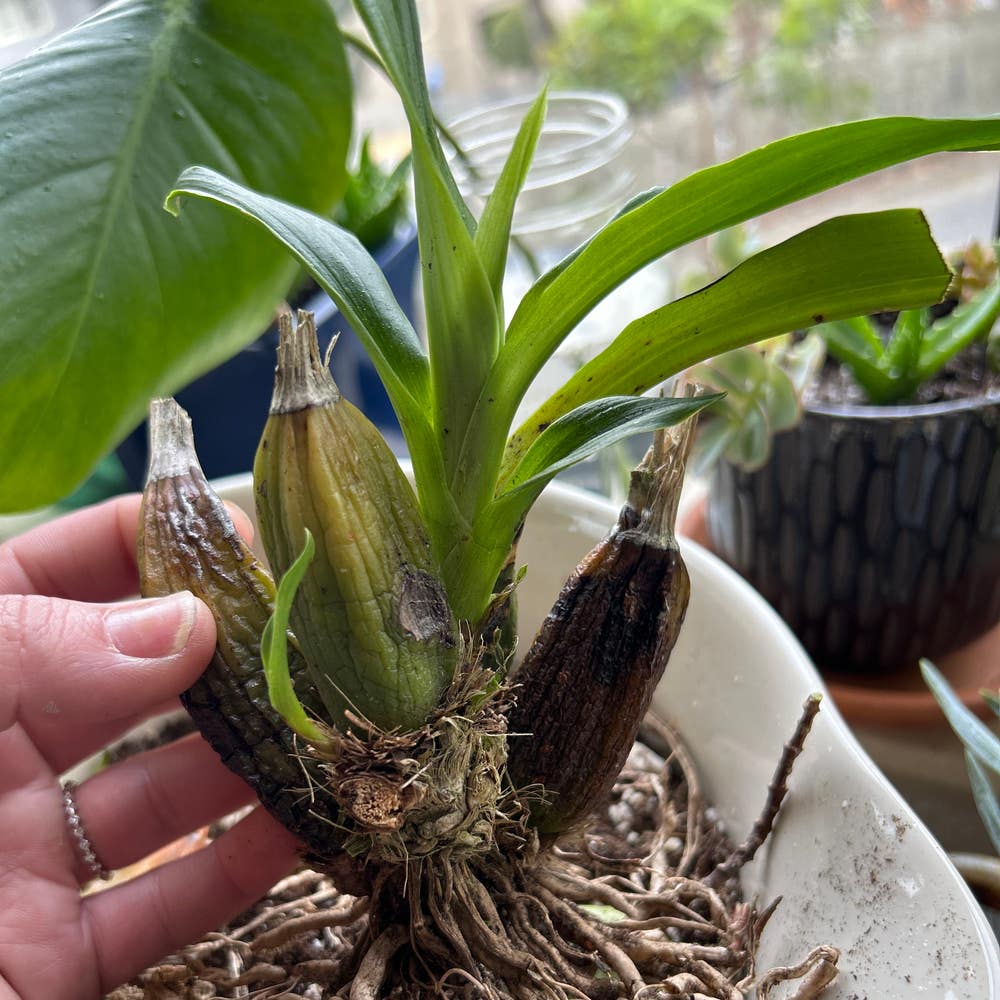
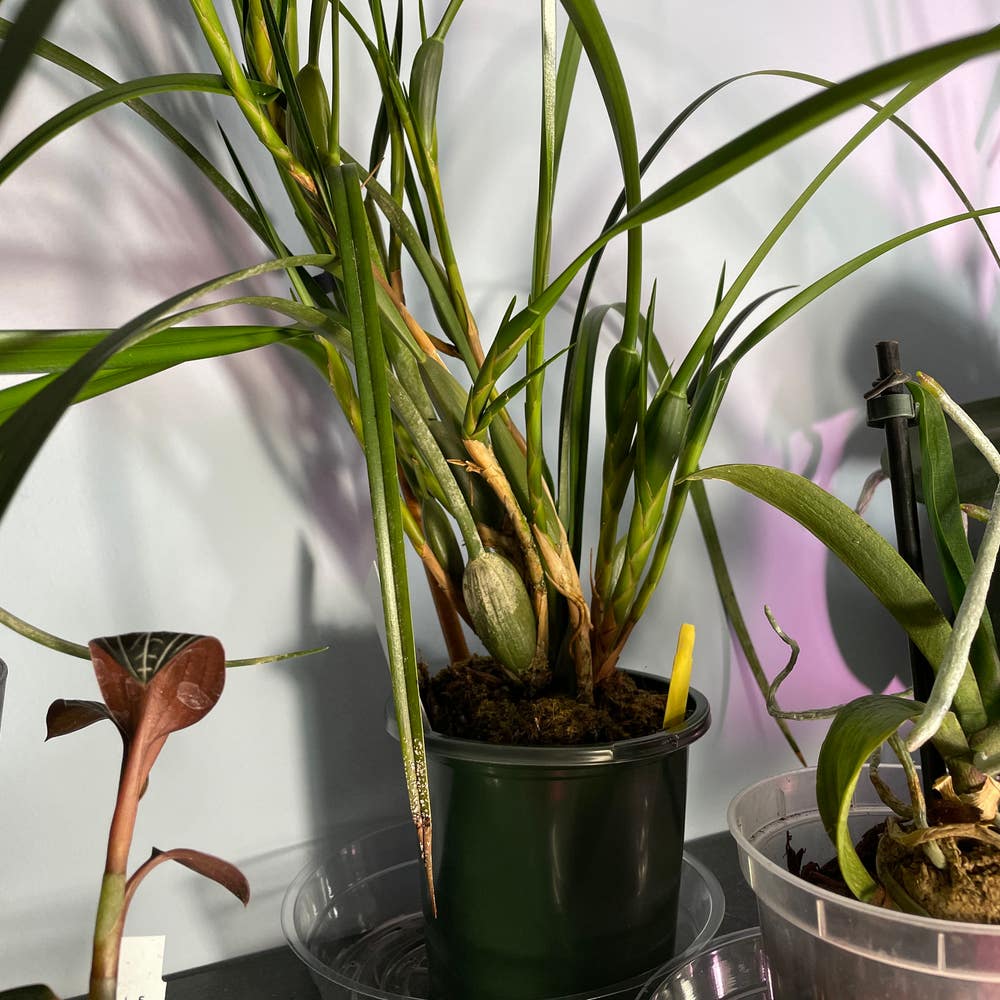
Elegant Eulophia: A Comprehensive Overview
Eulophia elegans
By the Greg Editorial Team
Feb 27, 2025•12 min read
This article was created with the help of AI so we can cover more plants for you. May contain errors. See one? Report it here.
Elevate your garden with Elegant Eulophia, a stunning plant that thrives with simple care! 🌱
- 🌞🌿 Elegant Eulophia thrives in warm, humid environments with ample sunlight.
- 🌱💧 Use well-draining soil and maintain moisture to prevent root rot.
- 🌸🐝 Attract pollinators with vibrant flowers while ensuring proper care for longevity.
How to Grow
🌞 Choosing a Location
To thrive, Elegant Eulophia prefers warm, humid environments with partial to full sunlight. When deciding between outdoor and container growing, consider your available space and local climate conditions.
🌱 Soil Preparation
For optimal growth, use well-draining, fertile soil enriched with organic matter. Aim for a pH level between 6.0 and 7.0, which is slightly acidic to neutral.
🌼 Planting Techniques
When planting seeds or bulbs, ensure they are placed 1-2 inches deep. Space them 12-18 inches apart to allow for healthy growth and airflow.
💧 Watering Requirements
Keep the soil consistently moist but avoid waterlogging. A drip irrigation system works well, or you can water at the base of the plant to prevent leaf rot.
🌿 Fertilizing Schedule
During the growing season, apply a balanced NPK fertilizer. Fertilize every 4-6 weeks to provide essential nutrients for robust growth.
✂️ Pruning Methods
Prune your Elegant Eulophia after flowering to stimulate new growth. Focus on removing dead or damaged leaves and spent flowers to maintain plant health.
🔍 Ongoing Care Tips
Monitor humidity levels, aiming for an ideal range of 50-70%. Regularly check for pests and diseases to catch any issues early.
With these guidelines, you can cultivate a thriving Elegant Eulophia that adds beauty and vibrancy to your garden. Next, let’s explore how to propagate this stunning plant effectively.
Propagation
🌱 Seed Propagation
To propagate Elegant Eulophia from seeds, start by collecting them when the seed pods are dry. This ensures that the seeds are mature and ready for germination.
For successful germination, provide warm temperatures and keep the soil moist. This combination creates the ideal environment for the seeds to sprout and thrive.
✂️ Division Propagation
Division propagation is best done in spring or fall when the plant is actively growing. This timing allows for a smoother transition and encourages quicker establishment.
To divide, carefully separate the rhizomes and replant them in suitable locations. This method not only helps in expanding your collection but also rejuvenates the parent plant.
With these propagation techniques, you can easily multiply your Elegant Eulophia and enjoy its beauty in various spots around your garden or home. Next, let’s explore the lifecycle of this captivating plant.
Lifecycle
Lifecycle Stages 🌱
Elegant Eulophia is primarily a perennial plant, meaning it can thrive for multiple growing seasons. This longevity allows gardeners to enjoy its beauty year after year.
Germination Process 🌱
Seeds of Elegant Eulophia typically germinate within 2-4 weeks when provided with optimal conditions. Warm temperatures and consistently moist soil are key to successful germination.
Seedling Stage 🌱
Once germinated, the seedling stage lasts about 4-6 weeks before the young plants are ready for transplanting. During this time, seedlings develop their initial leaves and root systems.
Vegetative Growth 🌱
The vegetative growth phase spans 3-6 months, where the plant focuses on building strength and size. This period is crucial for establishing a robust foundation for future flowering.
Flowering and Seed Production 🌼
Flowering usually occurs in late spring to summer, showcasing the plant's stunning blooms. After flowering, Elegant Eulophia produces seeds, continuing its lifecycle.
Lifespan and Growth Timeline 🌱
With proper care, Elegant Eulophia can live for several years. It typically reaches full maturity within 1-2 years, rewarding gardeners with its vibrant presence and resilience.
As you explore the lifecycle of Elegant Eulophia, consider how each stage contributes to its overall health and beauty. Next, we will delve into the plant's size and growth characteristics, providing insights into what to expect as it matures.
Size
Mature Height and Spread 🌱
Elegant Eulophia typically reaches an average height of 1-3 feet. Its spread can vary from 1-2 feet wide, depending on the growing conditions.
Growth Rate and Size Variability 📈
This plant has a moderate growth rate, which can fluctuate based on care and environmental factors. Variability in size is often influenced by soil quality, water availability, and light exposure.
Impact of Growing Conditions on Size 🌍
To achieve optimal growth, ensure the plant is in well-drained soil and receives adequate sunlight. Conversely, poor conditions such as overwatering or insufficient light can stunt its growth significantly.
Understanding these aspects of size will help you create the ideal environment for your Elegant Eulophia. Next, let’s explore the roots of this fascinating plant and their importance in its overall health.
Roots
🌱 Root System Characteristics
Elegant Eulophia features a fibrous root system that provides stability and efficient nutrient uptake. This robust structure is essential for the plant's overall health and growth.
📏 Depth and Spread of Roots
Typically, the roots can extend 12-18 inches deep, allowing them to access moisture and nutrients from the soil. They can also spread out 1-2 feet from the base, which helps anchor the plant securely.
⚠️ Common Root-Related Issues
One of the most common problems is root rot, often caused by overwatering. Signs of this issue include mushy roots, which indicate that the plant is not getting the oxygen it needs.
🛠️ Solutions for Root-Related Issues
To combat root rot, ensure proper drainage in your pots and adjust your watering schedule accordingly. Allow the soil to dry out between waterings to promote healthier roots.
👀 Identifying Healthy vs. Unhealthy Roots
Healthy roots are firm, white, and spread evenly throughout the soil. In contrast, unhealthy roots appear dark, mushy, or may even emit a foul smell, signaling a need for immediate attention.
🔗 Recognizing Rootbound Plants
If you notice roots growing out of drainage holes or circling the pot, your plant may be rootbound. The solution is simple: repot into a larger container or divide the plant to encourage new growth.
Understanding the root system of Elegant Eulophia is crucial for its care. By monitoring root health and addressing issues promptly, you can ensure your plant thrives beautifully.
Next, let's explore the benefits of growing this stunning plant in your garden.
Benefits
Top 5 Benefits 🌟
Ornamental Appeal
Elegant Eulophia is a showstopper in any garden. Its unique flowers add a splash of color and intrigue, making it a favorite among plant enthusiasts.
Air Purification
This plant does more than just look good; it also helps improve indoor air quality. By filtering out toxins, it creates a healthier living environment.
Cultural Significance
In various cultures, Elegant Eulophia holds traditional medicinal value. Its historical uses add depth to its appeal, connecting gardeners to ancient practices.
Attracts Pollinators
The vibrant flowers of Elegant Eulophia are a magnet for bees and butterflies. This not only enhances your garden's beauty but also supports local ecosystems.
Versatile Use
Whether indoors or outdoors, Elegant Eulophia thrives in diverse settings. Its adaptability makes it an excellent choice for any gardening enthusiast.
These benefits make Elegant Eulophia a worthwhile addition to your plant collection. As you explore its care and growth, you'll appreciate its many contributions to your space.
Companion Plants
🌱 Concept of Companion Planting
Companion planting is a gardening strategy that enhances diversity and promotes pest management. By selecting the right plants to grow together, you can create a healthier garden ecosystem.
🌼 Best Companion Plants
When growing Elegant Eulophia, consider pairing it with marigolds, ferns, and other orchids.
- Marigolds: These vibrant flowers act as natural pest repellents, keeping harmful insects at bay.
- Ferns: They thrive in similar humidity levels, making them excellent companions for maintaining moisture.
- Other Orchids: Sharing similar care requirements, they can enhance the overall aesthetic and health of your garden.
These companions not only coexist well but can also boost each other's growth.
🚫 Plants to Avoid
Be cautious of heavy feeders like corn or tomatoes. These plants compete for nutrients, which can hinder the growth of your Elegant Eulophia.
By carefully selecting companion plants, you can create a thriving garden that benefits all its inhabitants. This thoughtful approach will lead to a more vibrant and resilient landscape.
As you explore companion planting, remember that the right combinations can make all the difference in your gardening success. Next, let’s dive into the fascinating topic of toxicity and safety regarding Elegant Eulophia for humans and pets.
Toxicity to Humans
Safety for Humans 🌿
Elegant Eulophia is not classified as toxic by major poison control centers. This means you can enjoy its beauty without worrying about harmful effects.
However, consuming large quantities may lead to minor irritation, such as mild skin reactions or digestive discomfort.
Caution Advised ⚠️
While the plant is generally safe, it's always wise to exercise caution. If you experience any unusual symptoms after contact or consumption, seek medical advice promptly.
By staying informed and cautious, you can appreciate the elegance of Eulophia without any worries.
Toxicity to Dogs
Safety for Dogs 🐶
Elegant Eulophia is considered nontoxic to dogs, according to major pet poison control centers. This means you can enjoy your beautiful plant without worrying about your furry friends getting sick.
Minor Issues ⚠️
While it's safe, consuming large quantities may lead to mild gastrointestinal upset. It's always a good idea to keep your plants out of reach and monitor your dog's behavior around them.
Tips for Dog Owners 🏡
To ensure your dog's safety, consider placing your Elegant Eulophia in elevated locations or using barriers. Regularly check for any signs of nibbling and redirect their attention to safe chew toys.
With these precautions, you can enjoy the beauty of your Eulophia while keeping your canine companions happy and healthy.
Toxicity to Cats
Safety for Cats 🐱
Elegant Eulophia is considered nontoxic, as major pet poison control centers do not classify it as harmful to felines. However, if your curious cat decides to nibble on the leaves, it may experience mild gastrointestinal upset if consumed in large quantities.
Tips for Cat Owners 🏠
To keep your feline friends safe, it's wise to place your Elegant Eulophia in areas that are less accessible to them. This simple precaution can help prevent any potential mishaps while allowing your plant to thrive.
With the right care, you can enjoy the beauty of Elegant Eulophia without worrying about your cat's health. Next, let’s explore the potential problems that can arise when growing this lovely plant.
Problems
Common Problems 🌱
Growing Elegant Eulophia can be rewarding, but it comes with its share of challenges.
Incorrect Watering: Overwatering often leads to yellowing leaves, while underwatering results in wilting.
Incorrect Light Conditions: Insufficient light can cause leggy growth, whereas too much light may scorch the leaves.
Diseases: Fungal issues like powdery mildew and root rot can plague your plants if not monitored closely.
Leaf Issues: Yellowing or fuzzy growth can indicate underlying problems that need attention.
Growth Problems: Leaning or etiolated growth may signal inadequate light or nutrient deficiencies.
Identifying Symptoms and Causes 🔍
Recognizing the symptoms of these problems is crucial for effective intervention.
- Overwatering: Look for yellowing leaves that feel soft and mushy.
- Underwatering: Watch for wilting leaves that may become crispy.
- Insufficient Light: Notice if the plant stretches towards the light source, resulting in leggy growth.
- Excessive Light: Scorched leaves will appear bleached or burnt at the tips.
- Diseases: Fungal infections often present as white powdery spots or dark, mushy roots.
Solutions for Each Problem 🛠️
Addressing these issues promptly can save your Elegant Eulophia from decline.
- For Overwatering: Allow the soil to dry out before watering again. Ensure proper drainage to prevent future issues.
- For Underwatering: Increase watering frequency, ensuring the soil remains consistently moist but not soggy.
- For Light Issues: Adjust the plant's location to provide the right amount of sunlight—consider using sheer curtains for diffused light.
- For Diseases: Remove affected leaves and treat with a fungicide if necessary. Improve air circulation around the plant.
- For Leaf Issues: Check for pests or nutrient deficiencies and adjust care accordingly. Regularly inspect for signs of stress.
By staying vigilant and responsive to these common problems, you can ensure your Elegant Eulophia thrives beautifully. Next, let’s explore the fascinating world of pests that may threaten your plant's health.
Bugs
🐞 Potential Pest Issues
Elegant Eulophia is generally resilient against pests, but it can still fall victim to a few common nuisances. Keeping an eye out for these pests is essential to maintaining the health of your plants.
🔍 Identification of Pests
The most common pests that may target your Elegant Eulophia include:
- Spider Mites: Tiny, spider-like creatures that create fine webbing on leaves.
- Aphids: Small, soft-bodied insects that cluster on new growth and suck sap.
- Mealybugs: White, cottony pests that can be found in leaf axils and on stems.
- Whiteflies: Small, white flying insects that gather on the undersides of leaves.
⚠️ Damage Caused by Pests
Each pest can cause distinct types of damage:
- Spider Mites: They cause stippling on leaves, leading to yellowing and eventual leaf drop.
- Aphids: Their feeding can result in curled leaves and stunted growth.
- Mealybugs: They can weaken the plant, leading to yellowing and wilting.
- Whiteflies: These pests can cause yellowing leaves and a sticky residue known as honeydew.
🛠️ Treatment Options
Managing pest populations effectively involves both organic and chemical treatments. Here are some options to consider:
- Organic Solutions: Introduce beneficial insects like ladybugs or use insecticidal soap to control infestations.
- Chemical Treatments: Use targeted insecticides, but be cautious to follow application guidelines to avoid harming beneficial insects.
Regular monitoring and prompt action can help keep your Elegant Eulophia thriving and pest-free. By being proactive, you can enjoy the beauty of your plants without the worry of pest damage.
What Eats
Common Animals 🦌
Elegant Eulophia can attract a variety of hungry visitors. Common culprits include deer, rabbits, squirrels, and rodents, all of which may find your plants irresistible.
Signs of Animal Presence 🐾
Detecting these furry intruders is often straightforward. Look for tracks, droppings, and chewed foliage as telltale signs of their presence in your garden.
Damage Description 🐇
Each animal can inflict different types of damage. Deer may nibble on leaves and stems, while rabbits often take bites out of the lower foliage. Squirrels and rodents can uproot young plants or strip bark, leading to stunted growth or even plant death.
Deterrent Methods 🚫
Protecting your Elegant Eulophia from these pests can be achieved through various methods.
- Chemical deterrents: Use commercial repellents designed to keep animals at bay.
- Organic options: Consider natural solutions like garlic spray or planting strong-smelling herbs nearby.
Implementing these strategies can help safeguard your plants and ensure they thrive in your garden.
⚠️ Safety First
This content is for general information and may contain errors, omissions, or outdated details. It is not medical, veterinary advice, or an endorsement of therapeutic claims.
Always consult a qualified healthcare professional before using any plant as food, medicine, or supplement.
Never eat any plant (or feed one to pets) without confirming its identity with at least two trusted sources.
If you suspect poisoning, call Poison Control (800) 222-1222, the Pet Poison Helpline (800) 213-6680, or your local emergency service immediately.
Spotted an error? Please report it here.
Cultivate your stunning Eulophia 🌼 effortlessly with Greg's tailored care reminders and expert tips, ensuring it thrives beautifully in your home or garden!