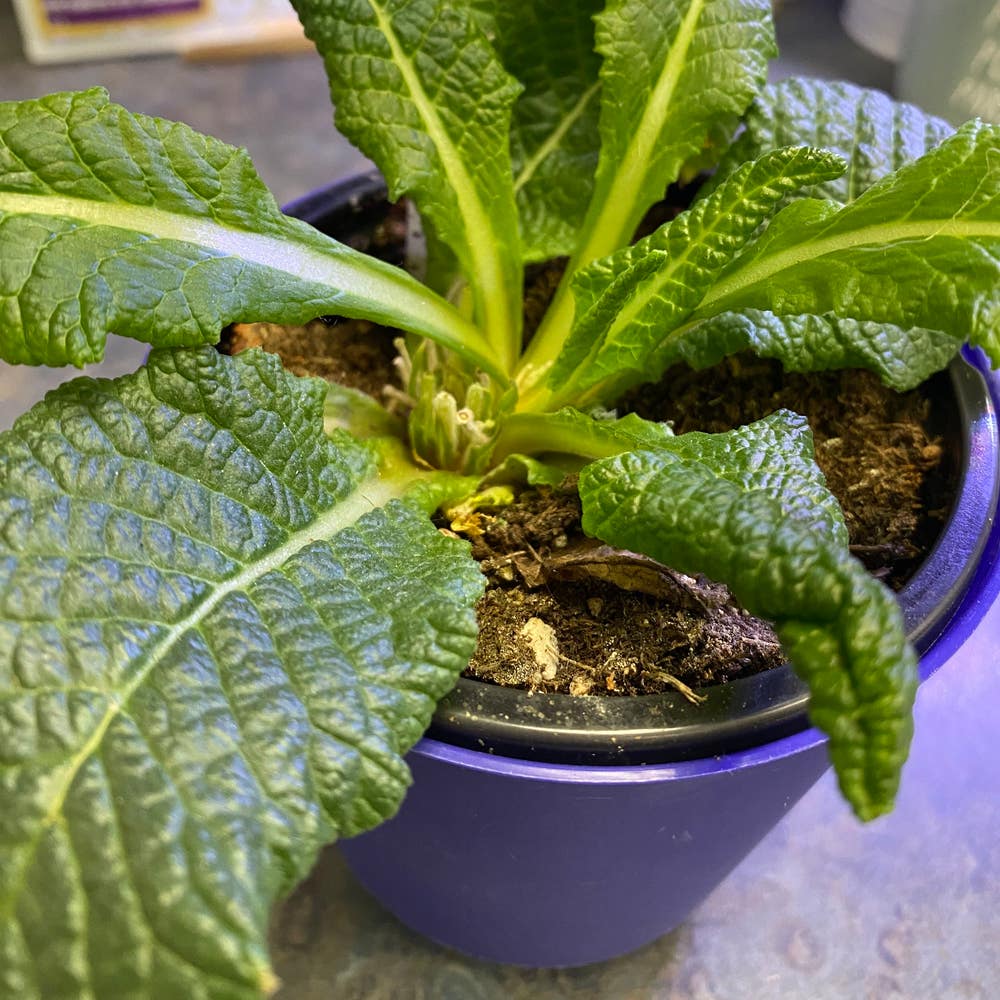
🌼 Understanding Drumstick Primula: The Basics
Primula denticulata
By the Greg Editorial Team
Jan 10, 2025•11 min read
This article was created with the help of AI so we can cover more plants for you. May contain errors. See one? Report it here.
Elevate your garden with vibrant Drumstick Primula blooms 🌼 and discover effortless care tips for thriving plants! 🌱
- 🌞 Drumstick Primula thrives in partial shade to full sun; cooler temps boost growth.
- 💧 Moist, well-drained soil is essential; avoid waterlogging to prevent root rot.
- 🌼 Safe for pets - Drumstick Primula is non-toxic to humans, dogs, and cats!
How to Grow
Choosing a Location 🌞
Drumstick Primula thrives in conditions ranging from partial shade to full sun. For optimal growth, cooler temperatures are preferred, making it an excellent choice for spring gardens.
Soil Preparation 🌱
This plant flourishes in moist, well-drained soils. To enhance fertility and drainage, incorporate organic matter into the soil before planting.
Planting Techniques 🌼
When planting, ensure the seeds or seedlings are placed 1-2 inches deep in the soil. Space them 12-18 inches apart to allow for healthy growth and air circulation.
Watering Requirements 🚰
Regular watering is essential to maintain soil moisture without causing waterlogging. Watch for signs of distress, such as wilting or yellowing leaves, which indicate under or overwatering.
Fertilizing Schedule 🍽️
A balanced, slow-release fertilizer is ideal for Drumstick Primula. Apply it in early spring and again in mid-summer to support robust growth.
Pruning Methods ✂️
Prune your plants after flowering to encourage new growth. Techniques include deadheading spent flowers and removing any dead leaves to keep the plant healthy.
Ongoing Care 🌿
For container-grown Drumstick Primula, ensure pots have drainage holes and monitor moisture levels closely. In outdoor settings, mulching helps retain moisture and suppress weeds, promoting a thriving garden environment.
This comprehensive care routine will set you up for success with your Drumstick Primula, ensuring vibrant blooms and healthy growth. Next, let’s explore how to propagate this beautiful plant effectively.
Propagation
🌱 Seed Propagation
To propagate Drumstick Primula from seeds, start by surface sowing or lightly covering the seeds with soil. Under optimal conditions, you can expect germination within 2 to 4 weeks.
✂️ Division of Established Plants
Dividing established plants is best done in early spring or fall. Carefully separate the clumps and replant them immediately to ensure they thrive in their new locations.
This propagation method not only helps you expand your garden but also rejuvenates the parent plants, promoting healthier growth. Now that you know how to propagate, let’s explore the lifecycle of Drumstick Primula next.
Lifecycle
🌱 Overview of Life Cycle Stages
Drumstick Primula is primarily a perennial plant, meaning it can live for several years, returning each season to grace your garden with its vibrant blooms.
🌡️ Germination Process
For optimal germination, seeds thrive at temperatures between 65°F to 70°F (18°C to 21°C). This warm environment kickstarts their growth, setting the stage for a healthy plant.
🌿 Seedling Stage
Once germinated, the seedling stage lasts about 4-6 weeks before the young plants are ready for transplanting. During this time, they develop the strength needed to thrive in their new environment.
🌳 Vegetative Growth
The vegetative growth phase occurs from late spring to early summer. This is when the plant focuses on growing leaves and stems, preparing for the stunning flowers to come.
🌼 Flowering and Seed Production
Expect flowering to begin in late spring and continue into early summer. After the blooms fade, the plant typically produces seeds in late summer, ensuring the cycle continues.
⏳ Lifespan and Growth Rate
Under optimal conditions, Drumstick Primula can live for several years. Its growth rate is moderate, with plants reaching full maturity in about 2-3 years.
This lifecycle knowledge not only helps you appreciate the beauty of Drumstick Primula but also prepares you for the next steps in nurturing these lovely plants.
Size
Mature Height and Spread 🌱
Drumstick Primula typically reaches a mature height of 12 to 18 inches. Its spread can extend from 12 to 24 inches, making it a lovely addition to any garden.
Growth Rate and Size Variability 📏
The size of your Drumstick Primula can vary based on several factors. Key influences include soil quality, light exposure, and your watering practices.
Impact of Growing Conditions on Size 🌞
To achieve optimal growth, provide rich, moist soil and adequate sunlight. These conditions will help your plants flourish and reach their full potential.
As you cultivate your Drumstick Primula, remember that the right environment can significantly enhance its size and vibrancy. Next, let’s explore the fascinating root system that supports this beautiful plant.
Roots
Root System Characteristics 🌱
Drumstick Primula features a fibrous root system, which is essential for its stability and nutrient uptake. This type of root structure allows the plant to efficiently absorb moisture and nutrients from the soil.
Depth and Spread of Roots 📏
Typically, the roots grow to a depth of 12-18 inches. They can spread outwards, extending up to 24 inches, which helps the plant establish a strong foundation.
Common Root-Related Issues ⚠️
One of the most common problems faced by Drumstick Primula is root rot, often caused by overwatering. Signs of this issue include mushy roots that can lead to the plant's decline if not addressed promptly.
Identifying Healthy vs. Unhealthy Roots 🧐
Healthy roots are firm and exhibit a white or light tan color. In contrast, unhealthy roots appear dark, mushy, or may even emit a foul smell, indicating a serious problem.
Recognizing Rootbound Plants 🔗
If you notice roots growing out of drainage holes or circling the pot, your plant may be rootbound. The solution is straightforward: repot the plant into a larger container to give it more room to grow.
Understanding the root system of Drumstick Primula is crucial for ensuring its health and vitality. By keeping an eye on root conditions, you can prevent common issues and promote robust growth.
Next, let’s explore the benefits of growing this vibrant plant in your garden.
Benefits
Top 5 Benefits 🌟
Drumstick Primula offers a range of advantages that make it a fantastic addition to any garden. Here are the top five benefits you can enjoy:
Attracts Pollinators: This vibrant plant draws in bees, butterflies, and other pollinators, enhancing your garden's biodiversity. A thriving ecosystem not only supports these creatures but also promotes healthier plants.
Provides Vibrant Color: With its striking blooms, Drumstick Primula adds a splash of color to your spring garden. Its cheerful presence can uplift any outdoor space, making it a visual delight.
Low Maintenance: Once established, this plant requires minimal care. Its resilience means you can enjoy its beauty without constant attention, perfect for busy gardeners.
Tolerates Various Soil Types: Drumstick Primula is adaptable and can thrive in different soil conditions. Whether your garden has sandy, clay, or loamy soil, this plant can find a way to flourish.
Cultural Significance: In many regions, Drumstick Primula symbolizes resilience and beauty. Its presence in gardens can evoke a sense of connection to nature and cultural heritage.
Incorporating Drumstick Primula into your garden not only enhances its aesthetic appeal but also contributes to a healthier ecosystem. With its low maintenance needs and cultural significance, it's a plant worth considering for any garden enthusiast.
As you explore the benefits of Drumstick Primula, you may also want to consider how it interacts with other plants in your garden. Let's dive into the concept of companion planting next!
Companion Plants
🌱 Concept of Companion Planting
Companion planting is a gardening technique that pairs plants together to enhance their growth and health. This method not only improves pest management but also boosts overall garden diversity, creating a more vibrant ecosystem.
🌼 Best Companion Plants
When growing Drumstick Primula, consider pairing it with shade-loving plants like hostas and ferns. These companions thrive in similar conditions, ensuring a harmonious garden environment.
🚫 Plants to Avoid
Be cautious of heavy feeders, as they can compete for nutrients with your Drumstick Primula. Avoid planting them nearby to maintain a balanced nutrient supply for your Primula.
Transitioning to the next section, understanding the potential problems that may arise in your garden will help you maintain the health and beauty of your Drumstick Primula.
Toxicity to Humans
Drumstick Primula is not listed as toxic by major poison control centers, making it a safe choice for most gardens. However, it's wise to be cautious, as consuming large quantities may lead to mild skin irritation or digestive discomfort.
If you experience any unusual symptoms after contact or consumption, seeking medical advice is always a good idea. Enjoy the beauty of this plant while keeping safety in mind!
As we explore further, let’s look at how Drumstick Primula interacts with our furry friends.
Toxicity to Dogs
When it comes to Drumstick Primula, good news for dog owners: this plant is not listed as toxic by major pet poison control centers. Your furry friends can safely roam around these vibrant blooms without the worry of severe health risks.
However, moderation is key. If a dog consumes excessive amounts of the plant, it may experience mild gastrointestinal upset. To keep your pup safe, it's wise to keep Drumstick Primula out of reach and monitor their behavior around the garden.
By being proactive, you can enjoy the beauty of these flowers while ensuring your dog remains healthy and happy. If you notice any unusual symptoms after your dog has been near the plant, it’s always best to consult your veterinarian for peace of mind.
Toxicity to Cats
Drumstick Primula is not listed as toxic by major pet poison control centers. This means your feline friends can safely roam around these vibrant plants without the risk of serious harm.
However, it's important to note that excessive consumption may lead to mild gastrointestinal upset. To keep your curious cats safe, position the plants where they can't easily access them and keep an eye on their behavior.
🐱 Monitoring Behavior
Cats are naturally inquisitive, so it's wise to observe how they interact with your plants. If you notice any unusual symptoms, such as vomiting or lethargy, consult your veterinarian for advice.
🏡 Safe Plant Placement
Consider placing Drumstick Primula in elevated pots or hanging baskets. This not only protects your plants but also adds a unique aesthetic to your space.
In summary, while Drumstick Primula poses minimal risk to cats, taking precautions can ensure a harmonious environment for both your plants and pets. Next, let’s explore the common problems that can arise when growing this beautiful perennial.
Problems
Common Problems 🌱
Growing Drumstick Primula can come with its share of challenges. The most common issues include incorrect watering, which can lead to wilting if underwatered or yellowing leaves if overwatered.
Another frequent problem arises from improper light conditions. Plants may suffer from leaf scorch in full sun or become leggy when they receive too much shade. Additionally, fungal diseases like powdery mildew and rust can affect their health.
Identifying Symptoms and Causes 🔍
Identifying the symptoms of these problems is crucial for effective management. Root problems often stem from overwatering, with squishy roots indicating root rot.
Leaf issues can manifest as scorching or yellowing leaves, typically due to environmental stress. Recognizing these signs early can help you take action before the situation worsens.
Solutions for Common Issues 🛠️
To tackle these common problems, consider the following solutions:
- Adjust watering practices based on soil moisture. Ensure the soil is consistently moist but not waterlogged.
- Provide adequate light conditions by placing your plants in a location that receives the right amount of sunlight for their needs.
- Apply fungicides for fungal diseases as soon as you notice symptoms to prevent further spread.
- Ensure proper drainage to prevent root rot, which can be achieved by using well-draining soil and pots with drainage holes.
- Regularly inspect for pests and treat accordingly to maintain plant health.
By staying vigilant and proactive, you can keep your Drumstick Primula thriving and vibrant. Next, let’s explore the potential pest issues that may arise in your garden.
Bugs
Potential Pest Issues 🐜
While Drumstick Primula boasts moderate pest resistance, it can still fall prey to a few unwelcome visitors. Keeping an eye out for these pests is essential to maintain the health of your plants.
Identification and Damage 🔍
Spider Mites are a common issue, leaving behind fine webbing and causing stippling on leaves. Mealybugs can also be a nuisance, appearing as white, cotton-like masses on stems and leaves.
Effective Treatment Options 🧴
For pest control, consider using insecticidal soap or neem oil. These treatments are effective and can help keep your plants thriving.
Regular monitoring is key. Early intervention can prevent infestations from taking hold, ensuring your Drumstick Primula remains vibrant and healthy.
With a little vigilance, you can protect your plants and enjoy their beauty without the worry of pests!
What Eats
Common Animals 🦌
Drumstick Primula can attract a variety of hungry critters. Deer, rabbits, and squirrels are known to nibble on the foliage, potentially causing damage to your plants.
Signs of Animal Presence and Damage 🐾
Keep an eye out for signs that these animals have paid a visit. Chewed leaves, missing flowers, and droppings nearby are clear indicators that your Drumstick Primula is being targeted.
Deterrent Methods 🚫
To protect your plants, consider using deterrent methods. Chemical repellents, like commercial deer and rabbit deterrents, can be effective in keeping these animals at bay.
For a more natural approach, try planting strong-smelling herbs nearby. These can act as a barrier, making your garden less appealing to hungry visitors.
By being proactive, you can enjoy the beauty of your Drumstick Primula without the worry of unwanted munchers.
⚠️ Safety First
This content is for general information and may contain errors, omissions, or outdated details. It is not medical, veterinary advice, or an endorsement of therapeutic claims.
Always consult a qualified healthcare professional before using any plant as food, medicine, or supplement.
Never eat any plant (or feed one to pets) without confirming its identity with at least two trusted sources.
If you suspect poisoning, call Poison Control (800) 222-1222, the Pet Poison Helpline (800) 213-6680, or your local emergency service immediately.
Spotted an error? Please report it here.
Nurture your Drumstick Primula to bloom brilliantly 🌼 with Greg's custom watering alerts and expert care tips that keep your garden thriving season after season!