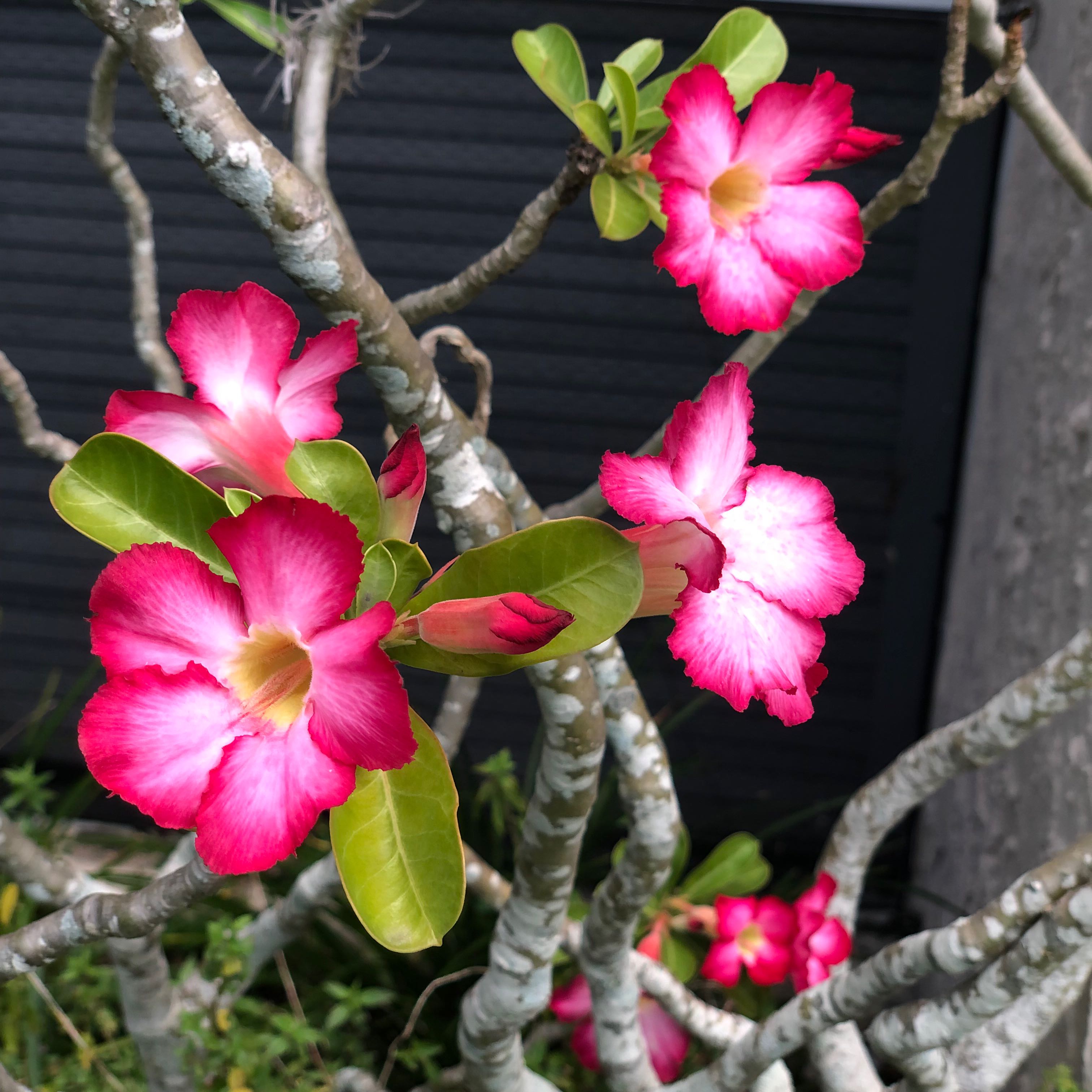
Best Soil for Desert Rose Plant
What Kind of Soil Does a Desert Rose Plant Need?
Adenium obesum is native to arid and semi-arid regions of Africa and the Arabian Peninsula, where it grows in rocky outcrops and thin, sandy soils with exceptional drainage. Its swollen, water-storing caudex is perfectly adapted to drought but is highly vulnerable to rot when surrounded by moisture-holding soil. The mix must drain in seconds, not minutes.
The most important rule for Desert Rose soil is that water should pass through almost instantly after watering. The caudex stores water internally, which means the plant can handle dry periods with ease. What it cannot handle is having the caudex base sitting in moist, oxygen-deprived soil. Rot at the caudex base is the most common way Desert Roses die in cultivation.
A commercial cactus and succulent mix is a reasonable starting point, but most commercial cactus mixes still contain enough peat or potting soil to retain more moisture than an Adenium needs. Adding pumice or coarse perlite at 30 to 50 percent of the total volume opens the mix further and brings drainage closer to what this plant experiences in the wild.
Coarse sand can substitute for pumice if it is genuinely coarse and not fine builder's sand. Fine sand packs together and can actually worsen drainage over time. The ideal mix should look and feel gritty, not silky, and a pinch of it should fall through your fingers with no clumping. Some growers use almost entirely inorganic mixes for Adenium, with just 10 to 20 percent organic matter.
What Soil Mix Should I Use for My Desert Rose Plant?

What pH Does My Desert Rose Plant Need?
Desert Rose Plants prefer a slightly neutral to mildly alkaline soil, with a pH range of 6.0 to 7.0. This reflects the often calcareous, mineral-heavy rocky soils of their native habitat. A basic soil pH meter or test strips from a garden center can confirm your mix is in range. Most commercial cactus mixes are formulated close to neutral and are a reasonable starting point without amendment.
When soil pH drops below 5.5, Desert Roses may show slow growth and pale foliage as nutrient availability shifts. Excessively alkaline conditions above 7.5 can lock out phosphorus and cause poor flowering. In practice, Desert Roses are tolerant of modest pH variation, and most problems attributed to pH are actually caused by overwatering and poor drainage rather than chemical imbalance.
When Should I Replace My Desert Rose Plant's Soil?
Desert Rose soil benefits from refreshing every 2 to 3 years. The inorganic components, pumice and coarse sand, do not break down meaningfully. However, the organic fraction decomposes over time and compacts, gradually slowing drainage. When the mix no longer drains as quickly as it once did, it is time to refresh.
Desert Roses grow slowly, so they do not become root-bound quickly. When you do repot, late spring to early summer is the best window, after the plant has broken dormancy and temperatures are reliably warm. Handle the caudex carefully during repotting and allow the plant to settle for a week before watering, giving any damaged roots time to callous.
What Soil Amendments Does a Desert Rose Need in the Ground?
If you're planting a Desert Rose outdoors in a warm climate, its swollen caudex stores water like a desert succulent, and it absolutely cannot sit in wet soil. This plant evolved in arid, rocky ground and needs the sharpest drainage you can provide.
For clay soil, dig a wide hole and fill it with a mix of coarse sand, pumice or perlite, and just a small amount of compost. The goal is something closer to a cactus mix than garden soil. Mounding the planting area well above grade adds extra drainage protection. Sandy soil is already ideal for Desert Rose. A sprinkle of compost at planting time is plenty. Choose the hottest, most sun-baked spot in your garden.
Got More Questions?
About This Article
