π΅ Step-by-Step Guide to Fertilizing Desert Rose
Adenium obesum
By the Greg Editorial Team
Sep 29, 2024•6 min read
This article was created with the help of AI so we can cover more plants for you. May contain errors. See one? Report it here.
- π± Choose the right fertilizer: Organic for slow release, synthetic for quick boosts.
- πΌ Adjust NPK ratios: Use 10-10-10 for seedlings, 15-30-15 for blooming.
- π Fertilize seasonally: Spring for growth, reduce in fall for dormancy.
Types of Fertilizers
π± Suitable Fertilizers
When it comes to fertilizing your Desert Rose, you have two main options: organic and synthetic fertilizers.
Organic fertilizers like compost and fish emulsion enrich the soil naturally, promoting healthy microbial activity. They release nutrients slowly, which can lead to more sustained plant growth.
On the other hand, synthetic fertilizers, such as commercial NPK blends, provide a quick nutrient boost. They are formulated for specific nutrient ratios, allowing for targeted feeding.
Organic vs. Synthetic: A Quick Comparison
| Type | Nutrient Release Rate | Plant Response |
|---|---|---|
| Organic | Slow | Steady growth |
| Synthetic | Fast | Immediate nutrient uptake |
Understanding the differences can help you choose the right fertilizer for your Desert Rose's needs.
π Recommended NPK Ratios
Choosing the right NPK ratio is crucial for optimal growth. For Desert Roses, ideal ratios are typically 10-10-10 or 15-30-15.
- Nitrogen (N) supports leafy growth.
- Phosphorus (P) is essential for blooming.
- Potassium (K) aids overall plant health and resilience.
Adjusting NPK Ratios by Growth Stage
- Seedling Stage: Use a balanced ratio like 10-10-10 to promote strong initial growth.
- Vegetative Growth: Stick with 10-10-10 or slightly higher nitrogen to encourage foliage.
- Blooming Phase: Switch to a higher phosphorus ratio, like 15-30-15, to boost flower production.
By adjusting the NPK ratios according to growth stages, you can ensure your Desert Rose thrives at every phase of its life cycle.
With the right fertilizers and NPK ratios in place, you're well on your way to nurturing a vibrant Desert Rose. Next, letβs explore the best fertilizing schedule to keep your plant flourishing throughout the year.
Fertilizing Schedule
Best Times of Year to Fertilize π±
Spring is the perfect time to kickstart your Desert Rose's growth after its winter dormancy. As temperatures rise, your plant will benefit from a nutrient boost to support new growth.
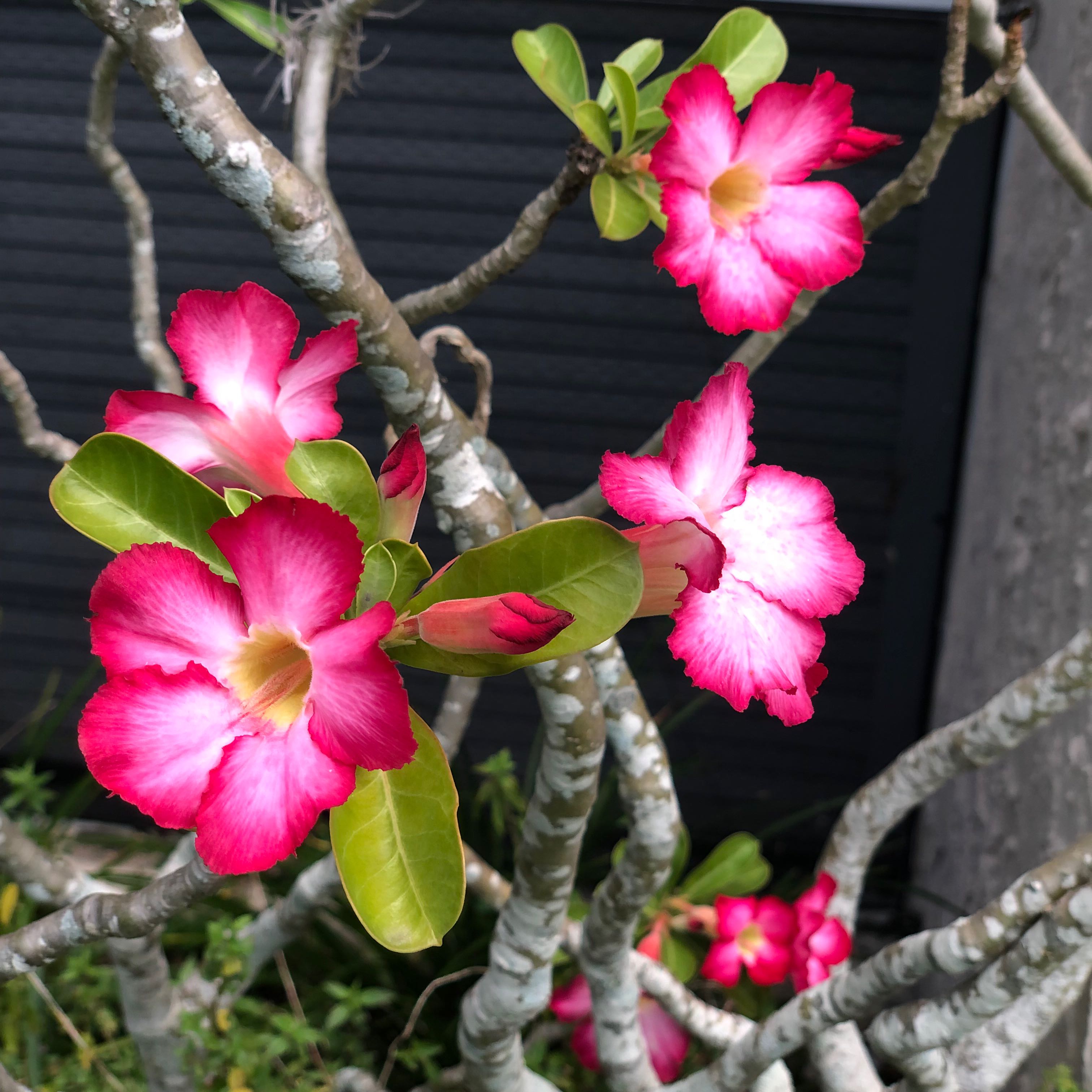
Summer is all about blooming. During this phase, regular fertilization will help your Desert Rose produce those stunning flowers that make it so popular.
As fall approaches, it's time to prepare your plant for dormancy. Gradually reduce fertilization to help it transition smoothly into this resting period.
Frequency of Fertilization During Growth Stages π
For seedlings, aim to fertilize every 4-6 weeks using a diluted fertilizer. This gentle approach ensures they receive the nutrients they need without overwhelming them.
During vegetative growth, increase the frequency to every 2-4 weeks with a balanced fertilizer. This will support robust leaf and stem development.
In the blooming phase, switch to a high phosphorus fertilizer every 2 weeks. This nutrient is crucial for promoting vibrant flowers and overall plant health.
Adjusting Fertilization Based on Seasonal Changes π‘οΈ
Keep an eye on temperature and light levels, as these factors significantly impact growth rates. Warmer temperatures and longer days usually mean your plant will need more nutrients.
In cooler months, reduce the frequency of fertilization. Your Desert Rose may enter dormancy, requiring less support.
Watch for signs of nutrient deficiency, such as yellowing leaves or stunted growth, especially during seasonal transitions. Addressing these issues promptly can keep your plant thriving year-round.
With a solid fertilizing schedule in place, your Desert Rose will flourish beautifully. Next, letβs explore the best application methods to ensure those nutrients reach your plant effectively.
Application Methods
Step-by-Step Guide to Applying Liquid Fertilizer π
Applying liquid fertilizer is straightforward and effective for your Desert Rose.
- Dilute liquid fertilizer according to package instructions.
- Water the Desert Rose thoroughly before application to prepare the soil.
- Apply diluted fertilizer around the base of the plant, steering clear of the stems to prevent burn.
- Follow up with additional water to help the nutrients soak in.
How to Use Granular Fertilizers Effectively πΎ
Granular fertilizers can also provide essential nutrients, but they require a bit more care.
- Choose a granular fertilizer that matches the recommended NPK ratio for your plant.
- Measure the appropriate amount based on package instructions to avoid over-fertilization.
- Spread evenly around the base of the plant, ensuring no direct contact with the stems.
- Water thoroughly afterward to activate the fertilizer and promote nutrient uptake.
Tips for Foliar Feeding πΏ
Foliar feeding can be a game-changer for your Desert Rose, enhancing nutrient absorption.
- The best time for foliar feeding is early morning or late afternoon to avoid leaf burn.
- Use a dilution ratio of 1/4 strength of liquid fertilizer for the spray.
- Spray the undersides of leaves for optimal absorption, as this is where stomata are most active.
With these application methods, your Desert Rose will thrive and flourish. Next, letβs explore the signs of over-fertilization to ensure your plant remains healthy and vibrant.
Signs of Over-Fertilization
Symptoms to Watch for πΏ
Over-fertilization can be a sneaky issue for your Desert Rose. One of the first signs is yellowing leaves, which often indicates nutrient burn.
Another red flag is leaf drop. This stress response suggests your plant is overwhelmed by excess nutrients. Lastly, stunted growth can signal poor overall health, making it clear that something's off in the nutrient department.
How to Remedy Over-Fertilization Issues π§
If you suspect over-fertilization, take immediate action. Flush the soil with water to dilute those excess nutrients and give your plant a fighting chance.
Keep an eye on your plant's recovery. Look for signs of improvement, like new growth or returning color. Adjust your future fertilization practices based on how your Desert Rose responds, ensuring it gets the right nutrients at the right time.
Understanding these signs and remedies can help you maintain a thriving Desert Rose. Next, letβs explore common fertilizing mistakes to avoid for optimal plant health.
Common Fertilizing Mistakes
Misunderstanding NPK Ratios π±
Many gardeners overlook the significance of NPK ratios, assuming that all fertilizers are interchangeable. However, understanding the specific needs of your Desert Rose at different growth stages is crucial for optimal health.
Ignoring Soil Conditions and Nutrient Needs πΊ
Soil quality plays a vital role in plant health. Assessing factors like pH, drainage, and nutrient content can help you tailor your fertilization approach effectively.
Fertilizing During Dormancy π€
Recognizing the signs of dormancy, such as reduced growth and leaf drop, is essential. During this period, it's best to cease fertilization to avoid stressing your plant.
Special Considerations π
Adjusting Fertilization for Potted vs. Ground-Planted πͺ΄
Potted plants face unique challenges due to limited soil volume. This often leads to quicker nutrient depletion, necessitating more frequent fertilization compared to ground-planted varieties.
Impact of Environmental Factors π€οΈ
Temperature and humidity significantly affect nutrient uptake. Adjust your fertilization schedule based on these environmental conditions to ensure your Desert Rose thrives.
Importance of Soil Drainage and Aeration π§
Proper drainage is key to preventing over-fertilization issues. Implementing aeration techniques can enhance root health, allowing for better nutrient absorption.
Understanding these common mistakes can lead to a healthier, more vibrant Desert Rose. Next, letβs explore how to identify signs of over-fertilization and what to do if you encounter them.
β οΈ Safety First
This content is for general information and may contain errors, omissions, or outdated details. It is not medical, veterinary advice, or an endorsement of therapeutic claims.
Always consult a qualified healthcare professional before using any plant as food, medicine, or supplement.
Never eat any plant (or feed one to pets) without confirming its identity with at least two trusted sources.
If you suspect poisoning, call Poison Control (800) 222-1222, the Pet Poison Helpline (800) 213-6680, or your local emergency service immediately.
Spotted an error? Please report it here.