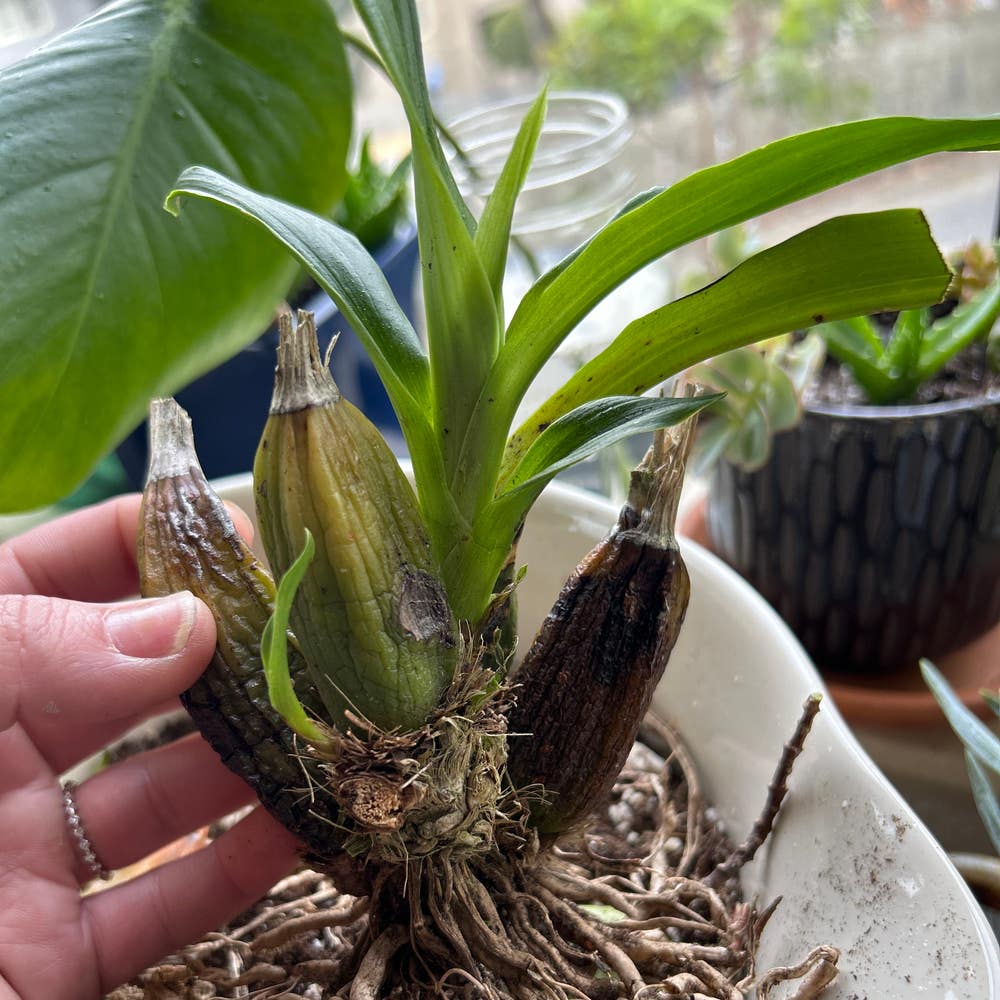
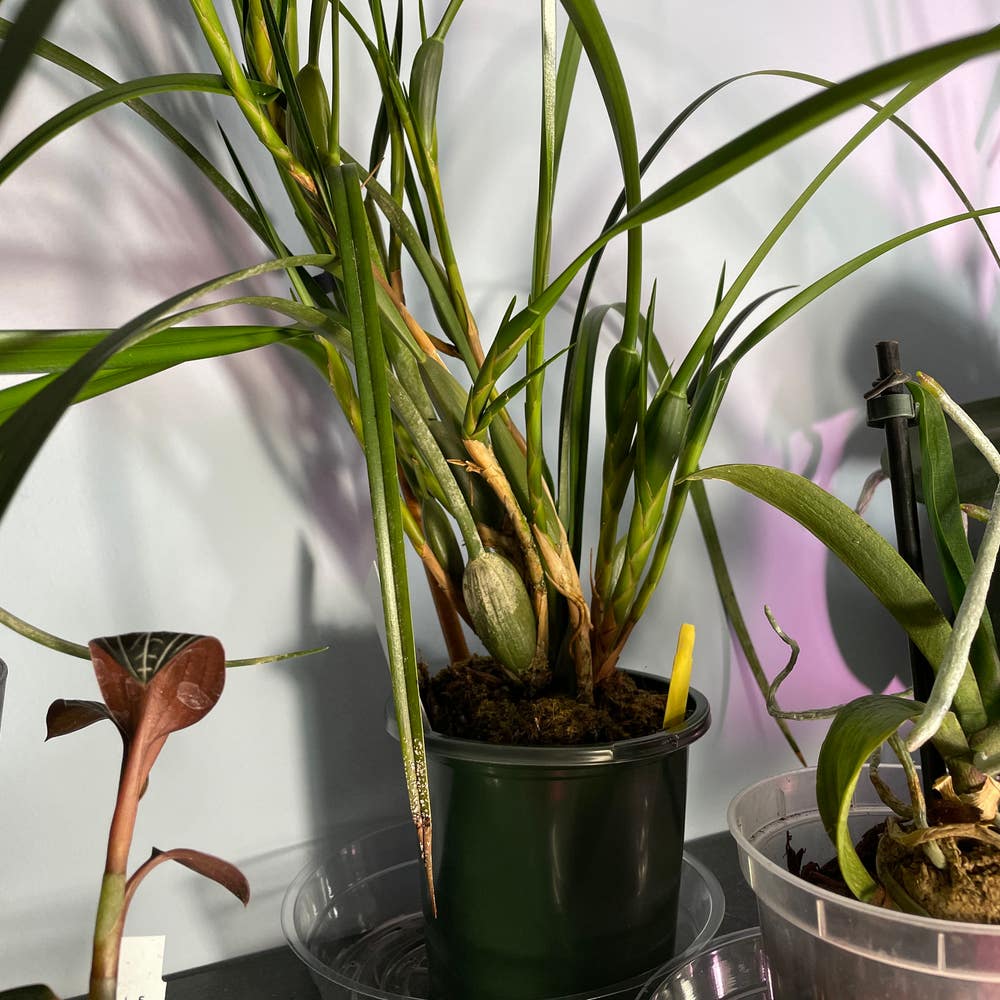
What is a Crested Eulophia? Complete Guide 🌸
Eulophia cristata
By the Greg Editorial Team
Feb 27, 2025•13 min read
This article was created with the help of AI so we can cover more plants for you. May contain errors. See one? Report it here.
Unlock the beauty of your garden with Crested Eulophia—easy to grow and stunningly unique! 🌱
- 🌞 Crested Eulophia thrives in full sun to partial shade; choose the right location!
- 🌱 Use well-draining, fertile soil with a pH of 6.0-7.0 for optimal growth.
- 🐞 Monitor for pests and diseases regularly to ensure healthy plants.
How to Grow
Choosing a Location 🌞
Crested Eulophia thrives in full sun to partial shade. When deciding between outdoor and container growing, consider the plant's light needs and the space available.
Soil Preparation 🏞️
For optimal growth, use well-draining, fertile soil. Aim for a pH level between 6.0 and 7.0, which is slightly acidic to neutral.
Planting Techniques 🌱
Plant your Crested Eulophia 2-3 inches deep in the soil. If planting outdoors, space them 12-18 inches apart to allow for healthy growth.
Watering Requirements 🚰
Water your plants when the top inch of soil feels dry. Ensure proper drainage to avoid waterlogging, which can harm the roots.
Fertilizing Schedule 🍽️
Use a balanced NPK fertilizer to nourish your plants. Fertilize every 4-6 weeks during the growing season for best results.
Pruning Methods ✂️
Prune your Crested Eulophia after flowering to encourage new growth. Focus on removing any dead or damaged leaves to keep the plant healthy.
Ongoing Care 🛡️
Regularly monitor your plants for pests and diseases. Adjust your care routine based on seasonal changes to ensure they thrive year-round.
With these guidelines, you'll be well on your way to successfully growing Crested Eulophia. Next, let’s explore how to propagate this beautiful plant for even more greenery!
Propagation
🌱 Seed Propagation
To start propagating Crested Eulophia from seeds, begin by soaking the seeds for 24 hours. This simple step helps to enhance germination rates.
Next, sow the seeds at a depth of 1/4 inch in seed trays. Ensure the trays are kept in a warm environment for optimal growth.
✂️ Division of Established Plants
Dividing established plants is another effective propagation method. The best time to do this is in spring or fall when the plant is actively growing.
Carefully separate the root clumps, ensuring each division has healthy roots and foliage. This technique not only propagates new plants but also rejuvenates the parent plant.
💧 Tips for Successful Propagation
Maintaining humidity is crucial for successful propagation. You can achieve this by using a plastic cover over the seed trays or misting them regularly.
For the best germination results, keep the temperature around 70°F (21°C). This warm environment encourages seeds to sprout and thrive.
With these propagation techniques, you can expand your collection of Crested Eulophia and enjoy their unique beauty in your garden. Up next, we’ll explore the lifecycle of this fascinating plant, detailing its growth stages and development.
Lifecycle
🌱 Lifecycle Stages
The lifecycle of the Crested Eulophia is fascinating and unfolds in several distinct stages. It begins with germination, which takes about 10-14 days for seeds to sprout.
Once germination occurs, the plant enters the seedling stage, where true leaves start to develop. This is followed by vegetative growth, during which the plant establishes its foliage and prepares for flowering. Flowering typically happens in late summer, showcasing the plant's unique beauty. After flowering, the plant produces seeds, completing its lifecycle.
⏳ Duration Until Maturity
Patience is key when growing Crested Eulophia. It takes approximately 2-3 years for the plant to reach full maturity.
During this time, proper care can significantly influence growth and flowering. Regular monitoring and adjustments to care routines will help ensure a healthy plant.
⚡️ Growth Speed and Lifespan
Crested Eulophia exhibits a moderate growth rate, with variations depending on seasonal conditions. With the right care, this plant can live for several years, providing beauty and interest to your garden.
Understanding its growth speed and lifespan can help you plan your garden effectively. By nurturing your Crested Eulophia, you can enjoy its vibrant presence for many seasons to come.
As we explore the next section, we'll delve into the size of this remarkable plant and what factors influence its growth.
Size
Mature Height and Spread 🌱
Crested Eulophia typically reaches a mature height of 1 to 3 feet, making it a manageable addition to any garden. Its average spread ranges from 1 to 2 feet, allowing for a compact yet visually appealing display.
Growth Rate and Size Variability 📈
Several factors influence the growth rate of Crested Eulophia, including light exposure, water availability, and soil quality. Variability in size can occur based on these growing conditions, so it's essential to provide optimal care.
Impact of Growing Conditions on Size 🌍
Growing conditions can significantly affect the size of Crested Eulophia. Plants in containers may exhibit different growth patterns compared to those planted in the ground, often due to space limitations and nutrient availability.
Nutrient-rich soil can enhance growth, while poor soil quality may stunt development. Understanding these dynamics will help you cultivate a thriving Crested Eulophia that fits your garden's aesthetic.
As you consider the size and growth of your Crested Eulophia, keep in mind the next section on roots, which plays a crucial role in overall plant health.
Roots
Characteristics of the Root System 🌱
The Crested Eulophia features a fibrous root system that is essential for its growth. These roots are typically shallow but extensive, allowing the plant to absorb nutrients efficiently from the soil.
Common Root-Related Issues ⚠️
One of the most common problems faced by Crested Eulophia is root rot. This condition often arises from overwatering or poor drainage, leading to a decline in plant health.
To identify healthy roots, look for firm, white roots that are free from mushiness. Unhealthy roots, on the other hand, may appear brown or black and feel soft to the touch.
Recognizing Rootbound Plants 🪴
A rootbound plant shows clear signs, such as roots growing out of the drainage holes. This indicates that the plant has outgrown its container and needs more space.
To remedy this situation, consider repotting the plant into a larger container or dividing the root clumps. Both methods will help rejuvenate the plant and promote healthy growth.
Understanding the root system of your Crested Eulophia is crucial for its overall health. With proper care and attention, you can ensure your plant thrives beautifully.
Next, let’s explore the benefits of growing this unique plant in your garden.
Benefits
Top 5 Benefits 🌟
Ornamental Appeal
The Crested Eulophia boasts unique flower spikes that can transform any garden into a vibrant display. Its striking appearance adds a touch of elegance and intrigue to your outdoor space.Low Maintenance
Once established, this plant requires minimal care, making it perfect for busy gardeners. You can enjoy its beauty without the constant upkeep.Attracts Pollinators
Bees and butterflies are naturally drawn to the flowers of the Crested Eulophia. By planting it, you not only enhance your garden but also support local ecosystems.Cultural Significance
In some regions, the Crested Eulophia is valued for its traditional medicinal uses. This adds a layer of cultural richness to your gardening experience.Versatile Growing Options
Whether you have a spacious garden or limited container space, the Crested Eulophia adapts well. It thrives in various settings, offering flexibility for any gardening enthusiast.
These benefits make the Crested Eulophia a fantastic choice for both novice and experienced gardeners. Its combination of beauty, ease of care, and ecological importance truly sets it apart.
As you consider adding this plant to your collection, think about how it can enhance your garden's diversity and appeal. Next, let's explore the best companion plants that can thrive alongside the Crested Eulophia.
Companion Plants
🌱 Companion Planting
Companion planting is a fantastic way to enhance your garden's diversity while managing pests naturally. By strategically placing plants together, you can create a thriving ecosystem that benefits all your plants.
🌼 Best Companion Plants
When it comes to Crested Eulophia, consider pairing it with marigolds. These vibrant flowers act as a natural pest repellent, keeping unwanted insects at bay. Other flowering plants can also complement the visual appeal of your garden, creating a stunning display.
🚫 Plants to Avoid
However, not all plants are good companions. Avoid planting species with similar nutrient needs, as they may compete for resources. This competition can hinder the growth of your Crested Eulophia and diminish its overall health.
By choosing the right companions, you can create a flourishing garden that supports your Crested Eulophia's growth and beauty. Next, let’s explore the potential toxicity of this plant to humans and pets, ensuring a safe gardening experience.
Toxicity to Humans
Safety for Humans 🛡️
Crested Eulophia is generally considered safe for humans, as it is not listed as toxic by major poison control centers. However, if consumed in large quantities, it may cause mild skin irritation or digestive discomfort.
It's always wise to exercise caution. Monitor for any unusual symptoms after contact or ingestion, especially if you're trying it for the first time. This way, you can enjoy the beauty of Crested Eulophia without any worries.
As you explore this fascinating plant, remember that knowledge is your best ally. Understanding its safety profile helps you appreciate its ornamental value while ensuring a healthy environment for everyone.
Next, let’s dive into how Crested Eulophia interacts with our furry friends, starting with its safety for dogs.
Toxicity to Dogs
🐶 Safety for Dogs
Crested Eulophia is not listed as toxic by major pet poison control centers. This means your furry friends can safely roam around these plants without major concerns.
However, if a dog consumes large quantities, it may experience mild gastrointestinal upset. Keep an eye on your pet to ensure they don’t overindulge.
🌱 Tips for Introducing the Plant
When introducing Crested Eulophia to your garden, consider proper placement. Position the plant in areas that are less accessible to your dog to minimize any potential nibbling.
Monitoring your dog's behavior around the plant is also crucial. This way, you can quickly address any unusual interest they may show.
With a little care, you can enjoy the beauty of Crested Eulophia while keeping your canine companion safe.
Toxicity to Cats
🐱 Safety for Cats
Crested Eulophia is not listed as toxic by major pet poison control centers. This means your feline friends can safely roam around these plants without significant risk.
However, if a cat consumes large quantities, it may experience mild gastrointestinal upset. It's always wise to monitor their behavior after any new plant introduction.
🌱 Tips for Introducing the Plant
To ensure a smooth introduction, place the Crested Eulophia in areas that are less accessible to your cat. This can help prevent any unwanted nibbling.
Additionally, keep an eye on your cat's behavior around the plant. If you notice any unusual symptoms, consult your veterinarian for guidance.
By taking these precautions, you can enjoy the beauty of Crested Eulophia while keeping your furry companions safe.
Problems
Common Problems 🌱
Crested Eulophia can face several challenges that affect its health and growth.
Incorrect Watering
Overwatering can lead to root rot, while underwatering may cause wilting. Look for signs like yellowing leaves or dry, crispy edges to identify these issues.
Incorrect Light Conditions
Too much or too little light can stunt growth. If your plant's leaves are pale or stretched, it may need more light, whereas scorched leaves indicate excessive exposure.
Incorrect Temperature
Temperature fluctuations can stress the plant. Sudden cold drafts or extreme heat can lead to wilting or leaf drop.
Diseases
Fungal issues can arise, particularly in damp conditions. Keep an eye out for mold or mildew, and ensure good air circulation to prevent these problems.
Root Problems
Healthy roots are crucial for a thriving plant. Recognize root rot by checking for mushy roots, which indicate overwatering.
Identification and Causes 🔍
Identifying symptoms early can save your Crested Eulophia from decline.
Symptoms
Common signs include yellowing leaves, stunted growth, and wilting. These can stem from improper care, such as inconsistent watering or inadequate light.
Common Care Mistakes
Overlooking the plant's specific needs often leads to issues. For instance, failing to adjust watering frequency with changing seasons can create stress.
Solutions for Each Problem 🛠️
Addressing these problems promptly can revive your plant.
Watering: Adjust your watering schedule based on soil moisture. Ensure the top inch of soil dries out before watering again.
Light Conditions: Move your plant to a location with optimal light. Aim for full sun to partial shade, depending on its needs.
Temperature: Maintain a stable environment. Protect your plant from drafts and extreme temperatures.
Diseases: If you spot fungal issues, remove affected leaves and improve air circulation. Consider using fungicides if necessary.
Root Problems: For root rot, gently remove the plant from its pot and trim away damaged roots. Repot in fresh, well-draining soil.
By staying vigilant and responsive to your Crested Eulophia's needs, you can ensure it thrives beautifully. Next, let’s explore potential pest issues that may arise.
Bugs
🐛 Potential Pest Issues
Crested Eulophia can face a few pest challenges, but understanding their resistance and susceptibility is key. Generally, these plants are resilient, yet they can still attract some common pests.
🔍 Identification and Damage
Spider Mites
Look for tiny webs on the undersides of leaves, along with speckled yellowing. These pests can cause significant damage if not addressed promptly.
Scale Insects
These appear as small, brownish bumps on stems and leaves. They suck sap from the plant, leading to yellowing and stunted growth.
Mealybugs
Identified by their white, cottony appearance, mealybugs can weaken your plant by feeding on its sap. If you notice sticky residue or a sooty mold, these pests might be the culprits.
🧪 Effective Treatment Options
For spider mites, a strong blast of water can dislodge them, while insecticidal soap works well for scale insects. Mealybugs can be treated with a cotton swab dipped in alcohol to remove them effectively.
Consider using organic options like neem oil for a broader range of pests. Chemical treatments are available too, but always follow the instructions carefully to protect your plant and the environment.
By staying vigilant and addressing pest issues early, you can keep your Crested Eulophia thriving and beautiful. Next, let’s explore what animals might be interested in munching on your plants.
What Eats
🦌 Common Animals
Crested Eulophia can attract a variety of animals that may nibble on its foliage. Common culprits include deer, rabbits, and squirrels, all of which are known for their appetite for garden plants.
👀 Signs of Animal Presence
To protect your plants, it's essential to recognize signs of animal activity. Look for tracks, droppings, and damage patterns on the leaves or stems, which can indicate which animals are visiting your garden.
🚫 Methods for Deterring Animals
There are several effective strategies to keep these hungry visitors at bay.
Chemical Repellents: Use commercially available sprays designed to deter animals. These often have strong scents that animals dislike.
Organic Solutions: Consider using natural deterrents like garlic or hot pepper sprays. These can be just as effective without harsh chemicals.
Physical Barriers: Installing fences or using netting can provide a physical barrier against larger animals like deer and rabbits.
By implementing these methods, you can help ensure your Crested Eulophia thrives without unwanted munching. Now that you know how to protect your plants, let’s explore the potential pest issues that could arise.
⚠️ Safety First
This content is for general information and may contain errors, omissions, or outdated details. It is not medical, veterinary advice, or an endorsement of therapeutic claims.
Always consult a qualified healthcare professional before using any plant as food, medicine, or supplement.
Never eat any plant (or feed one to pets) without confirming its identity with at least two trusted sources.
If you suspect poisoning, call Poison Control (800) 222-1222, the Pet Poison Helpline (800) 213-6680, or your local emergency service immediately.
Spotted an error? Please report it here.
Ensure your Crested Eulophia thrives 🌱 by using Greg for tailored watering reminders and expert care tips that will help you cultivate a stunning garden!