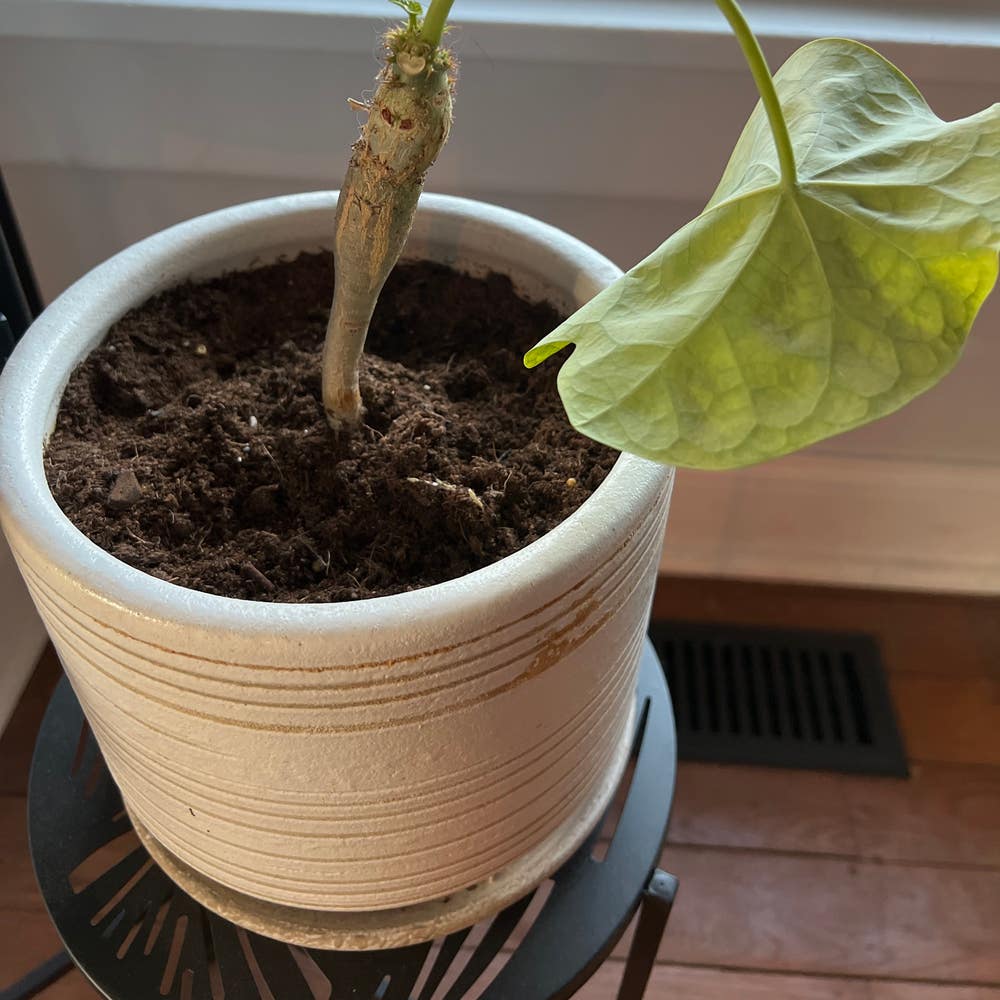
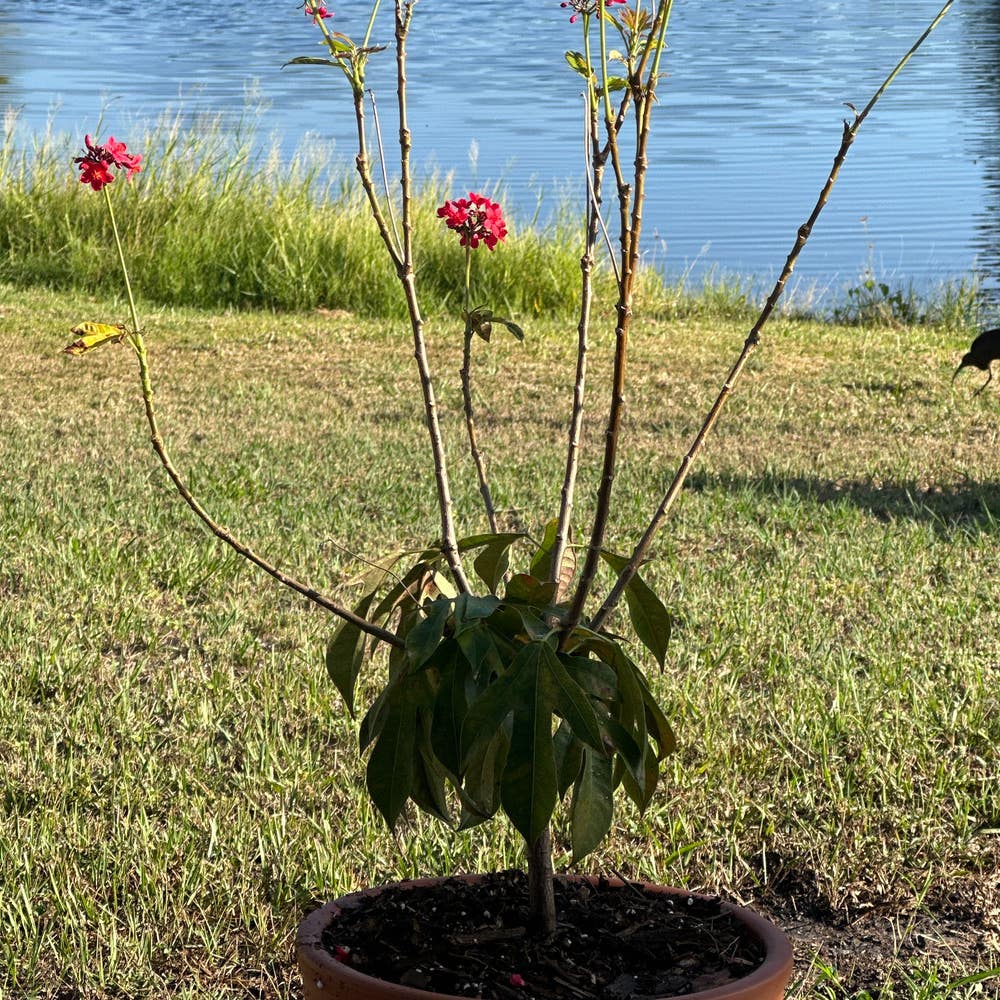
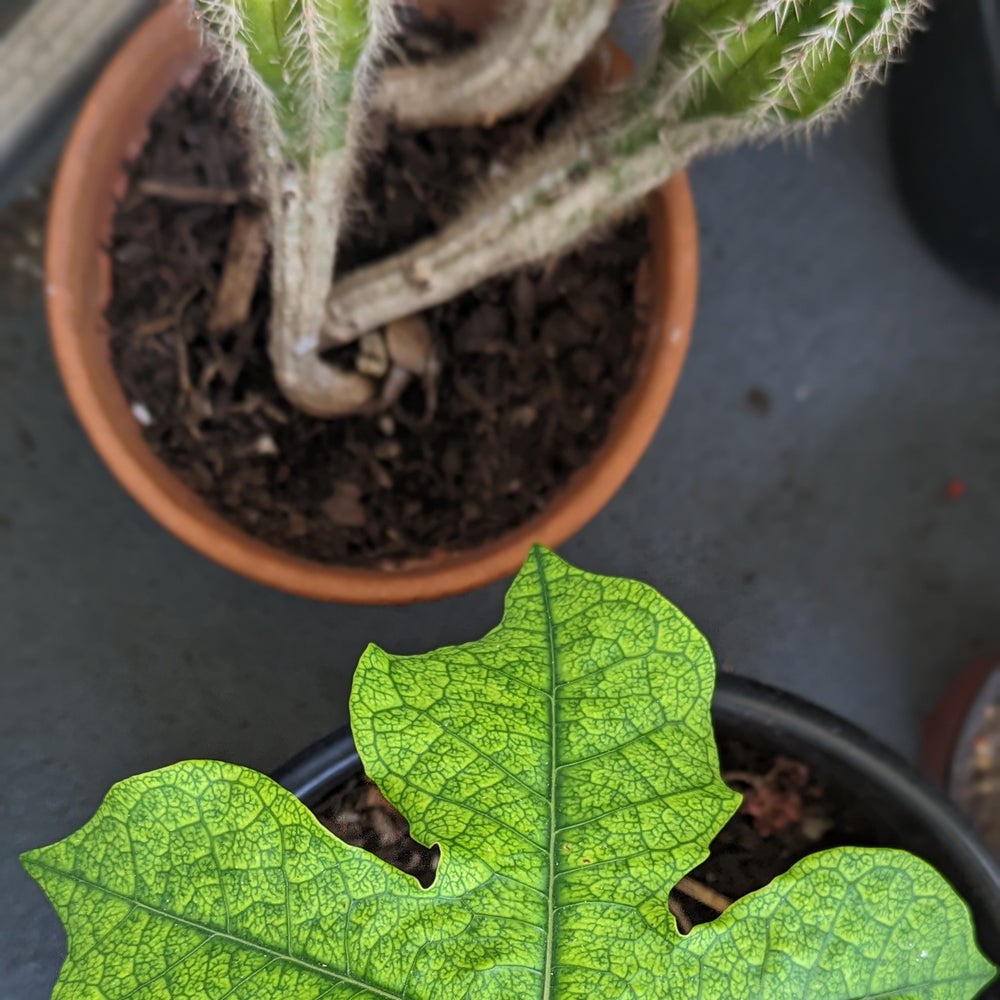
Everything You Need to Know About Cotton-Leaf Jatropha 🌼
Jatropha gossypiifolia
By the Greg Editorial Team
Feb 02, 2025•12 min read
This article was created with the help of AI so we can cover more plants for you. May contain errors. See one? Report it here.
- 🌞 Cotton-Leaf Jatropha needs 6-8 hours of sunlight for optimal growth.
- 🌱 Well-drained, fertile soil with pH 6.0-7.0 ensures healthy development.
- ⚠️ Toxic to humans and pets, ingestion causes nausea and vomiting.
How to Grow
🌞 Choosing a Location
To thrive, Cotton-Leaf Jatropha needs full sun exposure, ideally basking in 6-8 hours of sunlight daily. It flourishes in warm, tropical, or subtropical climates, making it perfect for those sunny garden spots.
🌱 Soil Preparation
This plant prefers well-drained, fertile soil to support its growth. Aim for a soil pH between slightly acidic and neutral, ideally around 6.0 to 7.0, to create the best environment for your Jatropha.
🌿 Planting Techniques
When planting seeds, ensure they are placed at a depth of 1-2 inches. For hedges, space the plants 3-4 feet apart to allow for healthy growth and airflow.
💧 Watering Requirements
Initially, keep the soil consistently moist until the plants are established. Once settled, Cotton-Leaf Jatropha shows moderate drought tolerance, requiring less frequent watering.
🌼 Fertilizing Schedule
During the growing season, fertilize every 4-6 weeks to promote robust growth. A balanced NPK fertilizer, such as 10-10-10, is recommended for optimal results.
✂️ Pruning Methods
Prune your Jatropha in late winter or early spring to encourage healthy growth. Focus on removing dead or damaged branches and shaping the plant for aesthetic appeal.
🌿 Ongoing Care
For container-grown plants, ensure adequate drainage and regularly monitor moisture levels. In outdoor settings, apply mulch to retain moisture and keep an eye out for any pest issues.
With these steps, you'll create a thriving environment for your Cotton-Leaf Jatropha, setting the stage for a vibrant addition to your garden. Next, let’s explore how to propagate this resilient plant effectively.
Propagation
🌱 Seed Propagation
To start with seed propagation, soak your seeds for 24 hours before planting. This simple step helps kickstart the germination process, which typically takes about 2-3 weeks.
✂️ Cutting Propagation
For cutting propagation, select healthy stems that are 4-6 inches long. Use a well-draining soil or perlite as your rooting medium to encourage strong root development.
🌿 Layering Techniques
Layering is another effective method. Bend a low branch to the ground, cover it with soil, and in about 4-6 weeks, you should see roots developing.
These propagation techniques can help you expand your cotton-leaf jatropha collection effortlessly. Whether you choose seeds, cuttings, or layering, each method offers a unique way to grow this vibrant plant. Next, let’s explore the lifecycle of cotton-leaf jatropha and understand its growth stages.
Lifecycle
Lifecycle Stages 🌱
Cotton-leaf jatropha is typically grown as a perennial, meaning it can live for several years and produce multiple harvests. This longevity makes it a valuable addition to gardens and landscapes.
Germination Process 🌡️
For successful germination, warm temperatures and consistent moisture are essential. These conditions help the seeds break dormancy and sprout effectively.
Seedling Stage 🌿
Once germinated, the seedling stage lasts about 4-6 weeks. During this time, the plant develops its first true leaves, marking its transition into a more established growth phase.
Vegetative Growth 🌳
The vegetative growth period spans 3-6 months, during which the plant focuses on building its structure. This stage is crucial for establishing a strong foundation before flowering begins.
Flowering and Seed Production 🌸
Flowering typically occurs in late spring to summer, bringing vibrant blooms that attract pollinators. After flowering, the plant produces viable seeds, ensuring the continuation of its lifecycle.
Lifespan and Growth Timeline ⏳
Under optimal conditions, cotton-leaf jatropha can live for 5-10 years. It has a moderate growth rate, often reaching maturity within 1-2 years, making it a rewarding choice for gardeners looking for a resilient plant.
As we explore the benefits of cotton-leaf jatropha, you'll discover why this plant is not just a pretty face in the garden.
Size
Mature Height and Spread 🌳
Cotton-leaf Jatropha can reach an impressive height of 3 to 10 feet, depending on the growing conditions. Its spread typically ranges from 3 to 5 feet, making it a versatile choice for various garden layouts.
Growth Rate and Size Variability 📈
This plant exhibits a moderate growth rate, which can be influenced by the level of care it receives and its environment. Factors such as soil quality, water availability, and sunlight exposure play a crucial role in determining its ultimate size and health.
Understanding these aspects can help you cultivate a thriving Cotton-leaf Jatropha that fits perfectly into your garden space. As you plan for its growth, consider how these variables can enhance your gardening experience.
Roots
Root System Characteristics 🌱
Cotton-leaf Jatropha features a fibrous root system that plays a crucial role in its overall health. This type of root structure helps the plant absorb nutrients and water efficiently.
Depth and Spread of Roots 📏
Typically, the roots extend to a depth of 1-2 feet. They can spread outwards, reaching up to 2-3 feet from the base, allowing the plant to stabilize itself in various soil conditions.
Common Root-Related Issues ⚠️
One of the most common problems is root rot, often caused by overwatering. Signs of root rot include wilting and yellowing leaves, indicating that the roots are struggling.
Identifying Healthy vs. Unhealthy Roots 🔍
Healthy roots are firm, white, and spread evenly throughout the soil. In contrast, unhealthy roots may appear dark, mushy, or emit a foul smell, signaling that something is wrong.
Recognizing Rootbound Plants and Solutions 🪴
If you notice roots growing out of the drainage holes, your plant may be rootbound. To remedy this, consider repotting into a larger container or pruning the roots to encourage healthier growth.
Understanding the root system of Cotton-leaf Jatropha is essential for its care and maintenance. By keeping an eye on root health, you can ensure your plant thrives and flourishes.
Benefits
Top 5 Benefits 🌟
Cotton-leaf Jatropha offers a range of advantages that make it a fantastic addition to any garden. Here are the top five benefits:
Ornamental Appeal: With its vibrant foliage and striking flowers, Cotton-leaf Jatropha enhances the aesthetics of any landscape. Its lush appearance can serve as a focal point in your garden.
Drought Tolerance: Once established, this plant requires minimal water, making it an excellent choice for water-wise gardening. Its ability to thrive in dry conditions helps conserve water resources.
Medicinal Uses: Traditionally, Cotton-leaf Jatropha has been recognized for its potential health benefits. Various parts of the plant are used in folk medicine, showcasing its versatility beyond mere decoration.
Erosion Control: This plant is effective in stabilizing soil, making it a great option for gardens prone to erosion. Its root system helps hold the soil in place, promoting a healthier environment.
Wildlife Attraction: Cotton-leaf Jatropha provides a habitat for pollinators and beneficial insects. By planting it, you contribute to local biodiversity and support the ecosystem.
These benefits highlight why Cotton-leaf Jatropha is not just a pretty plant but a valuable addition to any garden. Its resilience and multifunctional uses make it a smart choice for both novice and experienced gardeners.
As you explore the advantages of Cotton-leaf Jatropha, consider how it can complement other plants in your garden. Next, we’ll delve into the concept of companion planting and discover which plants pair well with this vibrant species.
Companion Plants
🌱 Concept of Companion Planting
Companion planting is all about creating a harmonious garden ecosystem. By pairing plants that benefit each other, you can enhance garden diversity, improve pest management, and promote healthier growth.
🌼 Best Companion Plants
Some of the best companions for Cotton-Leaf Jatropha include:
- Marigolds: These vibrant flowers act as natural pest repellents, keeping harmful insects at bay.
- Basil: Not only does it thrive under similar care conditions, but it also enhances the flavor of nearby plants.
🚫 Plants to Avoid
While companion planting can be beneficial, some plants can compete for nutrients and space. Avoid planting Cotton-Leaf Jatropha near members of the Nightshade family, as they can hinder each other's growth.
By carefully selecting companion plants, you can create a thriving garden that supports the health and vitality of your Cotton-Leaf Jatropha. This thoughtful approach not only enhances your garden's aesthetics but also fosters a more resilient plant community.
Next, let’s explore the potential toxicity of Cotton-Leaf Jatropha to humans, dogs, and cats.
Toxicity to Humans
Toxic Parts 🥴
Cotton-leaf jatropha contains several toxic parts, including its leaves, seeds, and sap. It's crucial to be aware of these components to prevent accidental exposure.
Poisonous Compounds and Symptoms 🤢
The primary harmful compounds found in this plant are phorbol esters. Symptoms of poisoning can include nausea, vomiting, diarrhea, abdominal pain, and dizziness, which can be quite distressing.
How Poisoning Can Occur 🚨
Poisoning can occur through various means: ingesting any part of the plant, coming into contact with its sap, or even inhaling smoke from burning the plant. Awareness of these risks is essential for safety.
When to Seek Medical Care 🏥
If severe symptoms arise or if ingestion occurs, immediate medical attention is necessary. Prompt care can make a significant difference in recovery outcomes.
Understanding the toxicity of cotton-leaf jatropha is vital for anyone considering growing this plant. Being informed helps ensure a safe and enjoyable gardening experience.
Next, let’s explore the toxicity of cotton-leaf jatropha specifically concerning pets, particularly dogs and cats.
Toxicity to Dogs
Toxic Parts 🐾
Cotton-leaf jatropha can be harmful to dogs, particularly its leaves and seeds. These parts contain compounds that can lead to serious health issues if ingested.
Symptoms of Poisoning 🤢
If a dog consumes any part of this plant, you may notice symptoms such as drooling, vomiting, diarrhea, weakness, and tremors. These signs can indicate that your furry friend is experiencing distress and needs immediate attention.
Prevention Measures 🛡️
To keep your dog safe, supervise their outdoor time and consider removing cotton-leaf jatropha from your garden. Taking these precautions can help prevent accidental ingestion and ensure your pet stays healthy and happy.
Toxicity to Cats
Toxic Parts 🐱
Cotton-leaf jatropha can pose a risk to our feline friends. The leaves and seeds of this plant contain compounds that are harmful if ingested.
Symptoms of Poisoning 🤢
If a cat consumes any part of the cotton-leaf jatropha, you may notice several alarming symptoms. These include drooling, vomiting, diarrhea, weakness, and tremors, which require immediate attention.
Prevention Measures 🚫
To keep your cats safe, consider a few preventive steps. Keeping cats indoors is a smart move, and if they do venture outside, supervise their time to prevent any nibbling on this toxic plant. Additionally, removing cotton-leaf jatropha from your garden can eliminate the risk altogether.
By being proactive, you can ensure a safe environment for your furry companions while enjoying your garden's beauty.
Problems
🌱 Common Problems
Growing Cotton-Leaf Jatropha can come with its share of challenges. Two of the most common issues are incorrect watering and inadequate light conditions.
Incorrect Watering
Overwatering can lead to root rot, while underwatering may cause stress to the plant. Look for signs like wilting or yellowing leaves to determine the right balance.
Incorrect Light Conditions
If your Jatropha isn't getting enough sunlight, it may show signs of stunted growth. Ensure your plant receives at least 6-8 hours of full sun daily for optimal health.
Diseases
Watch out for diseases such as powdery mildew, rust, and black rot. These can weaken your plant and affect its overall vitality.
🔍 Identifying Unhealthy Plants
Identifying unhealthy plants early can save you a lot of trouble. Key signs include wilting, yellowing leaves, and stunted growth.
If you notice these symptoms, it’s time to investigate further. A little attention can often turn things around.
🛠️ Solutions for Common Issues
Overwatering
If you suspect overwatering, adjust your watering schedule immediately. Improving drainage can also help prevent future issues.
Underwatering
For underwatered plants, increase your watering frequency. Regularly check soil moisture to ensure your Jatropha stays hydrated.
By staying vigilant and responsive to these common problems, you can keep your Cotton-Leaf Jatropha thriving. Next, let’s explore the fascinating world of pests that might be lurking around your plant.
Bugs
🐛 Potential Pest Issues
Cotton-leaf jatropha can attract a variety of pests, making it essential for gardeners to stay vigilant. While some pests may be deterred by the plant's natural defenses, others can pose significant threats to its health.
🔍 Identification of Common Pests
Identifying pests early can save your jatropha from serious damage. Here are some common culprits:
- Spider Mites: Look for fine webbing on leaves, which indicates their presence.
- Scale Insects: These pests leave a sticky residue and can cause yellowing leaves.
- Mealybugs: Recognizable by their cotton-like masses on stems, mealybugs can quickly infest your plant.
⚠️ Damage Caused by Pests
Pests can wreak havoc on your cotton-leaf jatropha, leading to various issues. Common effects include stunted growth, leaf drop, and reduced vigor, all of which can compromise the plant's overall health.
🧪 Treatment Options
Fortunately, there are effective ways to combat these pests. Consider using:
- Neem Oil: A natural pesticide that disrupts pest life cycles.
- Insecticidal Soap: This option suffocates pests on contact.
- Beneficial Insects: Introducing ladybugs or lacewings can help control pest populations naturally.
By staying proactive and addressing pest issues promptly, you can ensure your cotton-leaf jatropha thrives. Next, let’s explore what animals might be munching on your plant and how to deter them effectively.
What Eats Cotton-Leaf Jatropha
🦌 Common Animals
Cotton-leaf Jatropha can attract a variety of wildlife.
- Deer are notorious for browsing on the leaves, leaving behind telltale signs of nibbling.
- Rabbits may chew on the stems and leaves, causing noticeable damage.
- Squirrels are also culprits, often seen gnawing on branches.
🕵️♂️ Signs of Animal Presence
Identifying animal visitors is crucial for protecting your plants.
Look for tracks in the soil, droppings near the base, and visible damage to the foliage.
These signs can help you determine which animals are frequenting your garden.
⚠️ Types of Damage
The impact of these animals can be significant.
- Leaf stripping can leave your plant looking bare and unhealthy.
- Stunted growth may occur as the plant struggles to recover from the damage.
- Overall, you might notice a decline in the plant's vigor and health.
🚫 Deterrent Methods
Preventing animal damage is key to maintaining a healthy Cotton-leaf Jatropha.
Consider these effective deterrent methods:
- Fencing can create a physical barrier against larger animals like deer.
- Repellents can be applied to deter rabbits and squirrels, making your plants less appealing.
- Companion planting strategies can also help, as certain plants can repel unwanted visitors while attracting beneficial ones.
By implementing these strategies, you can protect your Cotton-leaf Jatropha and ensure it thrives in your garden.
Next, let’s explore the common problems that can affect this resilient plant.
⚠️ Safety First
This content is for general information and may contain errors, omissions, or outdated details. It is not medical, veterinary advice, or an endorsement of therapeutic claims.
Always consult a qualified healthcare professional before using any plant as food, medicine, or supplement.
Never eat any plant (or feed one to pets) without confirming its identity with at least two trusted sources.
If you suspect poisoning, call Poison Control (800) 222-1222, the Pet Poison Helpline (800) 213-6680, or your local emergency service immediately.
Spotted an error? Please report it here.
Watch your Cotton-Leaf Jatropha thrive 🌱 with Greg's custom watering alerts and fertilization tips that ensure your plant gets the care it needs for a stunning garden!