🌳 Ultimate Guide to Bellyache Bush
Jatropha gossypiifolia
By the Greg Editorial Team
Jan 23, 2025•11 min read
This article was created with the help of AI so we can cover more plants for you. May contain errors. See one? Report it here.
- 🌞 Bellyache Bush thrives in warm climates with full sun and well-draining soil.
- ⚠️ Toxic to humans and pets, ingestion causes nausea, drooling, and dizziness.
- 🌱 Regular care includes deep watering, pruning, and pest management for optimal growth.
How to Grow
🌞 Choosing a Location
To ensure your Bellyache Bush thrives, select a spot that receives full sun. This plant flourishes in warm climates, ideally when temperatures exceed 20°C (68°F).
🌱 Soil Preparation
Bellyache Bush prefers well-draining soil, ideally sandy or loamy. Aim for a slightly acidic to neutral pH, between 6.0 and 7.0, to create the perfect growing environment.
🌿 Planting Techniques
When planting outdoors, space your Bellyache Bush 3-5 feet apart to allow for healthy growth. Plant seeds or cuttings at a depth of 1-2 inches for optimal establishment.
💧 Watering Requirements
Water your Bellyache Bush when the top inch of soil feels dry. Deep watering is essential to encourage robust root growth, but be cautious to avoid waterlogging.
🌼 Fertilizing
Use a balanced fertilizer, such as NPK 10-10-10, to nourish your plant. Fertilize every 4-6 weeks during the growing season to support its growth.
✂️ Pruning
Prune your Bellyache Bush in late winter or early spring, just before new growth begins. Focus on removing dead or damaged branches to promote healthier overall growth.
🔍 Ongoing Care
Regularly monitor your plant for signs of stress or disease. Adjust your care routine based on seasonal changes to keep your Bellyache Bush thriving throughout the year.
With these essential tips, you’ll be well on your way to cultivating a healthy and vibrant Bellyache Bush. Next, let’s explore how to propagate this fascinating plant!
Propagation
Seed Propagation 🌱
To start your Bellyache Bush from seeds, begin by soaking them for 24 hours before planting. This simple step kickstarts the germination process, setting the stage for healthy growth.
For optimal results, provide a warm, moist environment for the seeds to thrive. Aim for a period of 1-2 weeks to encourage germination, ensuring they have the best chance to sprout.
Cutting Propagation ✂️
If you prefer propagation through cuttings, select healthy stems that are 4-6 inches long. This method is effective and can yield new plants quickly.
Use a rooting medium that combines perlite and peat moss for the best results. Expect rooting to take approximately 2-4 weeks, giving you a new Bellyache Bush ready for planting.
With these propagation techniques, you can easily expand your garden and enjoy the beauty of Bellyache Bush in multiple locations. Next, let’s explore the lifecycle of this fascinating plant.
Lifecycle
Lifecycle Stages 🌱
The bellyache bush goes through several distinct stages: seed, seedling, vegetative growth, flowering, and seed production. This progression is essential for understanding how to nurture the plant effectively.
Lifespan 🌳
Typically, the bellyache bush is a perennial plant, meaning it can live for multiple years. This longevity allows gardeners to enjoy its beauty and benefits over time.
Time to Maturity ⏳
It takes approximately 1-2 years for the bellyache bush to reach full maturity. Patience is key, as the plant develops its structure and resilience during this period.
Growth Rate 📈
The growth rate of the bellyache bush is moderate. However, with optimal conditions—like proper sunlight, watering, and soil—it can grow faster, rewarding your care with lush foliage and vibrant flowers.
Understanding the lifecycle of the bellyache bush not only enhances your gardening skills but also deepens your appreciation for this remarkable plant. Next, we’ll explore its size and how it can fit into your garden landscape.
Size
Mature Height and Spread 🌳
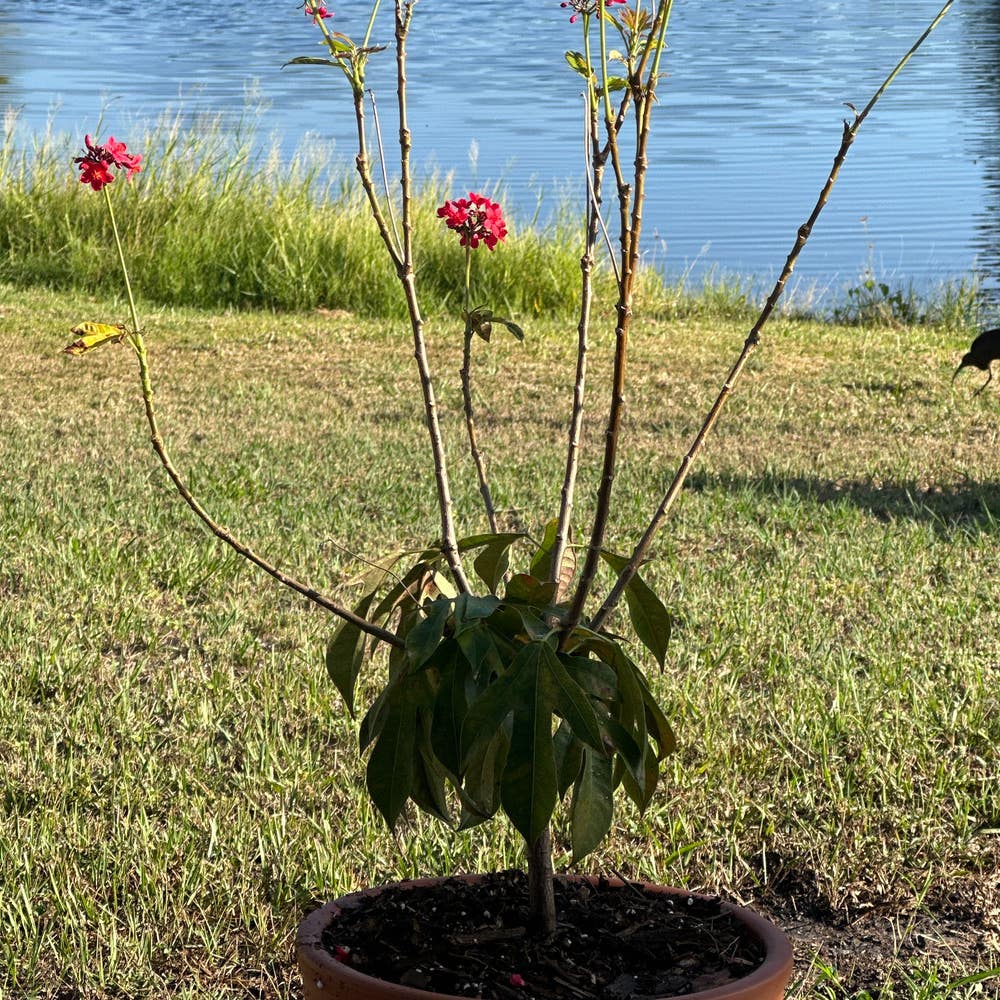
Bellyache Bush can reach a mature height of 3 to 10 feet, depending on the growing conditions. Its spread typically ranges from 3 to 5 feet wide, making it a versatile addition to any garden.
Growth Rate and Size Variability 📈
Several factors influence the size of Bellyache Bush, including soil quality, watering practices, and sunlight exposure. As a result, the size can vary significantly; optimal conditions lead to more robust growth, while less favorable conditions may stunt its development.
Understanding these aspects can help you cultivate a thriving Bellyache Bush that fits perfectly into your garden's landscape. With the right care, you can enjoy its full potential and vibrant presence.
Next, let’s explore the fascinating lifecycle of this resilient plant.
Roots
Root System Characteristics 🌱
Bellyache bush features a fibrous root system that is essential for its stability and nutrient uptake. While the roots are typically shallow, they can spread widely, allowing the plant to access moisture and nutrients from a larger area.
Common Root-Related Issues ⚠️
One of the most common problems is root rot, which occurs due to overwatering. This condition leads to mushy roots that can severely impact the plant's health.
Another issue is being rootbound, which happens when the roots fill the container, restricting growth. This can stunt the plant and lead to poor overall health.
Visual Cues for Healthy vs. Unhealthy Roots 👀
Healthy roots are firm, white, and spread throughout the soil, indicating a thriving plant. In contrast, unhealthy roots appear dark, mushy, or even foul-smelling, signaling that immediate action is needed to save the plant.
Understanding these root characteristics and issues is crucial for maintaining a healthy bellyache bush. With proper care, you can ensure that your plant thrives and contributes beautifully to your garden.
Next, let’s explore the benefits of growing this unique plant.
Benefits
Top 5 Benefits 🌟
Ornamental Appeal
Bellyache bush is a stunning addition to any garden. Its attractive foliage and vibrant flowers can enhance your outdoor space, making it a visual delight.
Medicinal Uses
This plant has a rich history in herbal medicine. While it offers potential health benefits, it's essential to use it with caution due to its toxicity.
Drought Resistance
Once established, bellyache bush thrives in dry conditions. Its adaptability makes it a fantastic choice for water-wise gardening.
Pollinator Attraction
The flowers of the bellyache bush are a magnet for pollinators. Bees and butterflies flock to its blooms, supporting local ecosystems.
Erosion Control
This plant plays a vital role in stabilizing soil. Its robust root system helps prevent erosion in challenging environments.
Cultural Significance 🌍
Bellyache bush holds symbolic value in various cultures. It is often linked to traditional medicine practices, showcasing its importance beyond mere aesthetics.
These benefits make bellyache bush not only a beautiful addition to your garden but also a valuable ally in promoting biodiversity and sustainability.
Companion Plants
🌱 Explanation of Companion Planting
Companion planting is a gardening strategy that involves growing different plants together for mutual benefits. This practice enhances garden diversity, improves pest management, and boosts overall plant health.
🌼 Beneficial Companion Plants
When considering companion plants for Bellyache Bush, a few stand out:
- Marigolds: These vibrant flowers act as natural pest repellents, keeping harmful insects at bay.
- Basil: Sharing similar care needs, basil thrives alongside Bellyache Bush, promoting a harmonious garden environment.
- Drought-tolerant plants: Pairing with other drought-resistant species can create a resilient garden that conserves water.
🚫 Plants to Avoid
While some plants thrive together, others can create problems. It's best to avoid planting Bellyache Bush near nightshades, as they can potentially spread diseases that may harm your garden.
Companion planting not only enriches your garden but also fosters a thriving ecosystem. By choosing the right partners for your Bellyache Bush, you can create a vibrant and healthy space that benefits all plants involved.
Next, let’s explore the fascinating topic of toxicity, particularly how Bellyache Bush affects humans and pets.
Toxicity to Humans
Identification of Toxic Parts 🌿
Bellyache bush is not just a pretty plant; its leaves and seeds contain harmful compounds that can pose serious health risks. It's crucial to recognize these toxic parts to prevent accidental exposure.
Symptoms of Poisoning 🤢
If someone ingests any part of the bellyache bush, they may experience a range of unpleasant symptoms. These can include nausea, vomiting, diarrhea, abdominal pain, dizziness, and confusion.
Guidance on Seeking Medical Care 🚑
In case of exposure, swift action is essential. Seek immediate medical attention to address any potential poisoning effectively. Remember, it's always better to be safe than sorry when it comes to toxic plants!
Toxicity to Dogs
🐶 Identification of Toxic Parts and Symptoms
Bellyache bush can pose serious risks to dogs, primarily due to its leaves and sap. If ingested, dogs may exhibit symptoms such as drooling, vomiting, diarrhea, weakness, and tremors.
🚫 Prevention Measures
To keep your furry friends safe, supervise their outdoor time and ensure the plant is removed from accessible areas. Taking these precautions can help prevent any unfortunate encounters with this toxic plant.
Toxicity to Cats
Identification of Toxic Parts and Symptoms 🐱
Bellyache bush poses a risk to our feline friends, primarily through its leaves and sap. If ingested, cats may exhibit symptoms such as drooling, vomiting, diarrhea, weakness, and tremors.
Prevention Measures 🛡️
To keep your cats safe, consider these simple tips:
- Keep Cats Indoors: This minimizes their exposure to potentially harmful plants.
- Supervise Outdoor Time: If your cat enjoys the outdoors, monitor their activities closely.
- Remove the Plant from Gardens: If you have bellyache bush in your garden, consider relocating it to a less accessible area.
By taking these precautions, you can ensure a safer environment for your beloved pets while enjoying the beauty of your garden.
As we move forward, let's explore the potential toxicity of bellyache bush to dogs.
Problems
Common Problems 🌱
Bellyache Bush can face several challenges that may hinder its growth and health. Here are the most common problems to watch for:
Incorrect Watering: Overwatering can lead to yellowing leaves, while underwatering results in drooping foliage.
Incorrect Light Conditions: Too much sun can scorch the leaves, whereas insufficient light may cause leggy growth.
Diseases: Fungal issues like powdery mildew and blight can affect the plant's vitality.
Root Problems: Poor drainage can cause root rot, which is detrimental to the plant's health.
Leaf Issues: Yellowing or fuzzy growth often indicates stress and requires immediate attention.
Identification and Resolution 🔍
Identifying these problems early can save your Bellyache Bush. Here’s how to recognize and resolve each issue:
Incorrect Watering: Check the soil moisture. If it’s soggy, reduce watering; if it’s dry, increase frequency.
Incorrect Light Conditions: Observe the leaves. If they’re scorched, move the plant to a shadier spot. If they’re leggy, provide more sunlight.
Diseases: Look for white powdery spots or dark patches. Treat with fungicides or remove affected leaves to prevent spread.
Root Problems: Inspect the roots if you suspect rot. If they’re mushy, repot in well-draining soil and adjust watering habits.
Leaf Issues: Examine for discoloration or fuzziness. Adjust care practices, ensuring proper watering and light exposure.
By staying vigilant and addressing these common problems, you can ensure your Bellyache Bush thrives. Next, let’s explore the fascinating world of pests that might also affect your plant.
Bugs
🐛 Potential Pest Issues
Bellyache Bush is generally resilient, but it can attract certain pests that may threaten its health. Keeping an eye out for these invaders is crucial for maintaining a thriving plant.
🔍 Identifying and Treating Pests
Common pests that may target Bellyache Bush include spider mites, aphids, and whiteflies.
- Spider Mites: These tiny pests can cause leaf discoloration and webbing.
- Aphids: Often found in clusters, they suck sap from the leaves, leading to curling and yellowing.
- Whiteflies: These small, white insects can weaken the plant by feeding on its sap.
To treat these pests effectively, consider using:
- Insecticidal Soap: This is a safe and effective option that suffocates pests on contact.
- Neem Oil: A natural pesticide that disrupts the life cycle of insects.
- Beneficial Insects: Introducing ladybugs or lacewings can help control pest populations naturally.
By staying vigilant and employing these treatments, you can keep your Bellyache Bush healthy and flourishing. Now that you know how to manage pests, let’s explore the common problems that may arise while growing this plant.
What Eats Bellyache Bush
Common Garden Animals 🦌
Bellyache bush can attract a variety of garden animals. Common culprits include deer, rabbits, squirrels, birds, and rodents.
Look for signs of their presence, such as chewed leaves, droppings, and tracks around your plants. These indicators can help you identify which animals are causing the damage.
Deterrent Methods 🚫
To protect your bellyache bush, consider implementing both chemical and organic control methods. Fencing is a reliable option that physically keeps larger animals like deer and rabbits at bay.
Additionally, repellents can deter smaller pests. Companion planting strategies can also enhance your garden's defenses by attracting beneficial insects or masking the bellyache bush's scent.
⚠️ Safety First
This content is for general information and may contain errors, omissions, or outdated details. It is not medical, veterinary advice, or an endorsement of therapeutic claims.
Always consult a qualified healthcare professional before using any plant as food, medicine, or supplement.
Never eat any plant (or feed one to pets) without confirming its identity with at least two trusted sources.
If you suspect poisoning, call Poison Control (800) 222-1222, the Pet Poison Helpline (800) 213-6680, or your local emergency service immediately.
Spotted an error? Please report it here.
Cultivate a thriving Bellyache Bush 🌿 with Greg's tailored care reminders and expert tips, ensuring your garden flourishes while attracting pollinators!