🌵 Ultimate Guide to Coryphantha radians
Coryphantha radians
By the Greg Editorial Team
Jan 23, 2025•11 min read
This article was created with the help of AI so we can cover more plants for you. May contain errors. See one? Report it here.
Discover the beauty and resilience of Coryphantha radians, a low-maintenance cactus perfect for any garden! 🌵
- 🌞 Coryphantha radians needs 6+ hours of sunlight daily for optimal growth.
- 💧 Water every 2-3 weeks in summer; reduce in winter for best results.
- 🌱 Use well-draining soil and pots with drainage holes to prevent root rot.
How to Grow
Choosing a Location 🌞
Coryphantha radians loves the sun, so aim for a spot that gets full sunlight for at least six hours a day. This cactus thrives in warm temperatures, ideally between 20°C to 30°C (68°F to 86°F), making it perfect for sunny gardens.
Soil Preparation 🏜️
For soil, opt for a well-draining cactus mix or sandy loam. It's crucial to ensure your pots or raised beds have drainage holes to prevent water from pooling, which can lead to root rot.
Planting Techniques 🌱
When planting, dig a hole that’s about 1-2 inches deep. If you're planting outdoors, space your cacti 12-18 inches apart to give them room to grow.
Watering Guidelines 🚰
During the growing season, water your Coryphantha radians every 2-3 weeks. Make sure to water until it drains out of the bottom, but avoid waterlogging, especially in winter when you can cut back on watering.
Fertilizing 🍽️
Use a balanced cactus fertilizer with an NPK ratio of 10-10-10. Fertilize every 4-6 weeks during the growing season to keep your cactus healthy and vibrant.
Pruning and Ongoing Care ✂️
Regularly check your cactus for any dead or damaged spines and flowers, and prune them as needed. Keeping an eye on your plant's health will help you catch any signs of distress or disease early on.
With these tips, your Coryphantha radians will flourish, bringing beauty and resilience to your garden. Next, let’s explore how to propagate this stunning cactus.
Propagation
🌱 Seed Propagation
To propagate Coryphantha radians from seeds, start by sowing them in well-draining soil. Keep the soil moist, but not soggy, to encourage germination.
The optimal temperature for germination ranges from 20°C to 25°C (68°F to 77°F). This warm environment helps the seeds sprout within 2-4 weeks, setting the stage for healthy growth.
🌿 Offsets and Division
Offsets are another effective way to propagate your cactus. To separate them, gently twist and pull the offsets from the parent plant, ensuring you don’t damage the roots.
Once separated, replant the offsets in well-draining soil and water them lightly. This method allows for quick expansion of your Coryphantha radians collection.
With these propagation techniques, you can enjoy the beauty of Coryphantha radians in multiple locations, enhancing your garden or indoor space. Next, let's explore the lifecycle of this fascinating plant.
Lifecycle
Lifecycle Overview 🌱
The lifecycle of Coryphantha radians is a fascinating journey from seed germination to flowering. This plant typically takes about 2-4 weeks for seeds to sprout, marking the beginning of its growth.
Lifespan and Growth Rate ⏳
Under optimal conditions, Coryphantha radians can live for 10-20 years. It has a moderate growth rate, reaching maturity in approximately 3-5 years, making it a rewarding addition to any garden.
Key Stages of Development 🌼
- Seed Germination: Seeds require warmth and moisture to sprout successfully.
- Juvenile Growth: Young plants develop their characteristic shape and structure.
- Maturity: Once mature, they begin to produce flowers, adding beauty to your garden.
Understanding this lifecycle helps you appreciate the patience and care needed to cultivate these unique cacti. As you nurture them, you'll witness their transformation, which can be incredibly fulfilling.
Transition to Propagation 🔄
Now that you know about the lifecycle, let’s explore how to propagate Coryphantha radians effectively. This will allow you to expand your collection or share with fellow plant enthusiasts.
Size
🌱 Mature Height and Spread
Coryphantha radians typically reaches a mature height of 4-6 inches and spreads 6-12 inches wide. This compact size makes it an excellent choice for small gardens or container arrangements.
🚀 Growth Rate and Size Variability
The growth rate of Coryphantha radians is moderate, meaning it won't outgrow its space too quickly. However, the size can vary based on the care it receives and the environmental conditions it experiences.
📏 Factors Affecting Size
☀️ Light
Providing ample sunlight is crucial; more light can lead to larger, healthier plants. Aim for at least six hours of direct sunlight daily to maximize growth potential.
💧 Water
Adequate watering is essential for promoting healthy growth. Ensure your plant receives enough moisture without waterlogging, as this balance is key to achieving optimal size.
In summary, understanding the size characteristics and growth factors of Coryphantha radians can help you cultivate a thriving plant. Next, let’s explore the roots of this fascinating cactus and their significance in its overall health.
Roots
🌱 Root System Characteristics
Coryphantha radians features a fibrous root system that is essential for its stability and nutrient absorption. These roots can extend 6 to 12 inches deep, allowing the plant to access moisture and nutrients effectively.
⚠️ Common Root-Related Issues
Root rot is a common problem, typically caused by overwatering. This condition leads to mushy roots that can ultimately kill the plant if not addressed promptly.
Another issue is being rootbound, which occurs when the roots grow too densely in their container. Signs of this include stunted growth and roots visibly growing out of the drainage holes.
👀 Visual Cues for Healthy vs. Unhealthy Roots
Healthy roots are characterized by a firm texture and a white or light tan color. In contrast, unhealthy roots appear dark, mushy, or may even emit a foul smell, indicating serious problems.
🛠️ Solutions for Root Problems
To prevent root rot, ensure your pot has adequate drainage and avoid overwatering. If you notice your plant is rootbound, it's time to repot it into a larger container to give those roots room to thrive.
Understanding the root system of Coryphantha radians is crucial for its overall health. With the right care, you can help your plant flourish and enjoy its unique beauty for years to come.
Benefits
Top 5 Benefits 🌟
Coryphantha radians offers a range of benefits that make it a fantastic addition to any garden or indoor space.
1. Drought Resistance
This cactus thrives on minimal water, making it perfect for arid climates. Its low water needs mean less worry about watering schedules.
2. Aesthetic Appeal
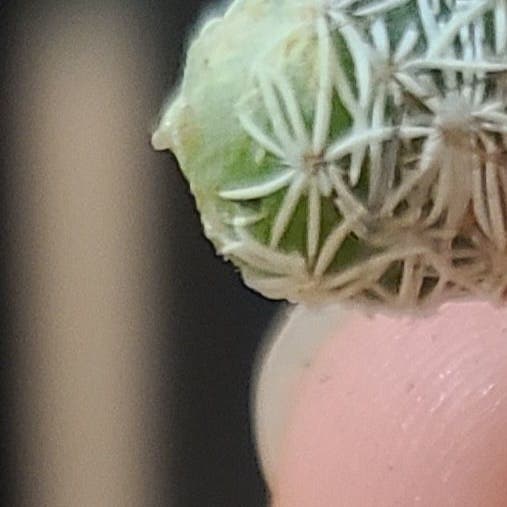
With its unique globular shape and vibrant flowers, Coryphantha radians adds a striking visual element to your garden. It’s a conversation starter that can brighten any landscape.
3. Low Maintenance
Compared to other plants, this cactus requires minimal care. Once established, it can thrive with little intervention, making it ideal for busy gardeners.
4. Air Purification
Coryphantha radians contributes to improved air quality indoors. Its ability to filter toxins makes it a great choice for enhancing your living space.
5. Cultural Significance
This cactus symbolizes resilience and adaptability across various cultures. Incorporating it into your garden can serve as a reminder of nature's strength and beauty.
Incorporating Coryphantha radians into your gardening routine not only beautifies your space but also aligns with sustainable practices. Next, let’s explore how to propagate this resilient plant for even more benefits!
Companion Plants
Best Companion Plants 🌵
When it comes to choosing companion plants for Coryphantha radians, think cacti, succulents, and other drought-tolerant varieties. These plants share similar care needs, making them perfect partners in your garden.
Pairing them together not only enhances the aesthetic appeal but also ensures that all plants thrive under similar watering and sunlight conditions.
Plants to Avoid 🚫
On the flip side, steer clear of plants that require high moisture or shade. These can compete for resources and potentially lead to disease spread among your plants.
By avoiding these moisture-loving species, you create a healthier environment for your Coryphantha radians to flourish.
Toxicity to Humans
🛡️ Safety Overview
Coryphantha radians is not listed as toxic, which is great news for plant lovers. No significant health issues have been reported by poison control centers, making it a safe choice for your home or garden.
⚠️ Minor Issues
While generally safe, there are a couple of minor concerns to keep in mind. You might experience mild skin irritation from the spines, or if ingested in large quantities, some digestive discomfort could occur.
🚨 Caution
As with any plant, it's wise to exercise caution. If you notice any unusual symptoms after contact or ingestion, consult a physician to ensure your well-being.
This cactus can be a delightful addition to your collection, but staying informed is key to enjoying it safely.
Toxicity to Dogs
Safety Overview 🐶
Coryphantha radians is not toxic to dogs, making it a safe choice for pet owners. Veterinary organizations have not reported any toxicity associated with this plant.
Minor Issues 🤢
While generally safe, excessive consumption of the plant may lead to mild gastrointestinal upset in dogs. It's always wise to monitor your furry friends around new plants.
Tips for Pet Owners 🐾
To ensure your dog's safety, keep the Coryphantha radians out of reach of curious noses. Regularly observe your pet's behavior around the plant to catch any unusual interest early on.
This plant can thrive in your home without posing a risk to your canine companions, allowing you to enjoy its beauty worry-free. Next, let’s explore how to tackle common problems that may arise while caring for your Coryphantha radians.
Toxicity to Cats
Safety Overview 🐱
Coryphantha radians is not toxic to cats, making it a safe choice for pet owners. There are no significant toxicity reports from pet poison control centers, so you can breathe easy.
Minor Issues 🐾
While generally safe, excessive consumption of the plant may lead to mild gastrointestinal upset in cats. It’s always wise to keep an eye on your furry friends if they show interest in nibbling on your plants.
Tips for Placement 🏡
To prevent any potential issues, position your Coryphantha radians where cats cannot easily access it. This simple step can help you avoid any curious munching and keep your plant thriving.
In summary, Coryphantha radians is a cat-friendly plant that adds beauty to your space without the worry of toxicity. Just monitor your pets and enjoy the vibrant addition to your home!
Problems
Common Problems 🌵
Coryphantha radians can face several challenges that affect their health and growth. Understanding these issues is key to keeping your cactus thriving.
Incorrect Watering 🚰
Watering is crucial, but getting it right can be tricky. Overwatering leads to yellowing leaves and mushy roots, while underwatering results in a wrinkled, shriveled appearance.
Incorrect Light Conditions ☀️
Light is another vital factor. Insufficient sunlight can cause etiolation, where the plant stretches and becomes leggy as it reaches for more light.
Incorrect Temperature 🌡️
Temperature extremes can stress your cactus. Signs of distress include wilting or discoloration, indicating that the plant is either too hot or too cold.
Diseases 🦠
Fungal diseases can also pose a threat. Look out for powdery mildew and black rot; both can be detrimental if not treated promptly. Regular checks can help catch these issues early.
By keeping an eye on these common problems, you can ensure your Coryphantha radians remains healthy and vibrant. Next, let’s explore the potential pests that might invade your cactus garden.
Bugs
Potential Pest Issues 🐜
Coryphantha radians is generally a tough cookie when it comes to pests. Its natural resilience means it can withstand many common issues, but that doesn’t mean it’s completely immune.
Common Pests 🐞
Despite its hardiness, certain pests can still pose a threat. The most common culprits include:
- Spider Mites: These tiny pests can cause significant damage by sucking the sap from your plant, leading to discoloration and webbing.
- Mealybugs: These white, cottony bugs can cluster on your cactus, draining its vitality and leaving a sticky residue.
Treatment Options 💊
If you notice any signs of these pests, don’t panic! Here are some effective treatment options:
- Insecticidal Soap: A gentle yet effective way to eliminate pests without harming your plant.
- Neem Oil: This natural pesticide can help deter a variety of pests while being safe for your cactus.
- Manual Removal: For small infestations, simply wiping them off with a damp cloth can do the trick.
Regularly inspecting your Coryphantha radians will help catch any pest issues early. Keeping your plant healthy and stress-free is the best defense against unwanted visitors.
Next, let’s explore what animals might be tempted to munch on your beloved cactus.
What Eats Coryphantha radians
Common Animals 🦌
Coryphantha radians can attract a variety of hungry critters.
- Deer are notorious for munching on these plants, leaving behind chewed leaves and broken stems as evidence of their feasting.
- Rabbits also find delight in nibbling on the lower parts of the plant, often leaving telltale signs of their presence.
- Squirrels may dig around the base, searching for roots or simply causing a ruckus in your garden.
Deterrent Methods 🚫
To protect your Coryphantha radians from these hungry visitors, consider a few effective deterrent methods.
- Chemical deterrents can be found in commercial repellents, or you can whip up homemade solutions to keep animals at bay.
- For a more natural approach, organic control methods like physical barriers or companion planting strategies can be quite effective.
By implementing these strategies, you can enjoy your beautiful cacti without the worry of them becoming a snack for local wildlife.
⚠️ Safety First
This content is for general information and may contain errors, omissions, or outdated details. It is not medical, veterinary advice, or an endorsement of therapeutic claims.
Always consult a qualified healthcare professional before using any plant as food, medicine, or supplement.
Never eat any plant (or feed one to pets) without confirming its identity with at least two trusted sources.
If you suspect poisoning, call Poison Control (800) 222-1222, the Pet Poison Helpline (800) 213-6680, or your local emergency service immediately.
Spotted an error? Please report it here.
Cultivate a thriving Coryphantha radians with Greg's personalized care tips 🌵, ensuring your cactus gets the perfect sunlight and hydration for optimal growth while purifying your air!