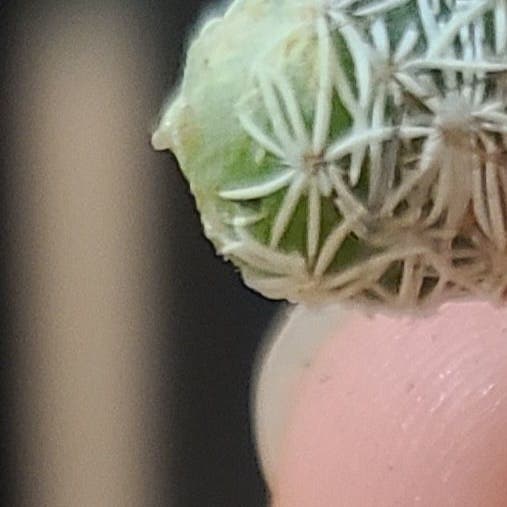
🌵 What is a Coryphantha erecta 'Album'? Complete Guide
Coryphantha erecta 'Album'
By the Greg Editorial Team
Feb 18, 2025•8 min read
This article was created with the help of AI so we can cover more plants for you. May contain errors. See one? Report it here.
Elevate your gardening game with the resilient Coryphantha erecta 'Album' cactus, thriving effortlessly in any space! 🌵
- 🌞 Coryphantha erecta 'Album' needs 6-8 hours of sunlight for optimal growth.
- 💧 Water only when soil is dry to prevent root rot and ensure health.
- 🌱 Use well-draining soil and monitor for pests to maintain plant vitality.
How to Grow
Choosing a Location 🌞
To thrive, the Coryphantha erecta 'Album' needs full sun exposure, ideally basking in 6-8 hours of sunlight daily. It also prefers warm, dry environments, with temperatures ranging from 20°C to 30°C (68°F to 86°F).
Soil Preparation 🏜️
For optimal growth, use a well-draining cactus mix or sandy loam. The soil should maintain a slightly acidic to neutral pH, ideally between 6.0 and 7.0.
Planting Techniques 🌱
When planting, ensure the crown of the cactus is above soil level to prevent rot. For outdoor planting, space each plant 12-18 inches apart to allow for proper air circulation.
Watering Requirements 🚰
Watering is crucial; allow the soil to dry out completely between waterings to prevent root rot. In winter, reduce watering frequency as the plant enters dormancy.
Fertilizing Schedule 🍽️
During the growing season, use a balanced cactus fertilizer with an NPK ratio of 10-10-10. Fertilize every 4-6 weeks in spring and summer to promote healthy growth.
Pruning Methods ✂️
Pruning is minimal for this cactus; simply remove any dead or damaged spines as needed. Use clean, sharp scissors or pruning shears to avoid introducing disease.
Ongoing Care Tips 🛡️
Regularly monitor your plant for pests and diseases to catch any issues early. Adjust your care routine based on seasonal changes to keep your cactus healthy.
Outdoor vs. Container Growing 🌍
Growing in containers offers mobility and a controlled environment, making it easier to manage light and moisture. If planting outdoors, be mindful of extreme weather conditions and provide protection as necessary.
This comprehensive guide on growing Coryphantha erecta 'Album' sets you up for success. Next, let’s explore how to propagate this resilient cactus for even more greenery!
Propagation
🌱 Seed Propagation Steps
Propagating Coryphantha erecta 'Album' from seeds is a rewarding process. Start by collecting seeds from mature flowers, ensuring they are fully developed.
Next, sow the seeds in a well-draining soil mix. It's crucial to maintain humidity and warmth during this stage, as germination typically takes 2-4 weeks.
🌵 Offsets and Division Methods
Offsets are small plants that grow at the base of the parent cactus. To propagate through offsets, carefully identify these small plants and separate them from the main plant.
Once separated, replant the offsets in suitable soil. This method is straightforward and allows for quick multiplication of your cactus collection.
✂️ Cutting Propagation Techniques
Cutting propagation is another effective method. First, select healthy stems that are about 4-6 inches long.
After cutting, allow the stems to callous for 1-2 days. This step is essential to prevent rot when planted in soil.
Finally, plant the cuttings in well-draining soil and water sparingly. This technique can yield new plants with minimal effort, making it a favorite among cactus enthusiasts.
With these propagation methods, you can expand your Coryphantha erecta 'Album' collection or share them with friends. Now, let's explore the lifecycle of this fascinating cactus!
Lifecycle
Lifecycle Stages 🌱
Coryphantha erecta 'Album' is a perennial plant known for its impressive longevity. With proper care, it can thrive for decades, making it a rewarding addition to any collection.
Germination Process 🌱
Germination typically takes 2-4 weeks under optimal conditions. This timeframe allows seeds to sprout and begin their journey toward maturity.
Seedling Development 🌱
Initially, seedlings exhibit a small, cylindrical shape adorned with spines. This unique appearance sets the stage for their growth into mature plants.
Vegetative Growth Phase 🌱
During the vegetative growth phase, Coryphantha erecta 'Album' experiences moderate growth. Generally, it reaches maturity within 2-3 years, showcasing its resilience and adaptability.
Flowering and Seed Production 🌼
The flowering season occurs from late spring to early summer. After successful pollination, the plant produces seeds, ensuring the continuation of its lifecycle.
Lifespan and Growth Rate ⏳
With proper care, this cactus can live for decades, showcasing its impressive lifespan. Its growth rate remains moderate, with full size typically achieved in 2-3 years, rewarding patience and dedication from the grower.
As you nurture your Coryphantha erecta 'Album', understanding its lifecycle will enhance your gardening experience. Next, let’s explore how to effectively propagate this resilient cactus.
Size
Mature Height and Spread 🌱
Coryphantha erecta 'Album' typically reaches a mature height of 6-12 inches (15-30 cm) and spreads 4-8 inches (10-20 cm). This compact size makes it an excellent choice for both indoor and outdoor gardens.
Growth Rate and Size Variability 📈
The growth rate of this cactus is moderate, meaning it won't take over your space too quickly. However, the size can vary based on the care it receives and the environmental conditions it experiences.
Factors Affecting Size ☀️
Light availability plays a crucial role in the growth of Coryphantha erecta 'Album'. More sunlight can lead to faster growth, so placing it in a bright spot is key.
Soil quality is another important factor. A nutrient-rich, well-draining soil mix promotes larger size and healthier plants.
By ensuring optimal light and soil conditions, you can help your cactus thrive and reach its full potential.
Problems
Common Problems 🌱
Coryphantha erecta 'Album' can thrive with proper care, but several common problems may arise. Understanding these issues is key to maintaining a healthy plant.
Incorrect Watering: Overwatering is a leading cause of root rot, while underwatering can lead to shriveling. Always check the soil moisture before watering.
Incorrect Light Conditions: Insufficient light can result in leggy growth, making the plant weak and elongated. Ensure it receives full sun exposure for optimal health.
Incorrect Temperature: Extreme cold can damage the plant, so keep it in a warm environment. Ideal temperatures range from 20°C to 30°C (68°F to 86°F).
Diseases: Fungal issues like powdery mildew and black rot can affect your plant. Regularly inspect for signs of disease and take action promptly.
Leaf Issues: Scorching from too much direct sunlight can cause leaf burn, while yellowing may indicate nutrient deficiency. Monitor your plant's exposure and nutrient levels closely.
By being aware of these common problems, you can take proactive steps to ensure your Coryphantha erecta 'Album' remains healthy and vibrant. Next, we’ll explore how to effectively manage pests that may threaten your plant’s well-being.
Bugs
🐜 Potential Pest Issues
Coryphantha erecta 'Album' is generally known for its pest resistance. However, it can still encounter a few pesky intruders that may threaten its health.
🔍 Identification of Pests
- Spider Mites: Look for fine webbing and stippled leaves, which indicate their presence.
- Mealybugs: These appear as white, cotton-like masses on the stems and leaves.
⚠️ Damage Caused by Pests
Pests can lead to stunted growth and leaf drop. If left unchecked, they may cause an overall decline in the plant's health.
🧴 Treatment Options
To combat these pests, consider using neem oil or insecticidal soap. Regular monitoring is essential for early detection and effective treatment.
By staying vigilant and proactive, you can ensure your Coryphantha erecta 'Album' remains healthy and thriving. Next, let’s explore what animals might be attracted to this resilient plant.
What Eats
Common Animals 🐾
Coryphantha erecta 'Album' can attract a variety of hungry critters. Deer, rabbits, squirrels, and rodents are known to nibble on this succulent, drawn in by its appealing spines and flowers.
Signs of Animal Presence 👀
Keep an eye out for signs of these visitors. Chewed leaves, missing sections, or droppings nearby can indicate that your plant has become a snack for local wildlife.
Damage Description ⚠️
When animals browse on the plant, it can lead to stunted growth and overall decline. The damage often manifests as missing spines or flowers, which can be disheartening for any plant enthusiast.
Deterrent Methods 🚫
To protect your Coryphantha erecta 'Album', consider implementing some deterrent strategies. Fencing, using repellents, and planting deterrent species nearby can help keep these hungry animals at bay.
By taking these precautions, you can enjoy your cactus without the worry of it becoming a buffet for local wildlife.
Toxicity to Humans
Coryphantha erecta 'Album' is not considered toxic by major poison control centers. This means you can enjoy its beauty without worrying about severe health risks.
However, consuming large quantities may lead to mild skin irritation or digestive discomfort. It's always wise to exercise caution with any plant and seek medical advice if you experience unusual symptoms.
In general, while this cactus is safe, it's best to appreciate it visually rather than as a snack. Keeping plants out of reach can help prevent any accidental ingestion, ensuring a safe and enjoyable gardening experience.
With this knowledge, you can confidently cultivate your Coryphantha erecta 'Album' and share its charm with others!
Toxicity to Dogs
Coryphantha erecta 'Album' is not listed as toxic by major pet poison control centers. This means your furry friends can safely coexist with this charming cactus.
However, if consumed in large quantities, it may cause mild gastrointestinal upset.
To ensure your dog's safety, it's wise to keep the plant out of reach and monitor their behavior around it.
By taking these simple precautions, you can enjoy your cactus while keeping your canine companion happy and healthy.
Next, let's explore how this plant interacts with our feline friends.
Toxicity to Cats
Coryphantha erecta 'Album' is not listed as toxic by major pet poison control centers. This means your feline friends can safely coexist with this charming cactus.
However, if consumed in large quantities, it may cause mild gastrointestinal upset.
To ensure your cat's safety, it's wise to keep the plant out of reach and monitor their behavior around it.
Being proactive can help prevent any unwanted nibbling and keep your curious kitty safe.
With proper placement and a watchful eye, you can enjoy the beauty of this cactus without worry.
⚠️ Safety First
This content is for general information and may contain errors, omissions, or outdated details. It is not medical, veterinary advice, or an endorsement of therapeutic claims.
Always consult a qualified healthcare professional before using any plant as food, medicine, or supplement.
Never eat any plant (or feed one to pets) without confirming its identity with at least two trusted sources.
If you suspect poisoning, call Poison Control (800) 222-1222, the Pet Poison Helpline (800) 213-6680, or your local emergency service immediately.
Spotted an error? Please report it here.
Nurture your Coryphantha erecta 'Album' to decades of beauty 🌵 with Greg's tailored watering alerts and expert care tips that keep your cactus thriving!