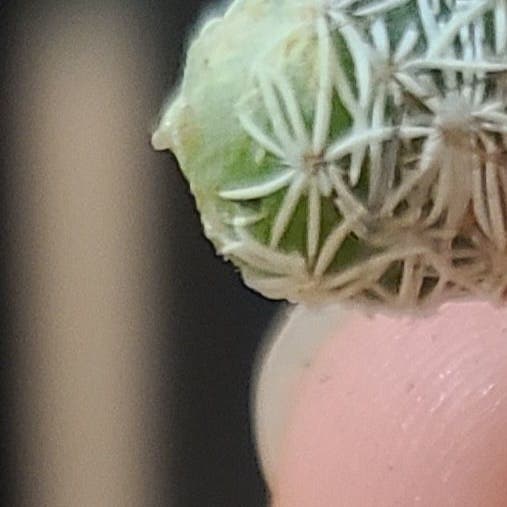
Overview of Coryphantha durangensis subsp. cuencamensis 🌵
Coryphantha durangensis subsp. cuencamensis
By the Greg Editorial Team
Feb 23, 2025•11 min read
This article was created with the help of AI so we can cover more plants for you. May contain errors. See one? Report it here.
- 🌞 Coryphantha durangensis needs 6-8 hours of sunlight for optimal growth.
- 💧 Water every 2-4 weeks and watch for yellowing stems to prevent overwatering.
- 🌱 Use well-draining soil with a pH of 6.0-7.0 for best results.
How to Grow
🌞 Choosing a Location
Coryphantha durangensis subsp. cuencamensis thrives in full sun, requiring 6-8 hours of direct sunlight daily. When deciding between outdoor planting or containers, consider drainage and how temperature fluctuations might affect your plant.
🏗️ Soil Preparation
For optimal growth, use a well-draining cactus mix or sandy loam. Aim for a pH level between 6.0 and 7.0, which is slightly acidic to neutral.
🌱 Planting Techniques
When planting, ensure the top of the root ball is level with the soil surface. For outdoor planting, space your cacti 12-18 inches apart to allow for their natural growth.
💧 Watering Requirements
During the growing season, water your cactus every 2-4 weeks. Watch for signs of overwatering, such as yellowing or mushy stems, which can indicate trouble.
🌿 Fertilizing Guidelines
Use a diluted cactus fertilizer every 4-6 weeks during the growing season for best results. Focus on low-nitrogen, high-phosphorus fertilizers to support healthy growth.
✂️ Pruning Practices
Pruning is minimal for this cactus; simply remove any dead or damaged spines. The best time to prune is early spring, just before new growth begins.
🛠️ Ongoing Care
For container care, ensure your pots have drainage holes and use an appropriate potting mix. If planted outdoors, keep an eye out for pests and environmental stressors that could affect your cactus's health.
With these guidelines, you’ll be well on your way to cultivating a thriving Coryphantha durangensis subsp. cuencamensis. Next, let’s explore how to propagate this resilient cactus for even more growth opportunities.
Propagation
🌱 Seed Propagation
To start propagating Coryphantha durangensis subsp. cuencamensis from seeds, begin by soaking the seeds in water for 24 hours. This step helps to soften the seed coat, promoting better germination.
For optimal germination, place the soaked seeds in a warm, humid environment with indirect light. This mimics their natural habitat and encourages healthy growth.
✂️ Offsets and Cuttings
Another effective propagation method is through offsets. These are small cacti that grow at the base of the parent plant, making them easy to identify.
When removing offsets, use a clean, sharp knife to cut them away from the main plant. After cutting, allow the offsets to callous for 1-2 days before planting them in well-draining soil. This helps prevent rot and encourages successful rooting.
With these propagation techniques, you can expand your collection of this unique cactus and share its beauty with others. Next, let’s explore the lifecycle of Coryphantha durangensis subsp. cuencamensis and what to expect as it grows.
Lifecycle
Lifecycle Stages 🌱
Coryphantha durangensis subsp. cuencamensis is a perennial cactus, thriving in various environments. Its seeds typically germinate within 2-4 weeks when provided with optimal conditions, making it relatively easy to propagate.
Lifespan and Growth Rate ⏳
This resilient cactus can live for several decades with proper care. Expect a moderate growth rate; it may take around 3-5 years to reach maturity, rewarding your patience with its unique beauty.
Key Takeaways 📋
- Type: Perennial cactus
- Germination Timeframe: 2-4 weeks
- Lifespan: Several decades
- Growth Rate: Moderate, 3-5 years to maturity
Understanding the lifecycle of Coryphantha durangensis subsp. cuencamensis helps you appreciate its resilience and adaptability. With the right conditions, you can enjoy this captivating plant for many years to come.
Next, let’s explore the mature dimensions of this fascinating cactus.
Size
🌱 Mature Dimensions
Coryphantha durangensis subsp. cuencamensis typically reaches an average height of 4-6 inches (10-15 cm) and can spread between 6-12 inches (15-30 cm). These compact dimensions make it an excellent choice for both garden beds and container arrangements.
📏 Growth Rate and Size Variability
The size of this cactus can vary based on several factors. Key influences include soil quality, watering frequency, and light exposure, all of which play a significant role in its overall growth and health.
Understanding these variables can help you optimize your growing conditions, ensuring your cactus thrives. By providing the right environment, you can enjoy the beauty of this resilient plant for years to come.
As we explore further, let’s dive into the fascinating lifecycle of Coryphantha durangensis subsp. cuencamensis.
Roots
🌱 Root System Characteristics
Coryphantha durangensis subsp. cuencamensis features a fibrous root system that plays a crucial role in water absorption. This shallow root structure extends horizontally, allowing the plant to maximize its uptake of moisture from the surrounding soil.
⚠️ Common Root-Related Issues
One of the most common problems faced by this cactus is root rot, which typically results from overwatering. To prevent this, ensure proper drainage in your pots or garden beds.
Healthy roots are firm and white, indicating vitality, while unhealthy roots appear brown and mushy, signaling trouble.
Recognizing rootbound plants is essential for their health; signs include roots growing out of drainage holes. To maintain optimal growth, consider repotting every 2-3 years to give your cactus room to thrive.
With proper care and attention to its root system, your Coryphantha durangensis will flourish beautifully. Next, let's explore the benefits of growing this resilient cactus.
Benefits
Top 5 Benefits 🌟
Coryphantha durangensis subsp. cuencamensis offers a range of advantages that make it a fantastic addition to any garden.
Drought Resistance: This cactus thrives on minimal water, making it perfect for arid climates. Its ability to withstand dry conditions means less worry about watering schedules.
Aesthetic Appeal: With its unique shape and vibrant flowers, this cactus enhances the beauty of any landscape. It adds a striking focal point that can elevate your garden's overall look.
Low Maintenance: Once established, it requires little care. This makes it an ideal choice for busy gardeners or those new to plant care.
Habitat for Wildlife: It attracts beneficial pollinators like bees and butterflies. By planting this cactus, you contribute to the local ecosystem and support biodiversity.
Cultural Significance: This cactus symbolizes resilience and adaptability in harsh environments. It serves as a reminder of nature's strength and the beauty of survival.
Incorporating Coryphantha durangensis subsp. cuencamensis into your garden not only beautifies your space but also promotes sustainability and wildlife conservation. Its benefits extend beyond aesthetics, making it a wise choice for any plant enthusiast.
Companion Plants
Best Companions 🌵
When it comes to growing Coryphantha durangensis subsp. cuencamensis, pairing it with other drought-tolerant cacti and succulents is a winning strategy. These companions not only share similar care requirements but also create a visually appealing arrangement in your garden.
Consider mixing in varieties like Echinocactus or Agave. Their unique shapes and textures complement the distinct look of Coryphantha, enhancing the overall aesthetic of your space.
Plants to Avoid 🚫
On the flip side, it's crucial to steer clear of plants that thrive in high moisture or shaded conditions. These plants can compete for resources, ultimately stressing your Coryphantha.
Avoid lush, water-loving species like ferns or certain flowering plants that require more humidity. Keeping your cactus in a dry, sunny environment will ensure it flourishes without unnecessary competition.
By choosing the right companions and avoiding unsuitable plants, you can create a thriving ecosystem that highlights the beauty of Coryphantha durangensis subsp. cuencamensis. This thoughtful approach not only enhances your garden's appeal but also simplifies your care routine.
Toxicity to Humans
Safety Overview 🌿
Coryphantha durangensis subsp. cuencamensis is considered non-toxic, as confirmed by major poison control centers. This means you can enjoy its beauty without worrying about harmful effects.
Minor Issues ⚠️
While generally safe, consuming large quantities may lead to mild skin irritation or digestive discomfort. It's always wise to exercise caution with any plant and consult a medical professional if you experience unusual symptoms.
Caution 🐾
Even though this cactus is not toxic, it's best to keep it out of reach of children and pets. Awareness and moderation are key to enjoying your plant without any hiccups.
Toxicity to Dogs
Safety Overview 🐶
Coryphantha durangensis subsp. cuencamensis is considered non-toxic to dogs. Veterinary organizations do not list it as harmful, making it a safe choice for pet owners.
Minor Issues 🩹
While generally safe, consuming large quantities may lead to mild gastrointestinal upset in dogs. It's always wise to monitor your furry friends if they show interest in nibbling on your plants.
Tips for Care 🐾
To ensure your dog's safety, keep the cactus out of reach. Regularly observe your pet's interactions with the plant to prevent any potential mishaps.
With these precautions, you can enjoy the beauty of this cactus without worrying about your canine companions. Next, let’s explore how to handle potential pest issues that may arise with your cactus.
Toxicity to Cats
Safety Overview 🐱
Coryphantha durangensis subsp. cuencamensis is not listed as toxic to cats by major pet poison control centers. This means you can enjoy this beautiful cactus without worrying about your feline friends getting hurt.
Minor Issues 🚨
While the plant is generally safe, consuming large quantities may cause mild gastrointestinal upset. It's always a good idea to monitor your cat's behavior around any plant.
Tips for Safety 🛡️
To keep your cat safe, ensure the cactus is in a secure location where they can't easily reach it. Observing your cat's interactions with the plant can help you identify any potential issues early on.
As a responsible pet owner, it's crucial to create a safe environment for your furry companions while enjoying the beauty of your plants. With a little care, you can have both a thriving cactus and a happy cat!
Problems
Common Issues 🌱
Growing Coryphantha durangensis subsp. cuencamensis can be rewarding, but it’s essential to be aware of potential problems that may arise.
Incorrect Watering 💧
Watering is crucial for your cactus's health. Overwatering can lead to yellowing or mushy stems, while underwatering may cause shriveling and browning.
Incorrect Light Conditions ☀️
Light exposure plays a significant role in growth. Insufficient light can result in leggy growth and pale coloration, indicating your cactus isn't getting enough sun.
Diseases 🦠
Fungal issues can plague your cactus if conditions are too humid or wet. Regularly inspect for signs of rot or mold, and ensure proper air circulation to prevent these problems.
Leaf Issues 🍃
Leaf health is a good indicator of overall plant vitality. Scorching can occur from too much direct sunlight, while yellowing leaves often signal overwatering or nutrient deficiencies.
By staying vigilant and addressing these common issues, you can help your Coryphantha durangensis thrive. Next, let’s explore the potential pest problems that could affect your cactus.
Bugs
🐜 Potential Pest Issues
Coryphantha durangensis subsp. cuencamensis is generally resilient against pests, but it can still face challenges from certain invaders. Keeping an eye out for common pests like spider mites, mealybugs, and aphids is essential for maintaining the health of your cactus.
🐞 Common Pests
Spider Mites: These tiny pests can cause significant damage by sucking the sap from your cactus. Look for fine webbing and stippling on the plant's surface.
Mealybugs: Recognizable by their cottony appearance, mealybugs can cluster in the crevices of your cactus. They also feed on sap, leading to weakened plants.
Aphids: These small, soft-bodied insects can be green, black, or brown. They tend to congregate on new growth and can cause distortion and stunted growth.
💊 Treatment Options
When it comes to treatment, you have several options to keep your cactus thriving.
Organic Methods: Use insecticidal soap or neem oil to effectively manage pest populations without harming beneficial insects.
Chemical Control: If the infestation is severe, consider using a targeted pesticide. Always follow the manufacturer's instructions for safe application.
Preventive Measures: Regularly inspect your plants and maintain good air circulation to deter pests. Quarantine new plants before introducing them to your collection.
By staying vigilant and proactive, you can protect your Coryphantha durangensis subsp. cuencamensis from pests and ensure it remains a vibrant part of your garden. Next, let’s explore what animals might be interested in snacking on your cactus.
What Eats It
🦌 Common Animals
Coryphantha durangensis subsp. cuencamensis may attract a few hungry visitors. Deer, rabbits, and rodents are known to munch on its succulent stems and leaves.
🔍 Signs of Damage
Keep an eye out for signs of damage, such as browsing marks on the plant. If you notice missing pieces or chewed edges, it’s likely that these critters have paid a visit.
🚧 Deterrent Methods
To protect your cactus, consider implementing some deterrent methods. Fencing around your garden can keep larger animals at bay, while repellents can discourage smaller pests.
Additionally, companion planting strategies can help create a more resilient environment. By surrounding your cactus with other plants that deter herbivores, you can enhance its chances of thriving.
With a little vigilance and some protective measures, your Coryphantha can flourish despite its potential nibblers.
⚠️ Safety First
This content is for general information and may contain errors, omissions, or outdated details. It is not medical, veterinary advice, or an endorsement of therapeutic claims.
Always consult a qualified healthcare professional before using any plant as food, medicine, or supplement.
Never eat any plant (or feed one to pets) without confirming its identity with at least two trusted sources.
If you suspect poisoning, call Poison Control (800) 222-1222, the Pet Poison Helpline (800) 213-6680, or your local emergency service immediately.
Spotted an error? Please report it here.
Ensure your Coryphantha durangensis subsp. cuencamensis flourishes in your garden with Greg's personalized watering reminders and expert care tips! 🌵