☀️ Best Temperature Conditions for Copiapoa
Copiapoa tenuissima
By the Greg Editorial Team
Nov 07, 2024•2 min read
This article was created with the help of AI so we can cover more plants for you. May contain errors. See one? Report it here.
Master the ideal temperature for your Copiapoa 🌵 to ensure vibrant growth and prevent stress! 🌡️
- 🌡️ Copiapoa thrives best in warm temperatures of 20°C to 30°C (68°F to 86°F).
- ❄️ Cold stress occurs below 5°C (41°F), leading to frost damage and decline.
- 🌞 Monitor temperatures regularly to prevent stress and ensure healthy growth.
Temperature Needs of Copiapoa
🌡️ Ideal Temperature Range
Copiapoa thrives in a warm climate, ideally between 20°C to 30°C (68°F to 86°F) during the day. At night, temperatures should drop to a comfortable 10°C to 15°C (50°F to 59°F) to support healthy growth.
Maintaining consistent temperatures is crucial. Drastic fluctuations can stress the plant, hindering its growth and overall health.
🔥 Effects of Temperature Extremes
🌡️ High Temperature Effects
While Copiapoa can tolerate high temperatures up to 40°C (104°F), it requires adequate hydration to survive. Without sufficient water, the plant may show signs of overheating.
Look for symptoms such as wilting or drooping stems, leaf discoloration (especially yellowing or browning), and stunted growth or a complete halt in development.
❄️ Low Temperature Effects
On the flip side, Copiapoa is sensitive to cold, particularly when temperatures dip below 5°C (41°F). Exposure to such conditions can lead to significant stress.
Signs of cold stress include frost damage, which manifests as blackened or mushy areas on the plant, wilting or drooping, especially at night, and an overall decline in vigor and health.
🚨 Signs and Causes of Temperature Stress
Identifying temperature stress is key to maintaining a healthy Copiapoa. Visual indicators include discoloration of stems and leaves, wilting foliage, and stunted growth.
Several factors can contribute to temperature stress. Rapid fluctuations in day and night temperatures, prolonged exposure to extreme heat or cold, and inadequate acclimatization due to sudden environmental changes can all take a toll on your plant.
🛠️ Recovery Strategies for Temperature Stress
If your Copiapoa shows signs of temperature stress, immediate action is essential. Start by relocating the plant to a more stable temperature environment.
Next, adjust your watering practices to avoid over or under-watering. Providing shade during extreme heat or insulation during cold spells can also help the plant recover.
For long-term health, gradually reintroduce the plant to optimal temperature ranges. Regularly monitor and adjust care routines based on temperature changes to ensure ongoing stability.
📏 Temperature Management Techniques
To maintain optimal temperatures for your Copiapoa, consider using thermometers to monitor the environment. Strategic placement is also important; avoid direct exposure to harsh sunlight during peak hours.
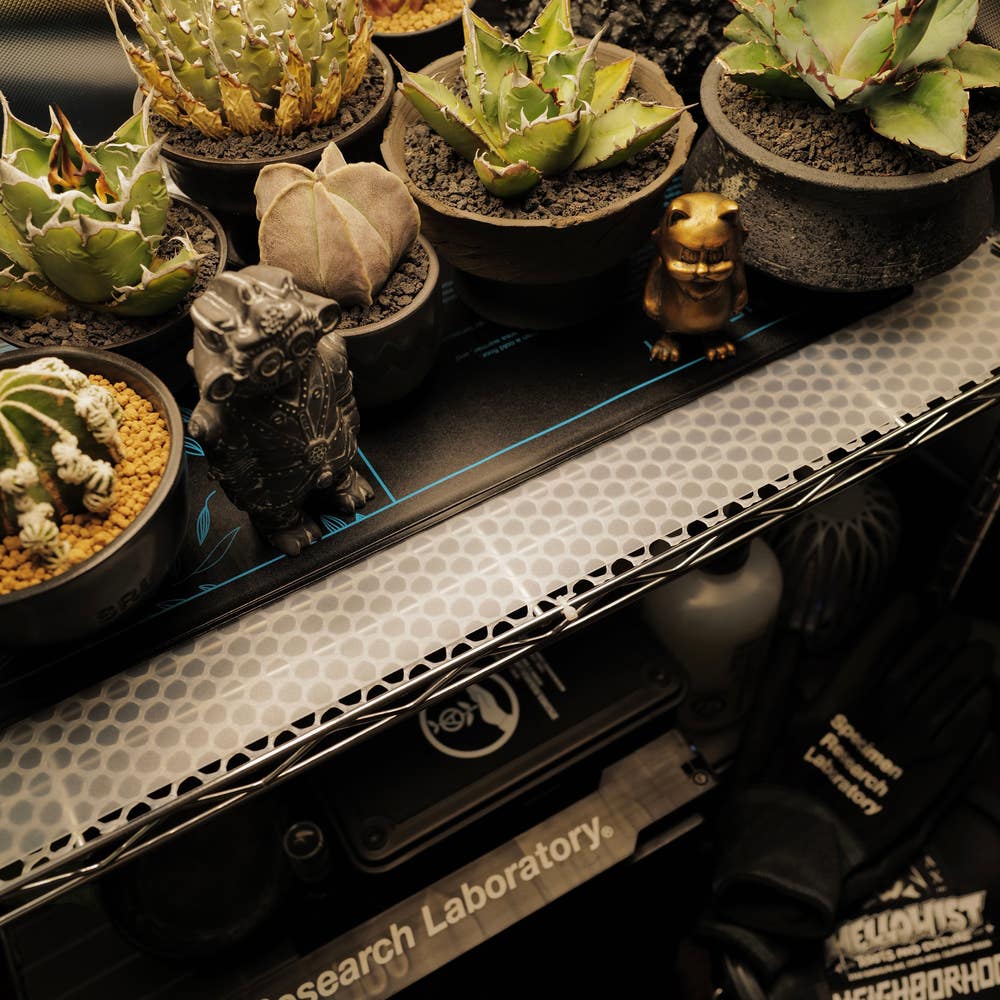
Utilizing reflective surfaces can help manage heat absorption. Controlled environments, such as greenhouses, offer consistent temperature management, while indoor cultivation can benefit from grow lights and heating mats during colder months.
With these strategies in place, you can create a thriving environment for your Copiapoa, ensuring it remains healthy and vibrant.
⚠️ Safety First
This content is for general information and may contain errors, omissions, or outdated details. It is not medical, veterinary advice, or an endorsement of therapeutic claims.
Always consult a qualified healthcare professional before using any plant as food, medicine, or supplement.
Never eat any plant (or feed one to pets) without confirming its identity with at least two trusted sources.
If you suspect poisoning, call Poison Control (800) 222-1222, the Pet Poison Helpline (800) 213-6680, or your local emergency service immediately.
Spotted an error? Please report it here.
Keep your Copiapoa thriving in the heat ☀️ with Greg's tailored reminders and temperature tips to ensure it enjoys the perfect climate all year round!