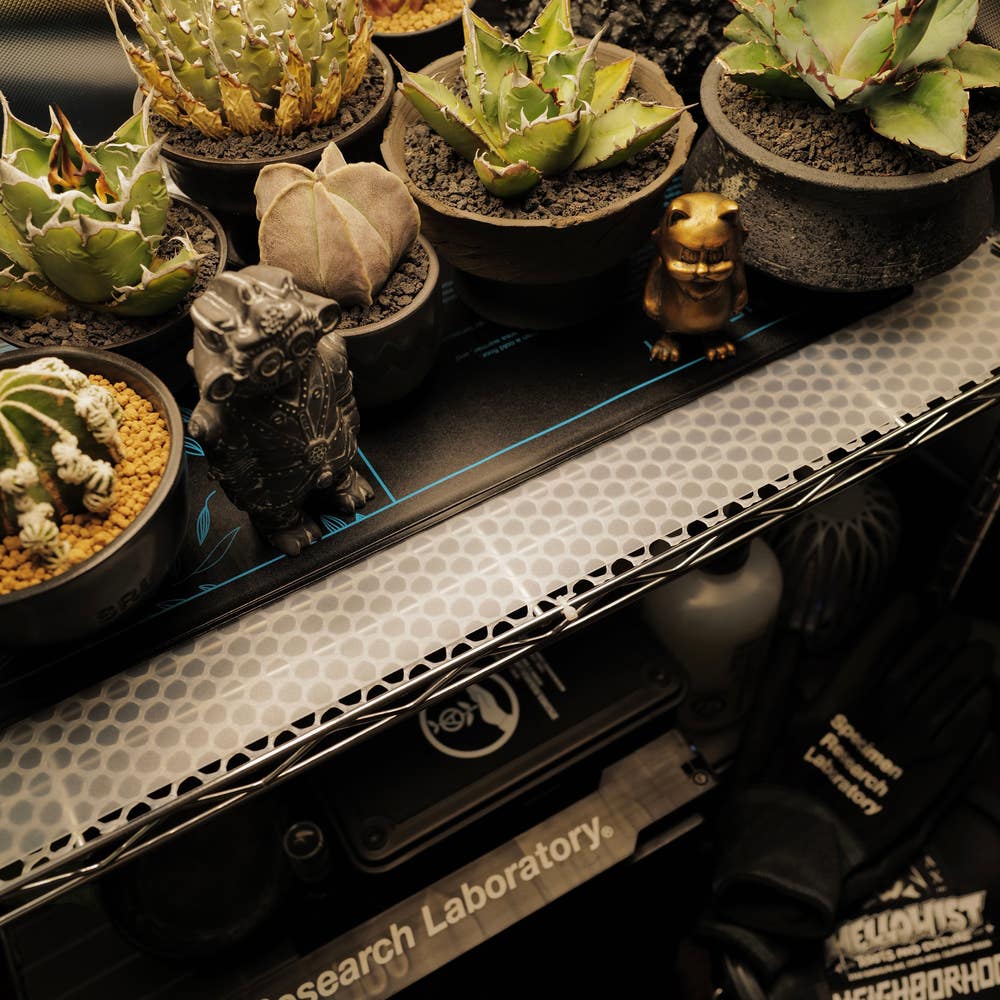
☀️ Direct Sunlight and Your Copiapoa
Copiapoa tenuissima
By the Greg Editorial Team
Nov 07, 2024•5 min read
This article was created with the help of AI so we can cover more plants for you. May contain errors. See one? Report it here.
Unlock the secret to a thriving Copiapoa 🌵 by mastering its sunlight needs for vibrant growth!
- 🌞 Copiapoa cacti thrive in direct sunlight, needing several hours daily for optimal growth.
- ⚠️ Signs of too much sun include yellowing, browning, and wilting stems.
- 🌍 Seasonal changes affect sunlight intensity; adjust exposure for healthy Copiapoa growth.
Copiapoa and Direct Sunlight
🌞 Does Copiapoa Need Direct Sunlight?
Copiapoa cacti are native to the arid regions of Chile, where they thrive under intense sunlight. For optimal growth, these resilient plants require several hours of direct sunlight each day.
☀️ Can Copiapoa Tolerate Direct Sunlight?
Thanks to their unique adaptations, Copiapoa cacti have a high tolerance for direct sunlight. However, it's important to note that different varieties may exhibit varying levels of tolerance.
🔆 Signs of Too Much Direct Sunlight for Copiapoa
Excessive direct sunlight can lead to several distress signals in Copiapoa. Look for yellowing or browning of stems, wilting, and shriveling, which indicate the plant is struggling.
Visual Indicators
You might also notice scorched patches or sunburn on the cactus surface. These visual cues are critical for assessing whether your Copiapoa is receiving too much sun.
🌑 Signs of Insufficient Sunlight for Copiapoa
On the flip side, insufficient sunlight can cause Copiapoa to stretch or elongate its stems, a condition known as etiolation. Other symptoms include a pale color and slow growth, signaling that your cactus is not getting enough light.
Visual Indicators
Sparse growth and a weak structure are also telltale signs that your Copiapoa needs more sunlight. Keeping an eye on these indicators will help you maintain a healthy plant.
Understanding the sunlight needs of your Copiapoa is essential for its health and vitality. Next, we will explore the environmental factors that affect sunlight exposure for these unique cacti.
Environmental Factors Affecting Sunlight
🌅 Role of Window Direction
The direction your windows face plays a crucial role in how much sunlight your Copiapoa receives.
- North-facing windows typically provide the least direct sunlight, making them less ideal for these sun-loving cacti.
- South-facing windows are the best choice, offering the most direct sunlight, which is perfect for optimal growth.
- East and West-facing windows provide moderate sunlight; morning sun is gentler, while afternoon rays can be more intense.
🌍 How Hemisphere Affects Sunlight Exposure
The hemisphere you live in significantly influences sunlight exposure for your Copiapoa.
In the Northern Hemisphere, the sun travels across the southern sky, resulting in varying light conditions throughout the day. Conversely, in the Southern Hemisphere, the sun moves across the northern sky, impacting both light intensity and duration.
🌞 Seasonal Changes in Sunlight Intensity
Seasonal changes can dramatically affect how much sunlight your Copiapoa receives.
- During summer, longer days and more intense sunlight can help your cactus thrive, as it loves the heat.
- In winter, shorter days and lower sunlight intensity may require you to adjust your plant's positioning or consider supplemental lighting to keep it healthy.
Understanding these environmental factors will help you create the best conditions for your Copiapoa to flourish. Next, we’ll explore best practices for placing your cactus in direct sunlight.
Best Practices for Copiapoa in Direct Sunlight
🌞 Ideal Placement for Copiapoa in Relation to Sunlight
To ensure your Copiapoa thrives, place it in a south-facing window or an outdoor spot that receives full sun. This positioning maximizes sunlight exposure, which is crucial for the cactus's growth and health.
When considering indoor versus outdoor placement, remember that indoor environments can sometimes limit light intensity. Outdoor settings typically provide the most natural light, but be mindful of extreme weather conditions.
☀️ Adjusting Light Exposure Based on Season
In summer, your Copiapoa will bask in the longer days and intense sunlight. Ensure it receives ample direct sunlight during this season to promote robust growth.
As winter approaches, light levels drop, and you may need to monitor your cactus closely. If sunlight becomes insufficient, consider using supplemental lighting to maintain its health.
🌱 Tips for Gradually Acclimating Copiapoa to Direct Sunlight
- Start by exposing your Copiapoa to partial sunlight for a few hours each day.
- Gradually increase its exposure over the course of 1-2 weeks.
- Keep a close eye on how your plant responds and adjust its light exposure as needed.
By following these steps, you can help your Copiapoa adapt to direct sunlight without causing stress or damage. This gradual acclimatization is key to ensuring a healthy, thriving cactus.
With these best practices in mind, you'll be well-equipped to provide the ideal sunlight conditions for your Copiapoa. Next, let’s explore common issues related to sunlight exposure and how to address them effectively.
Common Issues Related to Sunlight Exposure
🌞 Sunburn and Its Effects on Copiapoa
Sunburn in Copiapoa occurs when these resilient cacti are exposed to excessive direct sunlight, leading to tissue injury. You’ll notice symptoms like brown, crispy patches on the cactus surface, which can be alarming but are often manageable.
🩹 How to Identify and Treat Sunburn in Copiapoa
To identify sunburn, look for discoloration and changes in texture on the cactus. If you spot these signs, the best treatment is to move your Copiapoa to a shadier location and ensure it receives adequate hydration to recover.
🚫 Preventing Light-Related Stress in Copiapoa
Preventing light-related stress is crucial for maintaining a healthy Copiapoa. Gradually exposing your cactus to sunlight can help prevent shock, so take it slow when introducing it to brighter conditions.
Regular monitoring of your plant's health will also allow you to adjust light conditions as needed, ensuring your Copiapoa thrives without the risk of sunburn.
With these strategies, you can enjoy the beauty of your Copiapoa while keeping it safe from the harsh effects of too much sun. Next, let’s explore the best practices for placing your Copiapoa in direct sunlight.
⚠️ Safety First
This content is for general information and may contain errors, omissions, or outdated details. It is not medical, veterinary advice, or an endorsement of therapeutic claims.
Always consult a qualified healthcare professional before using any plant as food, medicine, or supplement.
Never eat any plant (or feed one to pets) without confirming its identity with at least two trusted sources.
If you suspect poisoning, call Poison Control (800) 222-1222, the Pet Poison Helpline (800) 213-6680, or your local emergency service immediately.
Spotted an error? Please report it here.
Maximize your Copiapoa's growth with tailored sunlight tips 🌵 from Greg, ensuring your cactus gets just the right exposure for a thriving life!