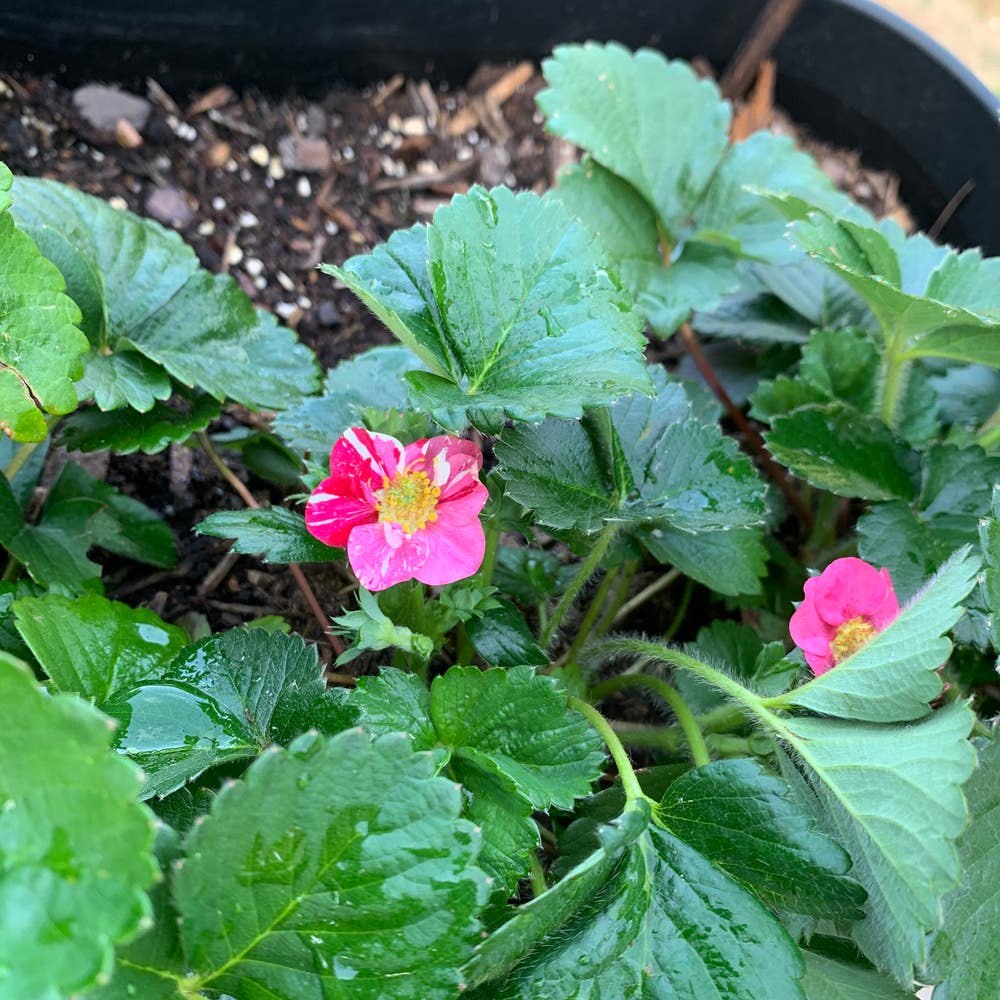
🌼 Why Your Cinquefoil Buds Won't Open
Potentilla spp.
By the Greg Editorial Team
Aug 27, 2024•5 min read
This article was created with the help of AI so we can cover more plants for you. May contain errors. See one? Report it here.
Boost your Cinquefoil blooms 🌼 by mastering light, nutrition, and pruning for a vibrant garden!
- 🌞 Cinquefoil needs 6-8 hours of sunlight daily for optimal blooming.
- 🌱 Nutritional deficiencies in nitrogen, phosphorus, and potassium hinder flower development.
- 🐛 Pests and diseases can affect blooming; regular monitoring is essential.
Common Causes of Failure to Bloom
🌞 Inadequate Light Conditions
Cinquefoil thrives in full sun, requiring 6 to 8 hours of direct sunlight daily. Without adequate light, you may notice stunted growth and fewer blooms, leaving your garden less vibrant than it could be.
🍽️ Nutritional Deficiencies
For optimal blooming, Cinquefoil needs a balanced intake of nitrogen, phosphorus, and potassium. Signs of nutrient deficiency include yellowing leaves and poor growth, indicating that your plant might be craving a nutrient boost.
✂️ Improper Pruning Practices
Timing and technique are crucial when it comes to pruning Cinquefoil. Late pruning can disrupt the bloom cycle, so it's essential to remove dead or diseased wood at the right time to encourage healthy flowering.
Understanding these common causes can help you troubleshoot and enhance your Cinquefoil's blooming potential. Next, let’s explore the factors that can lead to premature flower drop.
Factors Leading to Premature Flower Drop
🌡️ Environmental Stressors
Temperature fluctuations can wreak havoc on your Cinquefoil blooms. Extreme heat or unexpected cold snaps can stress the plant, leading to flower drop before they even have a chance to fully open.
Drought and overwatering are also culprits. Both conditions can disrupt the plant's ability to retain buds, causing them to fall prematurely. Finding that sweet spot in watering is crucial for keeping your Cinquefoil thriving.
🐜 Pest Infestations
Pests can be a significant threat to your Cinquefoil's blooms. Aphids and spider mites are common offenders, often leaving behind telltale signs like distorted leaves and webbing.
To combat these pests, consider using insecticidal soap or neem oil. Regular monitoring can help catch infestations early, ensuring your flowers stay intact.
🦠 Disease Factors
Diseases can also lead to premature flower drop. Fungal infections, in particular, can manifest as wilting or discolored leaves, signaling that your plant is in distress.
Preventing these issues starts with good cultural practices. Ensure proper air circulation and avoid overhead watering to minimize the risk of fungal growth.
Understanding these factors can empower you to take action and keep your Cinquefoil healthy. Next, let’s explore how to effectively prune and maintain your plants for optimal flowering.
Abnormal Flower Development Issues
🌱 Genetic Factors
Cinquefoil varieties exhibit a fascinating range of blooming characteristics. Some hybrids may show hybrid vigor, leading to robust blooms, while others might struggle due to inherent weaknesses.
🌍 Environmental Influences
Soil conditions play a crucial role in the health of your Cinquefoil. Well-drained soil is essential; compacted or poor-quality soil can severely hinder flower formation.
🐝 Pollination Issues
Pollinators are vital for successful flower development. Factors such as a lack of pollinator activity or environmental disruptions can lead to reduced pollination success, impacting your Cinquefoil's ability to bloom.
Understanding these issues can help you take proactive steps to ensure your Cinquefoil thrives. Next, we’ll explore effective pruning and maintenance practices to promote healthy flowering.
Pruning and Maintenance
Best Practices for Pruning Cinquefoil 🌿
Pruning is essential for promoting healthy flowering in Cinquefoil. Start by removing any dead or diseased wood to encourage new growth and prevent disease spread.
Shaping the plant is equally important. This allows better light penetration, which is crucial for optimal blooming.
Timing of Pruning for Enhanced Flowering ⏰
When it comes to timing, early spring is generally the best time to prune Cinquefoil. This timing helps stimulate growth just before the blooming season.
In contrast, late summer pruning can hinder the plant's ability to flower the following year. Look for signs like new growth or a lack of blooms to determine when to prune.
With proper pruning techniques and timing, your Cinquefoil can thrive and produce beautiful blooms. Next, let’s explore solutions and remedies to troubleshoot any flowering issues you may encounter.
Solutions and Remedies
🌸 Troubleshooting Flowering Issues
If your Cinquefoil isn't blooming, start with a systematic approach to identify the problem.
Assess Light Conditions: Ensure your plant receives full sun for 6-8 hours daily. Insufficient light can stunt growth and reduce flowering.
Evaluate Soil Quality and Drainage: Check if the soil is well-drained. Poor drainage can lead to root rot, affecting flower development.
Check for Pests and Diseases: Look for signs of common pests like aphids or spider mites. Early detection can prevent further damage.
Review Pruning Practices: Ensure you're pruning at the right times and using proper techniques. Late or improper pruning can hinder blooming.
🌱 Recommended Products for Nutritional Support
To enhance your Cinquefoil's nutrition, consider using specific fertilizers and soil amendments.
Organic Options: Compost and fish emulsion are excellent choices for enriching the soil naturally. They provide essential nutrients without harmful chemicals.
Synthetic Options: Balanced NPK fertilizers can also be effective. Look for a formula that provides the right ratio of nitrogen, phosphorus, and potassium.
Timing is crucial for application. Fertilize in early spring to kickstart growth and again mid-season for sustained health.
By following these steps and recommendations, you can troubleshoot and remedy flowering issues effectively. This proactive approach will help your Cinquefoil thrive and bloom beautifully.
Next, let’s explore best practices for pruning and maintenance to ensure your plant remains healthy and vibrant.
⚠️ Safety First
This content is for general information and may contain errors, omissions, or outdated details. It is not medical, veterinary advice, or an endorsement of therapeutic claims.
Always consult a qualified healthcare professional before using any plant as food, medicine, or supplement.
Never eat any plant (or feed one to pets) without confirming its identity with at least two trusted sources.
If you suspect poisoning, call Poison Control (800) 222-1222, the Pet Poison Helpline (800) 213-6680, or your local emergency service immediately.
Spotted an error? Please report it here.
Unlock your Cinquefoil's blooming potential 🌼 with Greg's tailored care reminders and expert tips, ensuring it gets the sunlight and nutrients it craves for vibrant flowers!