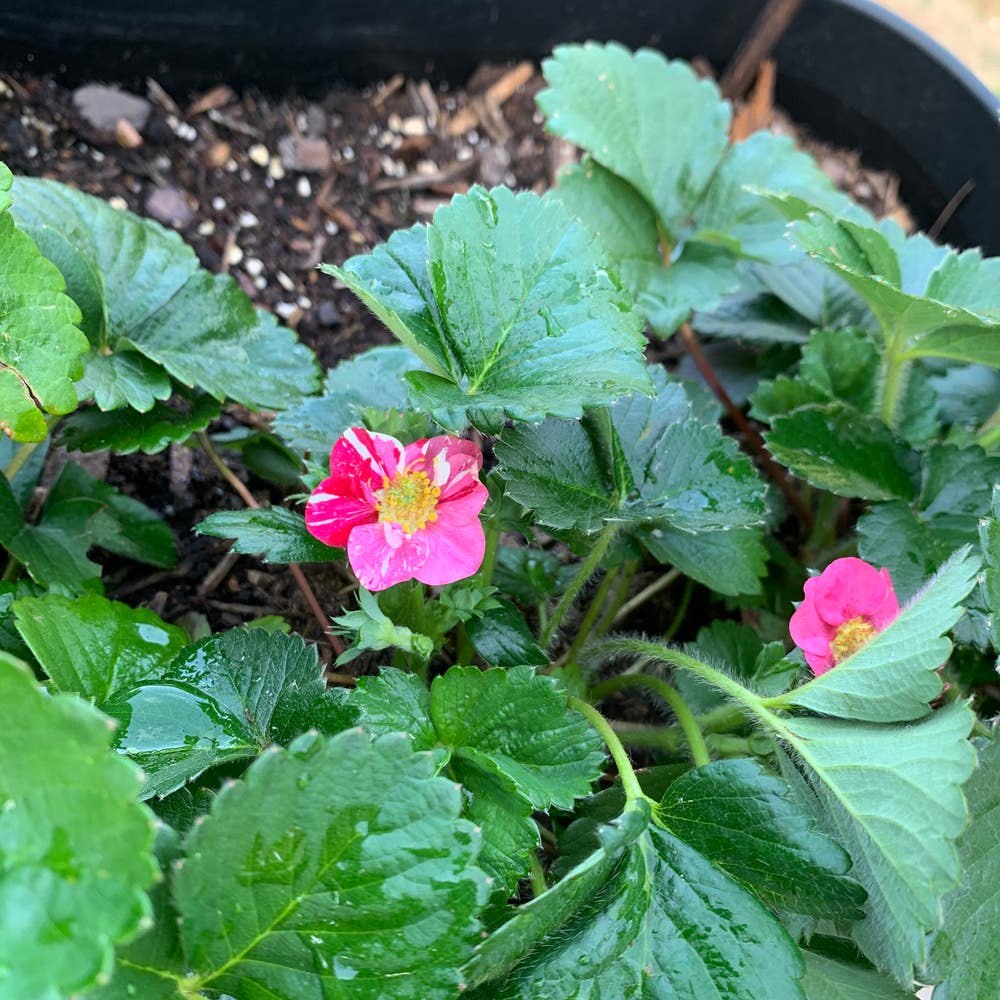
5 Tips for Healing Black Spots on Your Cinquefoil 🩹
Potentilla spp.
By the Greg Editorial Team
Aug 27, 2024•4 min read
This article was created with the help of AI so we can cover more plants for you. May contain errors. See one? Report it here.
Transform your Cinquefoil care by learning to diagnose and treat black spots effectively! 🌱
- 🌱 Identify black spot causes like fungal infections or overwatering for effective treatment.
- 💧 Prevent overwatering by ensuring good drainage and watering deeply but infrequently.
- ✂️ Prune affected leaves to stop disease spread and maintain Cinquefoil health.
Diagnosing the Problem
🦠 Differentiating Between Fungal and Environmental Causes
Identifying the root cause of black spots on your Cinquefoil is crucial. Fungal infections typically present as dark, circular spots surrounded by yellow halos, indicating a serious issue that needs addressing.
In contrast, environmental stress manifests through irregular leaf shapes, browning edges, and stunted growth. Recognizing these signs early can help you take the necessary steps to restore your plant's health.
🚿 Signs of Overwatering or Poor Drainage
Overwatering can lead to significant problems for your Cinquefoil. Start by checking soil moisture levels; soggy soil or standing water are clear indicators of overwatering.
Next, assess root health. Signs of root rot include mushy roots that can severely impact your plant's vitality. Additionally, watch for leaf symptoms like wilting despite adequate watering and yellowing leaves, which signal that something is off.
By diagnosing these issues early, you can take proactive measures to ensure your Cinquefoil thrives. Understanding the differences between fungal and environmental causes, as well as signs of overwatering, sets the stage for effective treatment and prevention strategies.
Treatment Options
Step-by-Step Guide to Treating Black Spots 🌱
Identify the cause: Start by assessing whether the issue stems from a fungal infection or environmental stress. This will guide your next steps.
Remove affected leaves: Prune any leaves showing black spots to prevent the spread of disease. This simple action can significantly improve your plant's health.
Adjust watering practices: Ensure your Cinquefoil receives consistent moisture without waterlogging. This is crucial for preventing further issues.
Improve soil drainage: Amend your soil with organic matter or sand to enhance drainage. This step is moderately challenging but essential for long-term health.
Recommended Fungicides 🧪
Chemical options: Look for specific fungicides that target black spot disease effectively. These products can be a game-changer in your treatment plan.
Application methods: Pay attention to timing and frequency for the best results. Following the manufacturer's instructions will maximize effectiveness.
Natural Remedies for Treatment 🌿
Neem oil: This natural solution is both effective and eco-friendly. Apply it according to the instructions, and enjoy the added benefit of pest control.
Baking soda solution: Mix a simple baking soda solution to treat leaf spots. Combine one tablespoon of baking soda with a gallon of water, and spray it on affected areas for a refreshing boost.
By following these treatment options, you can effectively combat black spots on your Cinquefoil. Next, let’s explore preventive measures to keep your plants thriving and healthy.
Preventive Measures
Best Practices for Watering and Soil Management 🌊
Maintaining a consistent watering schedule is crucial for preventing black spots on your Cinquefoil. Aim to water deeply but infrequently, allowing the soil to dry out slightly between sessions.
Soil type plays a significant role in plant health. Ensure your Cinquefoil is planted in well-draining soil to prevent waterlogging, which can lead to fungal issues.
Importance of Air Circulation Around Plants 🌬️
Proper spacing between plants is essential for optimal airflow. Position your Cinquefoil at least 18 inches apart to reduce humidity and promote healthy growth.
Pruning is another effective way to enhance air circulation. Regularly trim back overcrowded areas to allow fresh air to flow around the plants, minimizing the risk of disease.
Seasonal Care Tips to Prevent Black Spots 🍂
Spring is the perfect time for preparation. Conduct soil testing and amend it with necessary nutrients to set your Cinquefoil up for success.
In the fall, focus on maintenance. Clean up any fallen debris around your plants to prevent fungal spores from overwintering and causing issues in the spring.
By implementing these preventive measures, you can significantly reduce the risk of black spots and keep your Cinquefoil thriving. Next, let’s explore how to monitor and maintain your plants effectively.
Monitoring and Maintenance
Regular Inspection of Leaves 🌿
To keep your Cinquefoil healthy, inspect the leaves weekly. Early detection of black spots can make a significant difference in treatment success.
Look for new spots or any changes in leaf health. Pay attention to discoloration, wilting, or unusual shapes, as these can indicate underlying issues.
When to Seek Professional Help for Severe Cases 🆘
If you notice a rapid spread of spots or overall plant decline, it might be time to seek professional help. Severe infections can quickly overwhelm your plant, making timely intervention crucial.
Local extension services or plant clinics can provide valuable resources and expertise. Don’t hesitate to reach out if you're feeling overwhelmed; expert guidance can save your Cinquefoil.
By staying vigilant and proactive, you can maintain the health of your Cinquefoil and prevent minor issues from escalating into major problems. Next, let’s explore preventive measures to keep those pesky black spots at bay.
⚠️ Safety First
This content is for general information and may contain errors, omissions, or outdated details. It is not medical, veterinary advice, or an endorsement of therapeutic claims.
Always consult a qualified healthcare professional before using any plant as food, medicine, or supplement.
Never eat any plant (or feed one to pets) without confirming its identity with at least two trusted sources.
If you suspect poisoning, call Poison Control (800) 222-1222, the Pet Poison Helpline (800) 213-6680, or your local emergency service immediately.
Spotted an error? Please report it here.
Keep your Cinquefoil spot-free 🌿 by using Greg's tailored care tips and reminders to tackle black spots before they spread!